Choose a country or area to see content specific to your location
Können wir Ihnen behilflich sein?
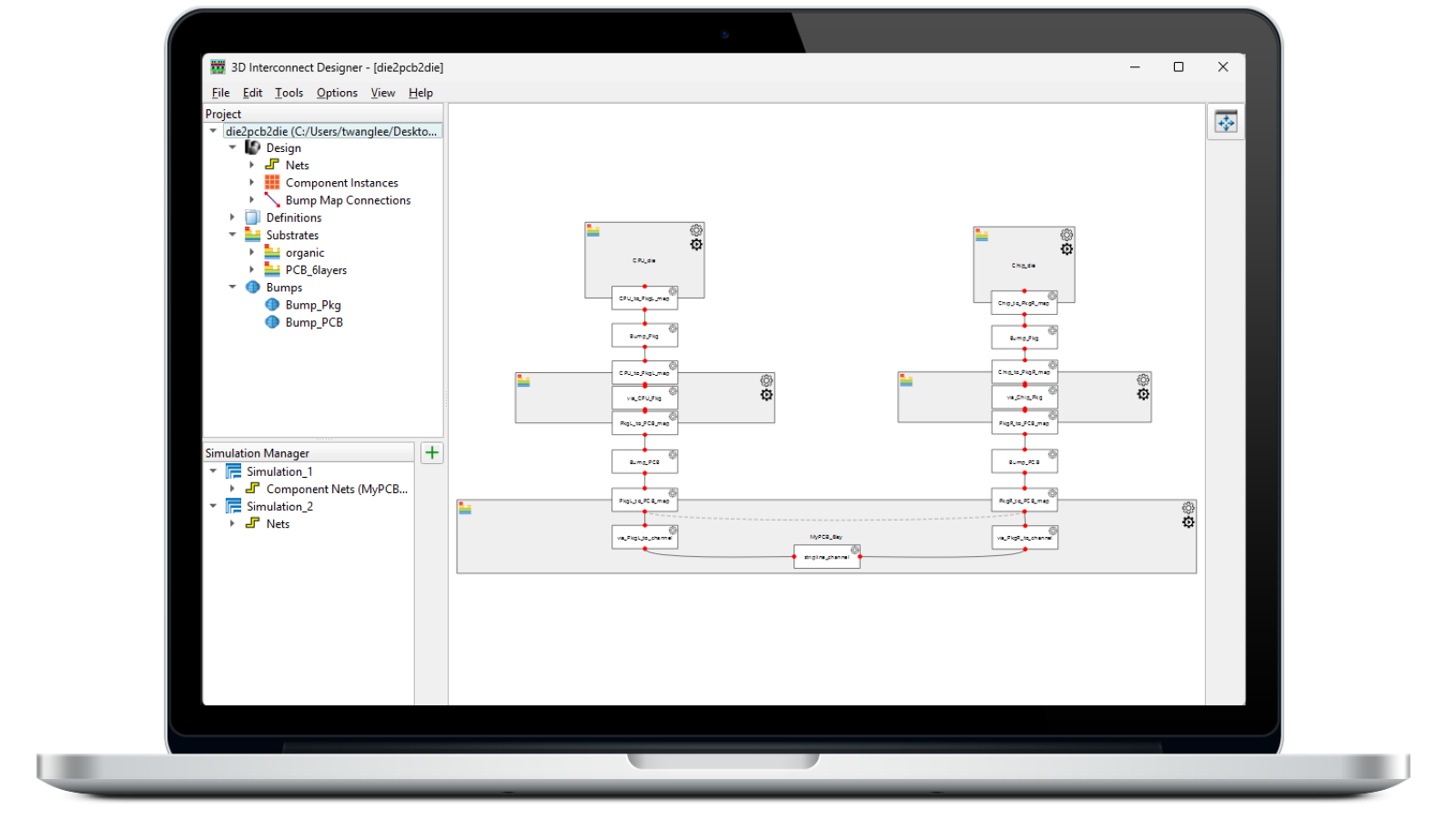
Design, model, and validate complex 3D interconnect architectures with a powerful standalone design environment.
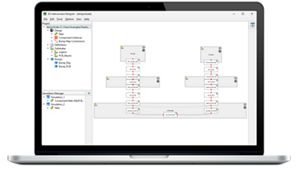
Automate transmitter and receiver validation across next-generation I/O, memory, and fabric interfaces.
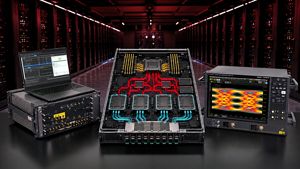
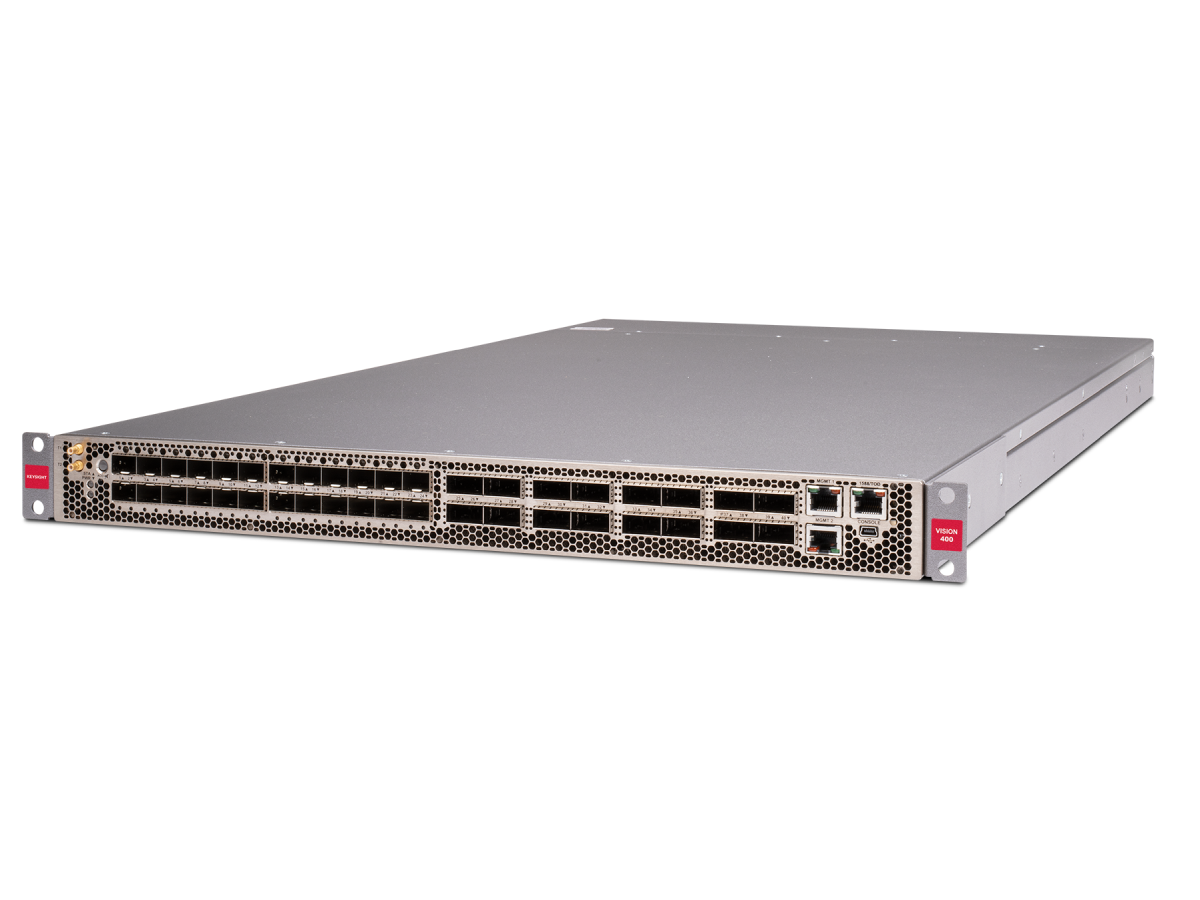
Strengthen 1.6T network reliability for AI-scale workloads from transceivers to interconnects.

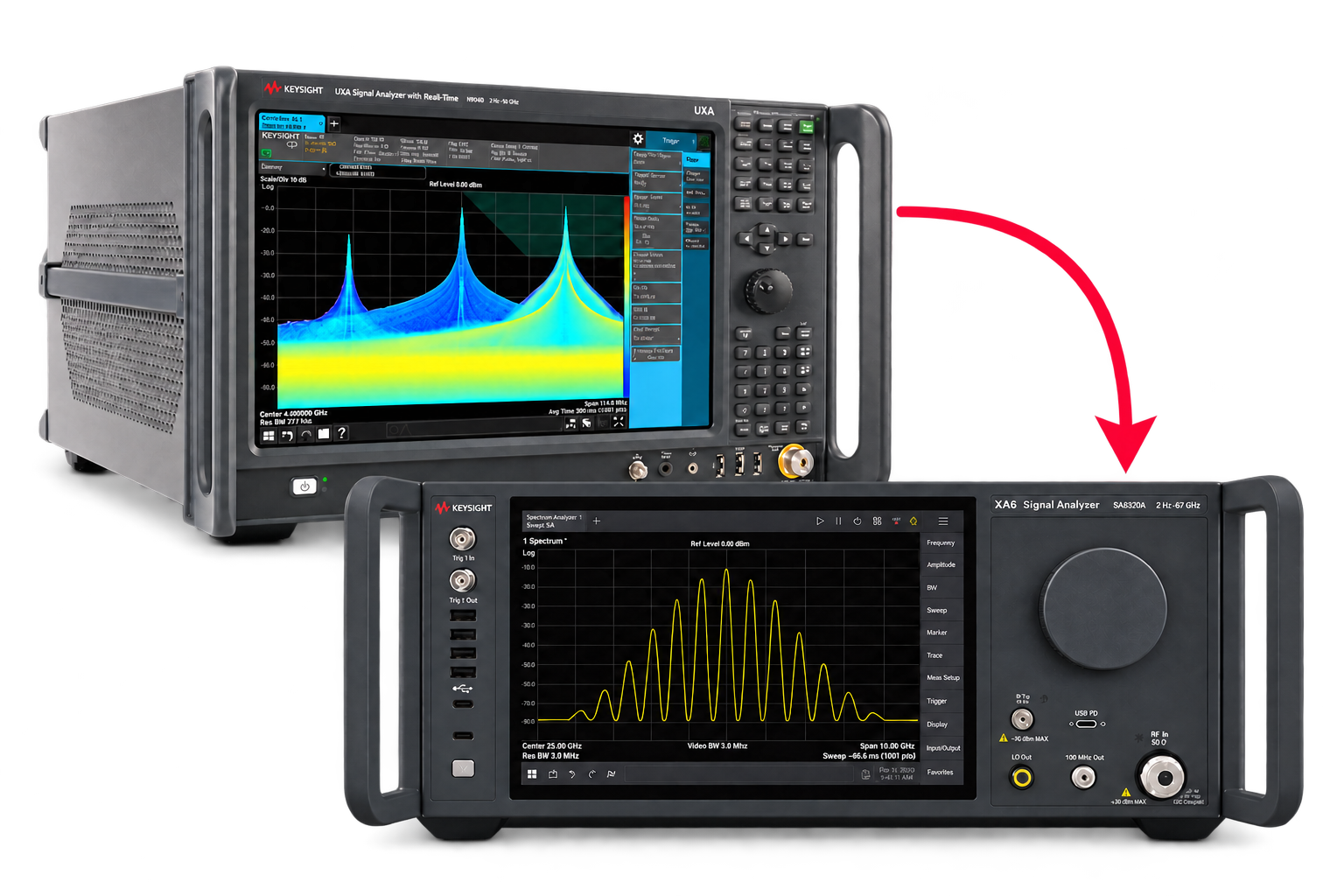
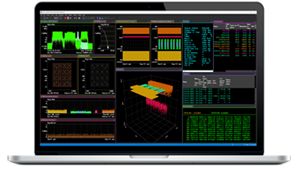
Pair Keysight VSA software with the new XA5 signal analyzer for advanced visualization, demodulation, and analysis — start your 30-day trial today.
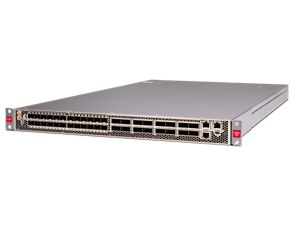
With extra memory and storage, these enhanced NPBs run Keysight's AI security and performance monitoring software and AI stack.
Explore end-to-end workflows spanning IC design, validation, wafer test, and photonics.
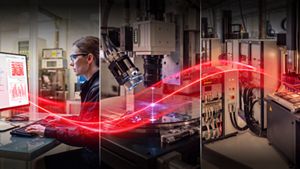
Save up to 50% on our latest instruments with eligible Keysight or competitor trade-ins.
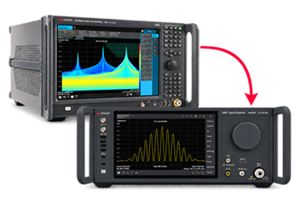
Maximize accuracy and performance with precision accessories engineered for Keysight instruments.
Save up to 50% on our latest instruments with eligible Keysight or competitor trade-ins.
Four channels per 1U of rack space, up to 1 GHz bandwidth, and multi-oscilloscope synchronization.
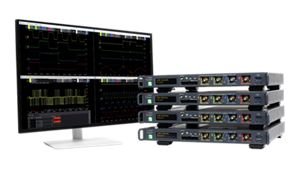
Purpose-built solutions engineered for the design and test challenges unique to your industry.
Use Cases mapped to every stage of your product lifecycle, from design through operations.
Success Stories
Authoritative application notes, data sheets, reference designs, and test procedures to accelerate design and validation decisions.
Hands‑on bootcamps that teach system design, test methods, and production workflows engineers can apply immediately.
Learning Hub
Explore methodologies, test strategies, and technical resources for designing, validating, and scaling AI systems and networks.
Quick access to the most frequent support related self-help tasks.
Additional content to support your product needs.
Explore services to accelerate every step of your innovation journey.
AI computer vision that catches visual defects and tests what users actually see across every device, browser, and platform.
Visual test automation uses AI computer vision to validate applications the way users see them, rather than through DOM access or pixel-by-pixel comparison. It covers visual regression testing, GUI test automation, and cross-platform UI validation in a single approach.
AI recognition identifies UI elements by appearance and meaning, catching real defects without flagging legitimate variation, and runs across any device, browser, or operating system from a single test definition. Eggplant uses image and text recognition to interact with any screen on any platform, without instrumentation or back-end access.
Selenium and similar GUI testing tools verify data in the DOM, but not what users see, missing rendering breaks and layout regressions entirely.
Pure pixel-comparison tools generate false positives on every legitimate UI change, drowning real visual regressions in maintenance work.
Each browser, device, and resolution combination historically required its own test approach, scaling effort with every supported environment.
Mainframes, packaged applications, and locked-down environments often block the source-level access traditional GUI automation depends on.
Eggplant uses AI computer vision to test through the same channel users do...the screen. One approach replaces brittle DOM tools, noisy pixel-diff utilities, and platform-specific GUI scripts.
Computer vision identifies UI elements visually, the same way users do, eliminating dependence on selectors or platform-specific access, so any UI can be tested.
Recognition modes adapt to dynamic content, font changes, color shifts, and resolution variation without flagging legitimate updates.
The same tests run across mobile, web, desktop, mainframe, and packaged applications, with no platform-specific rewrites.
Native CI/CD integrations trigger visual tests automatically on every build, catching regressions before they reach release.
Visual regression testing detects unintended UI changes between releases. Traditional approaches compare screenshots pixel-by-pixel and flag every variation as a defect. AI-driven visual regression testing recognizes UI elements by meaning, distinguishing real regressions from acceptable variation, and runs across browsers, devices, and operating systems from a single test definition.
GUI test automation has historically meant Selenium scripts that break on every UI change. Eggplant replaces brittle DOM-pinned automation with AI computer vision, delivering GUI test coverage that survives interface updates and extends to environments traditional GUI testing tools can't reach.
Visual test automation uses AI computer vision and image recognition to test applications the way users see them, rather than through DOM access or back-end APIs. It covers visual regression testing, GUI test automation, and cross-platform UI validation in one approach. Tests interact with what's on screen, validating that the UI looks and behaves correctly regardless of the underlying technology stack. This is particularly valuable for cross-platform applications, environments where source code access is restricted, and customer-facing products where visual quality affects user experience.
Visual regression testing automatically detects unintended visual changes in a user interface between releases. The goal is to catch defects users would notice (broken layouts, misaligned elements, color shifts, missing images) before they reach production. Traditional approaches compare screenshots pixel-by-pixel, but modern AI-driven visual regression testing recognizes UI elements by appearance and structure, distinguishing real regressions from acceptable variation. This is particularly valuable for design system consistency, cross-browser validation, and customer-facing applications where visual quality affects user trust.
GUI testing typically refers to functional validation of graphical user interfaces (clicks, form inputs, navigation flows) often using DOM-based tools like Selenium. Visual testing validates how the interface looks: rendering, layout, fonts, colors, and visual consistency. Traditionally these were separate disciplines requiring separate tools. AI-driven visual test automation combines both: tests interact with the GUI by what's on screen rather than by DOM selector, validating both that the application works and that it looks correct, in a single approach.
The best visual regression testing tool depends on platform breadth. Pixel-comparison tools like Applitools and Percy work well for web-only applications, with strong CI/CD integration. AI-driven visual platforms like Eggplant extend further, supporting visual regression testing across web, mobile, desktop, mainframe, and packaged applications using a single approach. For organizations whose user experience spans beyond browsers, an AI visual platform with native cross-platform reach typically delivers lower total maintenance overhead than combining specialized tools.
AI-powered visual testing uses computer vision and image recognition models to identify UI elements the way a human would: by appearance, position, and context, rather than by DOM selector or HTML structure. This means tests don't break when the underlying code changes, only when the visible behavior changes. The most reliable platforms use multiple recognition modes (text, image, hybrid) and apply machine learning to handle dynamic content, font variations, and resolution differences without false positives.
Yes, when the underlying recognition is AI-driven rather than pure pixel-diff. Pixel-comparison tools struggle with dynamic content because every legitimate change triggers a flag. AI-driven visual testing platforms recognize UI elements by meaning and structure rather than exact pixel match, so they can validate that an element is present and correct without failing on minor variations. This makes AI visual testing suitable for applications with dates, personalized content, dynamic charts, and other variable elements.
GUI test maintenance is dominated by two costs: rewriting Selenium scripts when the UI changes and triaging false positives when pixel diffs flag legitimate updates. AI-driven visual test automation reduces both. Recognition models adapt to UI changes that don't affect functional behavior, eliminating most rewrites. And because AI recognizes elements by meaning rather than exact pixels or DOM selectors, false positives drop dramatically, freeing QA time for actual defect investigation rather than test housekeeping.
Vision and OCR-based testing reads the screen like a person does. No DOM, no code access needed.
Können wir Ihnen behilflich sein?