How to Characterize Island Frequency Drift

Characterize Island Frequency Equilibrium
Island frequency drift can be characterized by observing the electrical response of a grid-connected distributed energy resource (DER) inverter after separation from the simulated utility grid. Before isolation, a resonant resistance-inductance-capacitance (RLC) load is adjusted to balance the inverter's active and reactive power while the grid establishes the reference voltage and frequency. Power Hardware-in-the-Loop (PHIL) technology and resonant RLC autotuning support repeatable island conditions without manually adjusting physical load components. After the simulated grid connection opens, the interaction between inverter output and resonant load impedance influences island voltage and frequency. Engineers can examine measured voltage, current, frequency, and phase behavior to characterize how the isolated electrical system responds under a defined operating condition.
To investigate the influence of resonant load characteristics, engineers can repeat the isolation sequence using different programmed RLC conditions while maintaining the required real- and reactive-power balance. Changes in resonant behavior can influence the resulting island frequency and voltage response. Recorded electrical measurements allow engineers to compare frequency deviations, settling behavior, and voltage changes across selected operating points. Where permitted by the laboratory procedure, stable-island evaluation can be performed with the inverter's anti-islanding protection disabled, allowing frequency behavior to be examined separately from protection-triggered shutdown. Comparing externally observable electrical responses across repeatable island conditions supports investigation of frequency stability without requiring access to proprietary phase-locked loop parameters or internal inverter control signals.

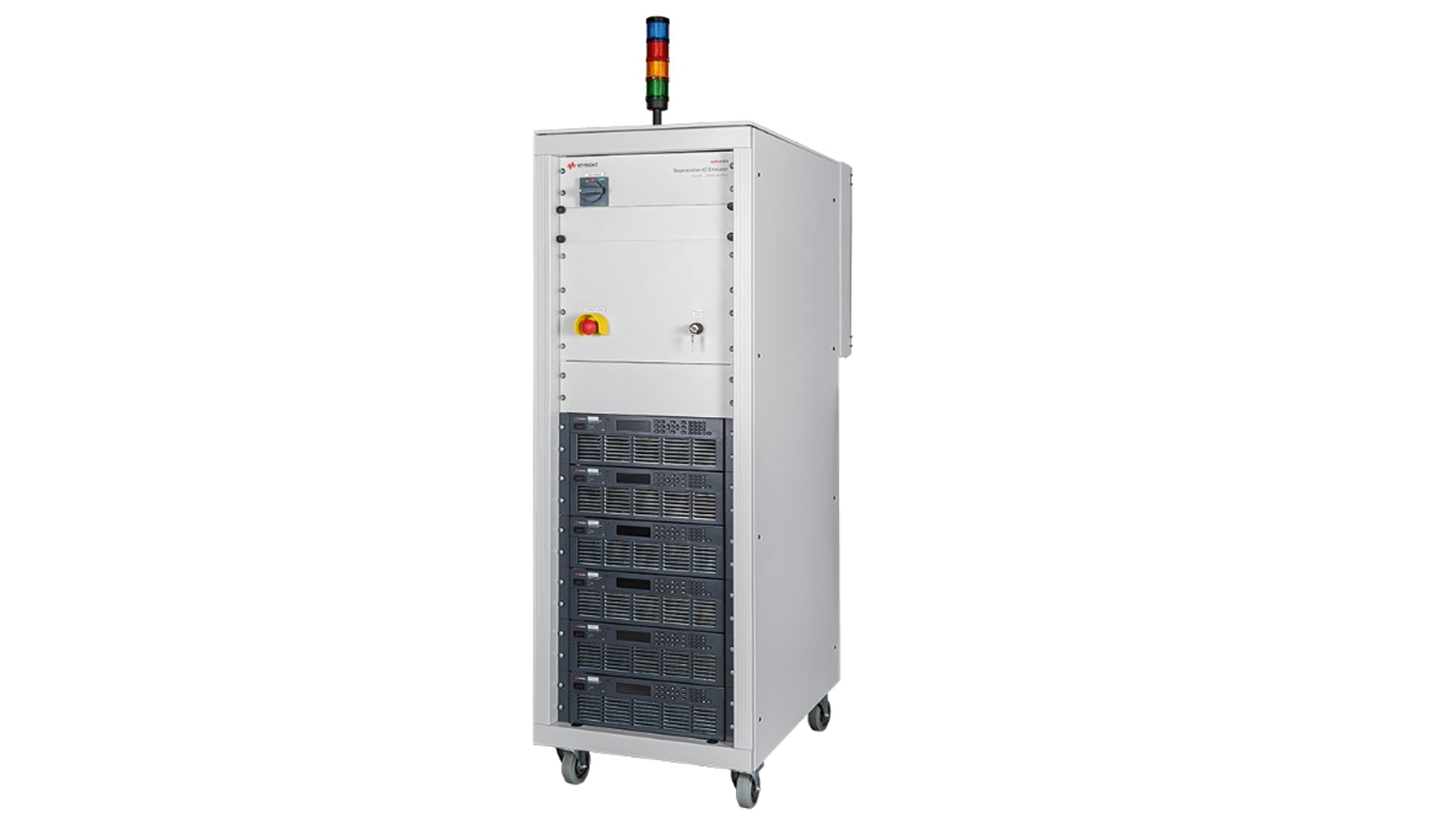
Island Frequency Characterization Solution
See Block Diagram of Island Frequency Characterization Solution


Explore Products in Our Island Frequency Characterization Solution
-

![]()
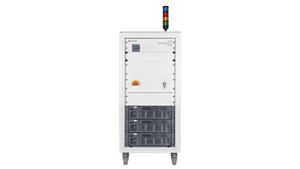
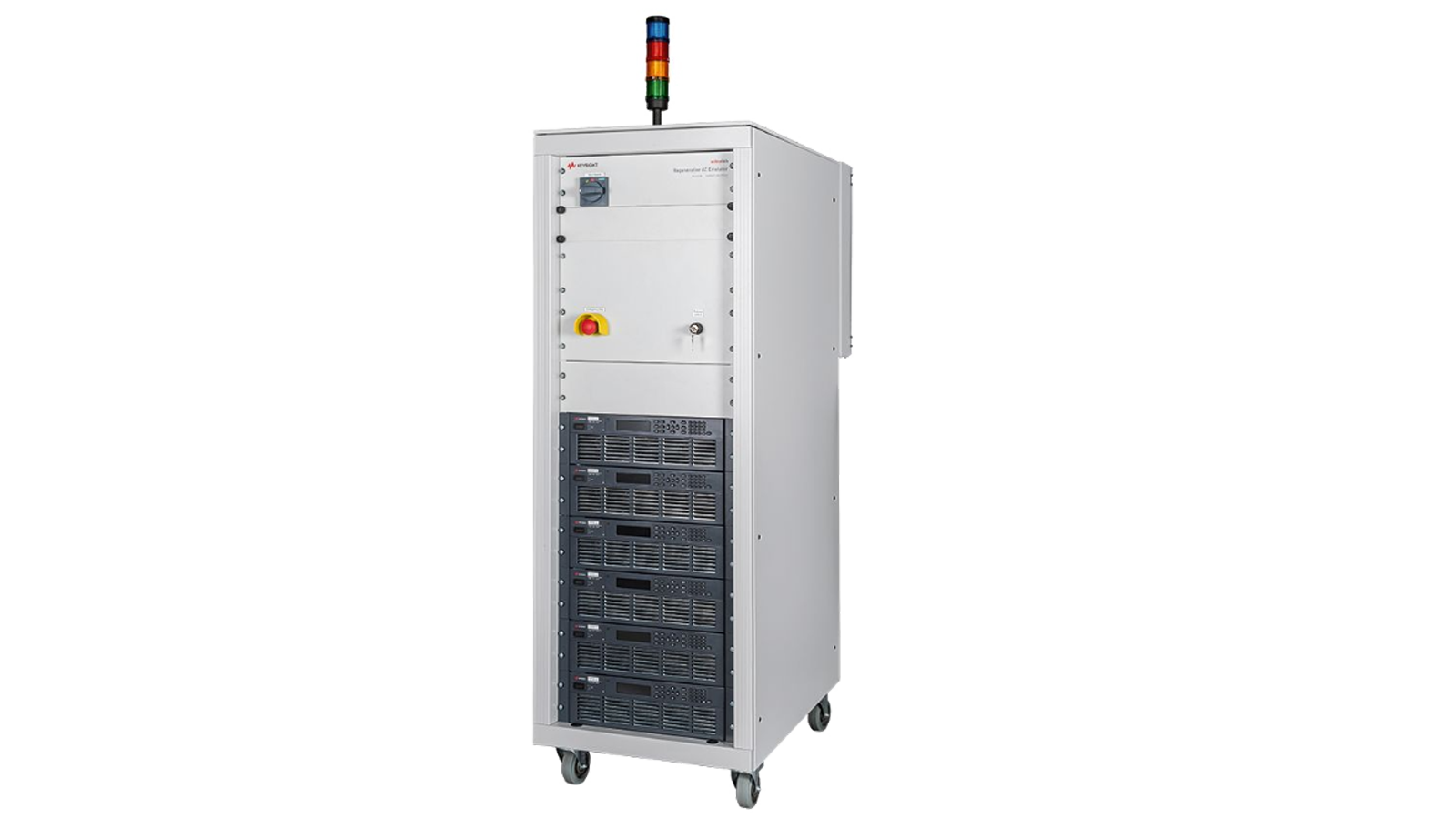
SL1201A Scienlab Regenerative AC Emulator, 600 VAC, 63 A, 42 kVA, 3‑Phase
-
![]()
SL1212A Scienlab Regenerative AC Emulator, 1200 VAC, 32 A, 68 kVA, 3‑Phase
-
![]()
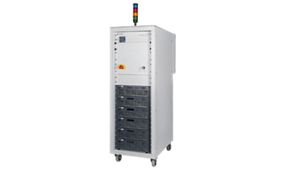
SL1213A Scienlab Regenerative AC Emulator, 1200 VAC, 65 A, 90 kVA, 3‑Phase
-
![]()
SL1202A Scienlab Regenerative AC Emulator, 600 VAC, 63 A, 66 kVA, 3‑Phase
-

![]()
SL1203A Scienlab Regenerative AC Emulator, 600 VAC, 125 A, 130 kVA, 3‑Phase


Discover Resources and Insights
Additional Resources for Island Frequency Characterization
Related Use Cases

-
![]()
Learn More
How to Automate Anti-Islanding Compliance Test Reporting
Automate anti-islanding test reporting by organizing electrical measurements, clearing-time results, test settings, and recorded waveforms from repeated islanding conditions into consolidated reports for engineering review and compliance test documentation.
Learn More

-
![]()
Learn More
How to Test Unintentional Island Clearing Time
Measure unintentional island clearing time for a grid-connected distributed energy resource inverter using programmable grid emulation, controlled island formation, resonant load behavior, synchronized electrical measurements, and automated shutdown-time analysis for IEEE 1547.1 anti-islanding test workflows.
Learn More
-
![]()
Learn More
How to Automate Resonant RLC Island Tuning
Automate resonant RLC tuning for three-phase anti-islanding tests by measuring residual grid current, calculating load adjustments, and iteratively balancing active and reactive power to establish repeatable stable island conditions.
Learn More

Get in Touch With One of Our Experts
Need help finding the right solution for you?