How to Validate IoT Device Power Transitions

Reproduce Changing IoT Power Demand
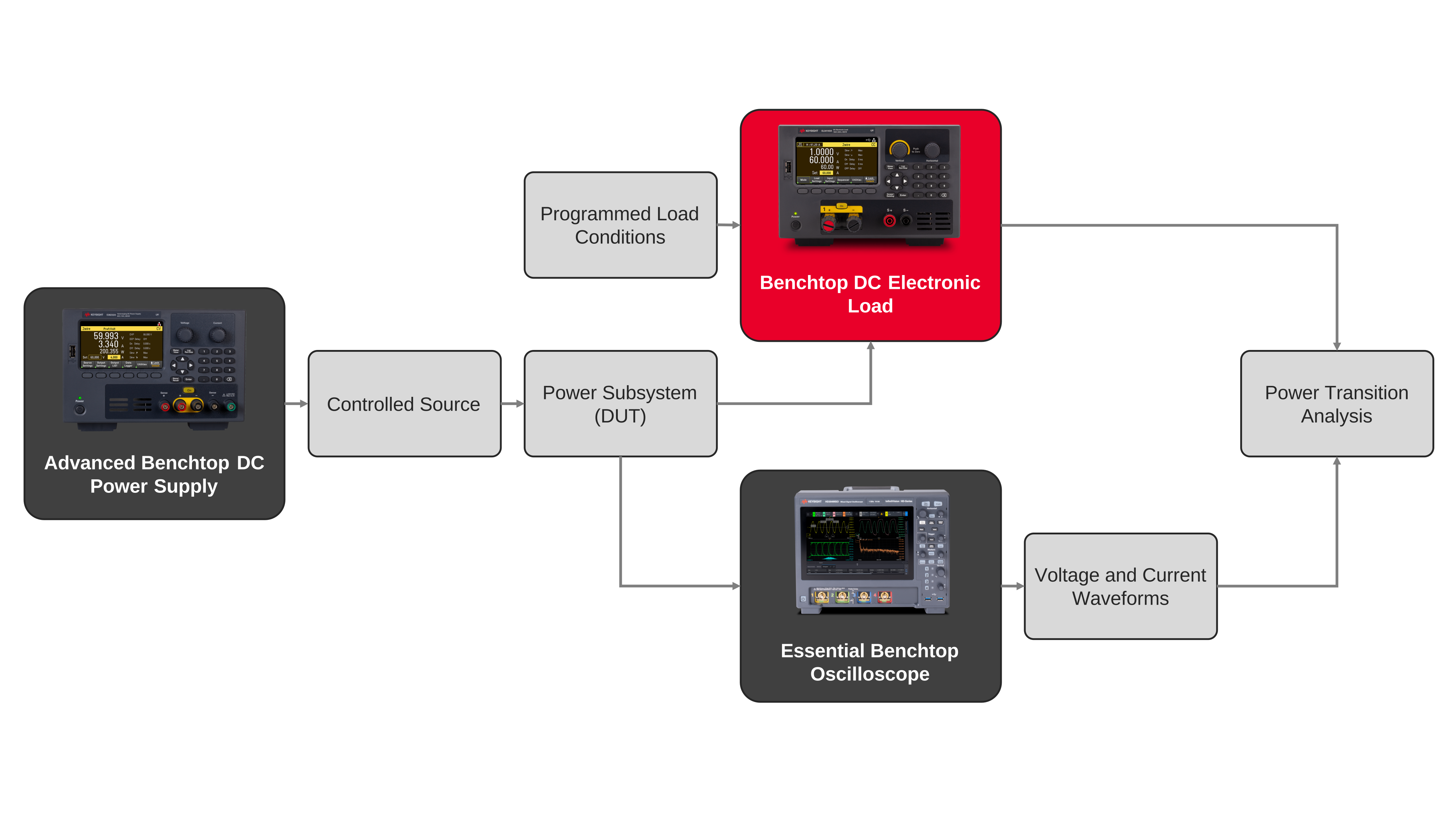
Battery-powered Internet of Things (IoT) systems operate through a sequence of power states as sensing, processing, communication, and idle functions activate and deactivate. Validating the power subsystem requires reproducing these changes in current demand while monitoring how the supply rail responds throughout the operating sequence. A programmable electronic load can represent the electrical demand of the downstream device by applying defined current levels for each operating state and controlling the timing of transitions between them. Repeating the same load sequence provides consistent conditions for evaluating supply-voltage behavior as the emulated device moves from a lower-current state into higher-current processing or wireless activity and then returns to its lower-power operating state.
Dynamic load testing extends this evaluation by controlling the magnitude, duration, repetition, and transition rate of the current demand applied to the power subsystem. Measure supply voltage and load current together to correlate each programmed state change with voltage deviation, recovery, and settling behavior at the device power rail. Different load profiles can represent changes in application behavior, including periodic sensing, processor activity, wireless transmission, and longer idle intervals, while repeated measurements allow the response to be compared across source-voltage and load conditions. This method characterizes how the power-delivery subsystem responds to changing device demand without requiring the actual IoT device to reproduce an identical activity sequence for every measurement.

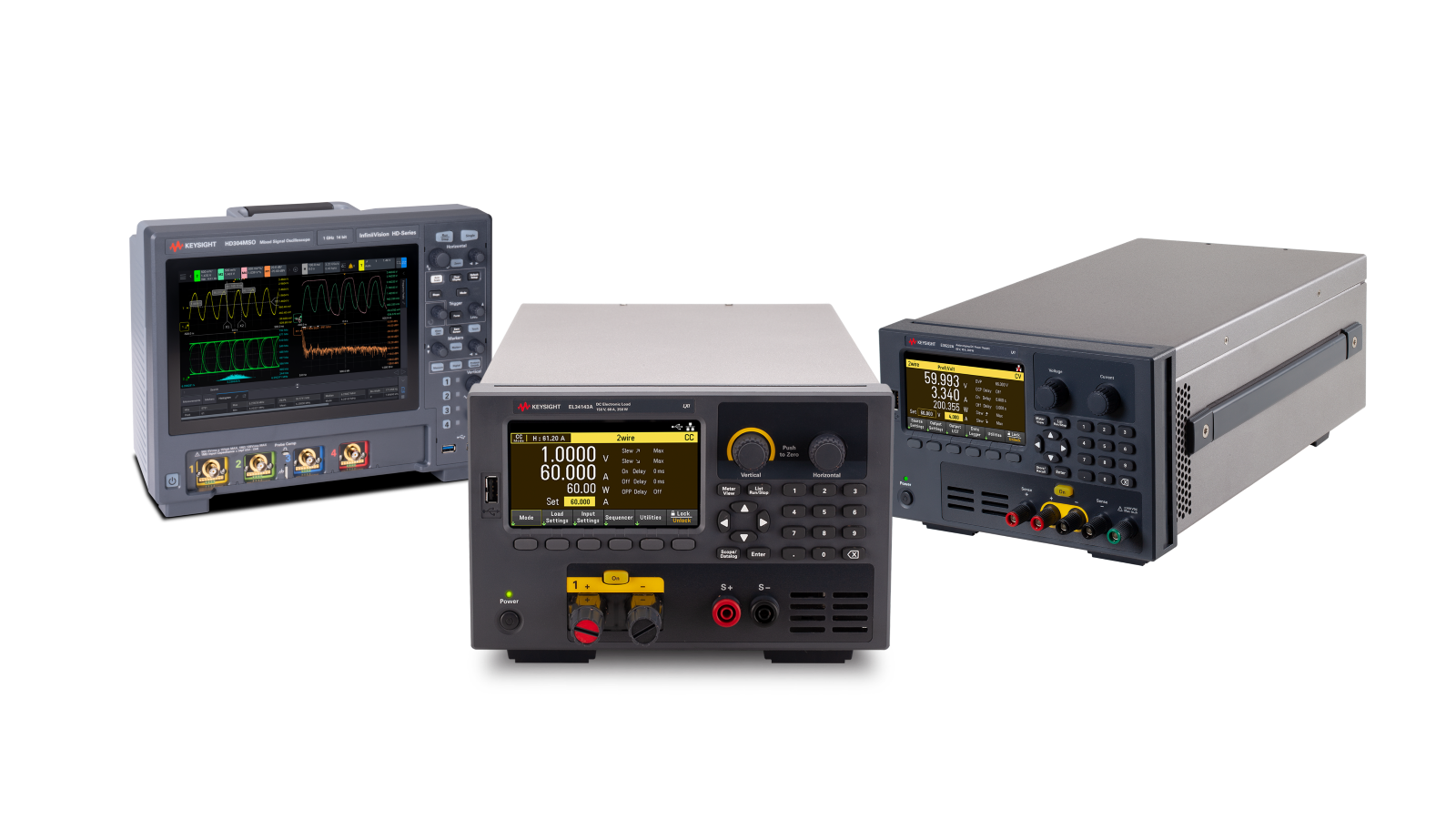
IoT Power Transition Validation Solution
Block Diagram of IoT Power Transition Validation Solution

Explore Products in Our IoT Power Transition Validation Solution
-

![]()
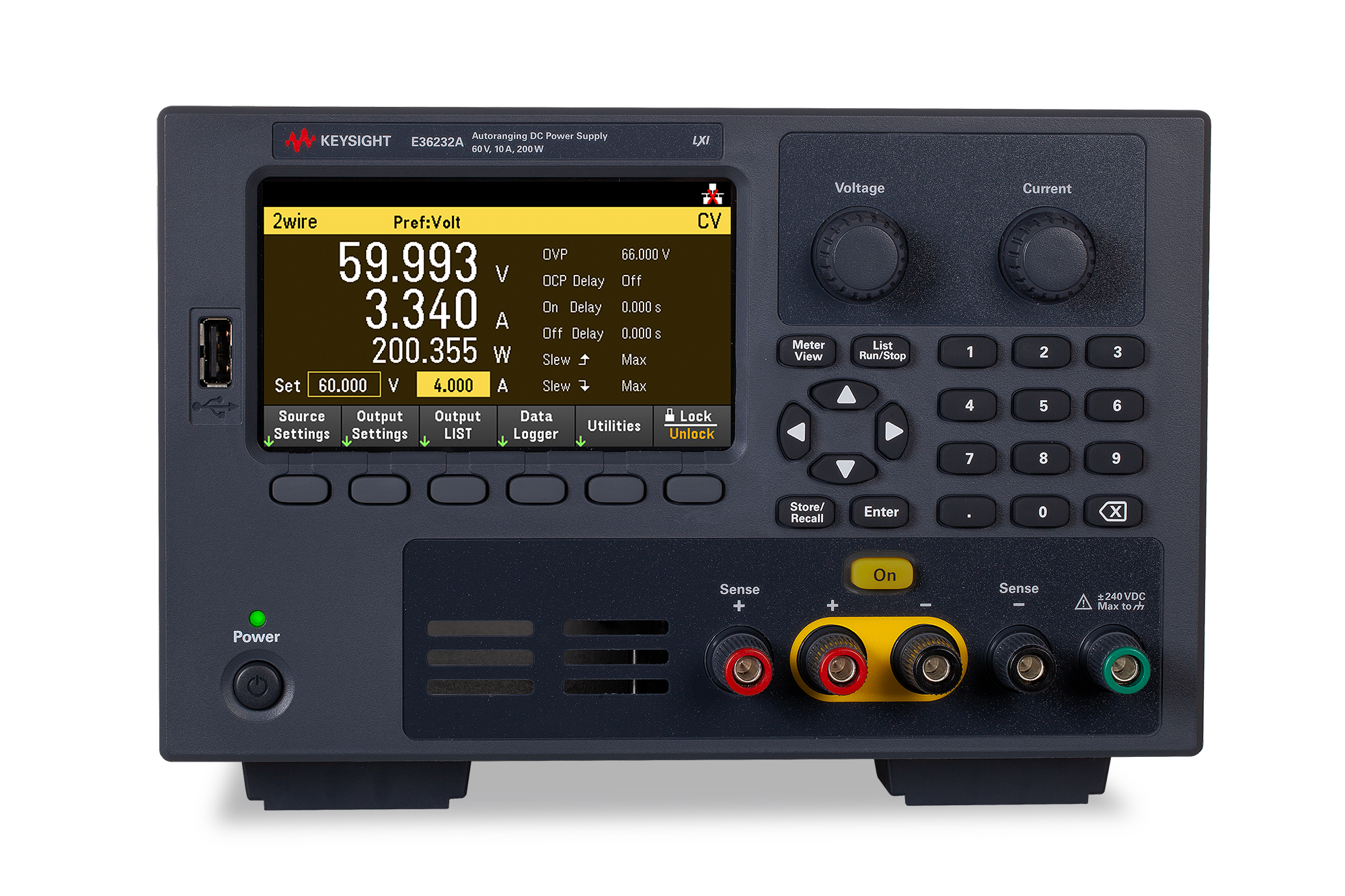
E36232A 200W Autoranging Power Supply, 60V, 10A
-
![]()
HD304MSO InfiniiVision Oscilloscope: 4 Analog Channels
-
![]()
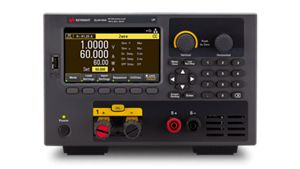
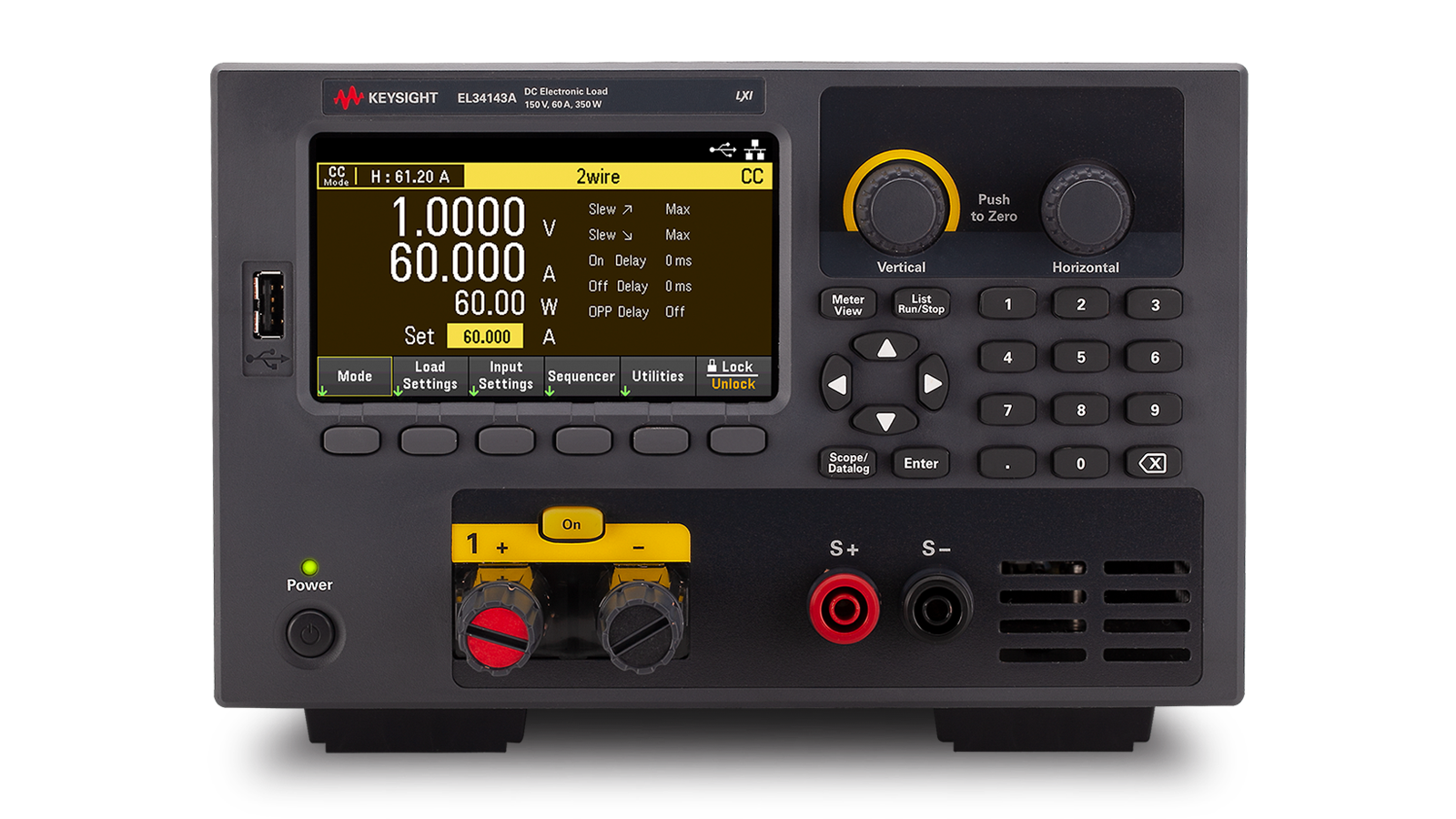
EL34143A 350W Bench Electronic Load, Single Input 150V, 60A, 350W


Discover Resources and Insights
Additional Resources for IoT Power Transition Validation
Related Use Cases


-
![]()
Learn More
How to Analyze Current Drain Using Battery Profiling and Emulation
Analyzing battery drain requires a power analyzer and battery emulation software. Learn how to emulate battery environmental characteristics and device current profiles to analyze your device power usage.
Learn More

-
![]()
Learn More
How to Verify IoT Battery Life Targets
Learn how to verify IoT battery life targets by measuring current consumption across real operating modes and device events, then correlating it with runtime goals before product launch.
Learn More
-
![]()
Learn More
How to Correlate RF Events With IoT Device Current Drain
Correlate RF events with IoT current drain to identify which radio activity contributes most to battery consumption.
Learn More

Get In Touch With One Of Our Experts
Need help finding the right solution for you?