Aerospace and Defense Solutions

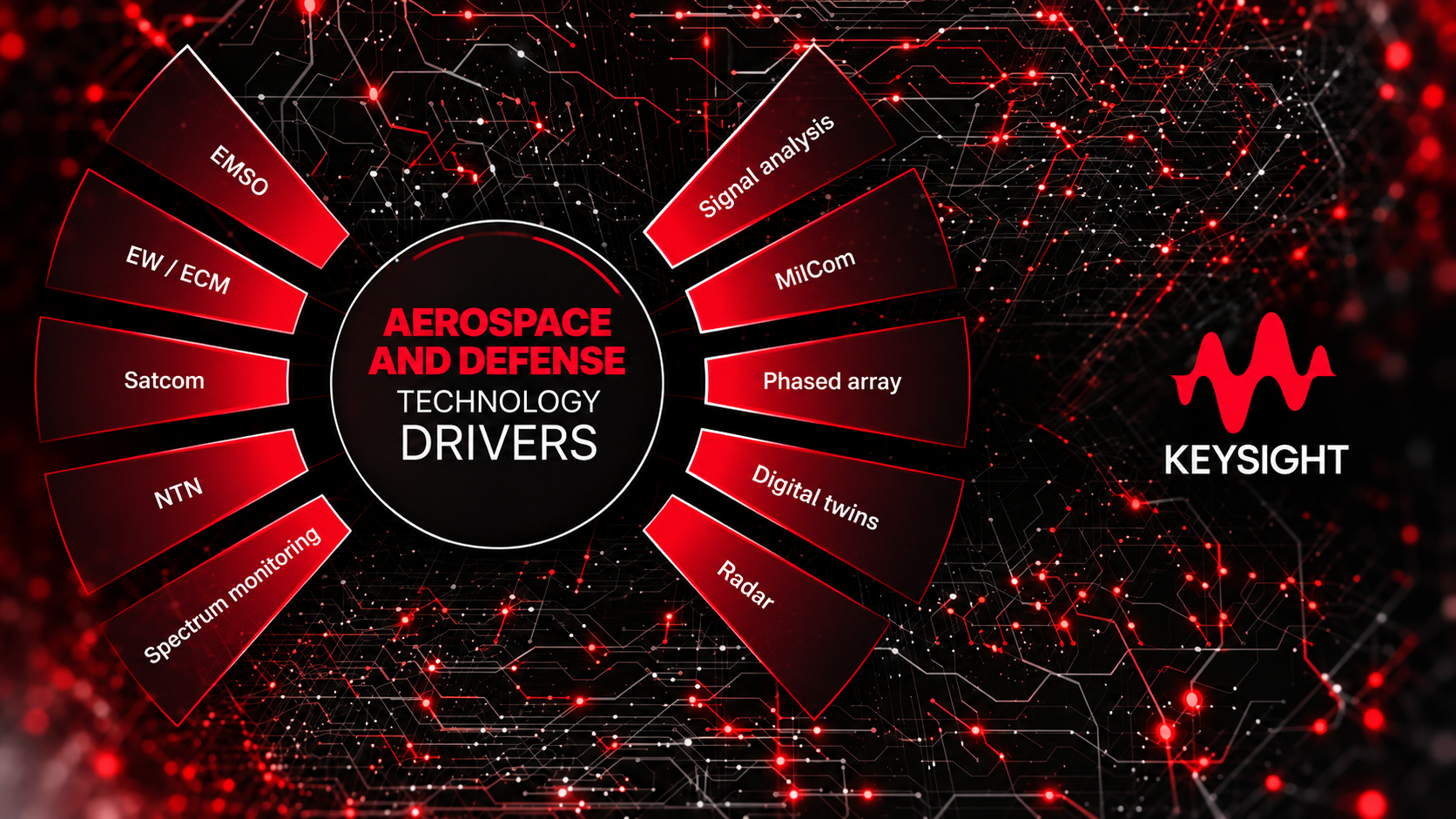
- EMSO
- Space and Satellite
- Secure Communications
- Radar
- Positioning
Discover scalable, flexible EW solutions for benchtop R&D, installed test facilities, open-air range test, and reprogramming and operational verification.
Address EW Testing Challenges
Use signal generation and real-time analysis to simulate precise and realistic threat scenarios.

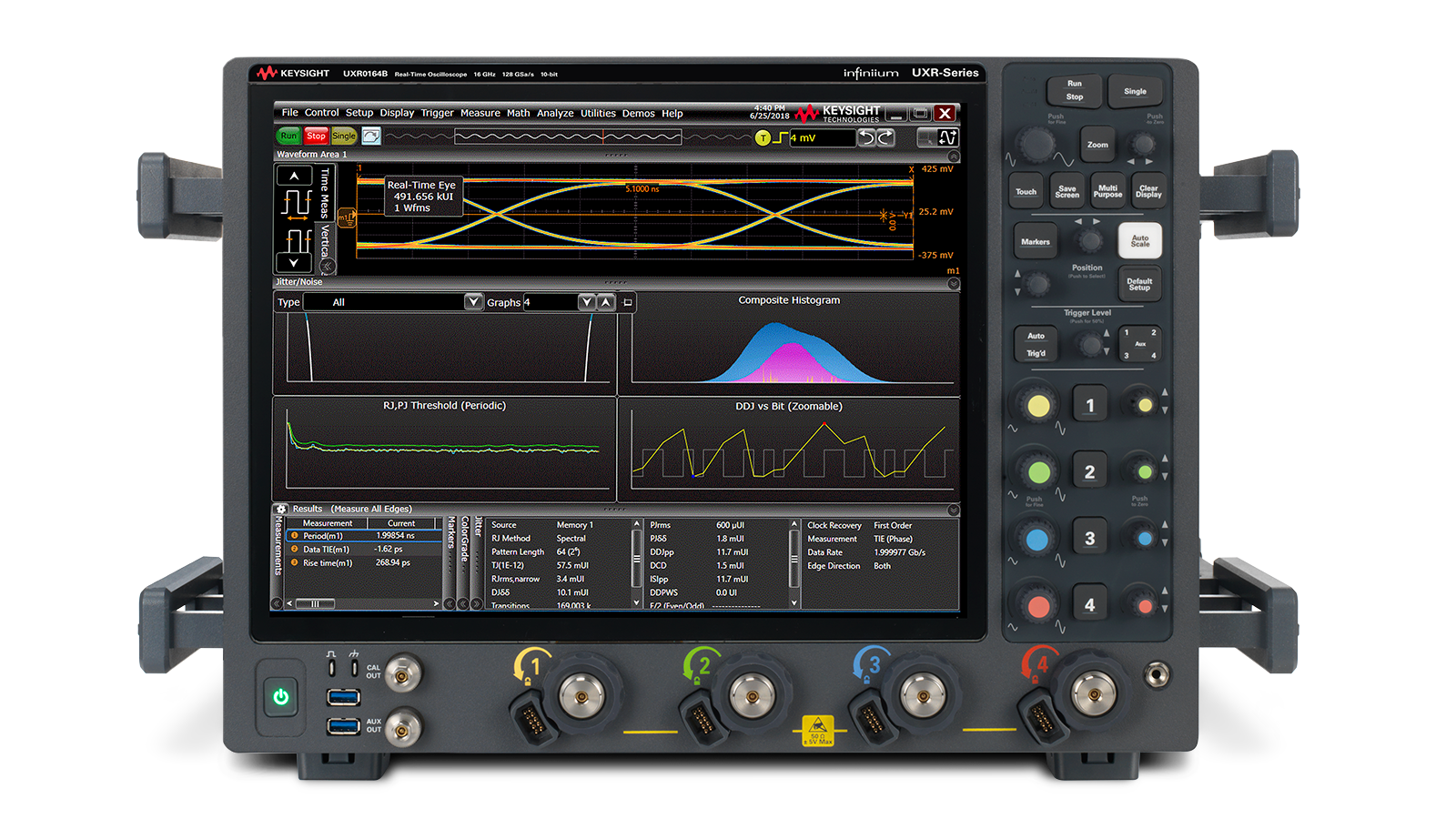
Characterize Radar Pulses
Characterize modern digital modulated radar pulses with an oscilloscope.
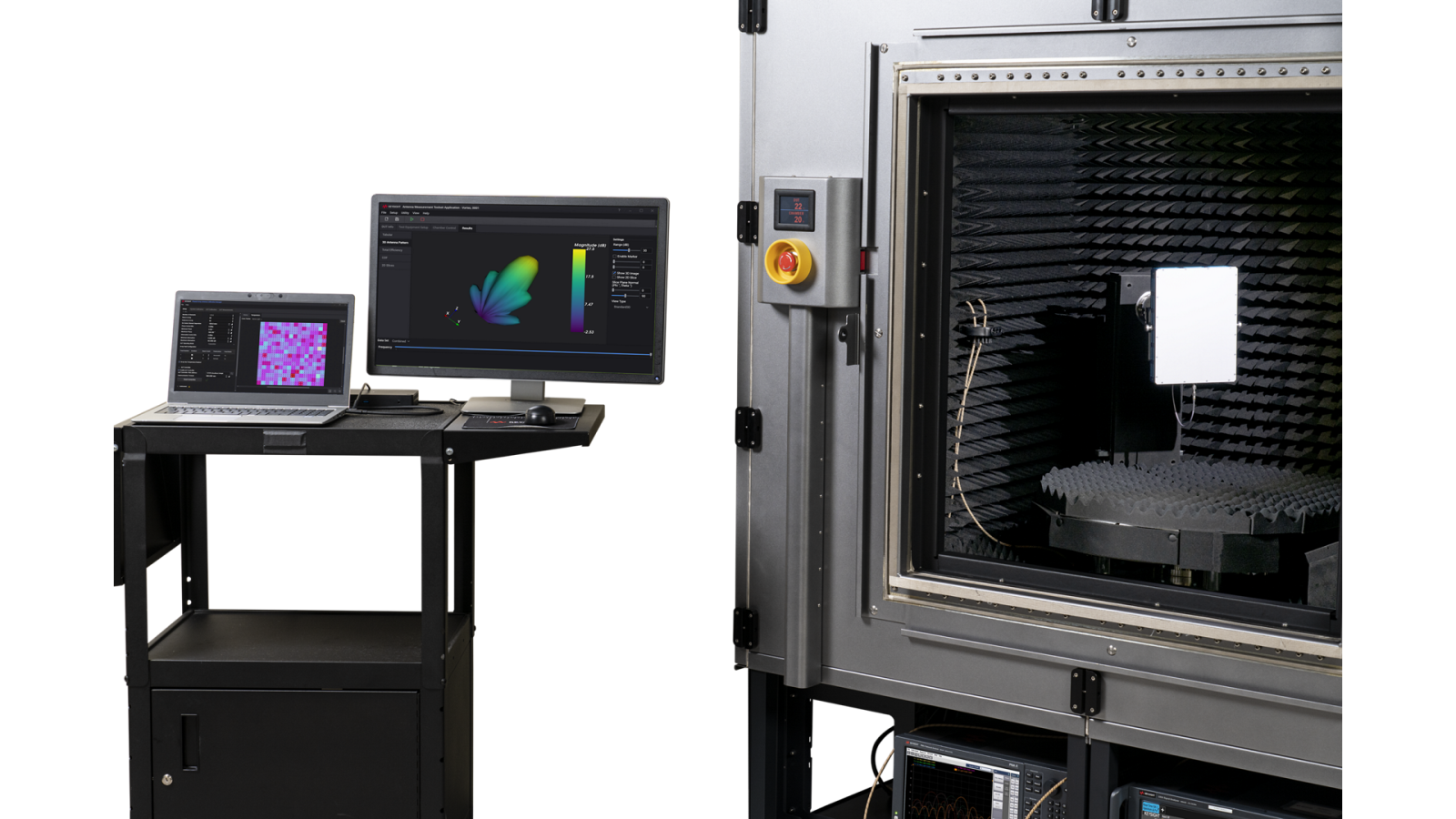
Test Phased Array Antennas
Speed accurate spherical antenna pattern measurements and phased array calibration.
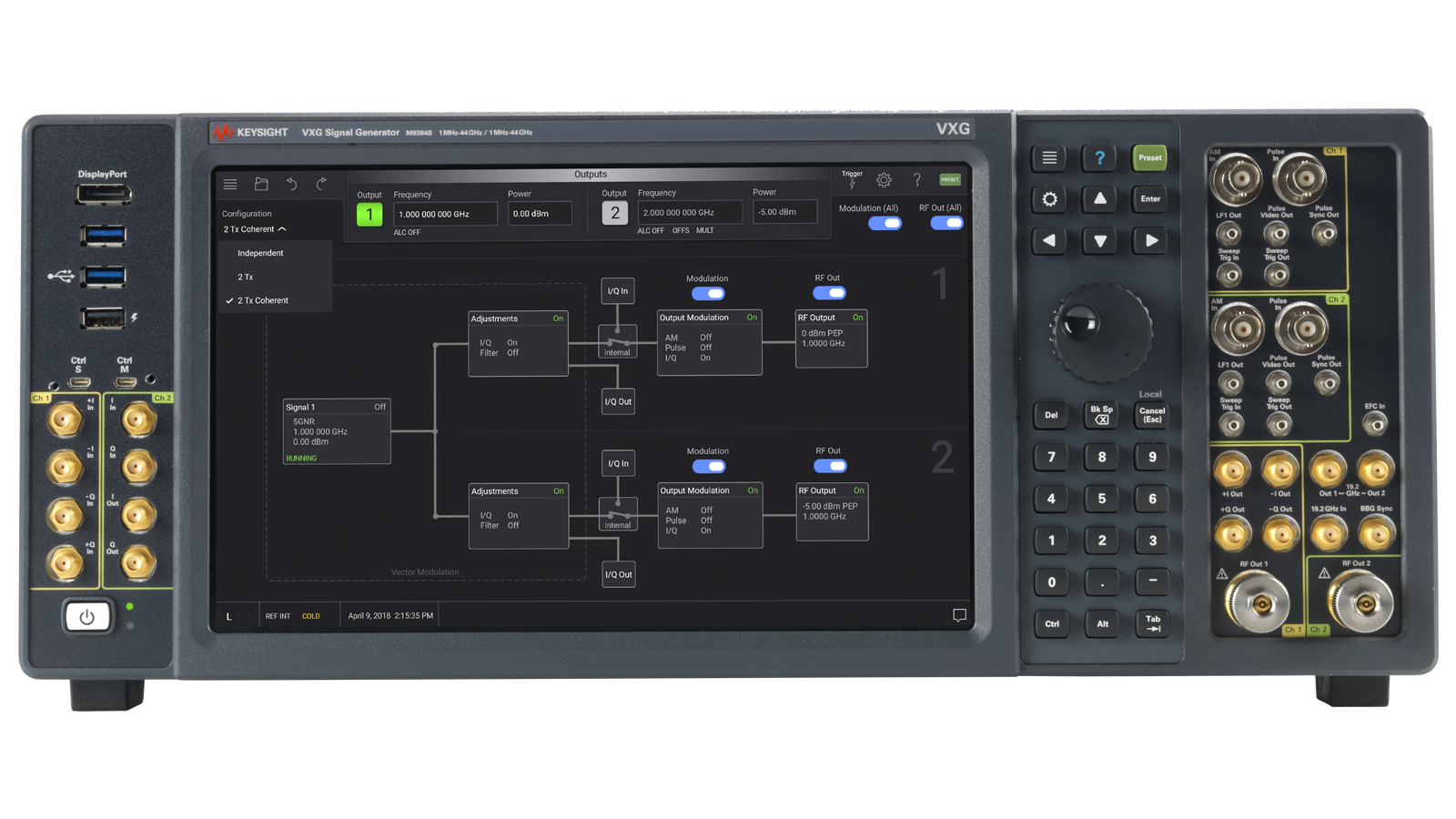
Create EW Test Signals
Simulate increasingly complex signal environments for radar, antenna, and EW test.

Simulate EW Threat Scenarios
Perform full-spectrum, real-time RF modeling with dynamic scenario control and high-fidelity visualization.

Perform Multichannel EW Analysis
Perform radar analysis of frequency modulation linear chirp, frequency hopping, or pulsed RF signals.
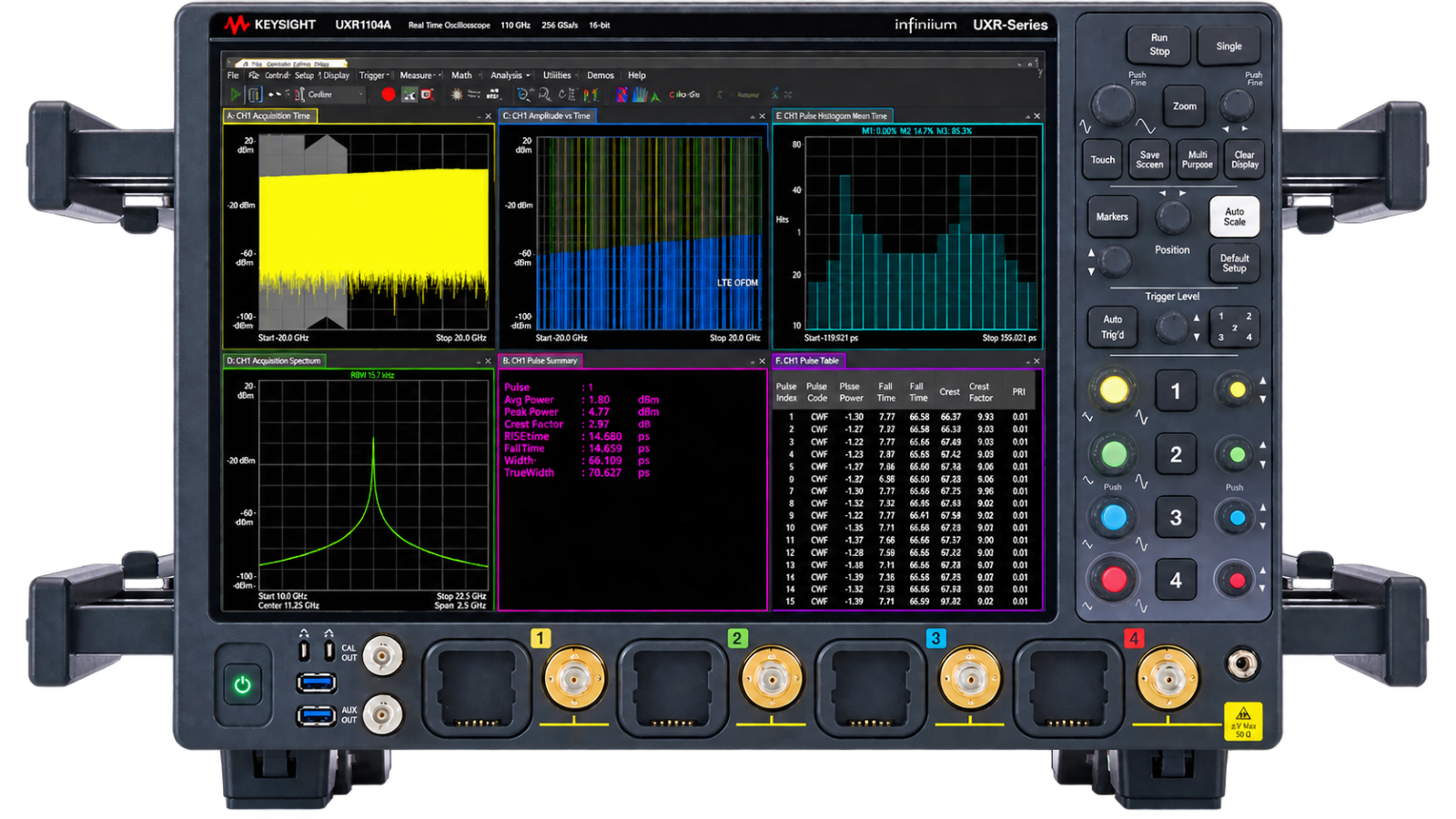
Record Ultra Wideband RF Signals
Analyze signals over wider bandwidths and reduce measurement uncertainty with noise floor extension.
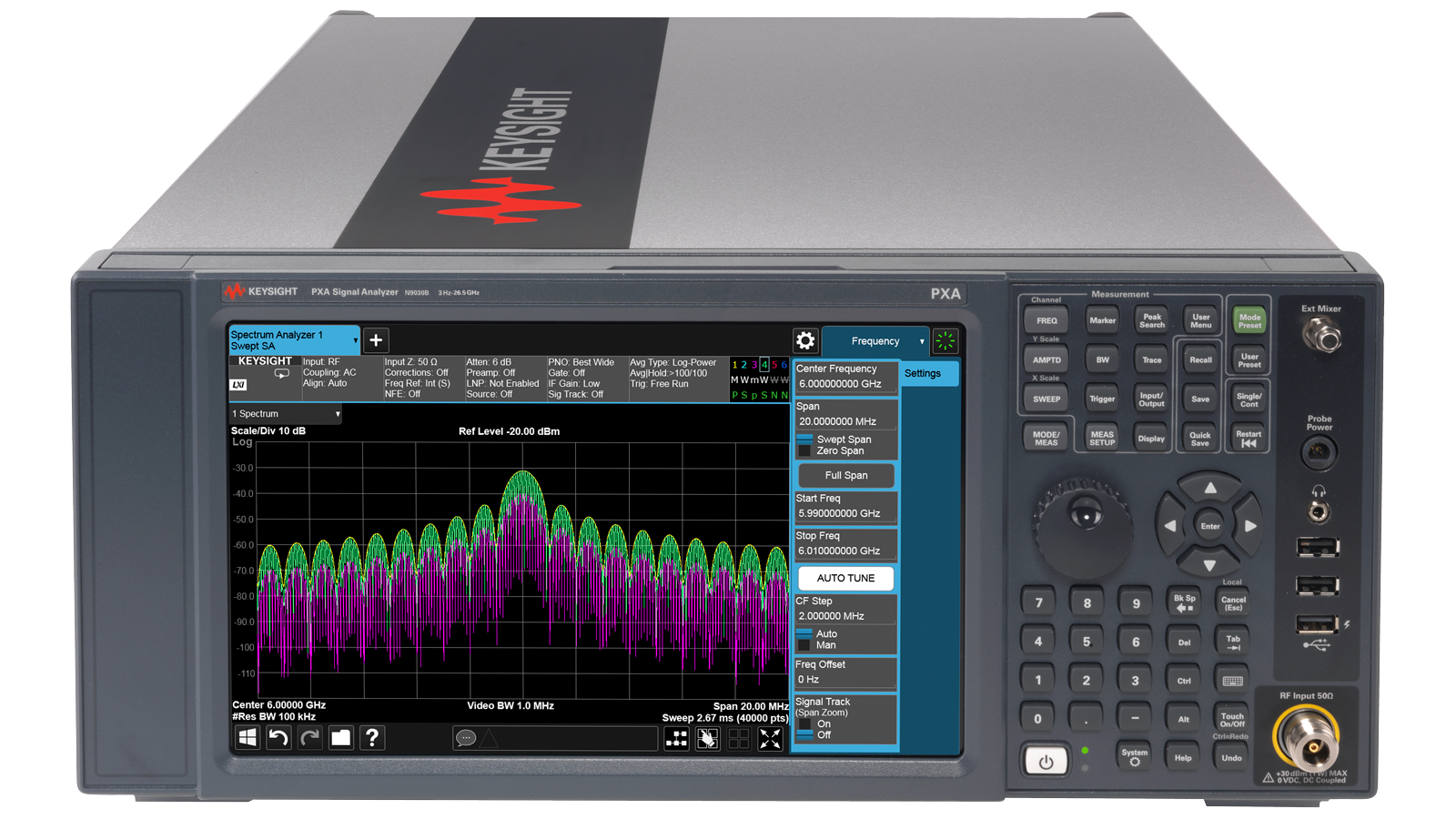
Improve performance across the entire workflow from satellite design and prototyping through orbit.
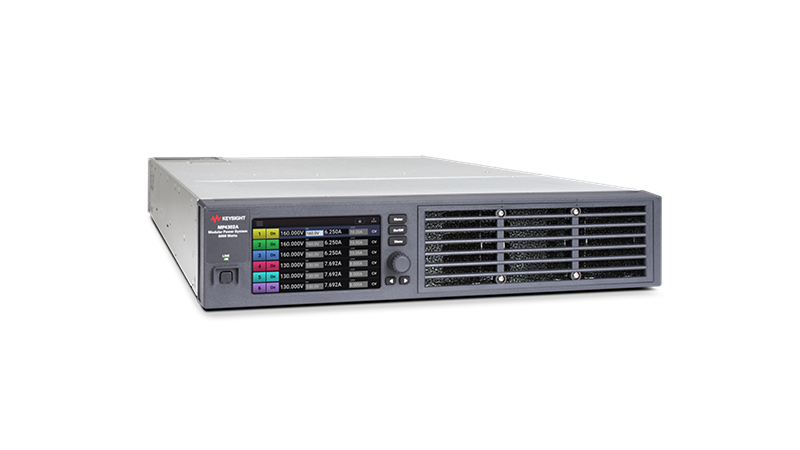
Perform Satellite Ground Testing
Use a solar array simulator to reproduce IV curve transitions, temperature and irradiation-driven behavior, and orbital effects.
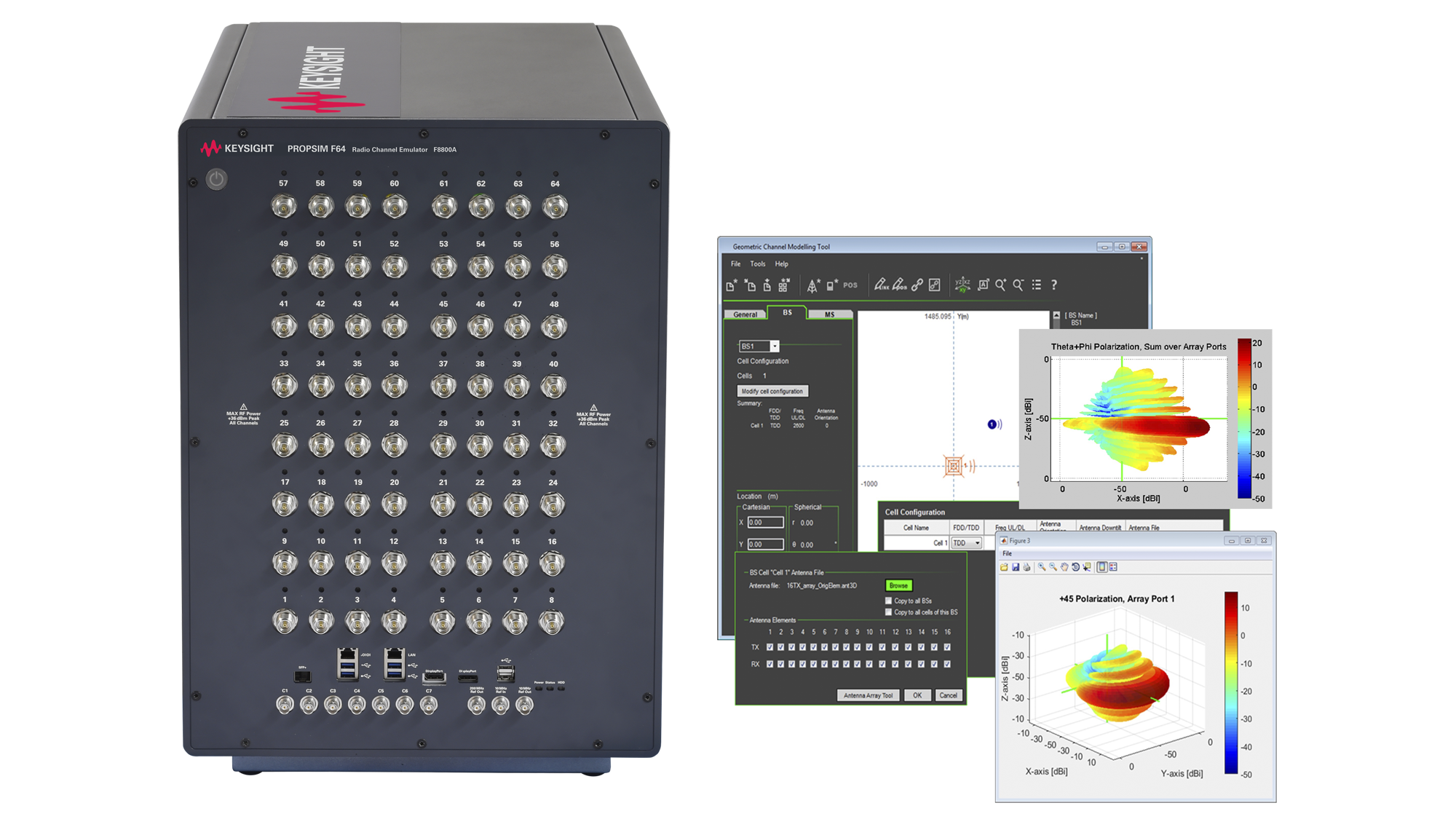
Re-Create Satellite Radio Links
Perform satellite, aerospace, and airborne radio link testing with realistic wireless propagation conditions.
Test and Calibrate Phased Array Antennas
Perform spherical antenna pattern measurements and phased array calibration with accuracy and speed.
Simulate Phased Array Antennas
Simulate time and frequency domain phased array creation and analysis including beamforming.

Test Digital Wideband Transceivers
Characterize digital wideband transceivers using digital / RF cross-domain stimulus response.

Accurately measure phase noise in satellite systems at the limits of physics with readings down to kT (-177 dBm/Hz).
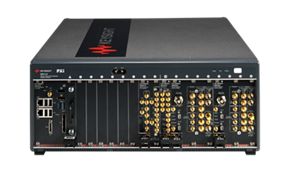

Design Satellite Missions
Simulate satellite-communications network protocols, traffic, routing, and cyber attacks and model data prioritization.
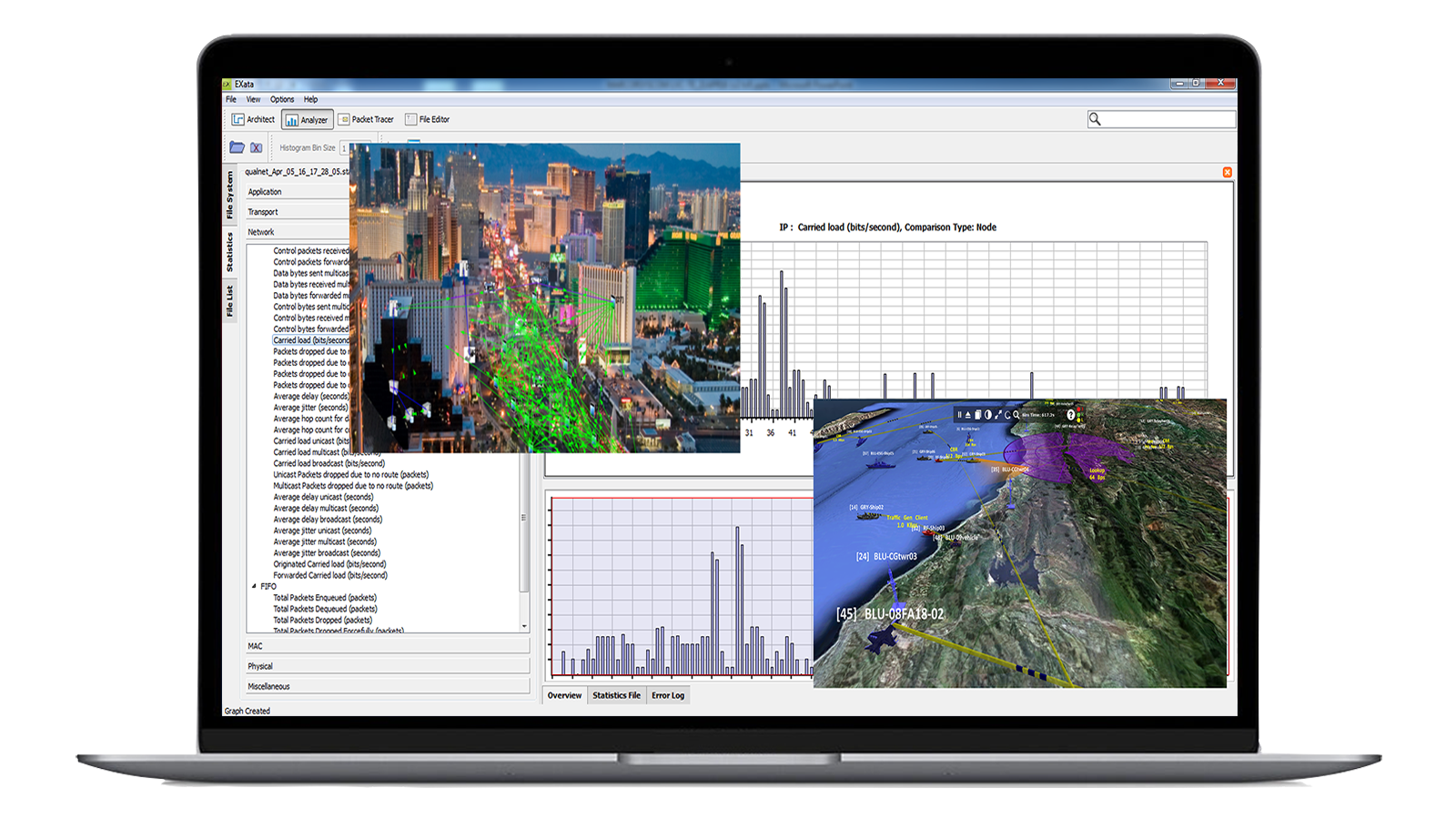
Model RF Satellite Systems
Leverage complete system simulation environment for RF, comms/DSP, and phased array.

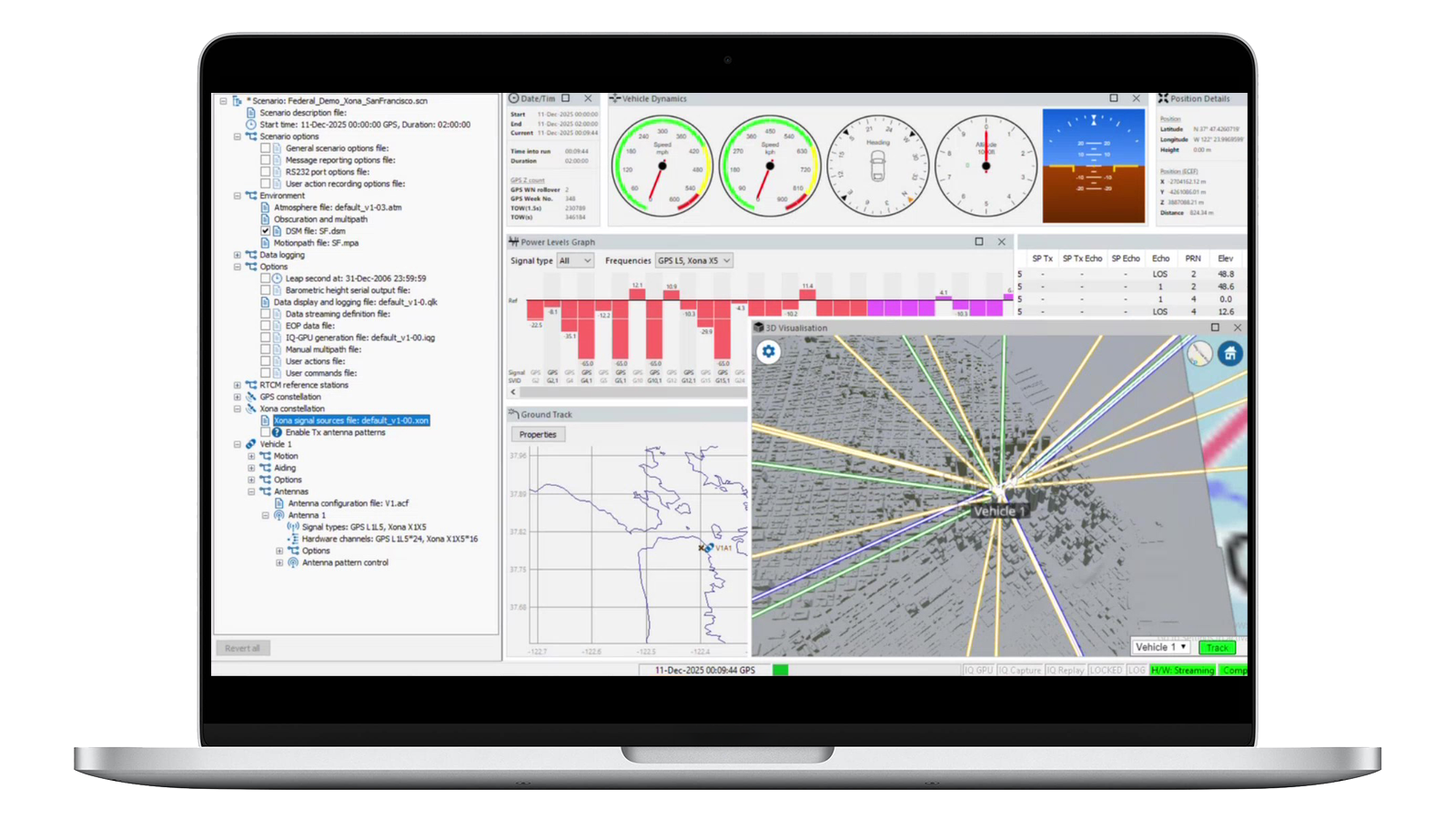
Test GNSS Receivers
Generate certified Xona Pulsar low Earth orbit PNT demo and production signals and create I/Q files.
Achieve compliance with the latest standards and demands while strengthening security and situational awareness.
Monitor and Analyze Signals in RF Environments
Perform signal capture, exploitation, and intelligence generation within a unified environment.

Classify RF Signals in the Field
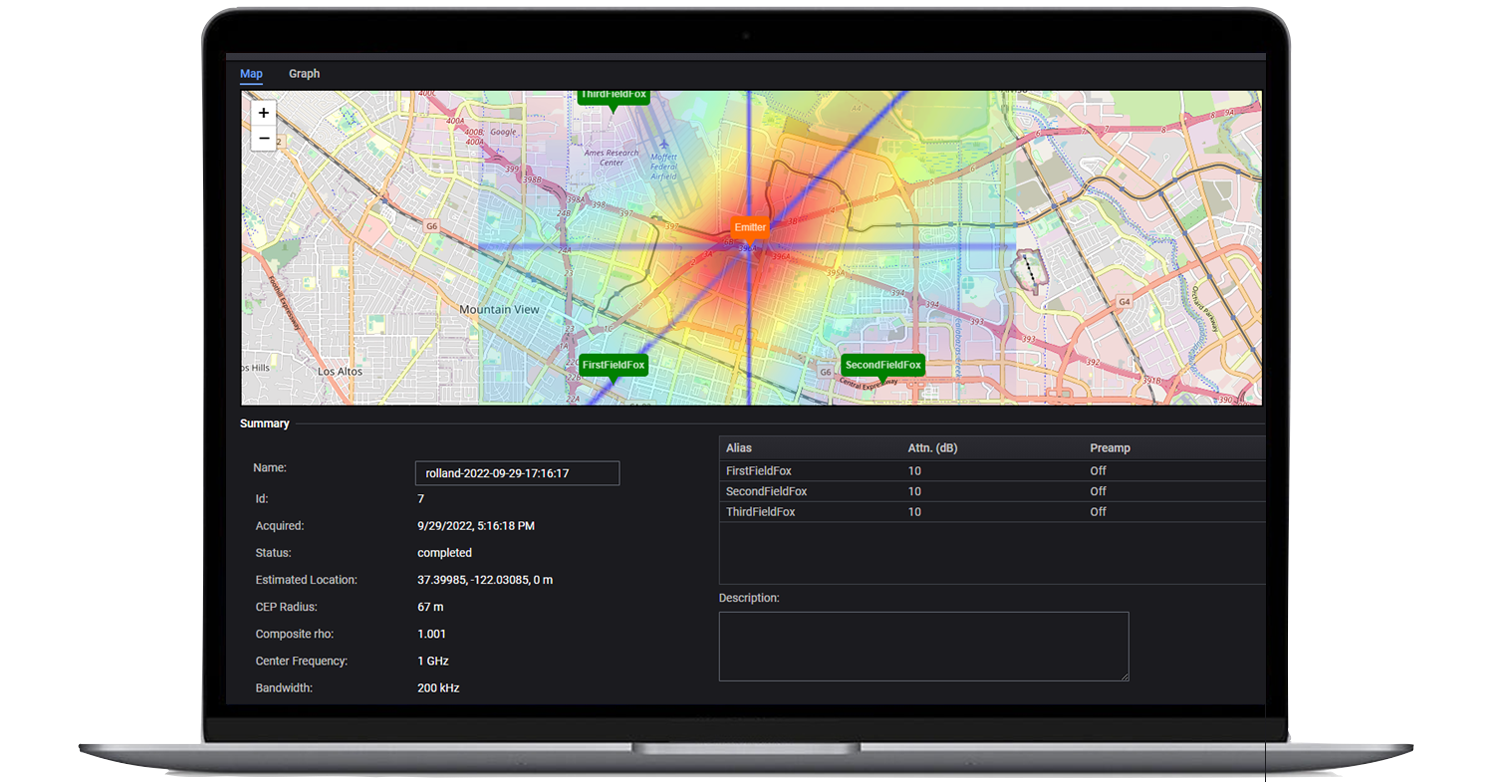
Manage spectrum, measure utilization, and identify interference with spectrum trace and TDOA.
Test Network Resilience
Simulate high-demand scenarios, cyber threats, and infrastructure stress across multiple network layers.

Develop Cyber Situational Awareness
Improve situational awareness with realistic and detailed models of the exact mobile network.

Perform Signal Search and Survey
Perform signal search, classification, and emitter location with option of long-term data and IQ capture.
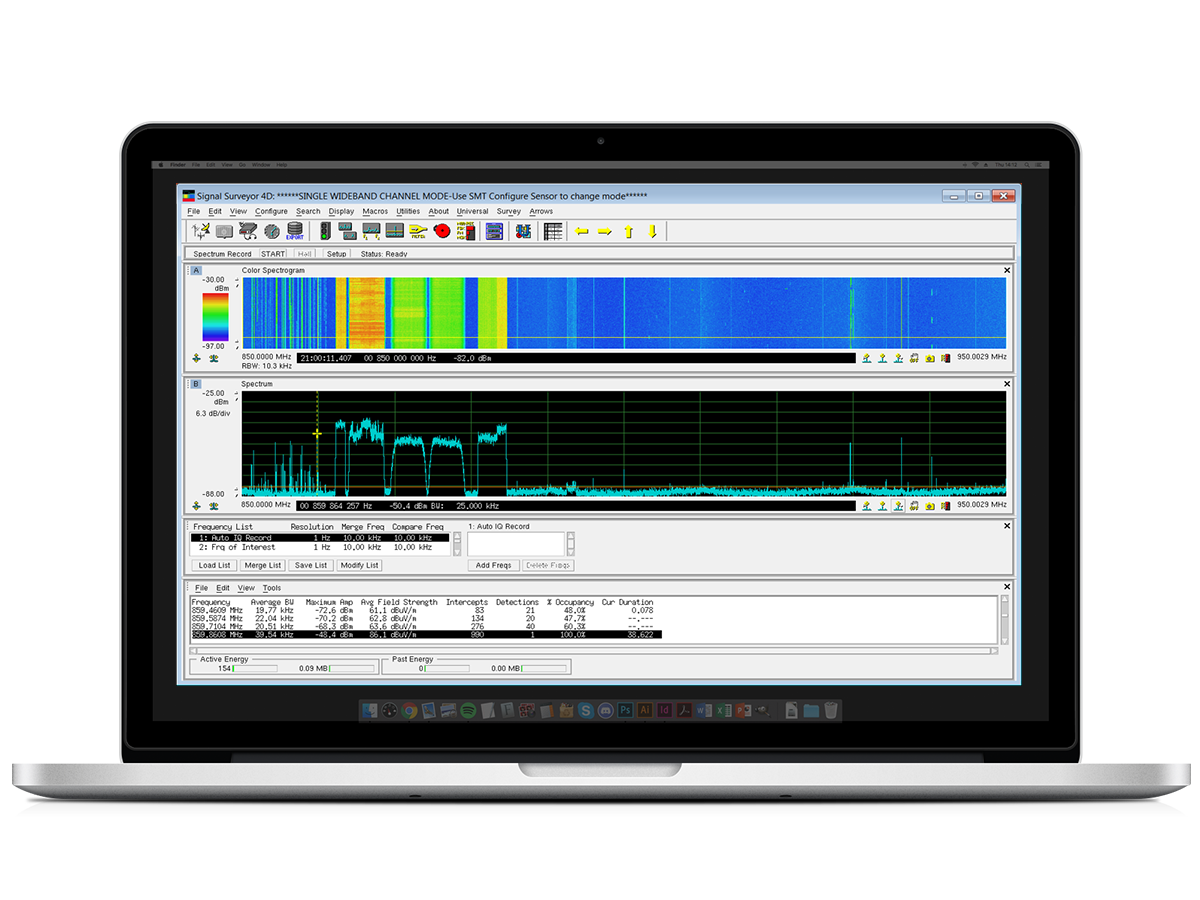
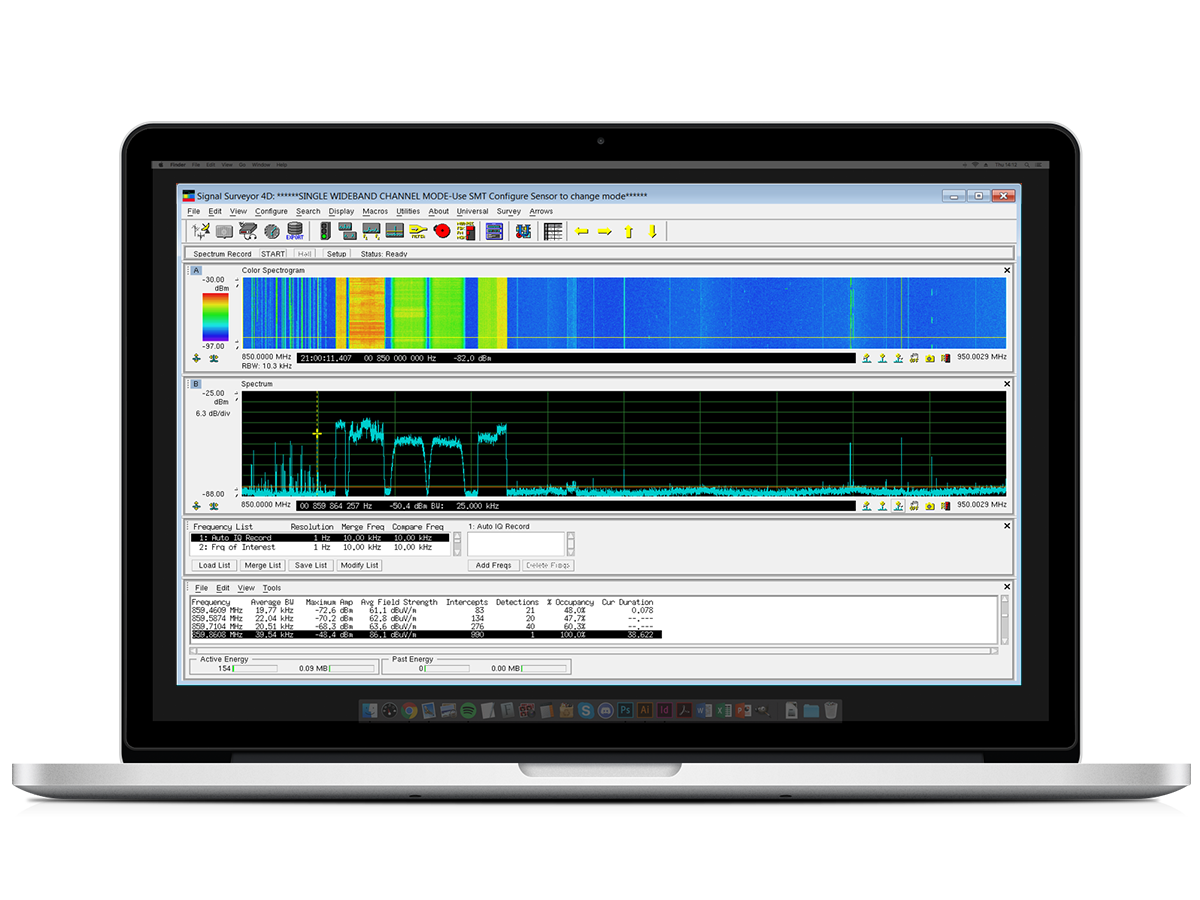
Test Tactical Radios
Easily test various formats with access to multiple instruments and critical measurements on one screen.

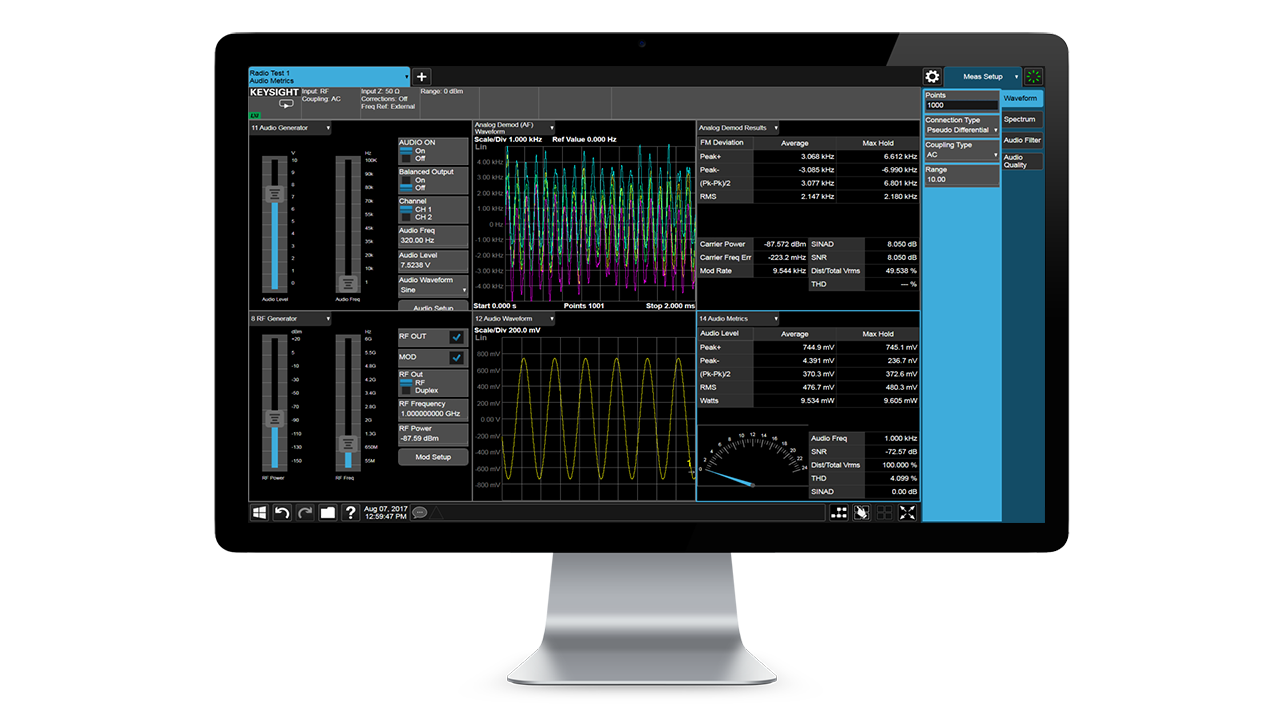
Measure Radio Performance
Access a variety of tools to make analog demodulation faster, easier, and more accurate.
Analyze Over-the-Air Transmissions
Gain visibility into protocol and PHY interaction in wireless transmissions to troubleshoot problems.
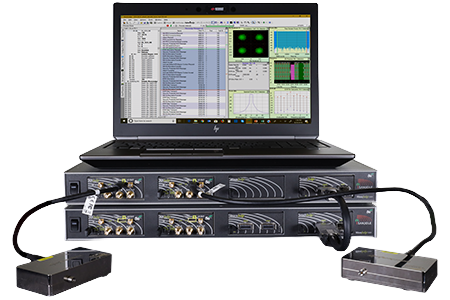
Emulate RAN Performance
Assure end-to-end RAN performance by emulating real network traffic over radio and O-RAN fronthaul interfaces.

Reduce risk and speed radar development across frequencies, signal formats, modulation schemes, and bandwidths.
Characterize Radar Pulses
Analyze FM linear chirp, frequency hopping, or pulsed RF signals across domains.

Test Phased Array Antennas
Perform spherical antenna pattern measurements and phased array calibration with accuracy and speed.

Characterize Pulse Fidelity
Move from detection to knowing pulse quality, signature consistency, and spectral behavior.
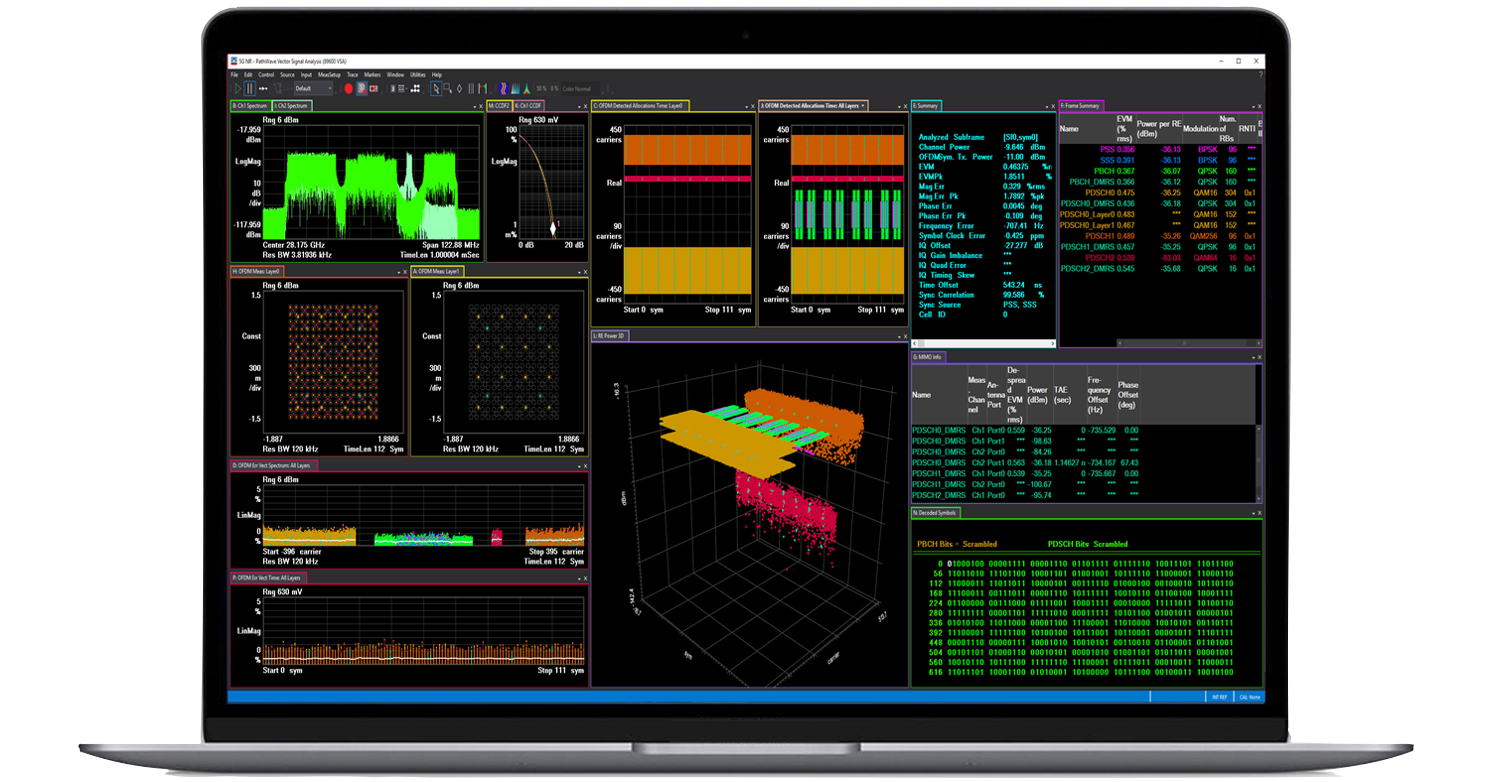
Record Ultra Wideband RF Signals
Analyze signals over wider bandwidths and reduce measurement uncertainty with noise floor extension.
Validate resilient PNT performance across GNSS, complementary PNT, and RF threat environments.
Test PNT Device Performance
Verify precision, navigation, and timing performance across devices, satellite systems, and lifecycle stages.

Emulate PNT Hardware
Get multi-frequency, multi-GNSS simulation that delivers reliable results faster.

Simulate PNT Signals and Threats
Gain scalable PNT simulation for GNSS testing and anti-jamming antenna evaluation.
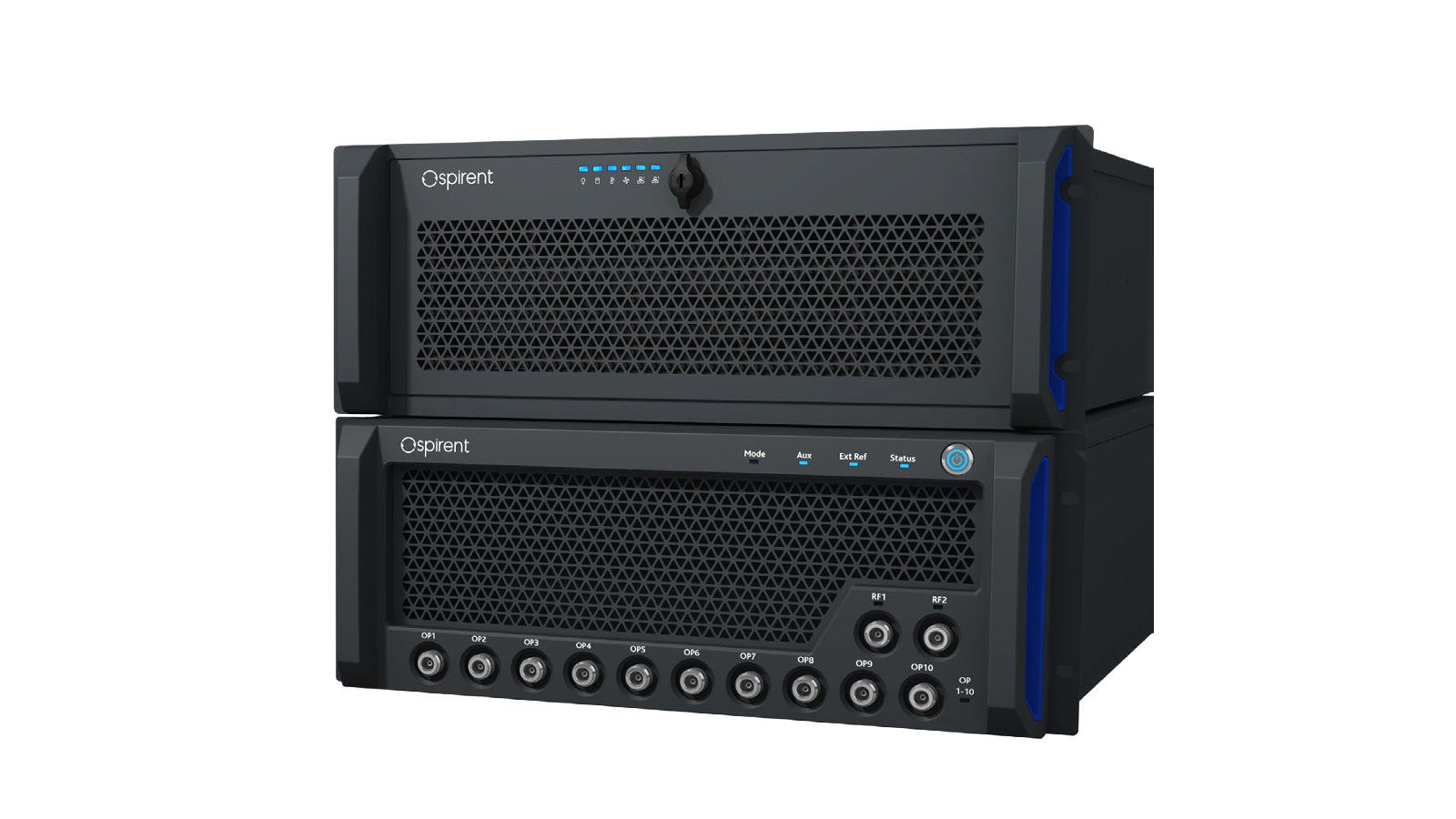
Model PNT Performance
Use modular GNSS software for scenario definition, signal control, and receiver testing.
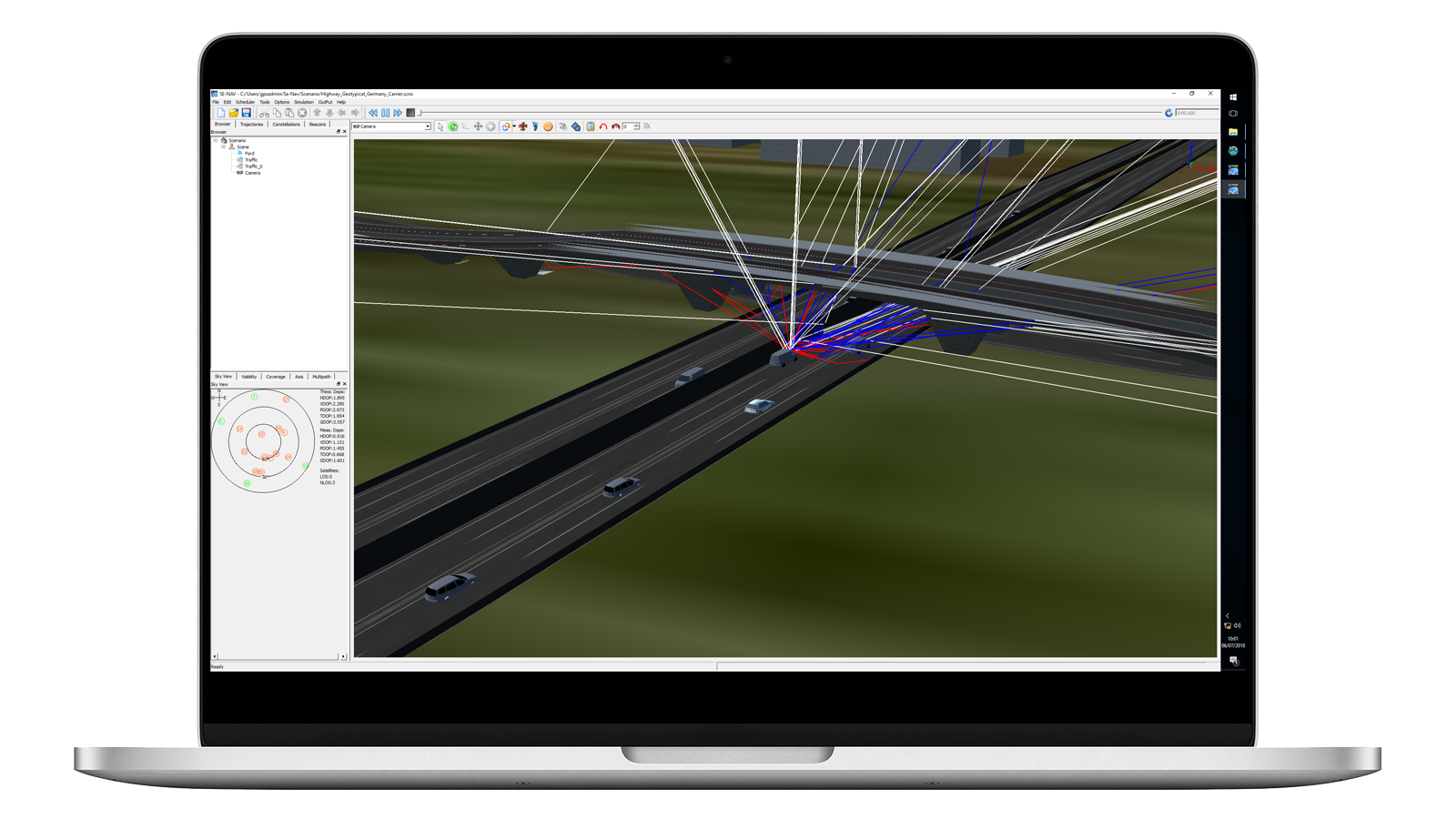
Power the Future of Defense
From electromagnetic spectrum dominance to secure communications, space, and radar, Keysight gives defense innovators the insight to move faster—modeling, testing, and validating every system before it ever reaches the field.
Explore Aerospace and Defense Use Cases
Discover Aerospace and Defense Resources
Aerospace and Defense FAQs
Aerospace and defense modernization refers to the rapid innovation of defense technologies supporting higher performance and enhanced capabilities. Modernization is accelerating at an unprecedented pace, driven by the need to outmatch evolving threats in contested, congested environments. Aerospace and defense programs are increasingly leveraging commercial technologies, such as 5G, AI, cloud-based simulation, and modular open architectures, to keep pace with rapid innovation cycles and budget constraints. This convergence of defense and commercial ecosystems enables scalable, software-defined solutions that support interoperability, faster upgrades, and mission-level realism. From fully digital phased arrays and cognitive radar to spectrum-aware autonomous systems and secure satellite networks, modernization strategies now prioritize adaptability, resilience, and cost efficiency. By integrating proven commercial advancements into military platforms, defense organizations can shorten development timelines, enhance readiness, and maintain technological superiority in an era where agility and collaboration are strategic imperatives.
As a leader in commercial and defense test technologies, Keysight is at the forefront of the defense modernization efforts. Providing commercial-off-the-shelf (COTS) test capabilities to the defense industry quicker, to meet the rapidly evolving defense ecosystems and environments.
The term “electronic warfare” (EW) refers to the use of the electromagnetic (EM) spectrum by the defense industry. Methods to prevail in the EM spectrum continue to advance, exposing military personnel and assets to potential threats. EW systems must anticipate adversary threats and generate countermeasures in this challenging environment. As a result, threat simulation technologies must be able to replicate realistic EM spectrum environments to validate EW system capabilities and identify potential risks.
EW testing involves evaluating systems and components that detect, counter, or exploit electromagnetic signals in military environments. It requires simulating realistic threat scenarios using advanced signal generation, real-time analysis, and synchronized hardware/software platforms to validate performance in detecting threats, jamming communications, and integrating across air, sea, and land platforms.
Keysight’s Electronic Warfare Advanced Simulation Platform (EWASP) supports this by enabling scalable, adaptable testing environments for defense applications, including training, reprogramming, and R&D. The goal is to ensure readiness and superiority in dynamic electronic threat landscapes.
Radar (radio detection and ranging) uses RF or microwave transmitters and receivers to determine the range, angle, or velocity of a variety of objects including aircraft, ships, spacecraft, guided missiles, motor vehicles, weather formations, and even terrain. Radar detects distant objects by transmitting some electromagnetic (EM) energy from an antenna. The RF or microwave systems propagate outward through space and part of that energy is reflected back when they hit an object. Radar systems measure that reflected energy to determine factors like how far away the object is or the velocity at which it is moving.
Defense radar is undergoing a major architectural shift as programs accelerate the adoption of fully digital phased arrays. The move away from traditional analog beamforming is enabling orders-of-magnitude improvements in agility, instantaneous bandwidth, and simultaneous multi-mission operation. This shift is driven by the need to detect and track low-radar cross section (RCS), highly maneuverable threats in more congested and contested environments.
At the same time, radar and electronic warfare architectures are beginning to converge. Modern systems increasingly integrate sensing, jamming, communications, and spectrum awareness into a unified digital backbone. This is reshaping how defense primes architect their next-generation platforms and placing new pressures on system integration, synchronization, and digital calibration workflows.
Looking ahead, the industry is preparing for a decade of unprecedented radar complexity, where software-defined architectures, scalable digital tiles, and heterogeneous processing will become the norm across air, land, sea, and space domains.
Satellite testing refers to a wide range of approaches used to measure satellite performance, reliability, and safety throughout satellite design, manufacturing, and launch. Satellites, particularly in the lower earth orbit (LEO), support increasingly complex use cases such as direct-to-handset (DTH) and sensing capabilities from the extreme environment of space. In the face of radiation, temperature fluctuations, and mechanical stresses during launch, testing helps to validate communication links, data handling, and payload performance to prevent costly mission failure and ensure satellite performance. Keysight can help you accelerate the speed of space and satellite design, test, and manufacturing while maintaining a high quality of service.
Modern radar and communication systems rely on phased arrays to provide essential capabilities such as beamforming and beam steering. Beamforming offers numerous advantages for wireless communication links including reduced interference, increased range, expanded number of services, and improved security. The phased array antenna performs beam steering through algorithms manipulating the independent phase and amplitude fed into each antenna element. Controlling the phase between elements steers the beam in a specific direction while controlling the amplitude shapes the beam pattern and reduces sidelobe levels. Modern phased array antennas beam steer electronically, so engineers commonly refer to phased arrays as electronically scanned arrays (ESAs). Architectures such as active ESA (AESA) rely on advanced materials such as gallium nitride (GaN) to achieve greater performance in beamforming and beam steering for modern radar systems. Keysight has solutions to address all phases of developing a radar system from design to installation and verification.
Testing phased array antennas with high-accuracy calibration requires spherical antenna pattern measurements. A single test bed, including a vector network analyzer (VNA), a vector signal generator (VSG), a compact antenna test range (CATR), and multiple instrument software applications, enables a broad range of measurements while simplifying the calibration and test setup. The VSG supplies the required wideband modulated signal at high-carrier frequencies while a high-speed digital control interfaces with the phased array. The Standard Commands for Programmable Instruments (SCPI) parser integrates the beamforming circuit into the test system.
Combined with the CATR and hardware-in-the-loop test methods, the VNA provides the necessary level of measurement precision by applying vector-error correction and advanced calibration methods. VNA software applications enable the gain compression, gain-over-noise-temperature (G/T), and low residual error vector magnitude (EVM) measurements. These measurements are necessary for rapid and accurate AESA calibration and beamforming performance validation.
Let's Solve What's Next.
Book a meeting or demo with one of our experts