How to Choose a GNSS Simulator for Realistic Test Results

Evaluate GNSS Simulation Signal Quality
Selecting a Global Navigation Satellite System (GNSS) simulator requires evaluating more than channel counts and headline specifications. The test system must generate signals with sufficient accuracy and signal quality for the intended GNSS receiver task. Measurement uncertainty introduced by the simulator needs to remain distinguishable from errors produced by the device under test. For example, when evaluating a receiver expected to provide positioning accuracy on the order of ten meters, a simulator with approximately one-meter reliability provides the measurement margin needed to separate test-system error from receiver behavior. This relationship between DUT performance and simulator accuracy is an important consideration when establishing a GNSS test accuracy target.
Realistic GNSS simulation also requires engineers to consider how signal performance behaves across the operating conditions used during receiver testing. Signal quality and accuracy should remain consistent when simulated GNSS signals are generated at low power levels, rather than being judged only from nominal specifications. Engineers can therefore evaluate GNSS simulator performance using controlled, repeatable scenarios while examining whether the generated signals provide the required fidelity for the measurement. This approach makes GNSS signal quality, GNSS test accuracy, and repeatability part of the simulator-selection process and provides a controlled basis for GNSS receiver testing without relying on variable live-satellite conditions.

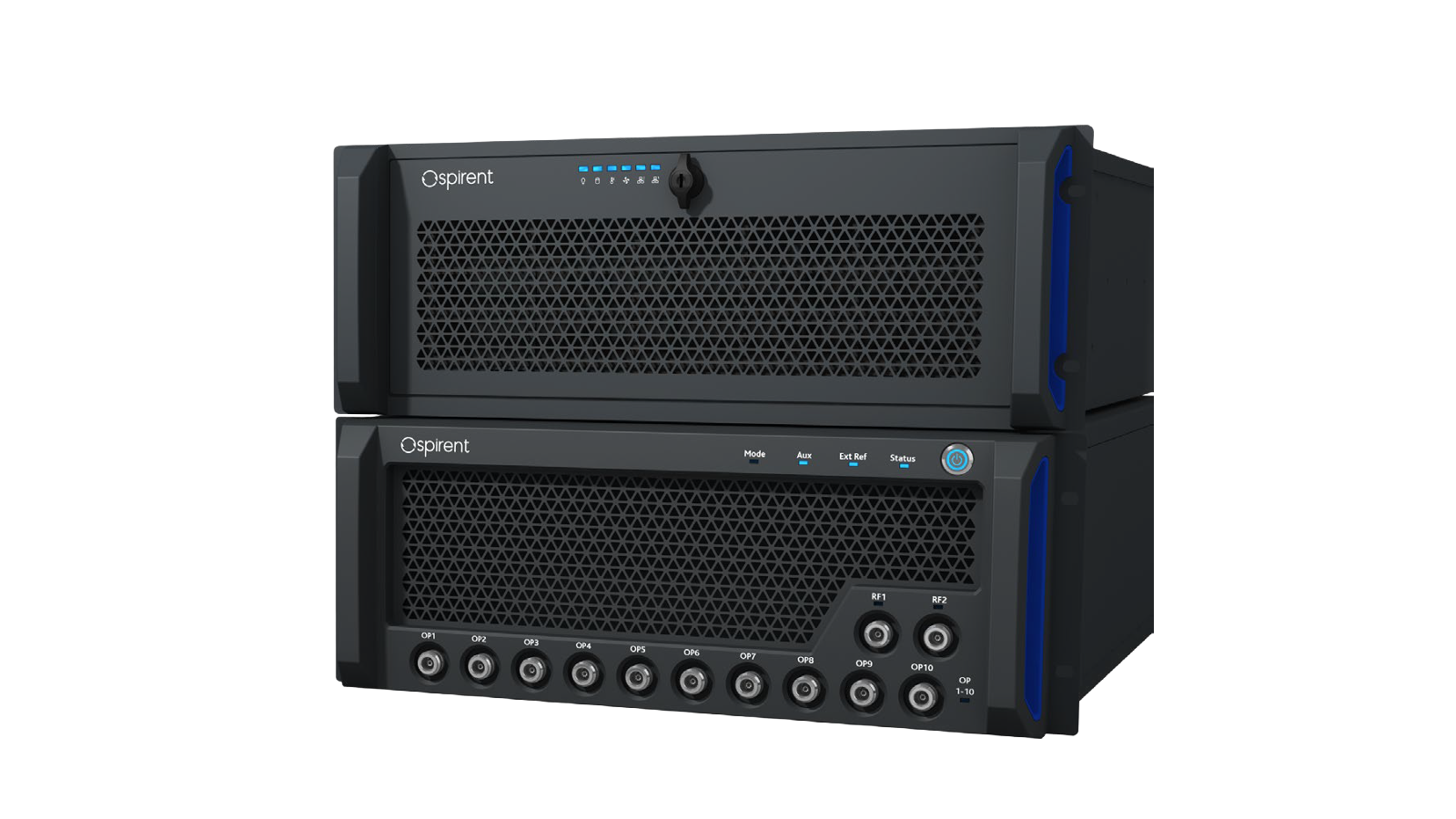
GNSS Simulation Solution
See Demo of PNT X GNSS Simulation
Explore Products in Our GNSS Emulation Portfolio
-

![]()
PNTX100A PNT X
-

![]()
PNT7000A PNT GSS7000
-

![]()
PNTXE100A PNT Xe Simulation System

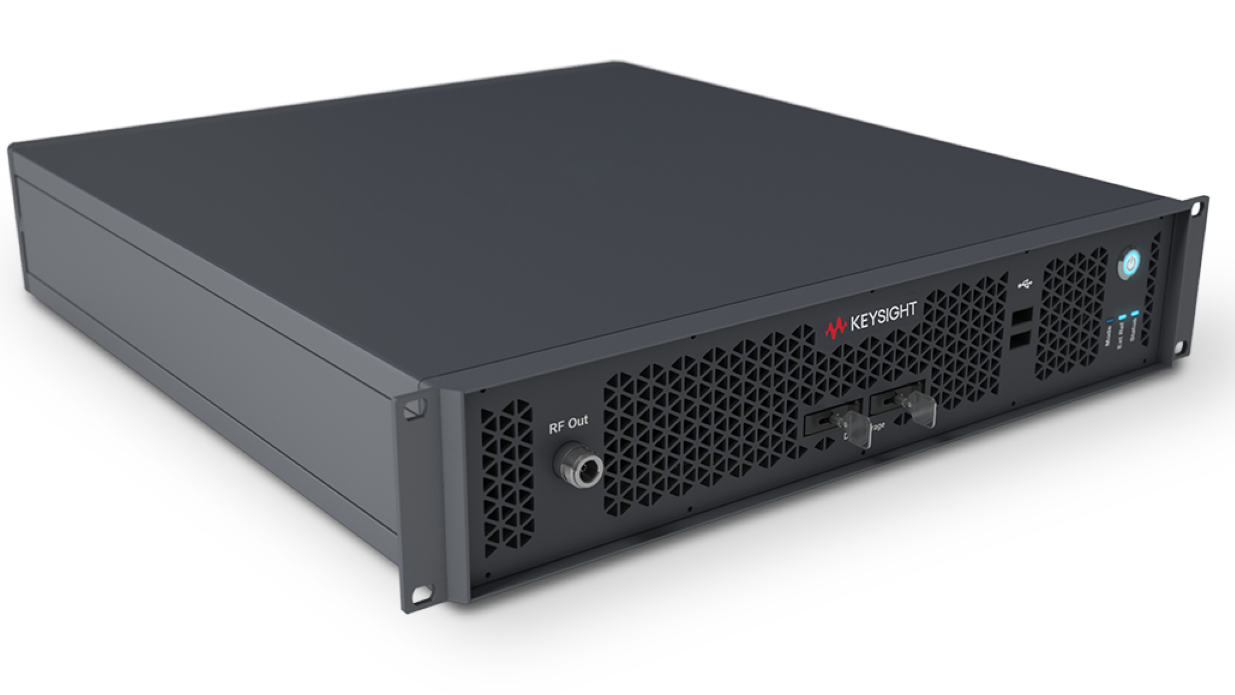

Discover Resources and Insights
Additional Resources for GNSS Simulation
Related Use Cases


-
![]()
Learn More
How to Measure Phased Array Radiation Patterns
Measure phased array radiation patterns, beamwidth, sidelobes, gain, and polarization using compact-range over-the-air testing.
Learn More

-
![]()
Learn More
How to Validate GNSS Receivers in Production
Ensure reliable and repeatable Global Navigation Satellite System (GNSS) receiver testing on the production line with Keysight PNT Xe. Discover how controlled GNSS signal simulation helps manufacturers overcome inconsistent live-satellite testing conditions, accurately validate receiver performance, and improve pass/fail confidence. By enabling consistent test scenarios, PNT Xe helps reduce unnecessary retesting, streamline production workflows, and support efficient, cost-effective GNSS testing at scale.
Learn More
-
![]()
Learn More
How to Scale GNSS Testing with Simulation
Accelerate GNSS testing across the engineering team with Keysight PNT Xe: high-fidelity GNSS simulation using a scenario assistant workflow tool to simplify and modify test scenarios, without compromising RF quality.
Learn More

Get in Touch with One of Our Experts
Need help finding the right solution for you?