How to Characterize Nitrogen-Vacancy Center Ensembles

Characterize Nitrogen-Vacancy Center Spin Dynamics
Researchers use nitrogen-vacancy (NV) center ensembles for quantum sensing, magnetometry, and quantum information research. They typically begin nitrogen-vacancy center characterization by acquiring an Optically Detected Magnetic Resonance (ODMR) spectrum. In this measurement, a green laser excites the NV ensemble while a microwave signal sweeps across a range of frequencies, and a photodetector and digitizer measure changes in fluorescence. The resulting ODMR spectrum reveals the spin resonance frequencies needed for subsequent spin dynamics and coherence measurements.
After identifying the resonances, researchers use synchronized laser and microwave pulse sequences to measure longitudinal relaxation (T₁), Rabi oscillations, Ramsey fringes, spin echo sequences, and other coherence metrics. These experiments require precise coordination of microwave control, optical excitation, and fluorescence readout while varying experimental parameters. More advanced measurements, including 2D Rabi experiments and dynamical decoupling sequences, add multidimensional parameter sweeps and tailored pulse patterns that suppress environmental noise and evaluate spin coherence under different conditions.

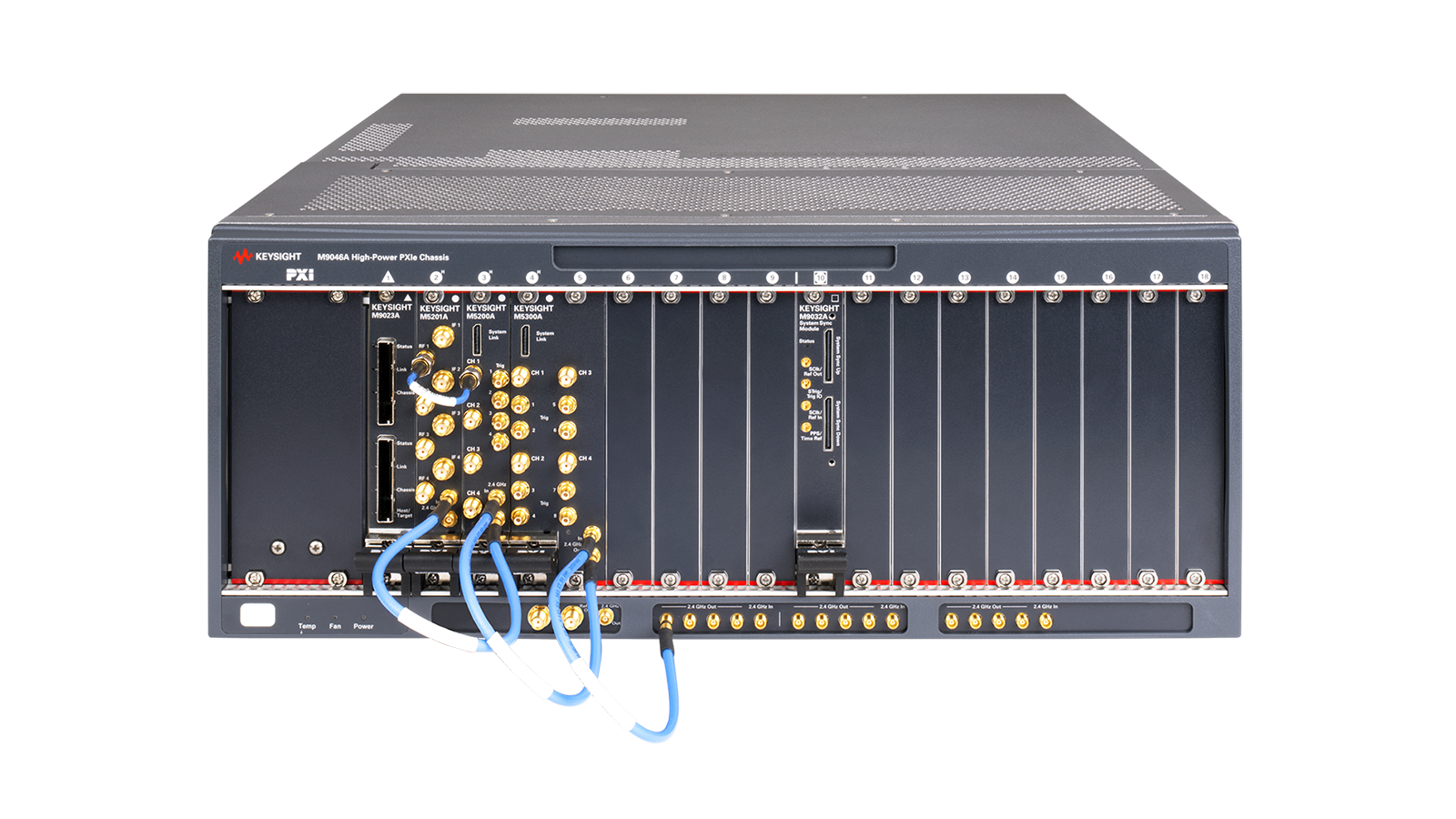
Nitrogen-Vacancy Center Characterization Solution
See Block Diagram of Nitrogen-Vacancy Center Characterization Solution


Explore Products for Our Nitrogen-Vacancy Center Characterization Solution
-

![]()
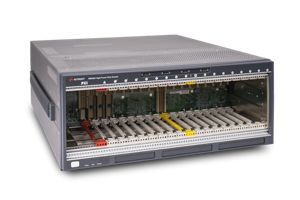
M9046A PXIe Chassis: High-Power, 18-slot, 24 GB/s
-
![]()
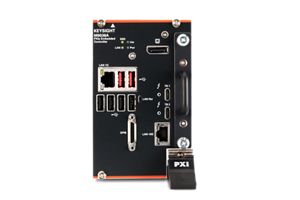
M9038A PXIe High Performance Embedded Controller: 6-Core
-
![]()
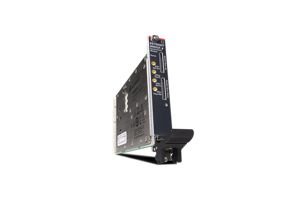
M9032A PXIe System Sync Module, 2 Port
-
![]()
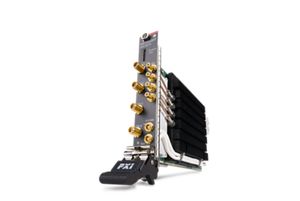
M5301A PXIe Precision AWG: 4 Channels, 400 MHz
-
![]()
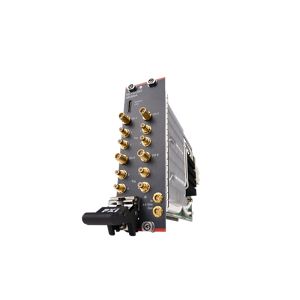
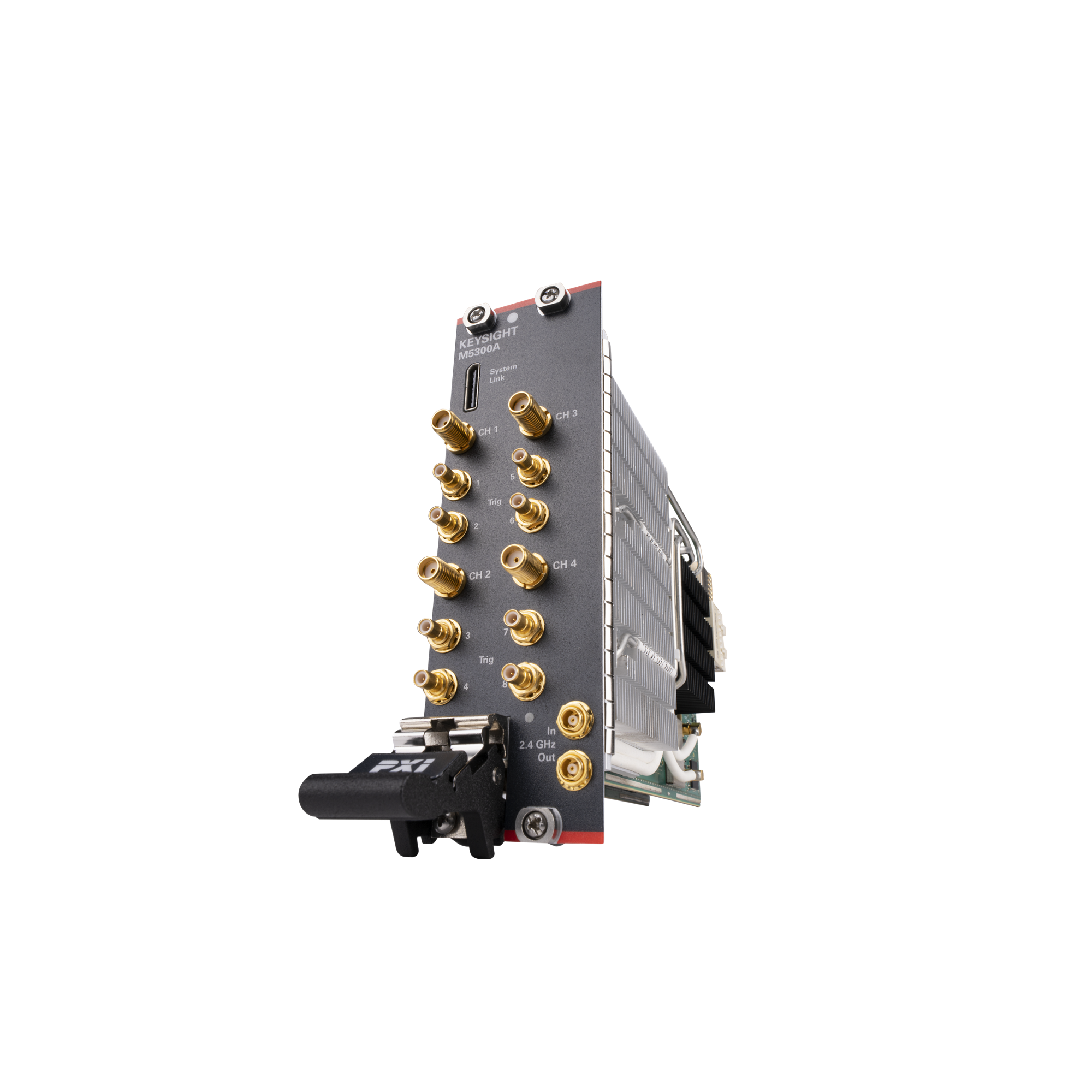
M5300A PXIe RF AWG: 4 Channels, DC-16 GHz, 2 GHz IBW
-
![]()
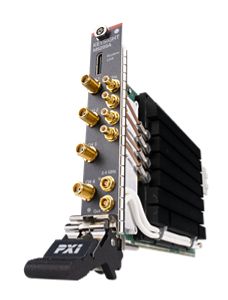
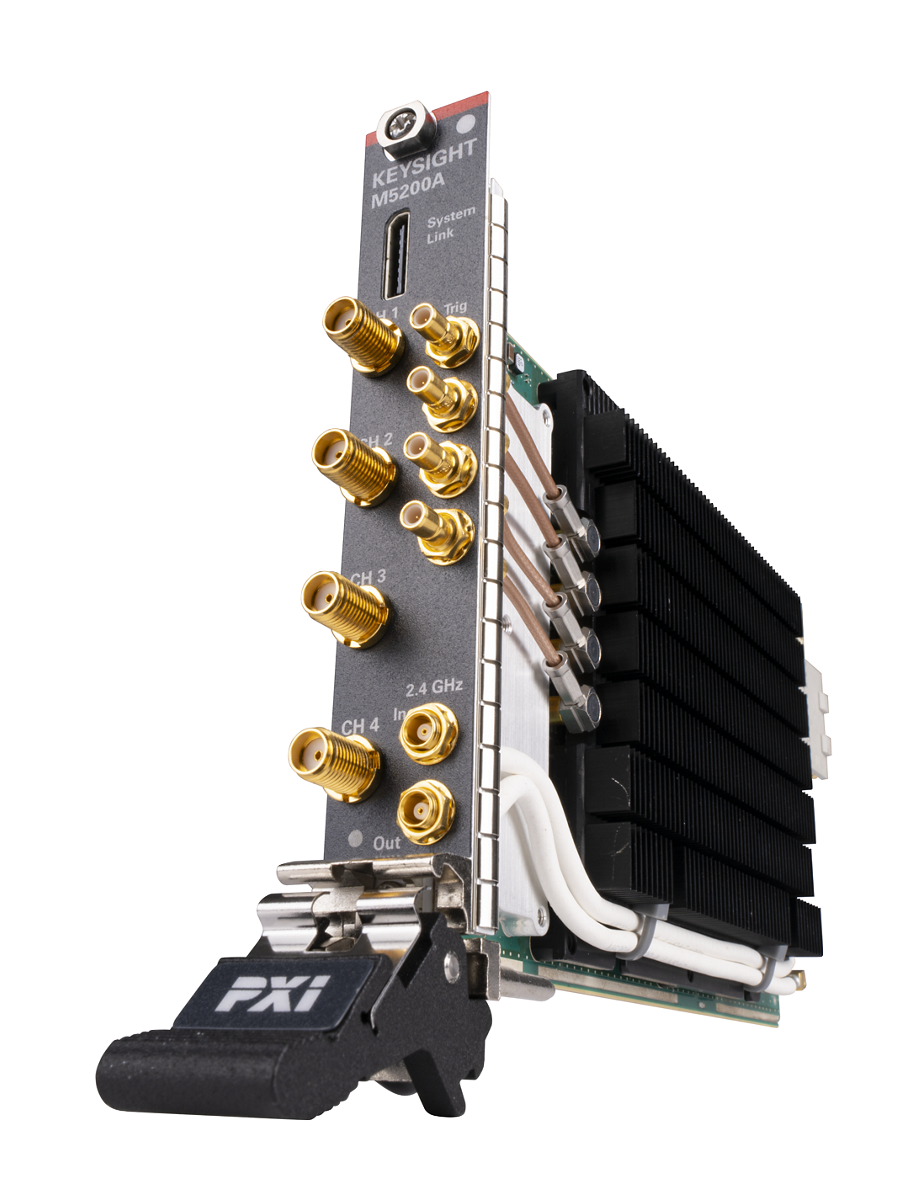
M5200A PXIe Digitizer: 4 Channels, 2 GHz, 12-bit



Discover Resources and Insights
Additional Resources for Nitrogen-Vacancy Center Characterization
Related Use Cases


-
![]()
Learn More
How to Characterize Qubit Coherence Times
Measure qubit coherence time with T₁ relaxation and Ramsey T₂ dephasing measurements using synchronized quantum control, pulse sequencing, and readout.
Learn More

-
![]()
Learn More
How to Control and Read Out Qubits
Generate microwave qubit control signals, execute programmable pulse sequences, and perform synchronized qubit readout and measurement acquisition.
Learn More
-
![]()
Learn More
How to Automate PCB Impedance Validation
Automate PCB impedance validation with the Keysight E5063A Essential Vector Network Analyzer, guided Test Wizard workflows, and PC-based remote control software.
Learn More

Get in Touch with One of Our Experts
Need help finding the right solution for you?