How to Measure Average Pulse Power with a Handheld Power Meter

Measure Average Pulse Power
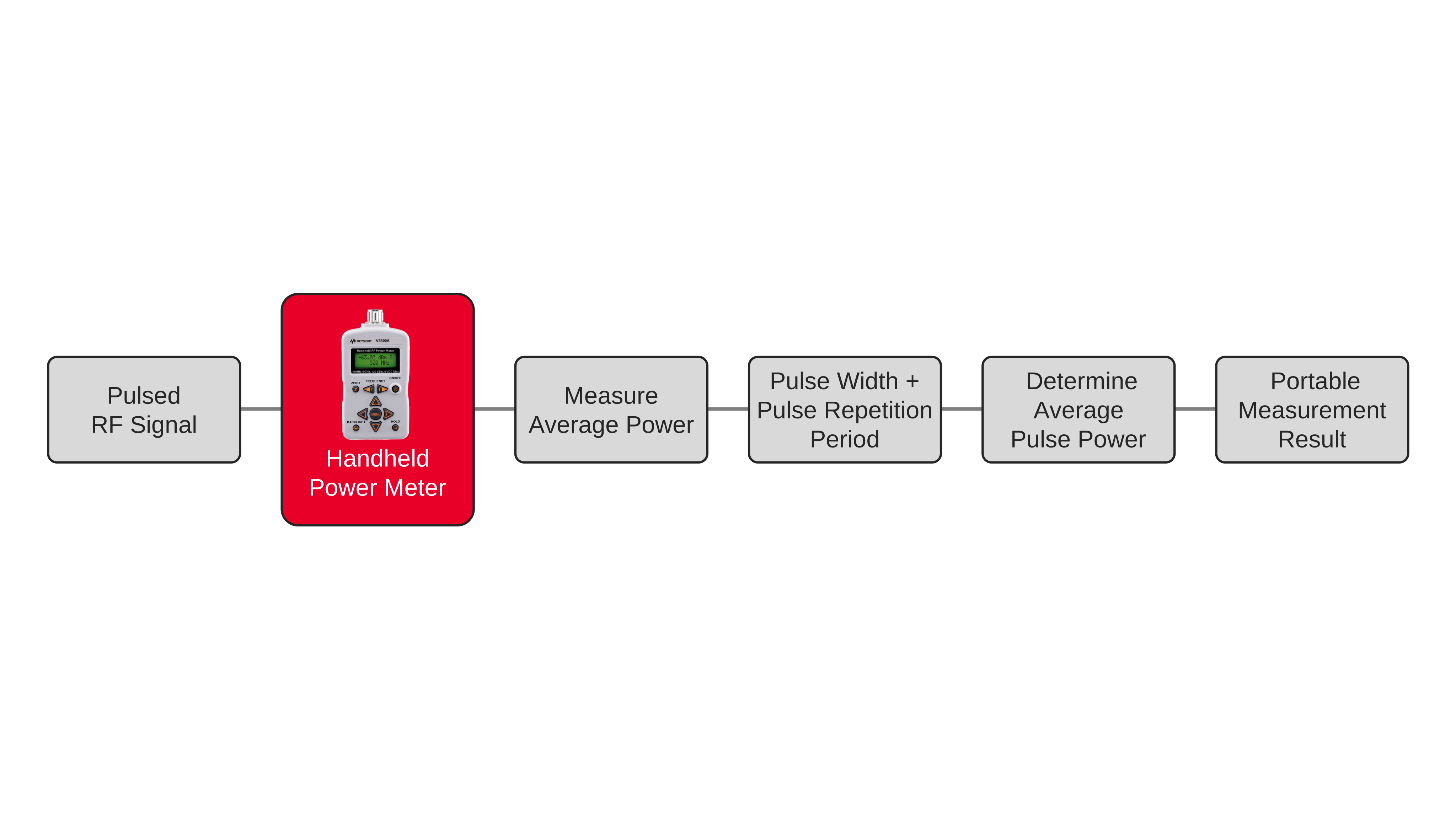
Measuring average pulse power in a pulsed RF signal requires accounting for the relationship between average power and pulse timing. Unlike continuous-wave signals, pulsed signals alternate between active and inactive intervals, so power averaged over the full pulse repetition period differs from power during the active portion of the pulse. Engineers therefore need pulse width and pulse repetition period, or equivalent duty-cycle information, together with measured average power to calculate average pulse power. This approach is appropriate when pulse timing is known and the objective is average pulse power rather than peak power or detailed analysis of the pulse envelope.
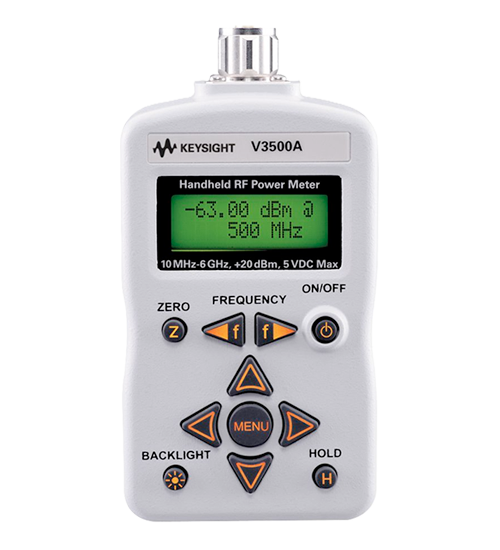
The measurement setup can use a handheld RF power meter with an integrated sensor to acquire the average power of the pulsed signal. Engineers set the signal frequency, verify that applied power falls within the supported measurement range, and measure average power across repeated pulse cycles. The known pulse timing information is then combined with the measured average value to calculate average pulse power. This portable approach eliminates the need for a separate sensor and benchtop power meter, making it practical for field or space-constrained measurements while maintaining a clear distinction between average pulse power and instantaneous peak power.

Average Pulse Power Measurement Solution
See Block Diagram of Average Pulse Power Measurement Solution

Explore Products in Our Average Pulse Power Measurement Solution
-

![]()
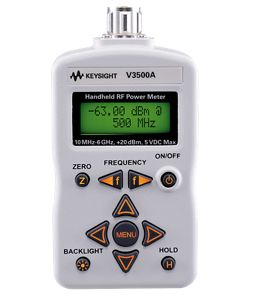
V3500A Handheld RF Power Meter


Discover Resources and Insights
Additional Resources for Average Pulse Power Measurement
Related Use Cases

-
![]()
Learn More
How to Perform Burst Power Measurement
Measure burst RF signal power using time-gated averaging with power meters, sensors, and automated control software for TDMA systems.
Learn More

-
![]()
Learn More
How to Measure RF Power During Rapid Amplitude Switching
Measure RF power during rapid amplitude transitions using a power meter, fast-response sensors, continuous acquisition, and automated measurement techniques.
Learn More
-
![]()
Learn More
How to Measure Average Power of Frequency-Hopping Signals
Measure average RF power of frequency-hopping signals using power meters, sensors, and time-aligned measurement techniques for accurate results.
Learn More

Get in Touch with One of Our Experts
Need help finding the right solution for you?