The Proliferation of Distributed Energy Resources
Traditional power utilities are being augmented, and in some cases even replaced by distributed energy resources (DERs) and inverter-based resources (IBRs) that introduce state-of-the-art power, communication, and predictive technologies to dramatically boost energy efficiencies and reduce energy costs.
But they bring several additional complexities and risks of their own. In this eBook for power engineers and professionals, we explore electric vehicles (EVs) as distributed energy resources as vehicle-to-grid or V2G gathers momentum. We also highlight technical aspects of using the EV as a DER, the operational challenges, and Keysight's solutions to streamline DER management.

What are Distributed Energy Resources?
Traditional vs Connected Smart Grids

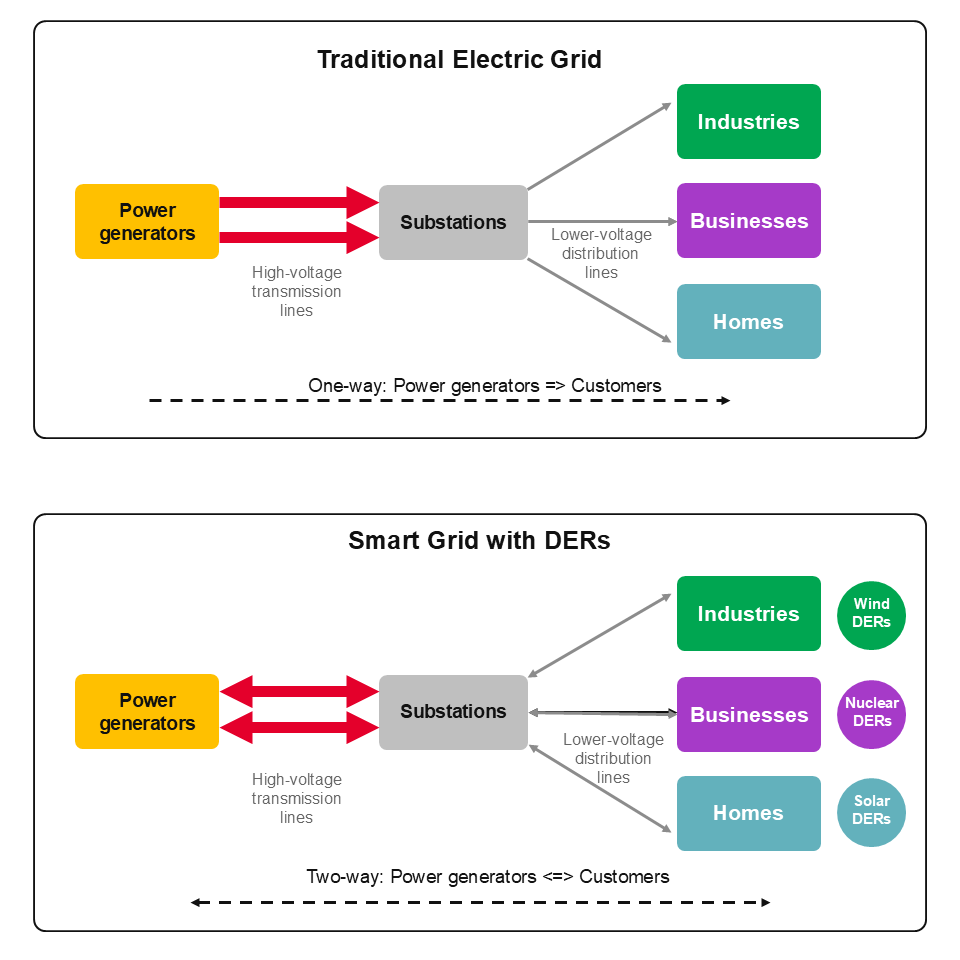
Distributed energy resources are power infrastructure components that are neither centrally located nor exclusively managed by traditional electric utilities. Instead, they consist of many small-scale power generation, energy storage, and demand management units operated by multiple entities that function together as a decentralized system. Many DERs are inverter-based resources (commonly called IBRs), meaning they use power electronic devices called inverters to convert and control the electricity supplied to the grid.
Traditional electric grids are designed for one-way power flow from large central power plants down to consumers over high-voltage transmission lines and lower-voltage distribution systems. DERs fundamentally overturn this approach through two-way power flow, with generation and storage installed close to the points of consumption. Some DERs are connected to the main distribution grids to add capacity when electricity demand peaks, while others are behind-the-meter systems that supply additional on-site power within a customer's premises.
A microgrid is a special type of DER that is self-contained and typically consists of many smaller DERs. A microgrid is either connected to the main grid or operates independently as an island.
DER and IBR systems include:
- rooftop solar photovoltaic (PV) panels and inverters
- hydroelectric systems
- biomass energy systems
- small wind turbines
- fuel cells
- combined heat and power (CHP) cogeneration
- nuclear small modular reactors (up to a few tens of megawatts)
Energy storage systems include:
- battery storage systems
- thermal storage approaches, like water heaters, molten salts, phase-change materials, and thermochemical reactions
Examples for demand management DERs are:
- electric vehicles (EVs), hybrid EVs (HEVs), and vehicle-to-grid (V2G) systems
- industrial loads based on grid conditions or real-time pricing
- smart thermostats
- smart appliances
Why are DERs and IBRs Increasingly Important?
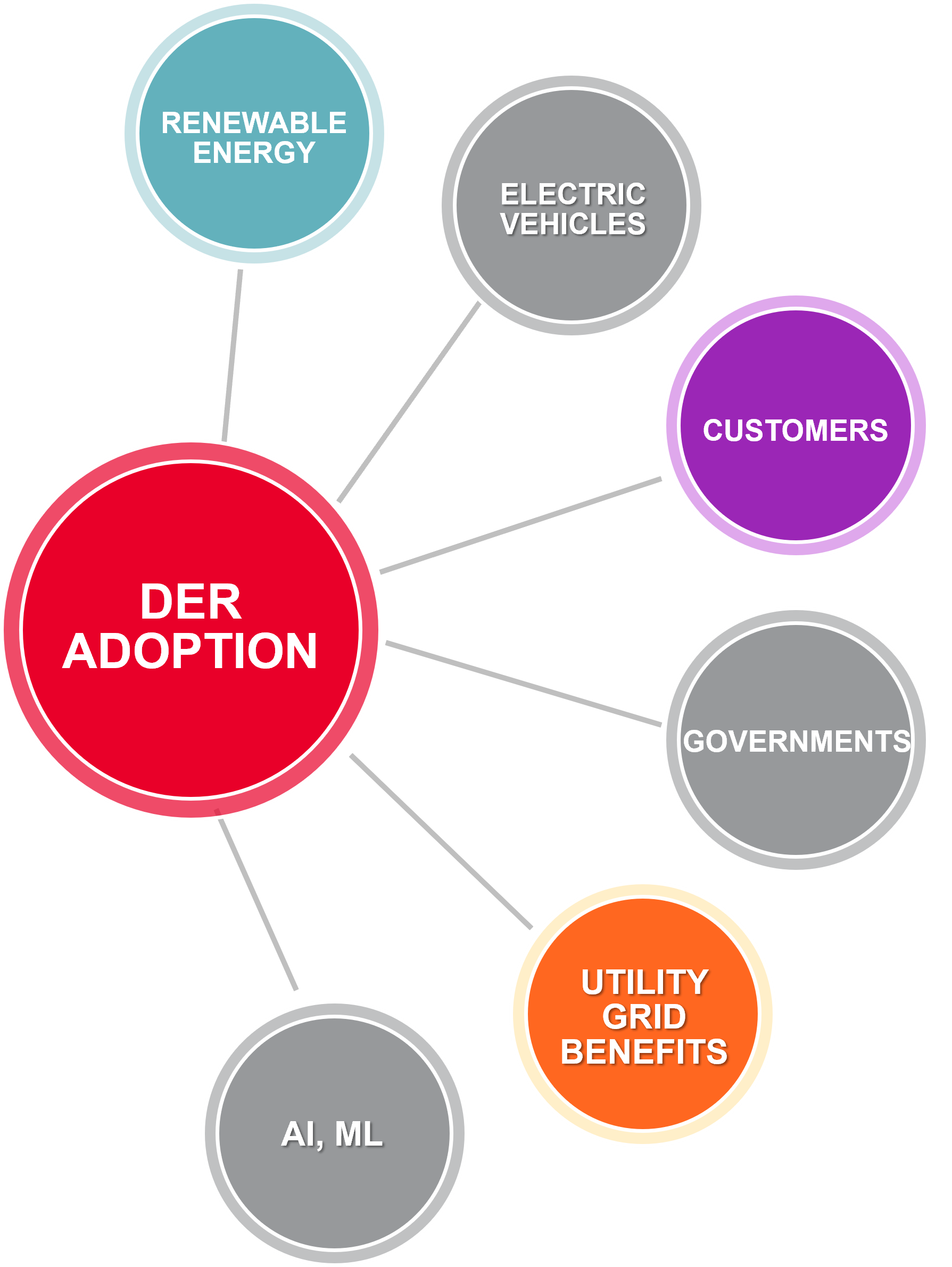
The traditional power grid is rapidly transforming from an exclusively centralized, unidirectional system to a hybrid system that adds highly decentralized, bidirectional, networked, and intelligent "smart grid" DERs. This shift is driven by factors like:
- Increasing integration of renewable energy: Solar and wind power are rapidly replacing fossil fuels like coal and natural gas due to concerns over emissions and climate change. Such clean energy sources are often operated as decentralized DERs.
- Rise of electric vehicles: Electric vehicles with V2G capabilities can act as DERs by providing power back to the grid.
- Customer awareness: Many business and domestic customers want more control over their energy consumption, lower bills, resilience through backup power sources, and sustainability.
- Advocacy: Organizations such as the Smart Electric Power Alliance (SEPA) in the United States and smartEn (Smart Energy Europe) in Brussels advocate for the accelerated adoption of distributed energy resources because DERs – solar, storage, demand response, and electric vehicles – offer a cost-effective path to a cleaner, more resilient, and more flexible grid, while also empowering utilities, businesses, and consumers to actively participate in and benefit from the ongoing energy transition.
- Grid benefits: DERs can augment grid services like energy storage and demand-side management.
- Advanced technologies: Increasing use of power-hungry technologies like artificial intelligence (AI), generative AI, large language models, and machine learning are motivating the use of DERs to augment energy generation. Simultaneously, these technologies optimize the DERs by helping to manage the complexities of decentralization.

What are Some Key Challenges of DER and IBR Validation?
A key challenge of validating DER and IBR technologies is accurately simulating the diverse real-world conditions in which they operate, including variations in temperature and irradiance, grid faults, battery behavior, and orbital environments. This complexity increases when testing bidirectional power flow, as test systems must precisely replicate changing operating conditions while measuring the resulting heat buildup.
Validation Challenges
Lab and field verifications of DER and IBR systems and components involve several challenges, including:
- Complexity of under-the-sun testing: Under-the-sun field testing of DERs and IBRs – like solar panels, batteries, and PV inverters – is often complex, time-consuming, and expensive.
- Interoperability and conformance obstacles: Ensuring seamless interoperability and functional integration between different DERs, IBRs, and grid systems is a significant undertaking. Additionally, everything must comply with global and regional standards.
- High voltage and high power difficulties: Testing at high power levels involves overcoming challenges and avoiding failures of equipment tolerance, safety systems, cooling, and site preparation.
- Accuracy and repeatability impediments: Accurate, consistent measurements in dynamic high-power environments with noise can be very challenging.
- Fault detection problems: Detecting grid faults in complex scenarios can be daunting.
- Test automation and scaling hurdles: Automating compliance and complex testing procedures is challenging due to evolving standards and the need for precise control. Also, as DER and IBR power levels and the number of components increase, the size and complexity of required test environments become increasingly difficult to manage.
- Device protection difficulties: Preventing damage to sensitive and valuable devices under test, especially when verifying fault conditions, is crucial.
- Electromagnetic compatibility challenges: Ensuring that DERs and IBRs don't generate harmful electromagnetic emissions and are not susceptible to interference is not easy.
- Infrequent events debugging: Finding and triggering on rare glitches in complex systems is very difficult.


Grid Modernization Challenges
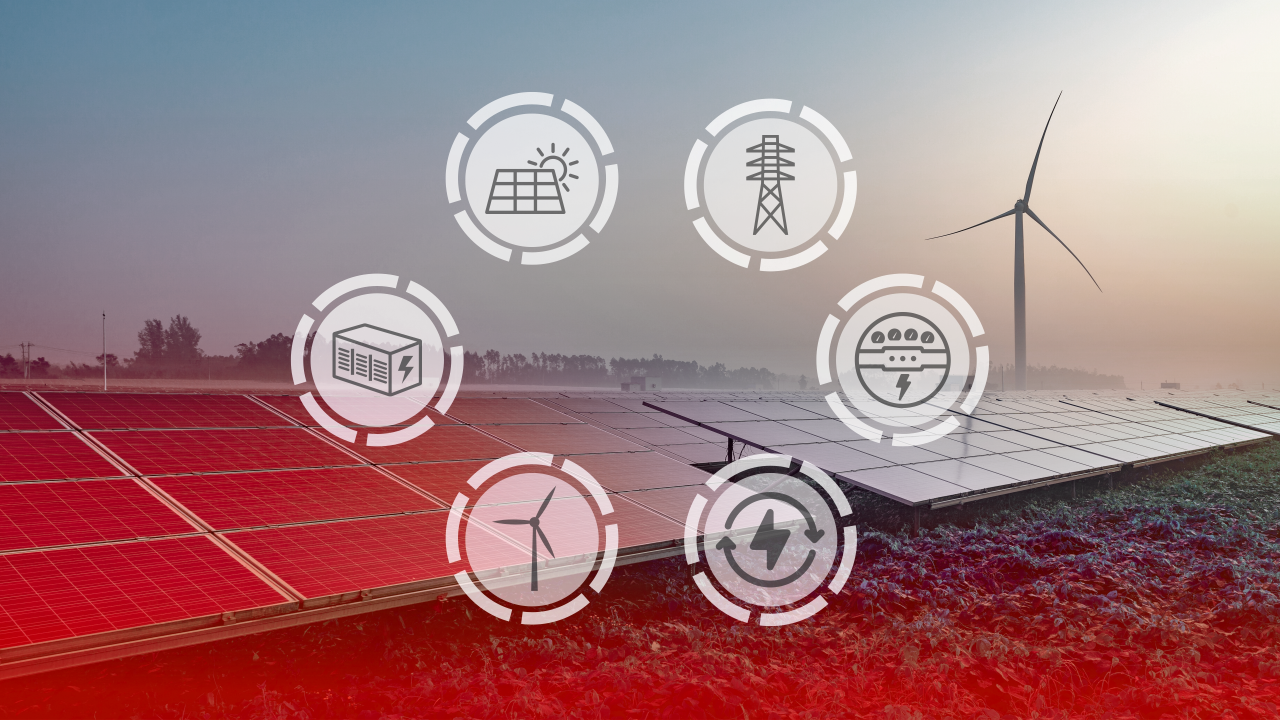
Grid modernization involves significant financial and engineering challenges for grid operators as outlined below:
- High costs: Cost-effective DER implementation, infrastructure upgrades, and cybersecurity are very challenging. Collaboration between multiple industries – utilities, technology companies, policymakers, and consumers – is essential.
- Variability of renewables: Integrating variable renewable energy sources is challenging because the grid must handle fluctuations without compromising reliability. Efficient energy storage is often needed to mitigate their intermittency, which imposes costs and complexity.
- Legacy challenges: Ensuring seamless communication and integration between the new DER technologies and existing legacy grid systems is a major challenge.
- Compliance difficulties: The current regulatory framework has yet to support grid modernization and incentivize new technologies. Developing and adopting common standards and protocols for communication across all DER types is a complex process.
- Grid stability issues: The transition to a grid with multiple inverter-based DERs or IBRs introduces challenges in maintaining stability, reliability, and power quality and in avoiding voltage fluctuations.
- Unintentional islanding: Preventing accidental islands where DERs remain energized after disconnection from the main grid is a significant safety hazard and challenge.
- Challenges for utilities: The shift from traditional centralized generation to a more diverse mix with renewables presents several operational and management challenges.
- Demand response issues: Higher electricity demand due to mass EV adoption and fast chargers makes predicting and balancing supply and demand essential.
- Heat management challenges: Traditional power dissipators generate significant heat, leading to increased cooling costs and infrastructure needs.
Energy Storage Challenges
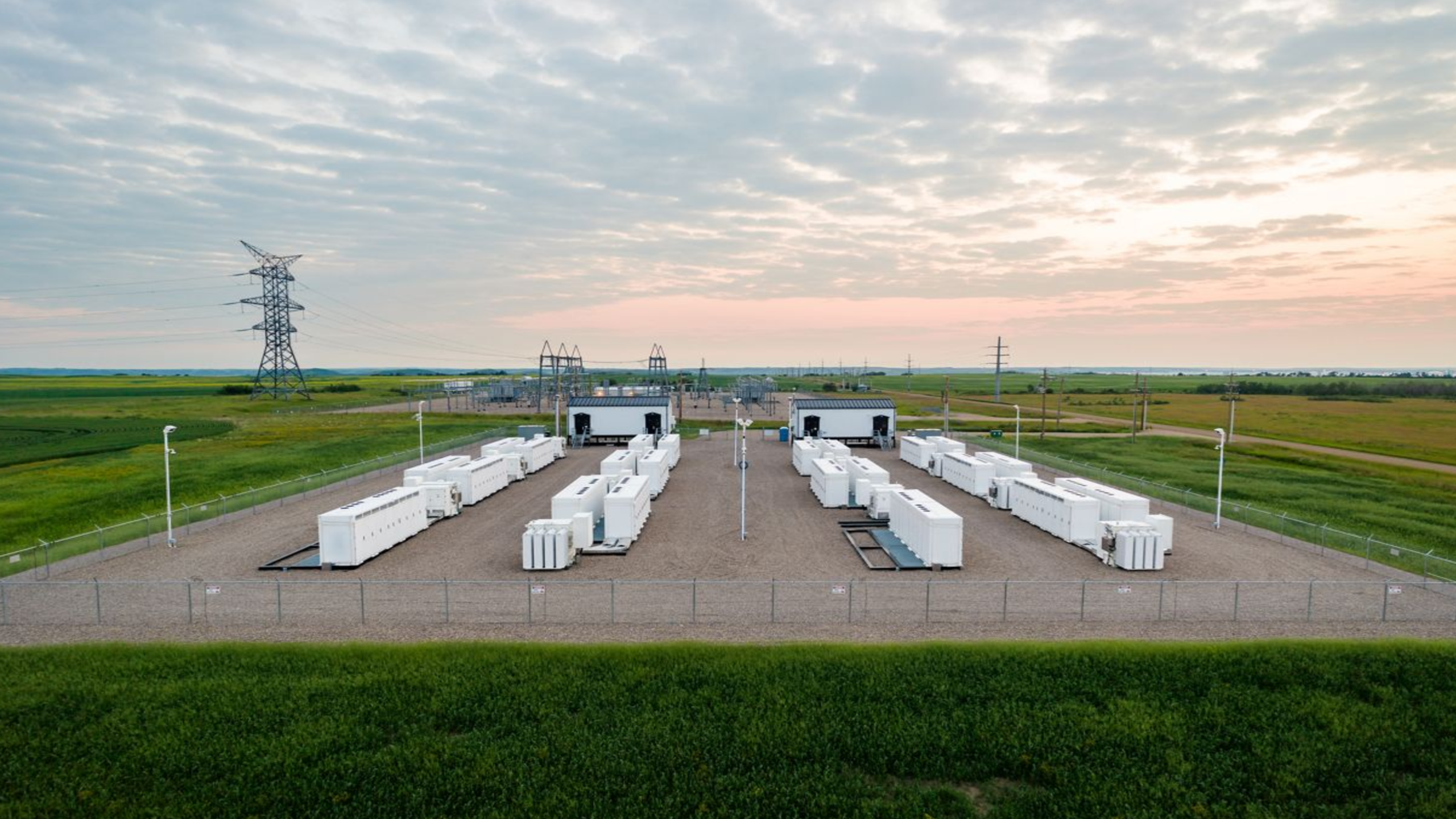
Energy storage is a critical component of DERs. Its challenges for storage system operators are:
- Initial costs: The initial investment in energy storage systems can be significant.
- Limited duration: Some technologies have relatively short storage durations, limiting their effectiveness for long-term stability.
- Environmental damage: The mining, production, and disposal of batteries negatively impact the environment.
- Grid integration issues: Integrating energy storage systems requires careful planning and coordination to ensure interoperability.
- Battery management hurdles: Battery management systems are complex control systems, but their testing is essential.
- Battery characterization difficulties: Understanding, optimizing, and ensuring the quality and longevity of battery systems, including managing self-discharge and predicting performance, is challenging.



Electric Vehicle Challenges
The e-mobility segment consisting of EVs, EV supply equipment (EVSEs), and V2G systems involves unique technical and operational challenges, such as:
- Interoperability and conformance issues: Ensuring end-to-end interoperability over different EVs, EVSEs, and V2G according to global and regional standards remains a significant challenge.
- Complexity of charging protocols: Managing the diverse range of charging protocols and requirements related to alternating current (AC), direct current (DC), pulse width modulation, and controller area network (CAN) communication is extremely challenging.
- Technical complexity of V2G connections: Connecting V2G-enabled EVs to the grid is extremely complex, requiring adherence to separate standards for EVs and the grid. Different V2G architectures (like DC-V2G, AC-V2G, and split AC-V2G) have different smart inverter and control unit configurations with specific testing and certification procedures.
- High-power charging issues: With high-power charging, challenges have emerged in thermal management, high-voltage and high-current handling, and integration with power sources.
- Unreliable communication: Maintaining reliable communications between EVs and EVSEs is crucial but also quite challenging.
- Complex standards: Due to different incompatible charging standards around the world, manufacturers are forced to design and test for multiple markets. EVs and EVSEs must ensure that their products conform to dozens of standards for safety, reliability, power quality, charging, communication, and interconnection.
- Unfamiliar new standards: Budding specifications like the International Organization for Standardization's ISO 5118 standard for V2G communication interfaces are still unproven and require widespread validation.
- Noisy communications: Ensuring reliable communication, especially over CAN buses preferred by some EV and charging standards, requires high immunity to noise.
- Power compatibility: Regenerative power supplies have very specific power source requirements for proper interoperability.
Cybersecurity Challenges
As electricity generation is critical infrastructure, it's a favorite target of hostile nations and malicious individuals. They hack into the communication and operation networks of DERs to initiate outages, brownouts, and other failures. Testing power systems and their interconnections for resilience against cyberattacks is critical. New cybersecurity standards for DERs must also evolve in tandem to ensure enregy security and resilience against attacks.
Below are some common challenges of DER cybersecurity verification:
- Growing attack surface: An increasingly interconnected grid with DERs and digital technologies creates many new classes of vulnerabilities.
- Evolving threats: Cyber threats are constantly changing and increasingly sophisticated. Always staying a step ahead is very challenging.
- Expensive implementation: Implementing and maintaining a robust cybersecurity posture is both critical and expensive.
- Missing professionals: In general, there is a lack of cybersecurity professionals with niche expertise in protecting critical energy assets.
- Unmanageable data: Handling the growing volume of data generated by smart grid devices can be a storage and scalability problem.
- Difficult regulations: Meeting evolving cybersecurity and cyber resilience regulations, complying with data privacy requirements, and auditing the security implementations are all very challenging. Cyber resilience must be tested safely and carefully without endangering operational grids.
- Unknown vulnerabilities: Constantly identifying, tracking, and addressing vulnerabilities in deployed devices involves a lot of research and effort.


As distributed energy resources and inverter-based resources scale, validation shifts from individual devices to coordinated system behavior in bidirectional grid environments. Keysight offers design, emulation, and test capabilities that help validate DERs and IBRs such as inverters, storage, EV supply equipment, fuel cells, and other grid-connected power systems under realistic conditions, so you can deploy with confidence.
AC and Grid Emulation
Validate dynamic three-phase grid conditions to validate inverter behavior, microgrid stability, and fault-ride-through capabilities.
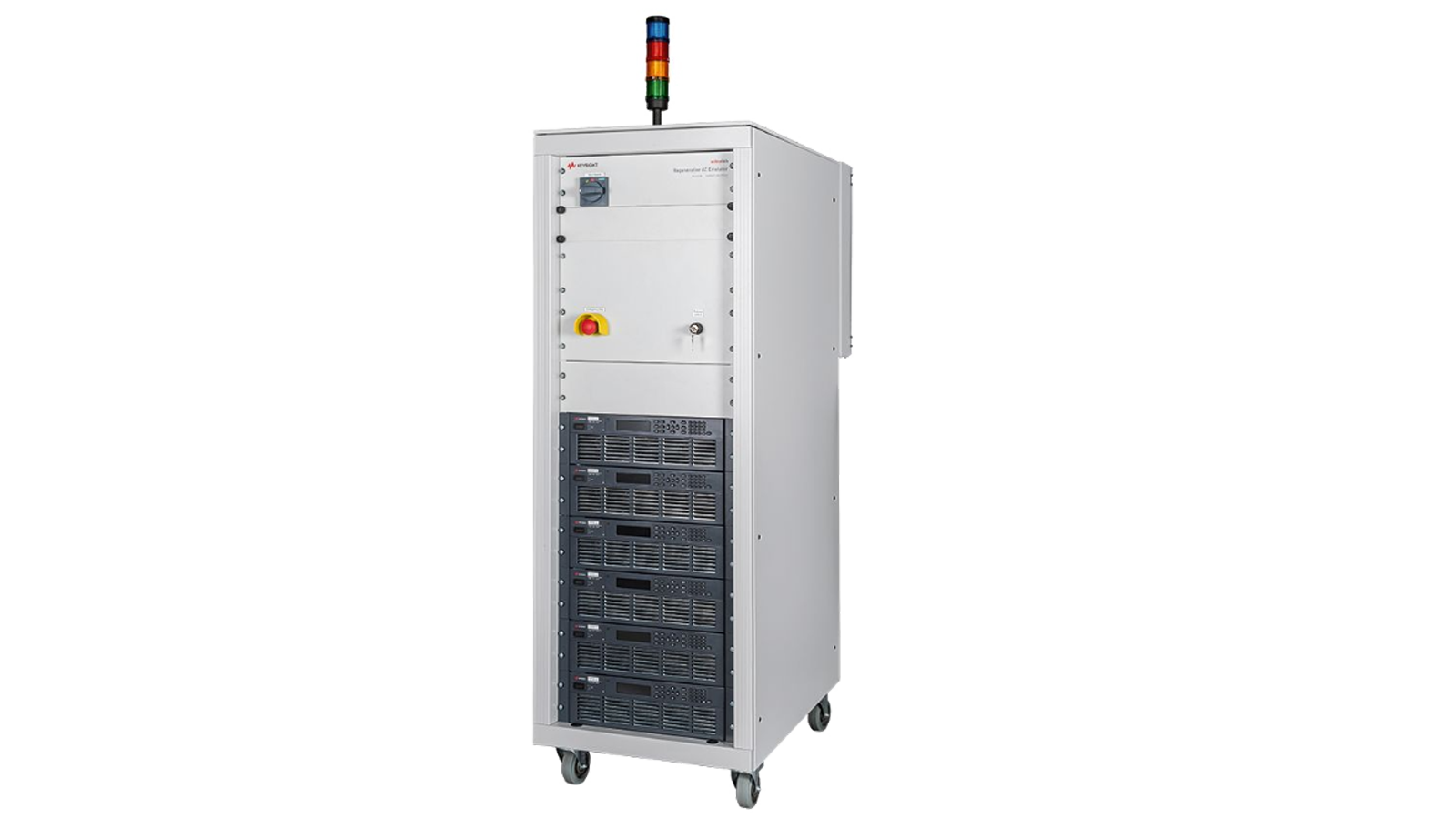
DC Emulation
Emulate DC power for sourcing and sinking applications such as traction inverter and EV fast charging tests.

Photovoltaic Array Simulation
Replicate photovoltaic (PV) module characteristics to test grid-connected inverters under diverse irradiance and temperature conditions.

Regenerative Power Test
Deliver high-power, bidirectional DC energy to test inverters and storage systems with efficiency, safety, and regenerative energy recovery.

EV Fast Chargers
Test EV fast chargers by emulating EV batteries and communications.

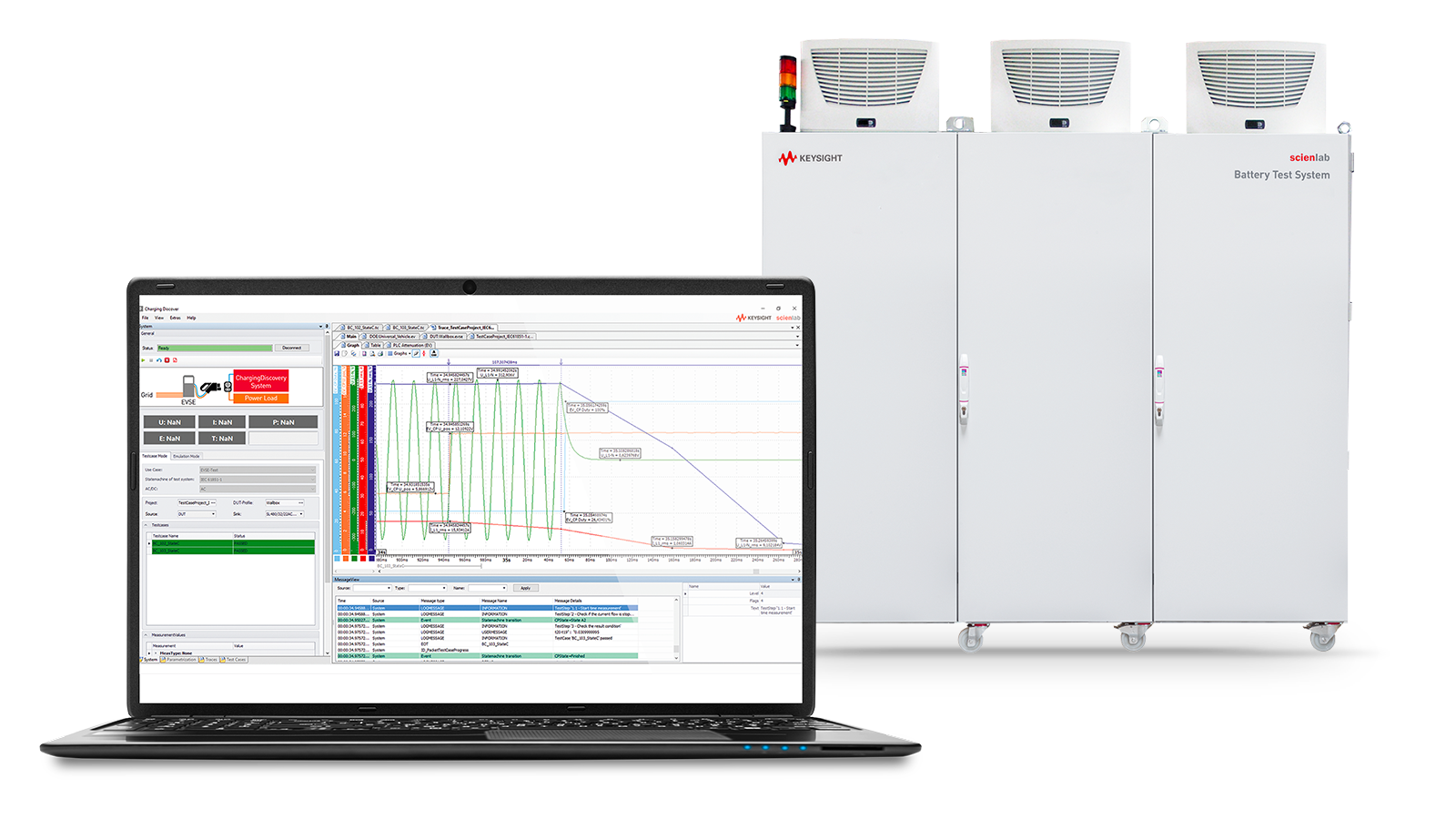
Battery Test & Energy Storage
Test and characterize batteries under realistic load profiles to improve storage performance and ensure safe microgrid operation.
- Grid Modernization SolutionsGrid Modernization Solutions
Discover more DER design and validation solutions for grid modernization.
- Grid Cybersecurity ValidationGrid Cybersecurity Validation
Strengthen your grid resilience with network visibility and cybersecurity validation tools.