Here's the page we think you wanted.
See search results instead:
Choose a country or area to see content specific to your location
What are you looking for?
Suggested searches
No product matches found - System Exception
Matched content
-
-
Integrated Physics Suite
Bridging design and physical testing to evaluate drop, impact, shock, and vibration compliance before hardware exists.


-
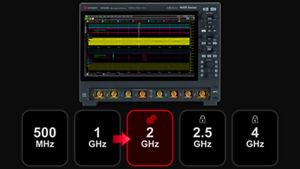
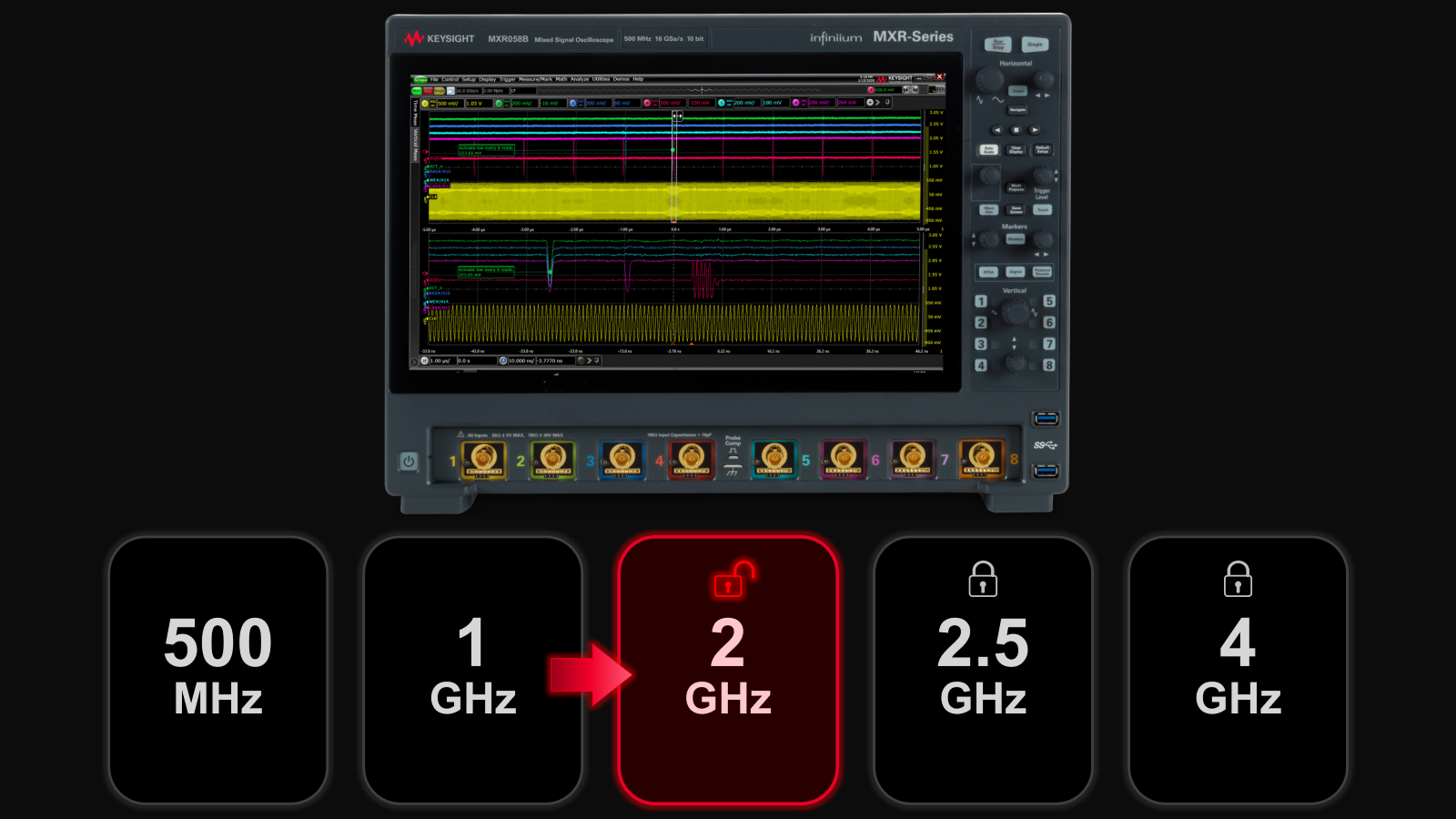
Buy an Expert Oscilloscope, Boost Your Bandwidth
Unlock your free upgrade to the next bandwidth tier.
-
End-to-End Validation for AI Data Center
Strengthen 1.6T network reliability for AI-scale workloads from transceivers to interconnects.

-
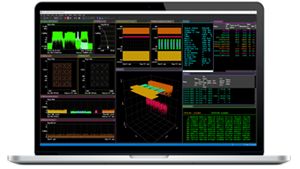
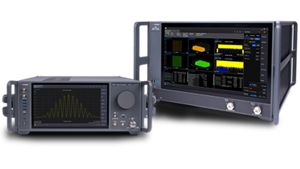
Take On Complex MIMO Signals
Pair Keysight VSA software with the new XA5 signal analyzer for advanced visualization, demodulation, and analysis — start your 30-day trial today.
-
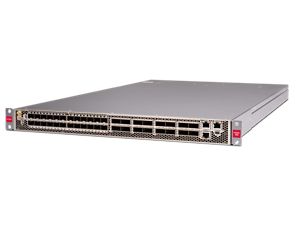
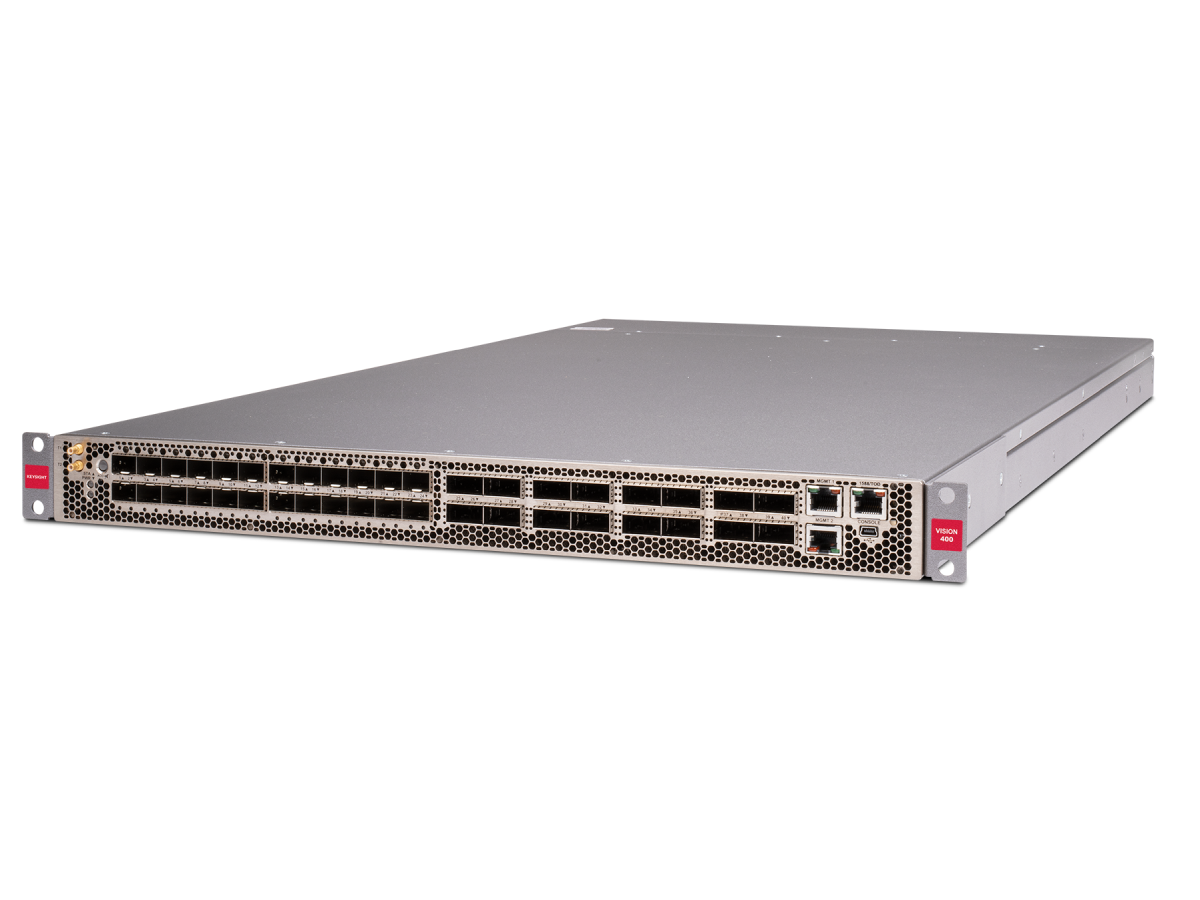
Introducing AI-Enhanced Packet Brokers
With extra memory and storage, these enhanced NPBs run Keysight's AI security and performance monitoring software and AI stack.
-
Accelerate Semiconductor Innovation
Explore end-to-end workflows spanning IC design, validation, wafer test, and photonics.

-
Accelerate Your Innovation Engine
Explore curated support plans, prioritized to keep you innovating at speed.

-
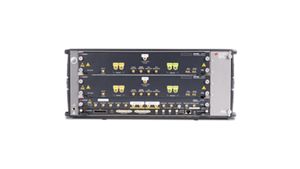
448 Gb/s Waveform Generation
Achieve 200+ Gbaud multi-level modulated signals with high-speed AWGs for digital and optical standards.
-
The Right Connection Makes the Measurement
Maximize accuracy and performance with precision accessories engineered for Keysight instruments.

Analyze Complex RF Signals FasterExplore dual-channel and ultra-wideband signal analysis for demanding RF workflows.
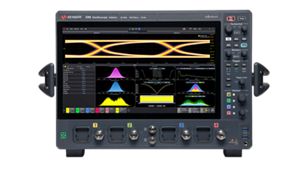
 Digital Validation. Faster.
Get faster, clearer insights with our new multicore, 12-bit oscilloscope up to 33 GHz. Trade in your old oscilloscope and get credit toward a new XR8.
-
-
Purpose-built solutions engineered for the design and test challenges unique to your industry.
Use Cases mapped to every stage of your product lifecycle, from design through operations.
Success Stories
HPE Juniper Networking Builds Next-Gen AI Infrastructure -
Authoritative application notes, data sheets, reference designs, and test procedures to accelerate design and validation decisions.
FeaturedHands‑on bootcamps that teach system design, test methods, and production workflows engineers can apply immediately.
Learning Hub
AI TechnologyExplore methodologies, test strategies, and technical resources for designing, validating, and scaling AI systems and networks.
-
Quick access to support related self-help tasks.
Additional content to support your product needs.
Do more with Keysight ServicesExplore services to accelerate every step of your innovation journey.










Aerospace, Satellite and Defense Solutions Enable Realistic, Repeatable Radio Channel Testing for High-Velocity, Long-Distance, and Mission-Critical Comms
Model: S8826A

prev
- Overview
- Options
- Accessories
- Software
- Support
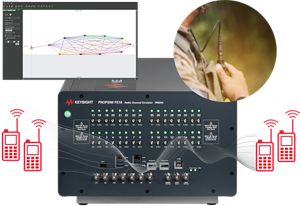
MANET Channel Emulation Toolset
Solution to verify the performance of mobile ad hoc networks (MANETs) in the lab under real-world radio propagation conditions.

-
Workflow stage
Development and interoperability
-
Technology
MANET / Mesh, D2D, C-V2X
-
Test types
MANET / mesh channel emulation testing
Ready for a quote
Find out what's included and explore available upgrade options from Keysight.
Highlights
The S8826A MANET Channel Emulation Toolset enables users to evaluate the end-to-end performance of mobile ad-hoc networks (MANET) and mesh radio systems under real-world radio propagation conditions. As a standard and waveform agnostic test solution, it supports all proprietary systems.
Technological advancements, such as MIMO and beamforming, combined with the increased complexity in wireless military communication systems, have accelerated the need to test large mesh network topologies with dynamically changing radio channel and interference conditions. This is why Keysight’s S8826A MANET Channel Emulation Toolset supports:
- Mesh configurations of up to 64 radios in a single unit for testing large SISO and MIMO mesh network topologies.
- Full range of operating frequencies from HF up to 6 GHz.
- PROPSIM Channel Emulation Solution combines with Keysight’s E7770A Common Interface Unit to extend the frequency to 6-12GHz bands.
- Up to 1.2 GHz of instantaneous bandwidth to test ultra-wideband gigabit links.
The S8826A toolset is based on the PROPSIM F64 and PROPSIM FS16 channel emulators, which offer a highly scalable and flexible basis for MANET testing:
- From 2 to 16 radios with PROPSIM FS16 and from 8 to 64 radios with PROPSIM F64.
- End-to-end performance and interoperability testing of mission critical tactical wireless communication systems.
- High-performing, network level channel emulation to easily replicate field-testing conditions in a repeatable way.
- The ability to test the functionality of critical communication networks using a hardware-in-the-loop (HIL) test bed with full control over the key parameters including Doppler shift, delay, and phase.
Services and support
Innovate at speed with curated support plans and prioritized response and turn-around times.
Get predictable, lease-based subscriptions and full lifecycle management solutions—so you reach your business goals faster.
Experience elevated service as a KeysightCare subscriber to get committed technical response and more.
Ensure your test system performs to specification and meets local and global standards.
Make measurements quickly with in-house, instructor-led training, and eLearning.
Download Keysight software or update your software to the newest version.
Start your quote by choosing a product
Select a configuration below