







-
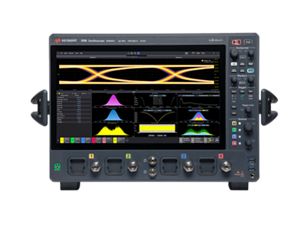
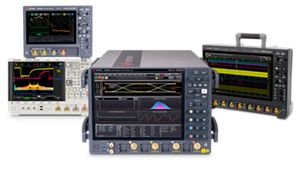
Benchtop Oscilloscopes
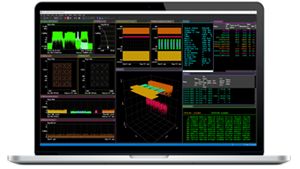
Perform general-purpose analysis to cutting-edge research

-
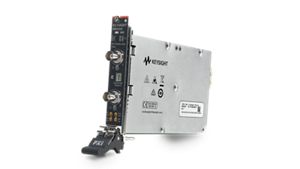
Modular Oscilloscopes
Save rack space with benchtop capabilities in a compact form factor

Oscilloscopes
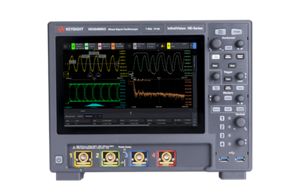
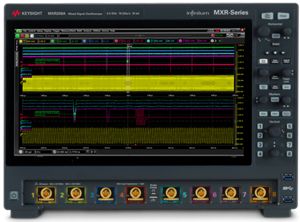
The Keysight InfiniiVision and Infiniium oscilloscopes are now offered in eight capability classes across four performance grades. Essential, our most affordable entry-level oscilloscopes, can be configured as one of three classes — XR1, XR2, or XR3 — for the widest range of everyday measurements. Advanced includes the XR4- and XR5-class, extending the frequency range and sample rates. Expert includes XR6-class, taking bandwidths to 6 GHz with automated test functions. Pro includes the XR8- and XR9-class, delivering our highest performance research-level features. A comprehensive library of oscilloscope resources are available to help you find the performance grade and class best suited to your lab.

Essential

Starting from
Maximum bandwidth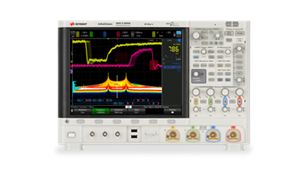

Advanced
Starting from

Expert
Starting from


Pro
Starting from
Maximum bandwidthOscilloscopes
Keysight modular oscilloscopes provide you with the power of a benchtop oscilloscope in a compact, flexible form factor, helping you save valuable rack space. Get the same performance level as our Essential and Advanced oscilloscopes in a high-density PXIe module.
With three models ranging from 200 MHz to 1 GHz, select the modular oscilloscope that is right for your application. Need help selecting? Check out the resources below.

Meet our new Pro XR8 oscilloscope
Accelerate digital validation up to 33 GHz with our new multicore, 12‑bit oscilloscope. Built on a new software platform, the XR8 analyzes and responds faster, leveraging multiple processing cores. Unlock instant insight into complex signal behavior with a custom front‑end ASIC engineered for ultra‑low noise and high ENOB.
The XR8 supports next‑generation validation and compliance software including signal integrity and jitter analysis, debug and visualization tools, and USB, DDR, DisplayPort, and more transmitter compliance applications. Get faster, clearer signal analysis in a smaller, lighter, more power-efficient design that frees up bench space without compromising performance.
Find compatible software and accessories for your oscilloscope
Choose from a wide variety of compliance, debugging, and application-specific software or accessories like probes, cables, calibration kits, and more.
Explore oscilloscope use cases
Oscilloscopes support a wide range of measurements across various industries, discover them all.
Consumer electronics
How to Debug Electronic Devices with High Accuracy
Debug and resolve small signals and rare glitches with an oscilloscope and protocol analysis software.
Automotive
How to Verify Automotive Ethernet Transmitter Compliance
Debug the physical layer of automotive Ethernet designs against the latest standards.

Wired Communication
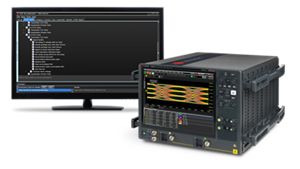
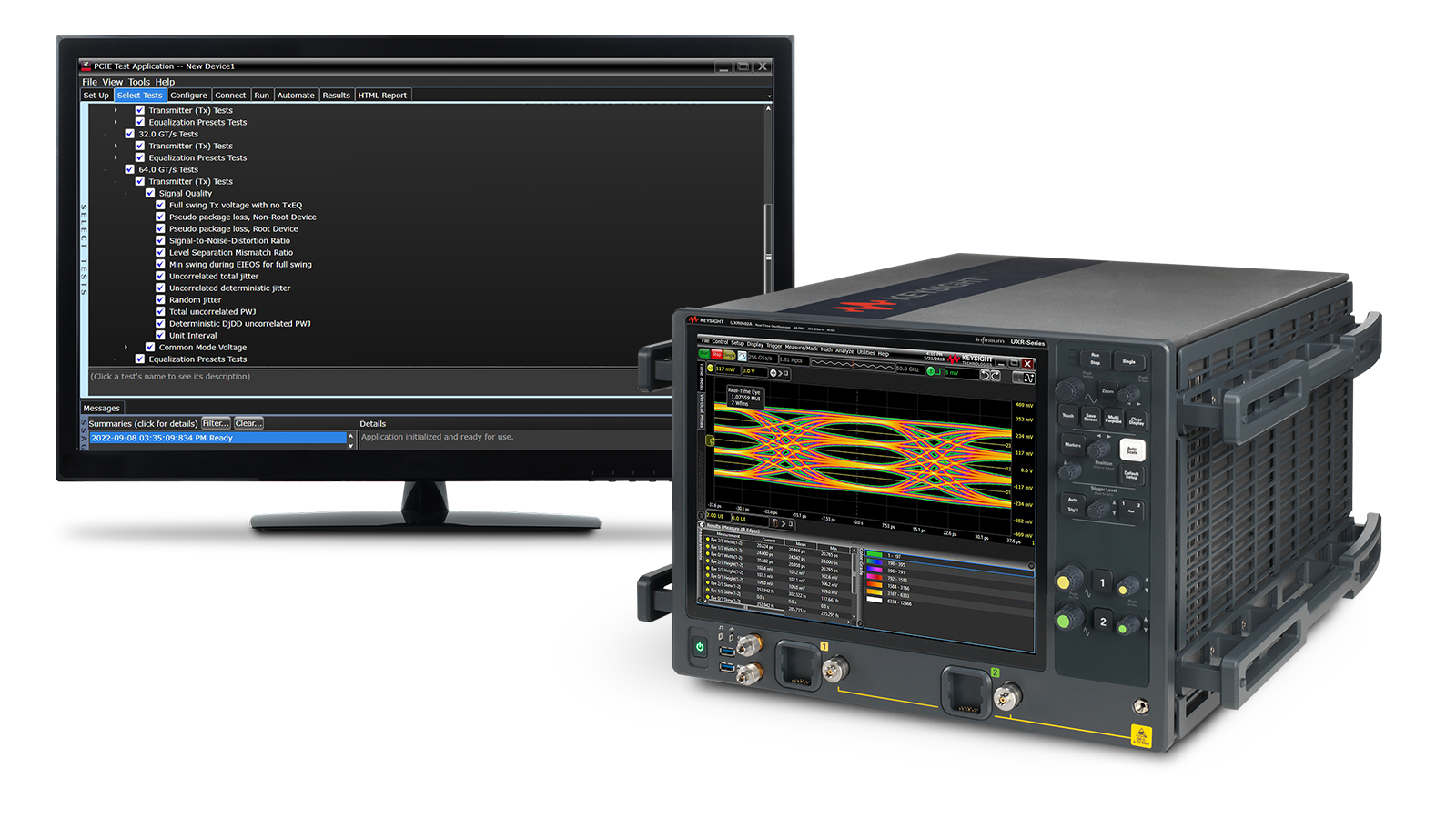
Test PCIe® 6.0 transmitter interoperability and compliance to meet PCI-SIG® specifications.
Wireless Communication
How to Test 5G Communication Systems
Test 5G wireless communication systems with a variety of standards-compliant waveforms.
Wired Communication
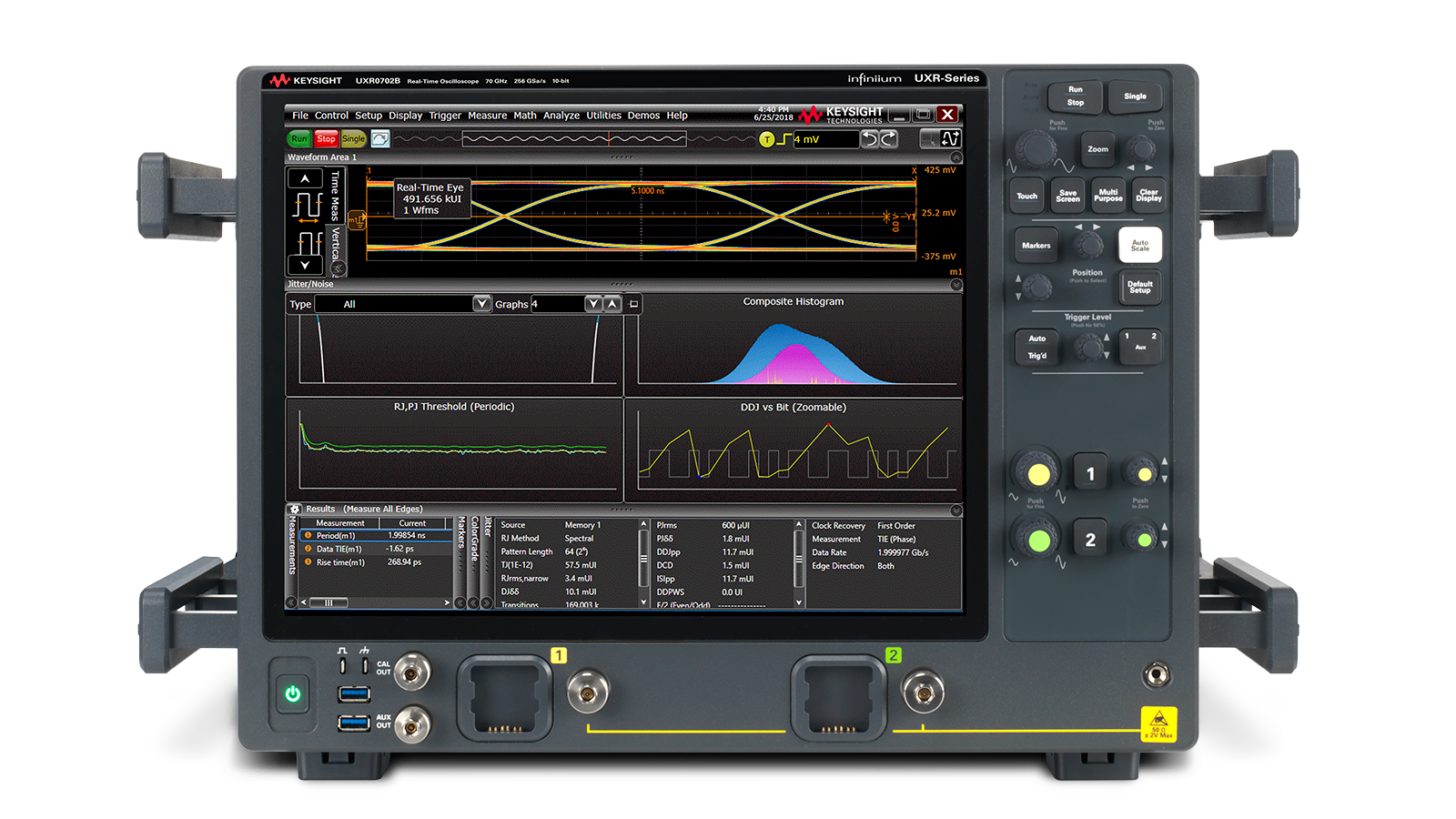
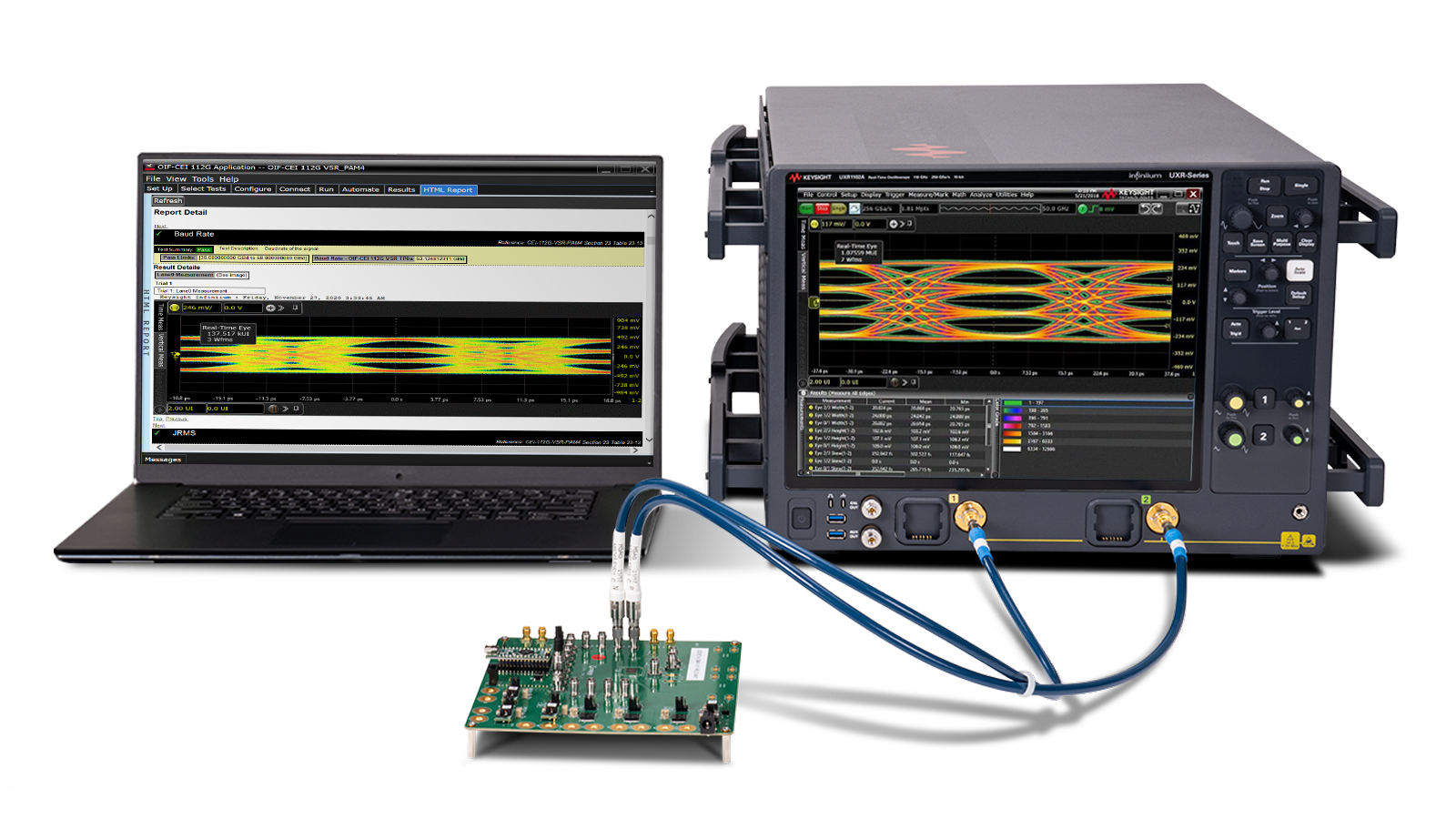
Evaluate the interoperability of 100 Gb/s Ethernet electrical transmitters.
Services and support
Innovate at speed with curated support plans and prioritized response and turn-around times.
Get predictable, lease-based subscriptions and full lifecycle management solutions—so you reach your business goals faster.
Experience elevated service as a KeysightCare subscriber to get committed technical response and more.
Ensure your test system performs to specification and meets local and global standards.
Make measurements quickly with in-house, instructor-led training, and eLearning.
Download Keysight software or update your software to the newest version.
Frequently asked questions
The primary function of any oscilloscope is to measure voltage over time. It produces a graphical display of the waveform, which allows engineers and technicians to visualize the behavior of electrical signals. Oscilloscopes are essential tools for designing and debugging electronic circuits. They can measure frequency, time interval, amplitude, the rise time of signals, distortion, and how much of a signal is alternating current (AC) or direct current (DC).
In its simplest form, an oscilloscope consists of a screen, a digitizer that samples the signal, and a vertical input amplifier. The vertical input amplifier is the first stage of the oscilloscope, conditioning the signal to be in the optimal range for digital capture. The digitizer performs analog-to-digital conversion to capture the signal as discrete values in time, which is stored in memory and then drawn on the screen. These components, working together, enable a graphical representation displaying signal voltage as a function of time. This allows the engineer to analyze the behavior of the signal to identify problems and develop solutions.
Test engineers and developers use oscilloscopes to display, graph and analyze electrical signals during research and development, validation, quality assurance, and troubleshooting or debugging of electronic systems, circuit boards, and integrated circuits. Oscilloscopes play a key role across all industries for a variety of applications and technologies, including high-speed digital electronics, optical communication, RF, power electronics, automotive, and aerospace and defense.
An oscilloscope is a critical test instrument for observing, analyzing, or recording the behavior of an electrical signal. Some specific use cases for oscilloscopes in an electronics laboratory include measuring voltage waveforms, analyzing electronic signals, detecting unwanted noise and crosstalk, and evaluating harmful transients in power systems.
In high-speed signal analysis, oscilloscopes can measure signal integrity by displaying and measuring eye diagrams, including eye height and width. Mixed-signal oscilloscopes can help debug digital circuits by displaying the logic status and timing of measured digital signals. High-performance oscilloscopes can even help emulate ideal reference receivers for transmitter testing, use optical-to-electrical transceivers for measuring fiber optic signals, and analyze RF signals.
Due to their versatility, oscilloscopes have many different performance levels and software features depending on the application. They are indispensable tools for electronic development, troubleshooting, and analysis.
There are several factors to consider when selecting an oscilloscope such as bandwidth, number of channels, sample rate, memory depth, display size, etc. Below are the most important questions to evaluate when choosing an oscilloscope for your needs:
What is the scope's bandwidth?
Bandwidth determines the frequency range that an oscilloscope can accurately reproduce. The higher the bandwidth, the higher the frequencies it can display. It is important to consider the bandwidth requirements of your application. For example, working with high-speed digital signals, you will need an oscilloscope with high bandwidth to accurately capture all the transient details. A lower bandwidth may be sufficient if you use your oscilloscope for basic troubleshooting or time-domain analysis.
What is the number of channels?
The number of channels on an oscilloscope refers to how many input signals it can simultaneously measure, with each channel dedicated to either an analog or digital input. Analog channels capture and display continuous, real-time signals, showing voltage fluctuations as waveforms, typically for analog signals like sine waves. Digital channels, on the other hand, observe discrete, binary signals (0 or 1) in digital circuits, helping analyze logic signals, pulses, and data patterns by processing and displaying them in steps for precise timing and logic analysis. Common oscilloscopes may have 2, 4, or more analog channels and typically offer up to 16 or more digital channels, especially in mixed-signal oscilloscopes. Having more channels allows for simultaneous observation of multiple signals, improving the ability to analyze complex systems and detect interactions between different signal types.
What is the sample rate?
The sample rate of an oscilloscope is the number of samples taken per second. The higher the sample rate, the higher the signal resolution. According to the Nyquist theorem, the oscilloscope's sample rate should be at least two times more than the highest frequency of the signal you are trying to measure to sample without aliasing. In practice, a higher sample rate of at least three to five times the bandwidth is recommended to capture high-speed signals. This is why it is ideal to find a balance between resolution and speed when setting the sample rate. Some signal details can be captured accurately with a lower sample rate, while others may require a higher rate to be represented correctly. For example, if you are testing a digital circuit with a fast edge rate, you will need to use a scope with a high sample rate to capture all of the details accurately. On the other hand, if you are looking at a slow-moving signal, you can get by with a lower sample rate.
What is the memory depth?
Memory depth is the amount of data an oscilloscope can store and display. The deeper the memory, the longer time spans of signal data that can be captured with high resolution. This is important because a scope with shallow memory might only be able to store a few seconds worth of data, which might not be enough to really see what is going on. But a scope with deep memory can capture several hours, or even days, of data letting you zoom in for a high-resolution view of whatever specific signal portion you’re interested in viewing. Having a deeper memory can be helpful when you’re trying to track down an intermittent problem that only happens once in a while. Shallow memory might not capture the event at all, but deep memory will let you scroll back and look closely at what happened before and after the event.
What is the display size?
The display size is an important factor to consider because it impacts the user experience, measurement precision, and helps in real-time analysis. A larger display size is especially important for high-frequency signals, multi-channel signal analysis, and detailed waveform interpretation. For example, a larger display improves the clarity of waveform details so you can more easily find intermittent issues and find the exact moment a fault or anomaly occurs.