How to Validate RF Power Stability

Verify Consistent RF Power During Extended Testing
Validating radio frequency (RF) power stability over long duration tests requires continuous acquisition of power measurements to detect drift, variation, and intermittent fluctuations over time. Engineers must configure measurement systems to capture data at consistent intervals while maintaining stable operating conditions throughout the test period. This includes managing environmental factors such as temperature variation, ensuring repeatable connections, and selecting power sensors capable of maintaining accuracy over extended acquisition times. Measurement timing must remain consistent to avoid gaps or irregular sampling that could obscure transient behavior or gradual changes in signal power.
The measurement setup typically includes an average power meter, compatible power sensors, and software that enables long-duration data logging and visualization. Engineers collect power measurements across extended periods and analyze the resulting data to identify trends such as gradual drift, periodic variation, or sudden deviations. Statistical evaluation and visualization tools are used to assess stability and repeatability under steady-state conditions. Proper configuration of sampling intervals, averaging, and logging ensures that the recorded data accurately represents the true long-term behavior of the RF signal.

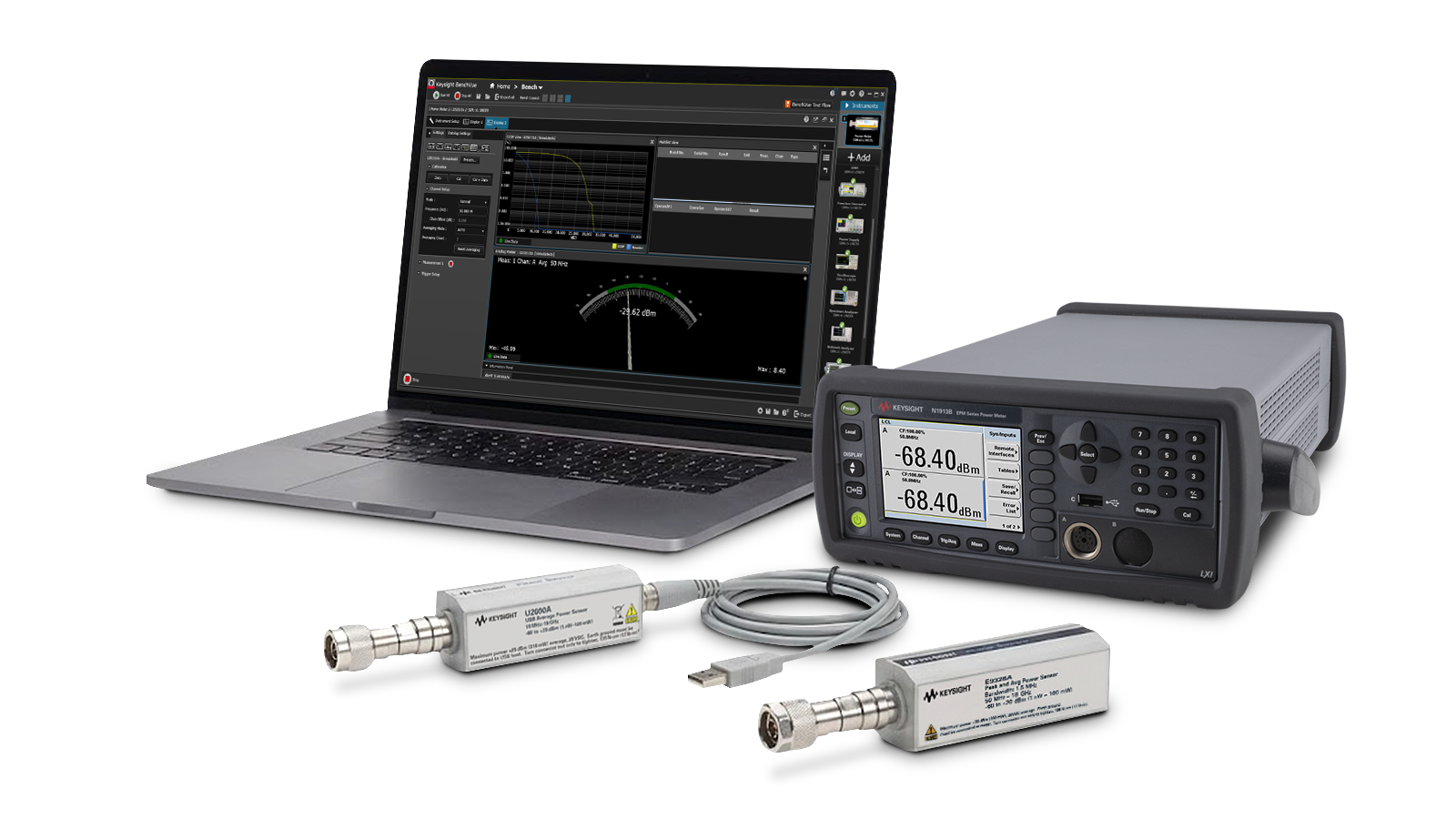
RF Power Stability Validation Solution
See Block Diagram of RF Power Stability Validation Solution

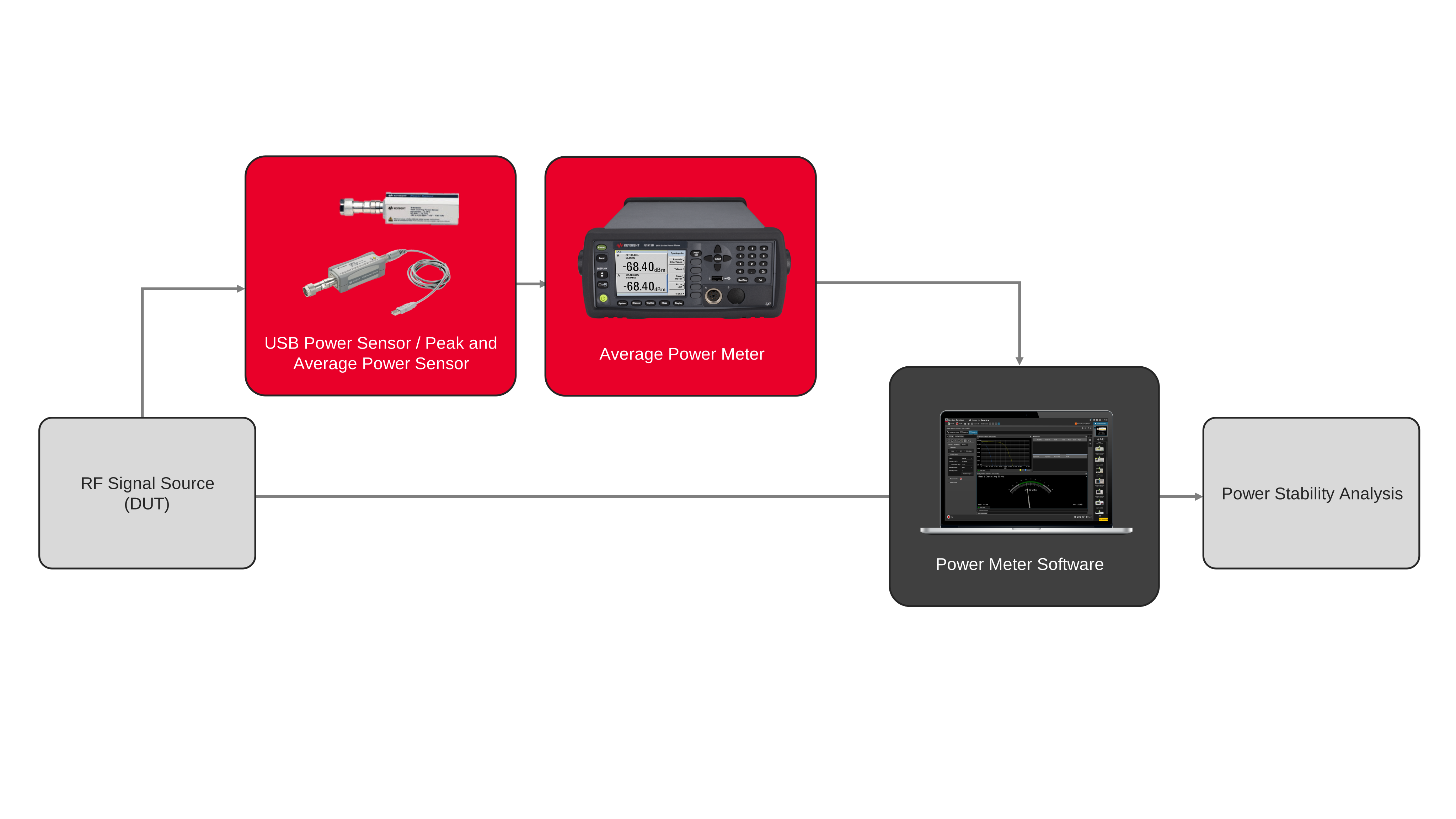
Explore Products in Our RF Power Stability Validation Solution
-

![]()
U2000A 10 MHz - 18 GHz USB Power Sensor
-

![]()
BV0007B PathWave BenchVue Power Meters/Sensors App
-
![]()
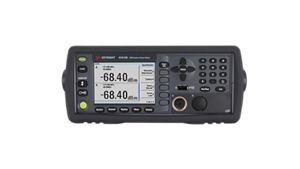
N1913B EPM Series Single-Channel Power Meter
-
![]()
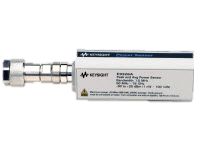
E9326A Peak and Average Power Sensor, 50 MHz - 18 GHz, 1.5MHz Bandwidth


Discover Resources and Insights
Additional Resources for RF Power Stability Validation
Related Use Cases

-
![]()
Learn More
How to Achieve Traceable Radio Frequency Power Calibration
Achieve traceable radio frequency power calibration with thermistor sensors and automated measurement workflows using power sensors, power meters, and automated measurement control and data logging software.
Learn More

-
![]()
Learn More
How to Measure Thermal Drift in Radio Frequency Power Sensors
Measure thermal drift in radio frequency power sensors to ensure long term measurement accuracy and stability using power sensors, power meters, and automated measurement control and data logging software.
Learn More
-
![]()
Learn More
How to Validate Absolute Power Accuracy of Signal Sources
Validate signal source power accuracy using traceable measurement techniques and high precision sensors using power sensors, power meters, and automated measurement control and data logging software.
Learn More

Get in Touch with One of Our Experts
Need help finding the right solution for you?