How to Test 1.6T Optical Receiver Sensitivity

Automate Stressed Optical Receiver Testing
Validating 1.6T optical receivers requires engineers to reproduce stressed optical conditions accurately while measuring error performance across multiple pulse amplitude modulation 4-level (PAM4) lanes. Manual transitions between receiver setup, stressed optical testing, and bit error ratio (BER) measurements can introduce inconsistencies and make repeated testing more difficult. Engineers need a coordinated test approach that supports IEEE 802.3-compliant stressed optical receiver sensitivity testing and lane-by-lane error measurements under defined test conditions. The test setup must also support simultaneous multi-lane analysis and repeatable measurements so teams can compare results across multiple lanes and devices. Maintaining consistent test conditions throughout the measurement sequence helps reduce variability and gives engineers a clearer view of receiver performance under controlled stress.
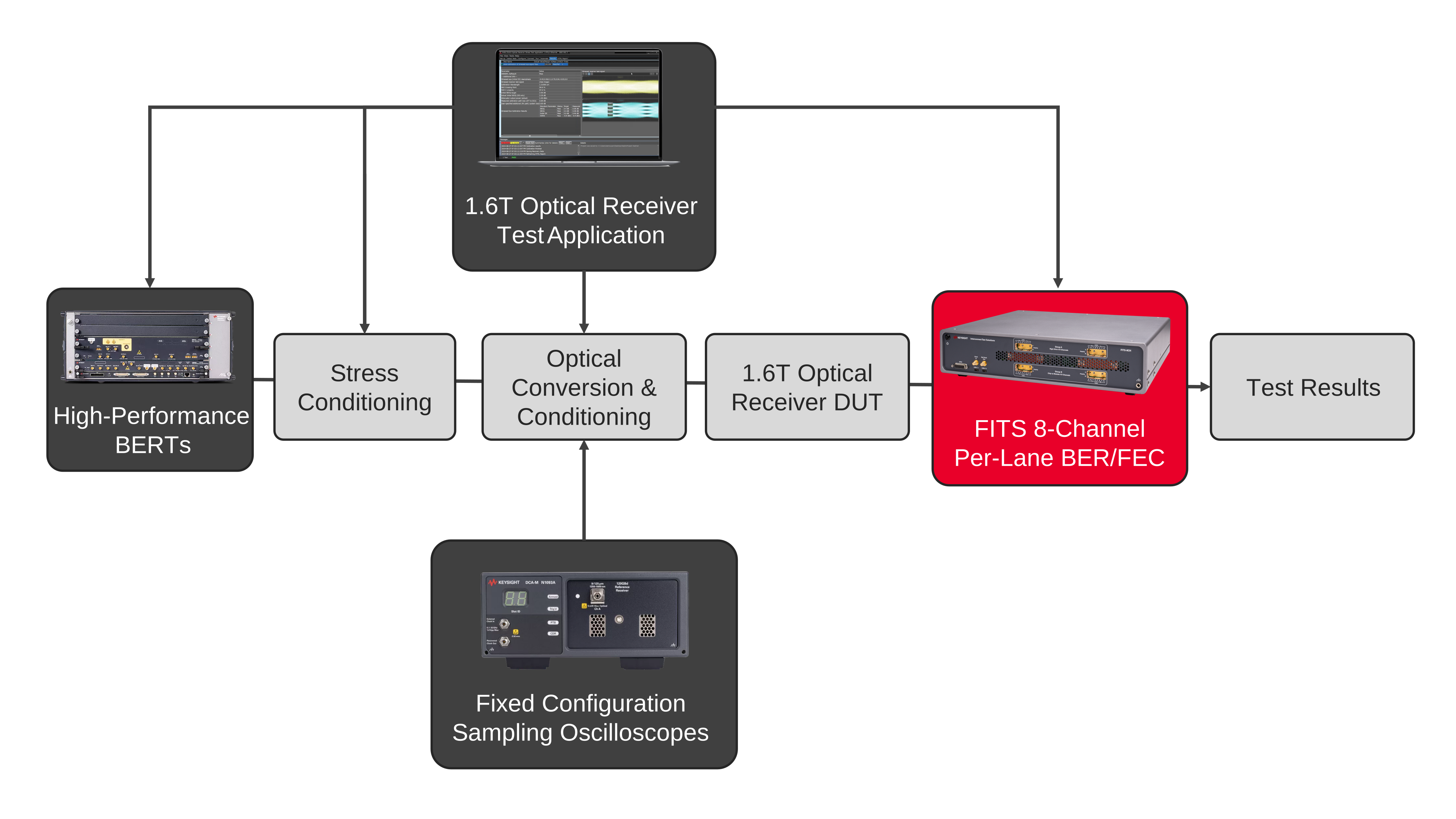
A complete 1.6T receiver sensitivity test combines stressed optical receiver testing, BER measurement, and forward error correction (FEC) evaluation. Engineers can measure error performance across individual lanes and evaluate pre-FEC and post-FEC BER during repeated or extended test runs. Automated instrument control helps coordinate testing across multiple lanes and simplify repeated measurements. Graphical analysis, user-defined pass/fail thresholds, data capture, and reporting also help engineering teams repeat measurements consistently and document 1.6T optical receiver performance across validation cycles. By keeping receiver testing, error measurement, and analysis closely coordinated, engineers can move through the test sequence with fewer manual handoffs, preserve repeatability across lanes, and capture comparable data for receiver characterization and performance validation.

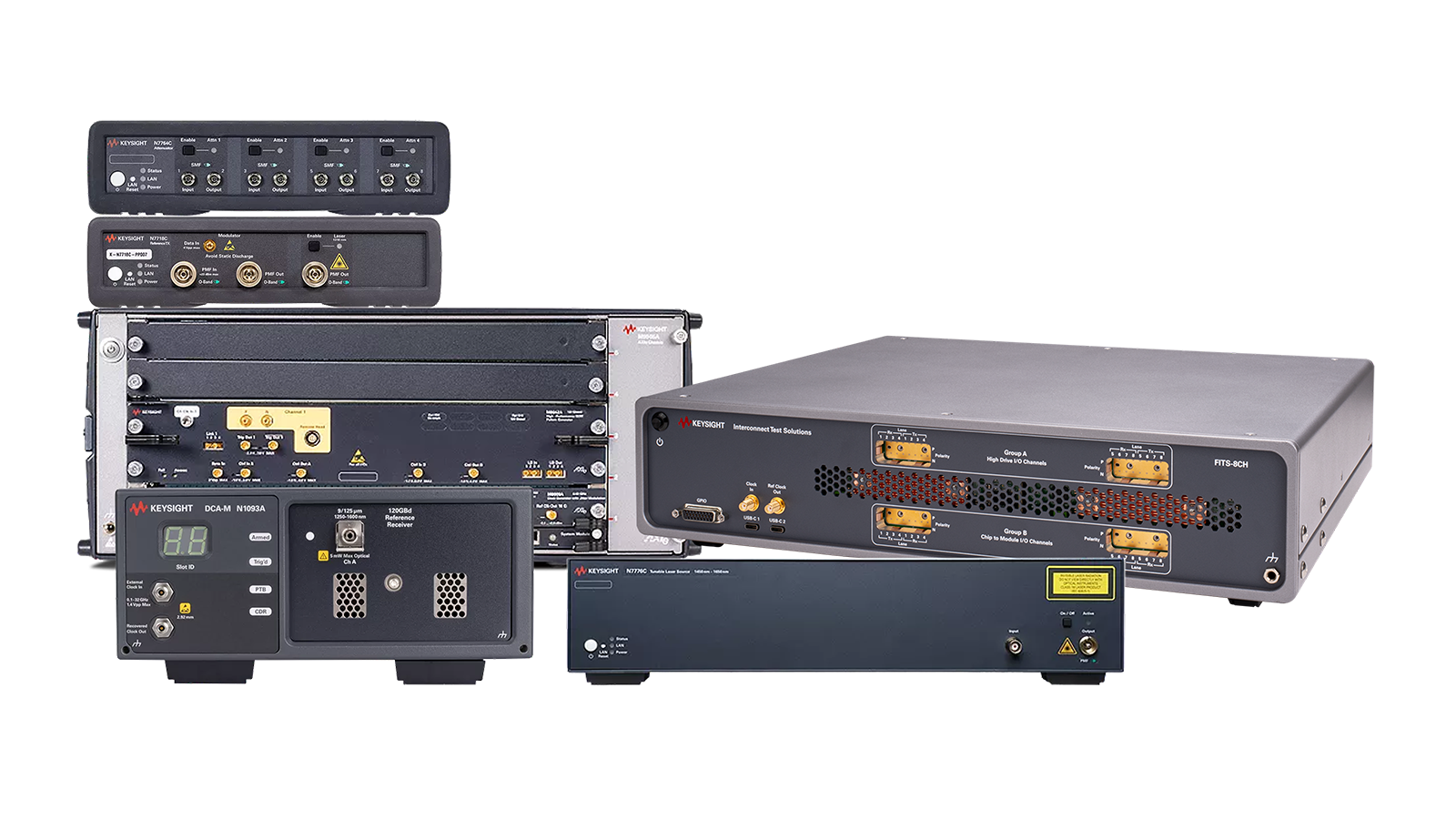
1.6T Optical Receiver Sensitivity Solution
See Block Diagram of 1.6T Optical Receiver Sensitivity Solution

Explore Products for Our 1.6T Optical Receiver Sensitivity Solution
-

![]()
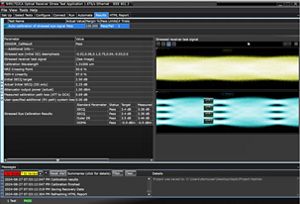
N4917DJCA 1.6T Optical Receiver Test Application
-

![]()
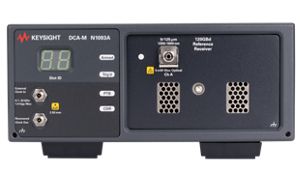
N1093A 60 GHz Single Optical Channel DCA-M with Option CDR and PTB
-
![]()
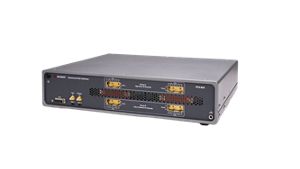
941-1020 FITS-8CH, 2RU Benchtop Chassis


Discover Resources and Insights
Additional Resources for 1.6T Optical Receiver Sensitivity
Related Use Cases

-
![]()
Learn More
How to Validate Electrical Evaluation Board Performance
Validate an electrical evaluation board by driving PRBSQ patterns through active or passive devices under test, routing loopbacks through the device or board, and measuring lane-by-lane bit error ratio and Forward Error Correction behavior across the configured high-speed PAM4 lanes.
Learn More

-
![]()
Learn More
How to Validate 1.6T Optical Transceivers
Benchmark a fully retimed 1.6T optical transceiver through host-side and optical loopback paths, configure supported Ethernet modes through CMIS, and measure per-lane BER and FEC statistics during short or long-duration system-level error-performance tests.
Learn More
-
![]()
Learn More
How to Validate 1.6T Optical and Electrical Cables
Validate fully assembled 1.6T active optical and active electrical cables with simultaneous bidirectional PRBSQ traffic, eight-lane BER or FEC monitoring in both directions, CMIS configuration, long-duration testing, and per-lane result reporting.
Learn More

Get in Touch with One of Our Experts
Need help finding the right solution for you?