Learn More
keysight:dtx/solutions/facets/development-area/rf,keysight:dtx/solutions/facets/industry/aerospace-and-defense,keysight:dtx/solutions/facets/industry/wireless-communications,segmentation:campaign/RF,segmentation:business-unit/CSG,segmentation:product-category/RF_Testing,keysight:dtx/solutions/facets/design-and-test-product/signal-analyzer,keysight:dtx/solutions/facets/workflow-stage/qa,segmentation:product-category/RF_Testing/Signal_Analyzers,keysight:product-lines/12,segmentation:funnel/bofu,keysight:models/n9/n9020b,keysight:models/u1/u1831c,keysight:models/n9/n9069em0dkeysight:dtx/solutions/facets/development-area/rf,keysight:dtx/solutions/facets/industry/aerospace-and-defense,keysight:dtx/solutions/facets/industry/wireless-communications,segmentation:campaign/RF,segmentation:business-unit/CSG,segmentation:product-category/RF_Testing,keysight:dtx/solutions/facets/design-and-test-product/signal-analyzer,keysight:dtx/solutions/facets/workflow-stage/qa,segmentation:product-category/RF_Testing/Signal_Analyzers,keysight:product-lines/12,segmentation:funnel/bofu,keysight:models/n9/n9020b,keysight:models/u1/u1831c,keysight:models/n9/n9069em0dkeysight:dtx/solutions/facets/development-area/rf,keysight:dtx/solutions/facets/industry/aerospace-and-defense,keysight:dtx/solutions/facets/industry/wireless-communications,segmentation:campaign/RF,segmentation:business-unit/CSG,segmentation:product-category/RF_Testing,keysight:dtx/solutions/facets/design-and-test-product/signal-analyzer,keysight:dtx/solutions/facets/workflow-stage/qa,segmentation:product-category/RF_Testing/Signal_Analyzers,keysight:product-lines/12,segmentation:funnel/bofu,keysight:models/n9/n9020b,keysight:models/u1/u1831c,keysight:models/n9/n9069em0dkeysight:dtx/solutions/facets/development-area/rf,keysight:dtx/solutions/facets/industry/aerospace-and-defense,keysight:dtx/solutions/facets/industry/wireless-communications,segmentation:campaign/RF,segmentation:business-unit/CSG,segmentation:product-category/RF_Testing,keysight:dtx/solutions/facets/design-and-test-product/signal-analyzer,keysight:dtx/solutions/facets/workflow-stage/qa,segmentation:product-category/RF_Testing/Signal_Analyzers,keysight:product-lines/12,segmentation:funnel/bofu,keysight:models/n9/n9020b,keysight:models/u1/u1831c,keysight:models/n9/n9069em0dkeysight:dtx/solutions/facets/development-area/rf,keysight:dtx/solutions/facets/industry/aerospace-and-defense,keysight:dtx/solutions/facets/industry/wireless-communications,segmentation:campaign/RF,segmentation:business-unit/CSG,segmentation:product-category/RF_Testing,keysight:dtx/solutions/facets/design-and-test-product/signal-analyzer,keysight:dtx/solutions/facets/workflow-stage/qa,segmentation:product-category/RF_Testing/Signal_Analyzers,keysight:product-lines/12,segmentation:funnel/bofu,keysight:models/n9/n9020b,keysight:models/u1/u1831c,keysight:models/n9/n9069em0dkeysight:dtx/solutions/facets/development-area/rf,keysight:dtx/solutions/facets/industry/aerospace-and-defense,keysight:dtx/solutions/facets/industry/wireless-communications,segmentation:campaign/RF,segmentation:business-unit/CSG,segmentation:product-category/RF_Testing,keysight:dtx/solutions/facets/design-and-test-product/signal-analyzer,keysight:dtx/solutions/facets/workflow-stage/qa,segmentation:product-category/RF_Testing/Signal_Analyzers,keysight:product-lines/12,segmentation:funnel/bofu,keysight:models/n9/n9020b,keysight:models/u1/u1831c,keysight:models/n9/n9069em0dkeysight:dtx/solutions/facets/development-area/rf,keysight:dtx/solutions/facets/industry/aerospace-and-defense,keysight:dtx/solutions/facets/industry/wireless-communications,segmentation:campaign/RF,segmentation:business-unit/CSG,segmentation:product-category/RF_Testing,keysight:dtx/solutions/facets/design-and-test-product/signal-analyzer,keysight:dtx/solutions/facets/workflow-stage/qa,segmentation:product-category/RF_Testing/Signal_Analyzers,keysight:product-lines/12,segmentation:funnel/bofu,keysight:models/n9/n9020b,keysight:models/u1/u1831c,keysight:models/n9/n9069em0dkeysight:dtx/solutions/facets/development-area/rf,keysight:dtx/solutions/facets/industry/aerospace-and-defense,keysight:dtx/solutions/facets/industry/wireless-communications,segmentation:campaign/RF,segmentation:business-unit/CSG,segmentation:product-category/RF_Testing,keysight:dtx/solutions/facets/design-and-test-product/signal-analyzer,keysight:dtx/solutions/facets/workflow-stage/qa,segmentation:product-category/RF_Testing/Signal_Analyzers,keysight:product-lines/12,segmentation:funnel/bofu,keysight:models/n9/n9020b,keysight:models/u1/u1831c,keysight:models/n9/n9069em0dkeysight:dtx/solutions/facets/development-area/rf,keysight:dtx/solutions/facets/industry/aerospace-and-defense,keysight:dtx/solutions/facets/industry/wireless-communications,segmentation:campaign/RF,segmentation:business-unit/CSG,segmentation:product-category/RF_Testing,keysight:dtx/solutions/facets/design-and-test-product/signal-analyzer,keysight:dtx/solutions/facets/workflow-stage/qa,segmentation:product-category/RF_Testing/Signal_Analyzers,keysight:product-lines/12,segmentation:funnel/bofu,keysight:models/n9/n9020b,keysight:models/u1/u1831c,keysight:models/n9/n9069em0dkeysight:dtx/solutions/facets/development-area/rf,keysight:dtx/solutions/facets/industry/aerospace-and-defense,keysight:dtx/solutions/facets/industry/wireless-communications,segmentation:campaign/RF,segmentation:business-unit/CSG,segmentation:product-category/RF_Testing,keysight:dtx/solutions/facets/design-and-test-product/signal-analyzer,keysight:dtx/solutions/facets/workflow-stage/qa,segmentation:product-category/RF_Testing/Signal_Analyzers,keysight:product-lines/12,segmentation:funnel/bofu,keysight:models/n9/n9020b,keysight:models/u1/u1831c,keysight:models/n9/n9069em0dkeysight:dtx/solutions/facets/development-area/rf,keysight:dtx/solutions/facets/industry/aerospace-and-defense,keysight:dtx/solutions/facets/industry/wireless-communications,segmentation:campaign/RF,segmentation:business-unit/CSG,segmentation:product-category/RF_Testing,keysight:dtx/solutions/facets/design-and-test-product/signal-analyzer,keysight:dtx/solutions/facets/workflow-stage/qa,segmentation:product-category/RF_Testing/Signal_Analyzers,keysight:product-lines/12,segmentation:funnel/bofu,keysight:models/n9/n9020b,keysight:models/u1/u1831c,keysight:models/n9/n9069em0dkeysight:dtx/solutions/facets/development-area/rf,keysight:dtx/solutions/facets/industry/aerospace-and-defense,keysight:dtx/solutions/facets/industry/wireless-communications,segmentation:campaign/RF,segmentation:business-unit/CSG,segmentation:product-category/RF_Testing,keysight:dtx/solutions/facets/design-and-test-product/signal-analyzer,keysight:dtx/solutions/facets/workflow-stage/qa,segmentation:product-category/RF_Testing/Signal_Analyzers,keysight:product-lines/12,segmentation:funnel/bofu,keysight:models/n9/n9020b,keysight:models/u1/u1831c,keysight:models/n9/n9069em0dkeysight:dtx/solutions/facets/development-area/rf,keysight:dtx/solutions/facets/industry/aerospace-and-defense,keysight:dtx/solutions/facets/industry/wireless-communications,segmentation:campaign/RF,segmentation:business-unit/CSG,segmentation:product-category/RF_Testing,keysight:dtx/solutions/facets/design-and-test-product/signal-analyzer,keysight:dtx/solutions/facets/workflow-stage/qa,segmentation:product-category/RF_Testing/Signal_Analyzers,keysight:product-lines/12,segmentation:funnel/bofu,keysight:models/n9/n9020b,keysight:models/u1/u1831c,keysight:models/n9/n9069em0dkeysight:dtx/solutions/facets/development-area/rf,keysight:dtx/solutions/facets/industry/aerospace-and-defense,keysight:dtx/solutions/facets/industry/wireless-communications,segmentation:campaign/RF,segmentation:business-unit/CSG,segmentation:product-category/RF_Testing,keysight:dtx/solutions/facets/design-and-test-product/signal-analyzer,keysight:dtx/solutions/facets/workflow-stage/qa,segmentation:product-category/RF_Testing/Signal_Analyzers,keysight:product-lines/12,segmentation:funnel/bofu,keysight:models/n9/n9020b,keysight:models/u1/u1831c,keysight:models/n9/n9069em0d
How to Measure Noise Figure Using the Y-Factor Method
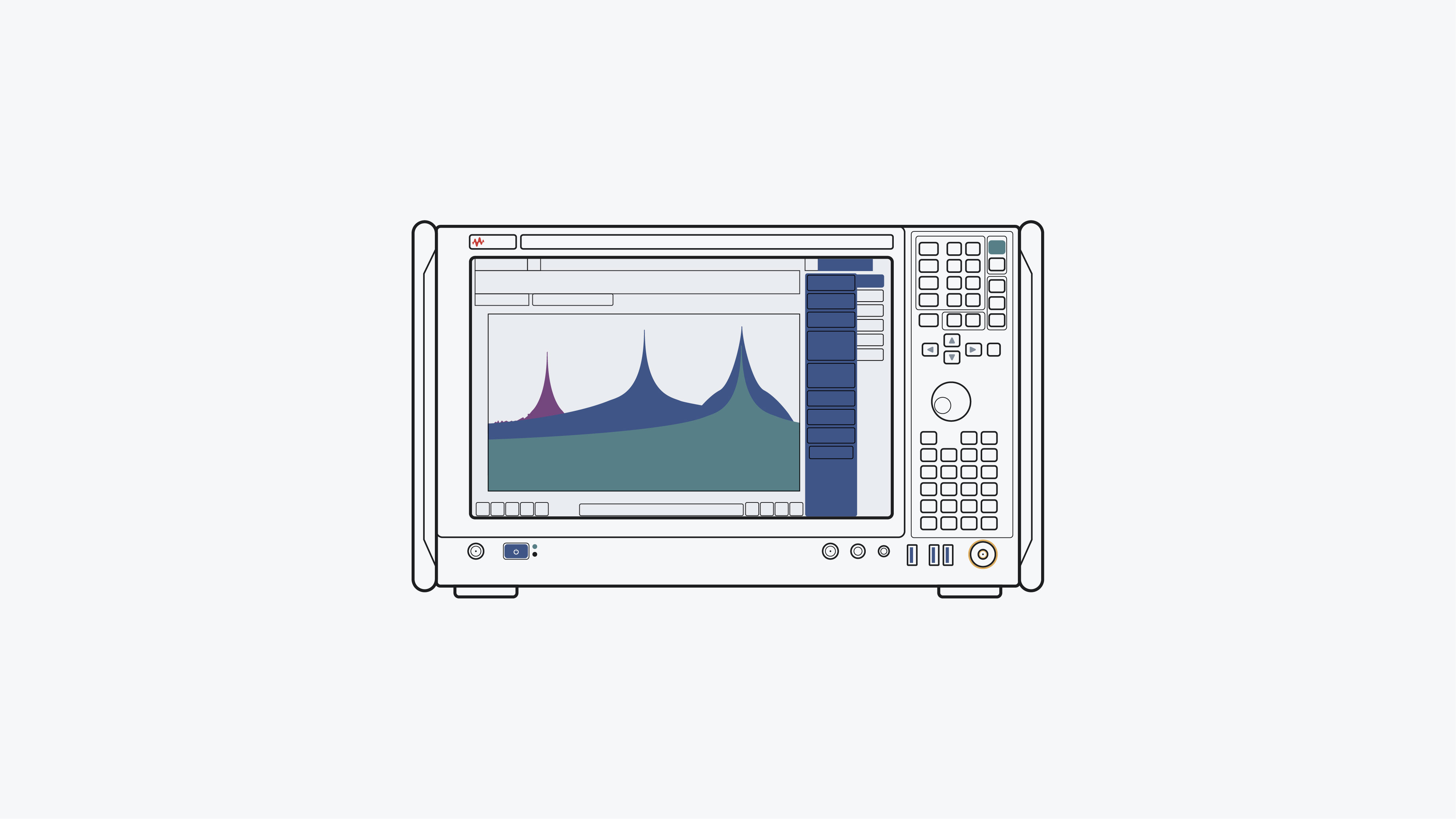
Measuring noise figure requires characterizing a receiver and its ability to detect
weak incoming signals in the presence of self-generated noise. Learn how to use the Y-factor method to conduct noise figure and gain measurements.
Learn More