How to Validate In-Vehicle Emergency Calling (eCall)

Recreate End-to-End eCall Scenarios
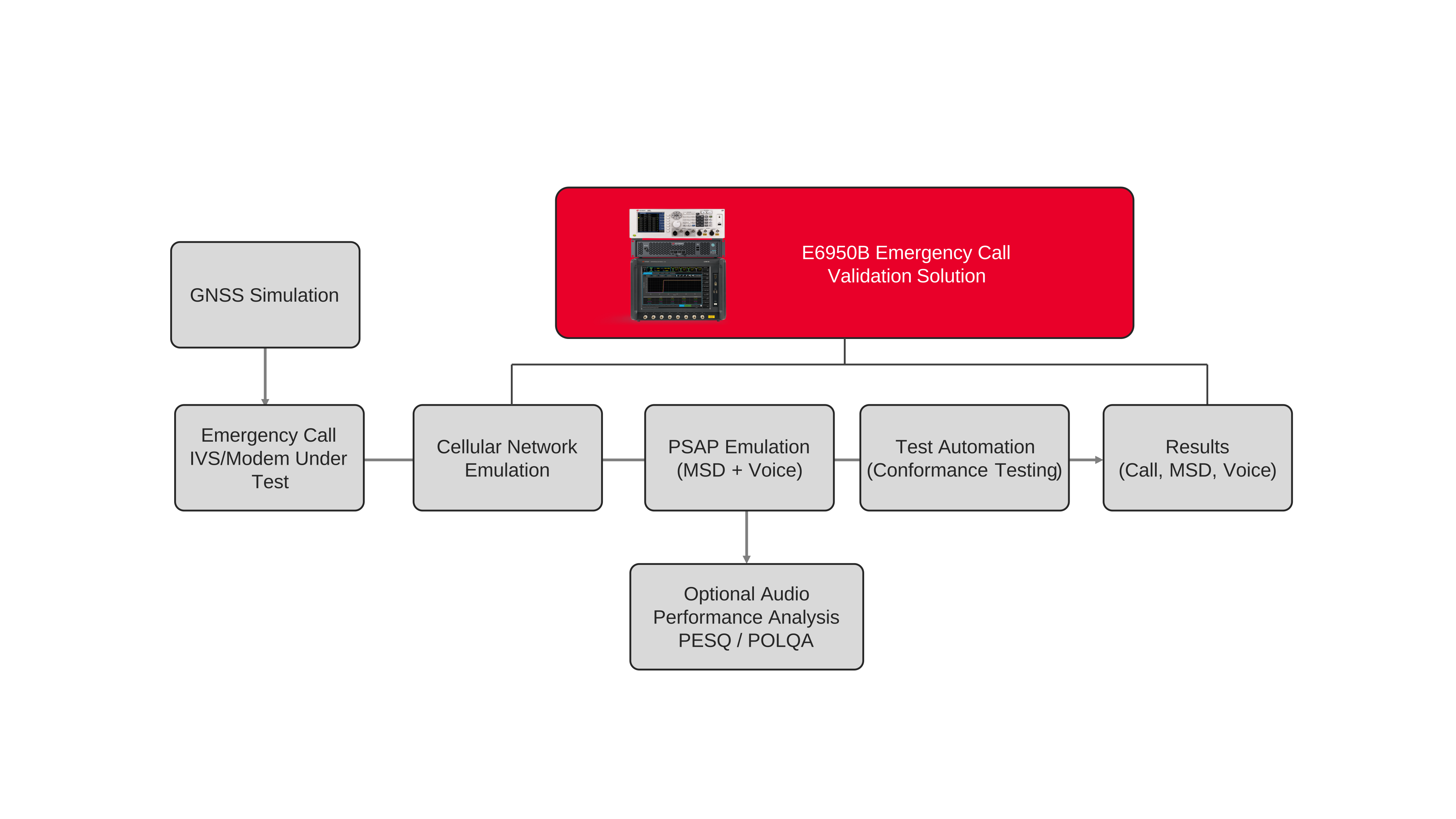
In-vehicle emergency-call (eCall) validation requires a test environment that reproduces the Global Navigation Satellite System (GNSS), cellular network, and Public Safety Answering Point (PSAP) around the in-vehicle system. Engineers provide controlled GNSS coordinates, establish the emulated cellular connection, and configure the PSAP endpoint so the complete eCall path can be exercised in the laboratory. The source workflow supports checking whether the in-vehicle system (IVS) or modem can trigger an emergency call without placing a call on a real mobile network, making the call sequence repeatable and directly observable. Static and dynamic GNSS inputs can vary the location scenario while preserving the same controlled call path.
Once the event is triggered, engineers follow the session through the required data and voice stages. The IVS uses the supplied position information to compile the Minimum Set of Data (MSD), sends the raw MSD through the emulated call path, and then establishes a voice connection with the PSAP. The supporting material also identifies automatic and manual emergency-call triggering, eCall flag behavior, acknowledgements, negative acknowledgements, timers, and result logs as useful checks for troubleshooting. Static and dynamic GNSS simulation allow the same call workflow to be repeated with different location inputs, while optional audio analysis can be added when the validation plan includes speech-quality testing of the established voice connection.

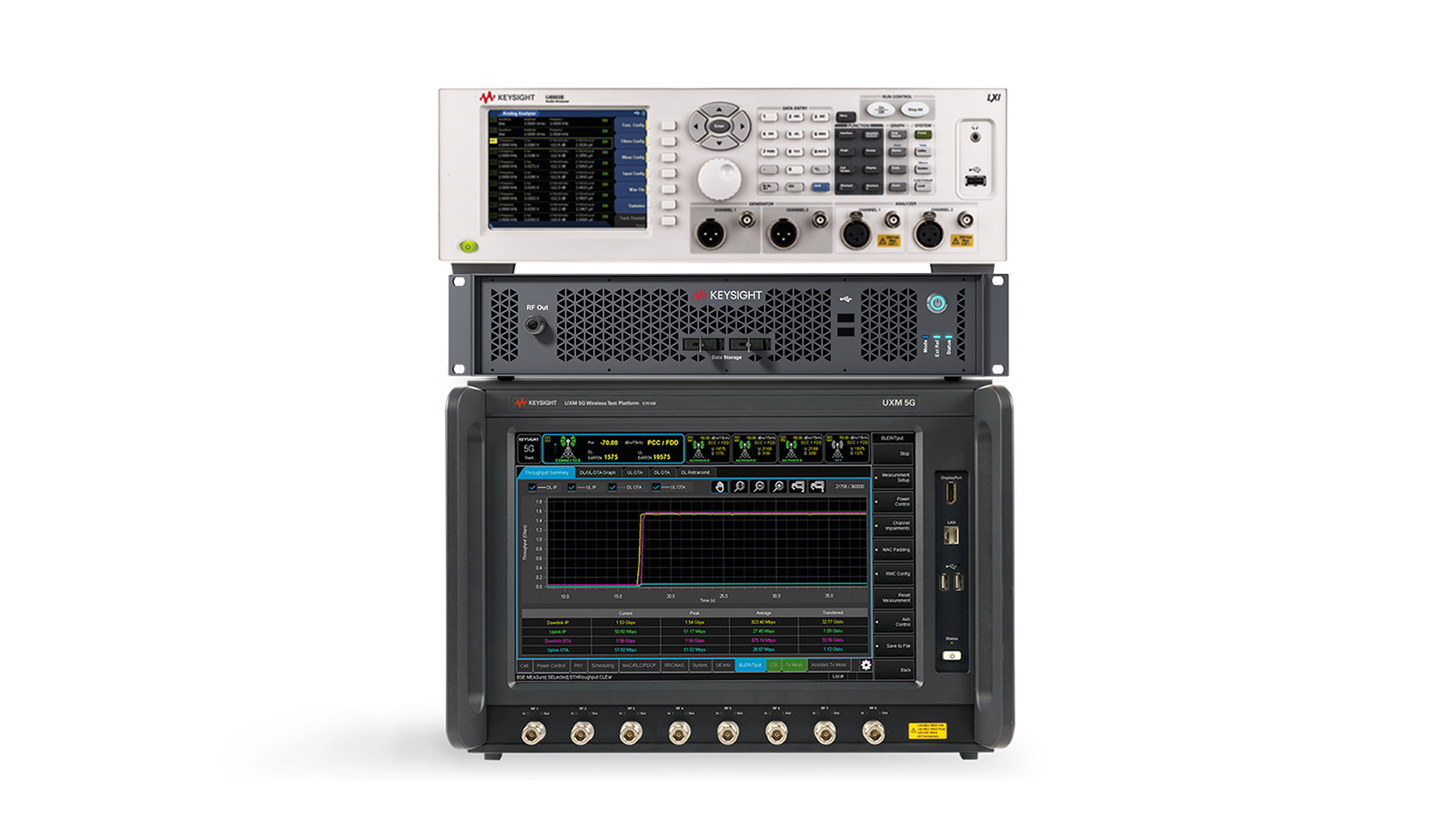
In-Vehicle eCall Validation Solution
See Block Diagram of In-Vehicle eCall Validation Solution

Explore Products for Our In-Vehicle eCall Validation Solution
-

![]()
E6950B eCall / ERA-GLONASS / NG eCall Conformance Test Solution


Discover Resources and Insights
Additional Resources for In-Vehicle eCall Validation
Related Use Cases

-
![]()
Learn More
How to Automate eCall / ERA-GLONASS Conformance Testing
Test eCall and ERA-GLONASS in-vehicle system behavior with repeatable conformance workflows and controlled emulation.
Learn More

-
![]()
Learn More
How to Test eCall Emergency Audio Performance
Test eCall emergency-call audio behavior during controlled IVS module sessions with repeatable network emulation.
Learn More
-
![]()
Learn More
How to Validate Next Generation eCall Conformance
Validate next generation eCall behavior using repeatable end-to-end conformance workflows for in-vehicle system modules.
Learn More

Get in Touch with One of Our Experts
Need help finding the right solution for you?