How to Characterize RF Pulse Rise and Fall Time

Characterize RF Pulse Transitions
Characterizing radio frequency (RF) pulse rise and fall time requires sufficient measurement bandwidth and temporal resolution to capture the transitions between the inactive and active portions of the pulse. Conventional average-power measurements can determine signal power but do not provide the time-domain information needed to evaluate how quickly a pulse reaches or leaves its steady-state level. Engineers therefore need a measurement system that can capture the changing RF power envelope with minimal distortion while maintaining a defined measurement reference throughout the test.
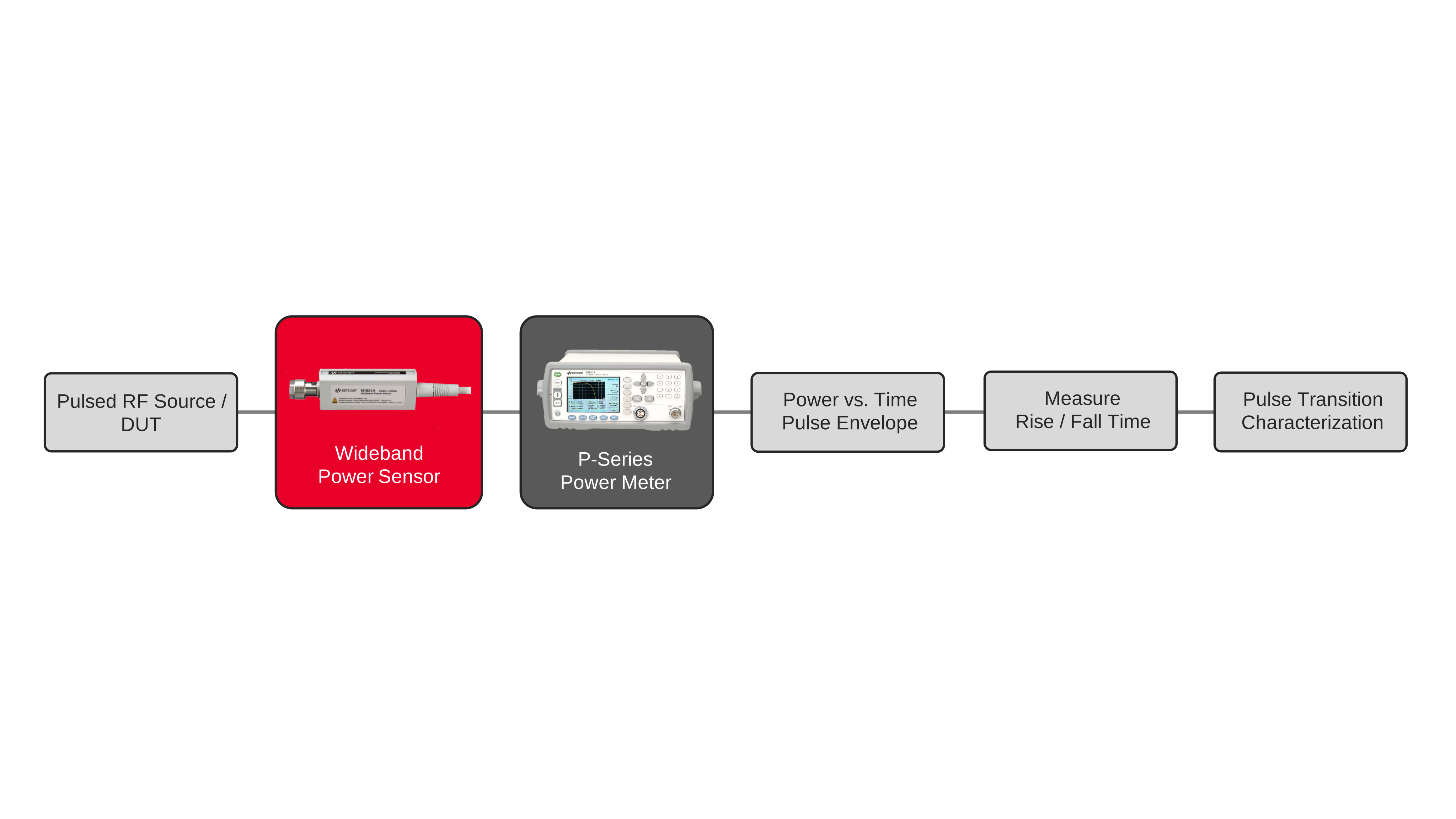
The measurement setup includes a wideband power sensor connected to a compatible power meter and the pulsed RF source or device under test. Engineers configure the measurement frequency and select an appropriate video bandwidth and acquisition mode before capturing the pulse. The resulting power-versus-time data can be analyzed to determine pulse rise time and fall time, as well as observe overshoot or other transient behavior. These measurements help engineers evaluate pulse fidelity and verify that RF transmitters and pulsed systems meet their intended transient-performance requirements.


RF Pulse Rise and Fall Time Measurement Solution
See Block Diagram of RF Pulse Rise and Fall Time Measurement Solution

Explore Products for Our RF Pulse Rise and Fall Time Measurement Solution
-

![]()
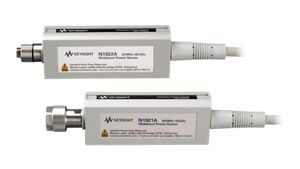
N1921A P-Series Wideband Power Sensor, 50 MHz to 18 GHz
-
![]()
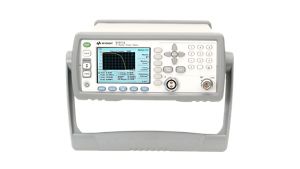
N1911A P-Series Single Channel Power Meter


Discover Resources and Insights
Additional Resources for RF Pulse Characterization
Related Use Cases


-
![]()
Learn More
How to Analyze Time-Domain Power in Wideband RF Signals
Analyze time-domain power in wideband radio frequency signals using a wideband power sensor and power meter to evaluate dynamic signal behavior.
Learn More

-
![]()
Learn More
How to Capture Fast Power Transitions in Wideband RF Signals
Capture fast power transitions in wideband radio frequency signals using a wideband power sensor and power meter for time-domain analysis.
Learn More
-
![]()
Learn More
How to Minimize Cable Loss in Large RF Measurement Setups
Minimize measurement errors caused by long radio frequency cables using distributed vector network analyzer measurements.
Learn More

Get in Touch with One of Our Experts
Need help finding the right solution for you?