













- Overview
- All Models
- Support
Seamless protocol decoding and field interoperability testing across wireless ecosystem
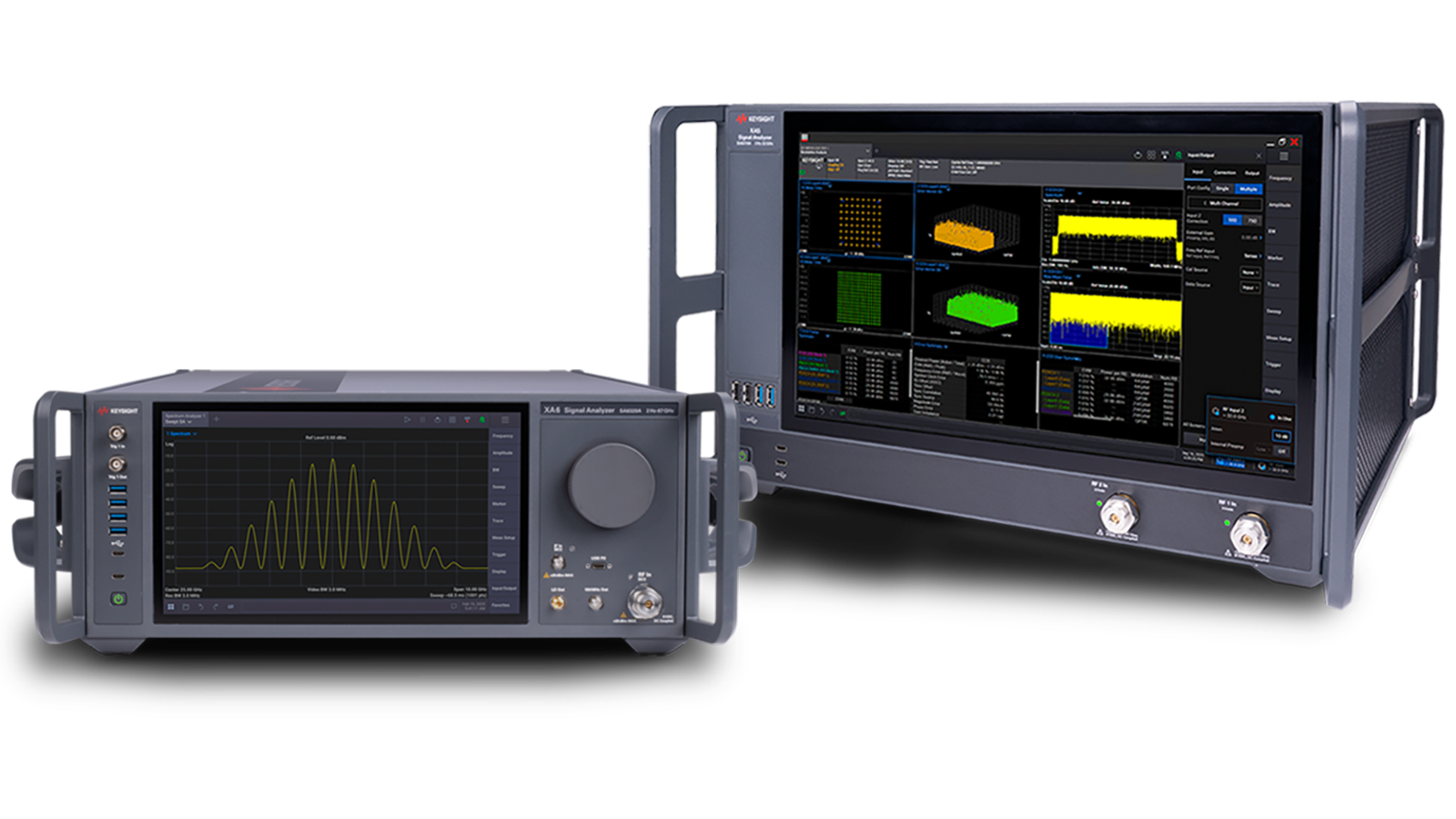
Keysight XA30-class wireless analyzers include WaveJudge models, offering end-to-end 5G solutions for modem, chipset, and radio access network (RAN). Provide field interoperability testing, enable fast debugging, and accelerate deployment. Our wireless analyzers provide problem-solving capabilities inside the wireless network through deep analysis tools that provide visibility into events spanning multiple layers. Locate protocol exchange errors not found in end equipment logs and understand how the PHY layer affects upper-layer performance. Choose one of our most popular configurations or build the one you need for your application. Need help selecting? Check out the resources below.
Passive signal analysis
Perform passive signal capture and analysis for debugging and troubleshooting during the development phase.
Multi-standard support
Support for real-time decoding for 5G, 3GPP NR (Rel 15-17), 3GPP LTE (Rel 9-16), and WiFi 802.11ax and 802.11be.
Scalable chassis
Scalable chassis up to 8 RF ports, allowing for flexible configurations to meet various testing needs.
High bandwidth
Channel bandwidth of up to 800 MHz per port and SSD storage for long IQ captures, useful for troubleshooting intermittent issues.
-
Frequency range
380 MHz to 6 GHz, 2 GHz to 11.4 GHz, 450 MHz to 8.4 GHz
-
Chassis ports
4 to 8
-
Real Time
LTE, eMTC, NB-IoT, 5G SA
Most popular configurations
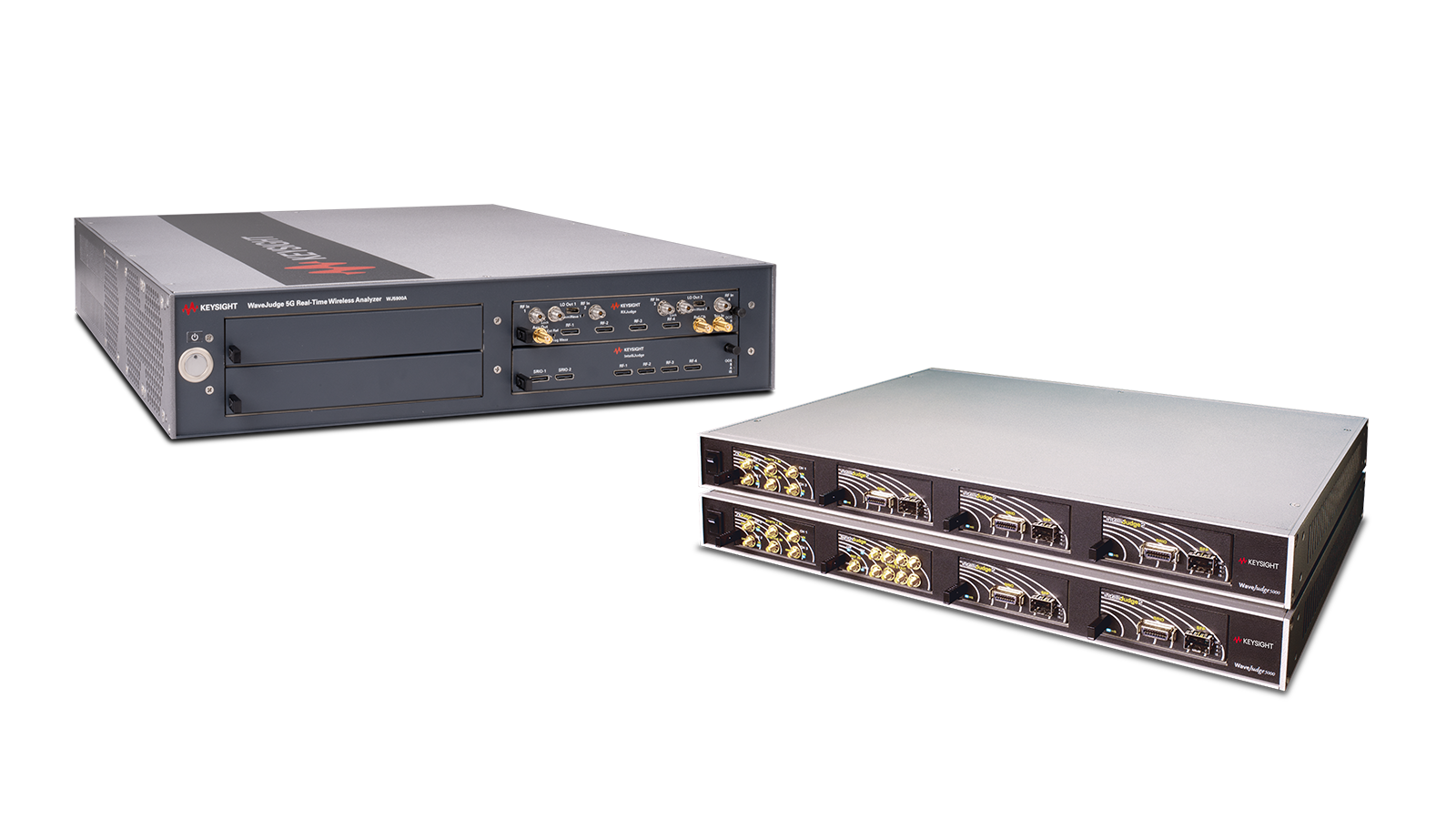
XA30-class Wireless Analyzer, up to 11.4 GHz frequency range
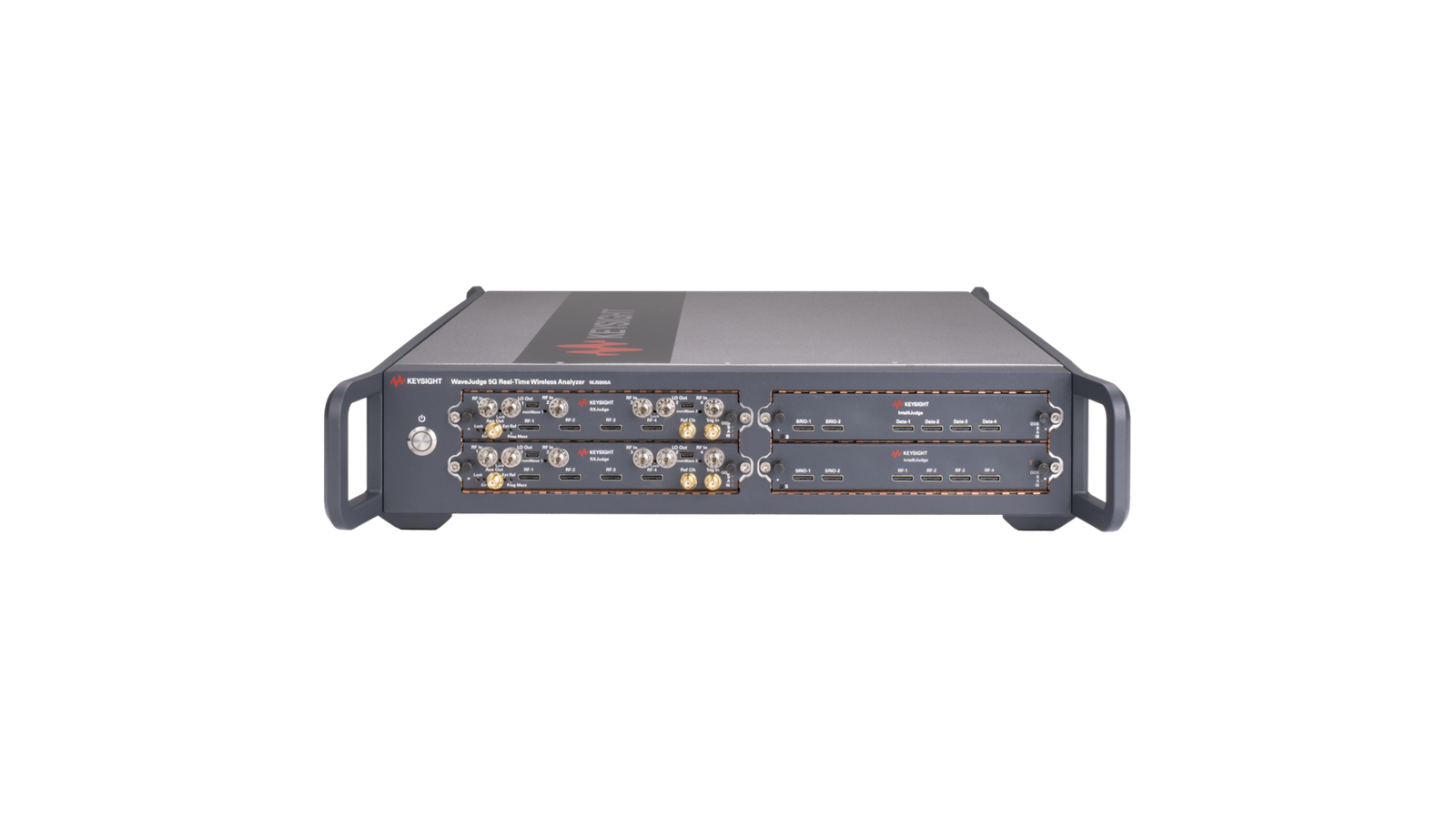
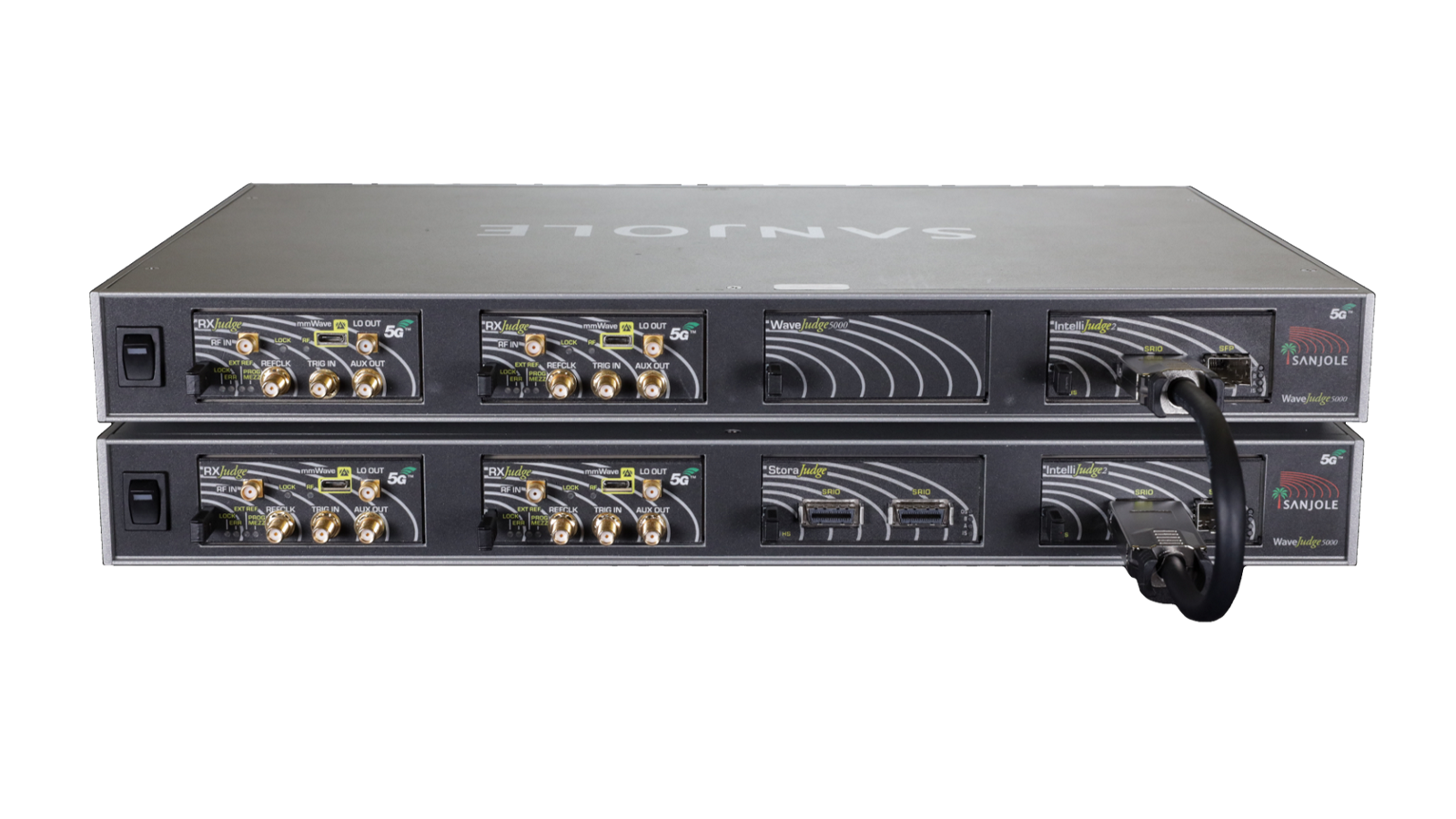
XA30-class Wireless Analyzer, up to 8 GHz frequency range
Services and support
Innovate at speed with curated support plans and prioritized response and turn-around times.
Get predictable, lease-based subscriptions and full lifecycle management solutions—so you reach your business goals faster.
Experience elevated service as a KeysightCare subscriber to get committed technical response and more.
Ensure your test system performs to specification and meets local and global standards.
Make measurements quickly with in-house, instructor-led training, and eLearning.
Download Keysight software or update your software to the newest version.
Frequently asked questions
Passive signal analysis is the process of observing and evaluating RF or wireless signals without actively transmitting or injecting any test signals into the device or environment. Instead, the analyzer listens to existing signals, such as those transmitted by wireless devices, base stations, or ambient sources. This approach is important in a wireless analyzer because it enables non-intrusive testing, allowing engineers to assess system behavior without disrupting operation. It provides real-world performance insights by capturing signals as they occur in actual deployments, which is essential for identifying interference, analyzing signal quality, and verifying protocol behavior.
Passive analysis also supports spectrum monitoring and interference hunting, enabling the detection of unauthorized transmissions or co-channel interference. Additionally, it enables decoding of wireless protocols like 5G, Wi-Fi, or Bluetooth for troubleshooting and compliance checks. By measuring parameters such as occupied bandwidth or spurious emissions, passive signal analysis plays a critical role in ensuring regulatory compliance and maintaining the integrity of wireless systems.
A specialized wireless analyzer is essential for Radio Access Network (RAN) testing because it is specifically designed to capture, decode, and analyze complex over-the-air signals and protocols used in modern wireless networks such as 4G LTE, 5G NR, and beyond. These analyzers provide deep visibility into both the physical layer (e.g., signal strength, modulation quality, interference) and higher-layer signaling (e.g., handovers, call setup, scheduling, and mobility events). This is crucial for validating network performance, identifying coverage gaps, detecting interference, and troubleshooting signaling issues that impact user experience.
Unlike general-purpose test equipment, a dedicated wireless analyzer supports time-synchronized measurements, protocol-aware decoding, and multi-channel analysis, enabling comprehensive end-to-end evaluation of RAN behavior under real-world conditions. This level of insight is critical for optimizing network performance, ensuring standards compliance, and accelerating deployment of new technologies.
PHY (physical) layer network testing is crucial for ensuring upper-layer performance in wireless systems, as it verifies the integrity and reliability of the foundational signal transmission. The PHY layer handles essential tasks such as modulation, coding, synchronization, and signal power—factors that directly impact data throughput, latency, and error rates experienced at the higher layers.
If the physical layer is compromised due to issues such as poor signal quality, interference, or fading, upper-layer protocols (such as MAC, RLC, or application-level services) can suffer from dropped connections, retransmissions, or degraded performance. By thoroughly testing the PHY layer, engineers can identify and resolve problems that would otherwise propagate up the stack, helping ensure that the entire wireless system operates efficiently, meets performance requirements, and delivers a high-quality user experience.