What are you looking for?
What is a Software-Defined Vehicle?
Definition of Software-defined Vehicle
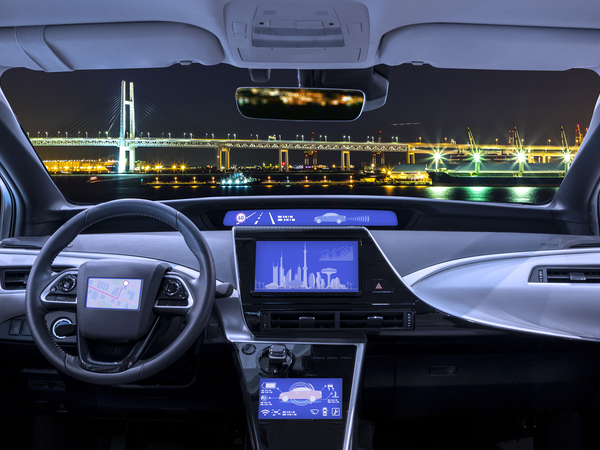
A software-defined vehicle (SDV) is a vehicle whose functionality and behavior are primarily determined by software rather than hardware. Unlike traditional cars built around a mechanical framework, SDVs use software to enable vehicle functionality.
SDVs are transforming how the automotive industry designs, develops, manufactures, and supports vehicles. Like the technological transition that occurred for cell phones to smartphones, SDVs will constantly evolve and improve through ongoing software updates. This shift represents a major evolution in the automotive industry—paving the way for further technological advancements like autonomous vehicles (AV).
Table of Contents
Key Components and Architecture of Software-Defined Vehicles
Traditional vehicles rely on a complex network of electronic control units (ECU) for functions like parking sensors or dashboard alerts. These fragmented systems – each with its own hardware and firmware – make integration and updates difficult.
A software-defined vehicle consolidates computing power into centralized and zonal architectures, significantly reducing the number of ECUs and enhancing connectivity with cloud services.


Software Layer
The software layer is the heart of the software-defined vehicle, empowering various systems that manage and control the vehicle functionality. The key software layer components include the following:
- Embedded operating system (OS) acts like the brain of the SDV, managing everything from critical functions to general operations.
- Middleware facilitates communication and data exchanges between the applications and the operating system.
- Applications provide driver and passenger experiences. Examples include advanced driver-assistance systems (ADAS), navigation, in-vehicle infotainment, and vehicle connectivity.


Hardware Layer
While software takes center stage in SDVs, powerful hardware is critical to basic vehicle operation. Hardware includes but is not limited to the following:
- Engine, transmission, other powertrain components
- Sensors, including cameras and radars, and the electronic control units (ECU) that manage various electrical systems.
- Chassis, suspension, and other body components
High-performance computing systems are necessary to process the vast amount of data collected by the sensors and run the software applications.


Overall Architecture
The software-defined vehicle architecture extends beyond the physical vehicle to include the following:
- Telecom equipment and connectivity enable real-time data exchange between the vehicle and the cloud.
- Vehicle manufacturer's servers store vehicle data, manage software updates, and provide critical backup capabilities.
- Surrounding infrastructure including roadside units and smart city systems interact with the vehicle to provide data or functionality.
Benefits and Challenges of Software-Defined Vehicles
The shift from traditional hardware-centric vehicles to software-defined vehicles and the technologies empowering this advancement offer both exciting benefits and substantial challenges. While SDVs represent a leap forward in the industry, overcoming these challenges is crucial to ensure a safe, secure, and trusted future for this technology.


SDV Benefits
- Enhanced performance and efficiency: Software can constantly monitor engine parameters, improve fuel or battery pack efficiency, and optimize driving dynamics.
- Improved safety: ADAS powered by sophisticated software can react faster in critical situations, leading to safer roads.
- Personalized experience: Software can tailor the driving experience to individual preferences, including customized dashboards, ambient lighting, and in-car infotainment for the driver or passengers.
- Predictive maintenance: Software can monitor vehicle health and predict potential issues before they become major problems, saving the vehicle owner time and money.


SDV Challenges
- Software complexity: The sheer quantity of code needed to manage an SDV is immense, increasing the risk of bugs and vulnerabilities.
- Cybersecurity threats: As SDVs become more connected and software-centric, cybersecurity grows more complex with every added interface. Robust cybersecurity measures are essential to protect vehicles from cyber-attacks.
- Compressed development cycles: The traditional four-to-five-year vehicle development cycle will transition to continuous development and shorter release cycles to keep pace with intensifying competition.
- Data privacy concerns: The vast amount of data collected by SDVs raises data privacy concerns. Clear regulations and strong data security practices are needed to ensure user trust.
Implementing Software-Defined Vehicles
While software-defined vehicles (SDV) promise reduced system complexity and greater flexibility, they also introduce new challenges, including compressed development cycles, expanded cybersecurity attack surfaces, and the need for tighter coordination across suppliers and technology partners.
The Keysight white paper examines the technical evolution of SDVs, detailing the transition to zonal computing architectures, service-oriented software frameworks, and over-the-air (OTA) update mechanisms. It further explores how DevOps, DevSecOps, and modular design approaches can help address accelerated timelines while underscoring the need for deeper software expertise and modernized design, development, and testing methodologies.


Advantages of Software-Defined Vehicles


Safety and Security Features
Software-defined vehicles enhance safety and security by enabling over-the-air updates that deliver safety improvements and bug fixes through software instead of physically recalling vehicles. SDVs also provide data-driven insights by collecting data from various sensors to improve safety features like collision avoidance or traction control.
Strong cybersecurity is vital to building public trust and adoption. Critical safety features, like automatic emergency braking (AEB), can be isolated from non-essential functions like infotainment systems, reducing the risk of hacks affecting core safety functionalities. Secure operating systems, communication protocols, and cloud-based platforms further strengthen protection through real-time threat detection and continuous security updates .
Overall, SDVs offer a more flexible and resilient framework for advancing vehicle safety and security — paving the way for safer roads.


Vehicle Performance and Efficiency
Software-defined vehicles deliver greater performance and efficiency through intelligent software that continuously monitors and optimizes the motor, transmission, and other systems for quicker acceleration, smoother handling, and potentially increasing power output. OEMs can release remote tuning updates to optimize performance for different driving conditions or enhance power through software updates. Drivers benefit from personalized software profiles that adjust vehicle settings for better fuel economy, sportier handling, or overall performance.
SDVs boost vehicle efficiency by analyzing driving patterns and road conditions to optimize fuel consumption or extend electric vehicle range through smarter battery management. Predictive maintenance uses sensor data to identify potential issues before failures occur, reducing downtime. By shifting functionality from hardware to software, SDVs can also reduce the number of physical components, lowering vehicle weight and improving efficiency. SDVs transform vehicles into adaptable systems, fine-tuned for better performance and efficiency throughout their lifespan.
Autonomous Vehicles and Transportation Systems
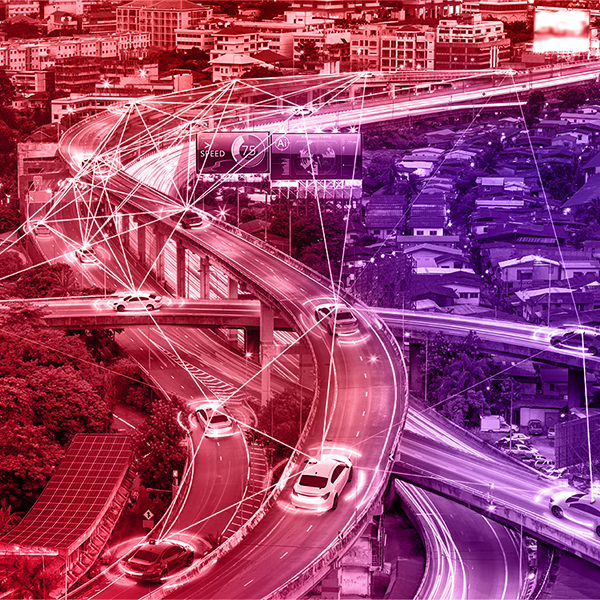
Software-defined vehicles are expected to play a major role in advancing autonomous vehicles and reshaping transportation systems. By shifting innovation from hardware to software, SDVs facilitate faster development cycles for vehicle systems and rapid iteration of self-driving algorithms through software updates, accelerating the path to SAE Level 4 and 5 AVs. The modular software architecture enables automakers to offer scalable features, from assisted driving to full self-driving, on the same hardware platform to meet diverse consumer needs and safety regulations in different regions.
Software-defined vehicles can also transform entire transportation systems. On-demand mobility, including ride-hailing and car-sharing services can leverage the SDV software to manage vehicle fleets, optimize routing, and personalize user experiences. Autonomous vehicles equipped with vehicle-to-vehicle (V2V) or vehicle-to-infrastructure (V2I) software can communicate with its environment, to improve traffic flow, reduce congestion, and shorten commute times. These advances support a shift from car ownership to mobility-as-a-service (MaaS), enabling new business models such as vehicle subscriptions, usage-based insurance, and other innovative transportation services.
History and Future Outlook of Software-Defined Vehicles
The concept of software-defined vehicles is not entirely new, but it gained traction in the 2010s. As vehicles steadily incorporated more software from engine management to basic infotainment systems, these advances laid the groundwork for today’s SDV model.
Tesla is often credited with popularizing the software-defined vehicle (SDV) concept through its use of over-the-air (OTA) software updates. While Tesla might be a frontrunner, automakers across the industry are rapidly developing SDV strategies to keep pace with consumer demand for continuous feature enhancements. As SDV evolve, they are expected to play a central role in the broader transformation of the automotive industry.
Industry Trends and Technological Advancements
The SDV ecosystem is driven by innovation and collaboration. OEMs are expanding their software development and partnerships with technology leaders such as Amazon and Google. Collaborations with chipmakers like NVIDIA and Qualcomm are enabling processing power for more advanced driver-assistance systems (ADAS).
The stronger focus on software has facilitated more standardized hardware platforms across different vehicle models, streamlining development process and accelerating software innovation. Cloud connectivity enables features like real-time traffic updates and remote diagnostics, while artificial intelligence (AI) is enhancing ADAS, personalizing in-car experiences, and even supporting progress toward SAE Levels 4 and 5 autonomous vehicles.
Future Developments and Innovations
The future of software-defined vehicles promises continued innovation, including:
- Advanced personalization: Vehicles adapt to driver preferences using software and biometric recognition to customize seat settings, temperature, infotainment, and route recommendations.
- Predictive maintenance: Continuous system monitoring enables vehicles to detect issues early and proactively recommend service.
- Vehicle-to-Everything (V2X) communication: Real-time interaction with other vehicles, traffic lights, and infrastructure improves traffic flow, safety, and optimized routes.
- Enhanced cybersecurity: Advances in encryption, intrusion detection, and secure communication protect SDVs.
- Mobility-as-a-Service (MaaS): SDVs could support a shift from car ownership to on-demand mobility, enabling personalized, subscription-based transportation.
These developments provide a glimpse into the future with SDVs. As software technology evolves, new features will emerge, fundamentally changing how vehicles are designed, operated, and experienced.
Keysight Solutions for Software-Defined Vehicles















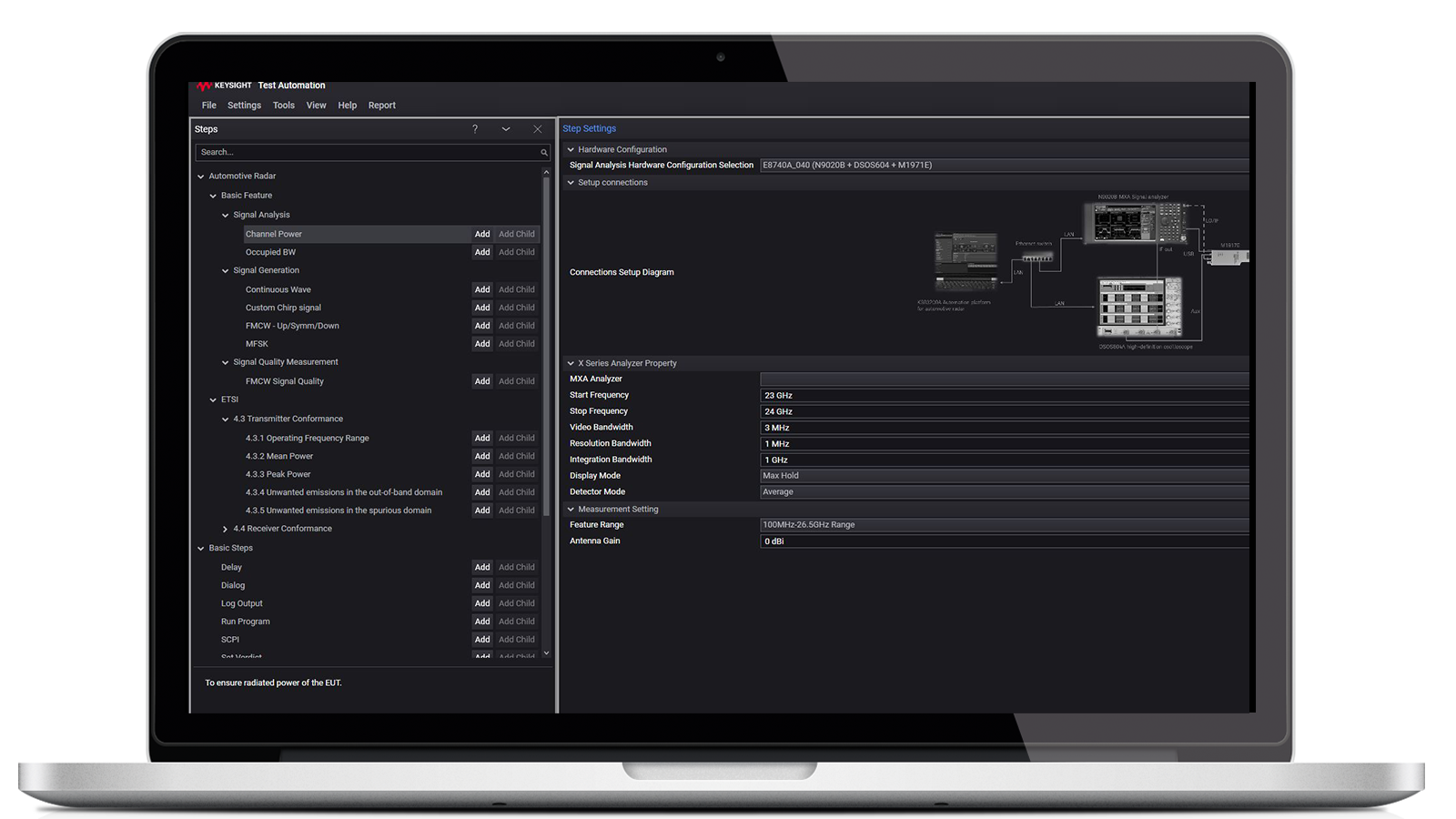
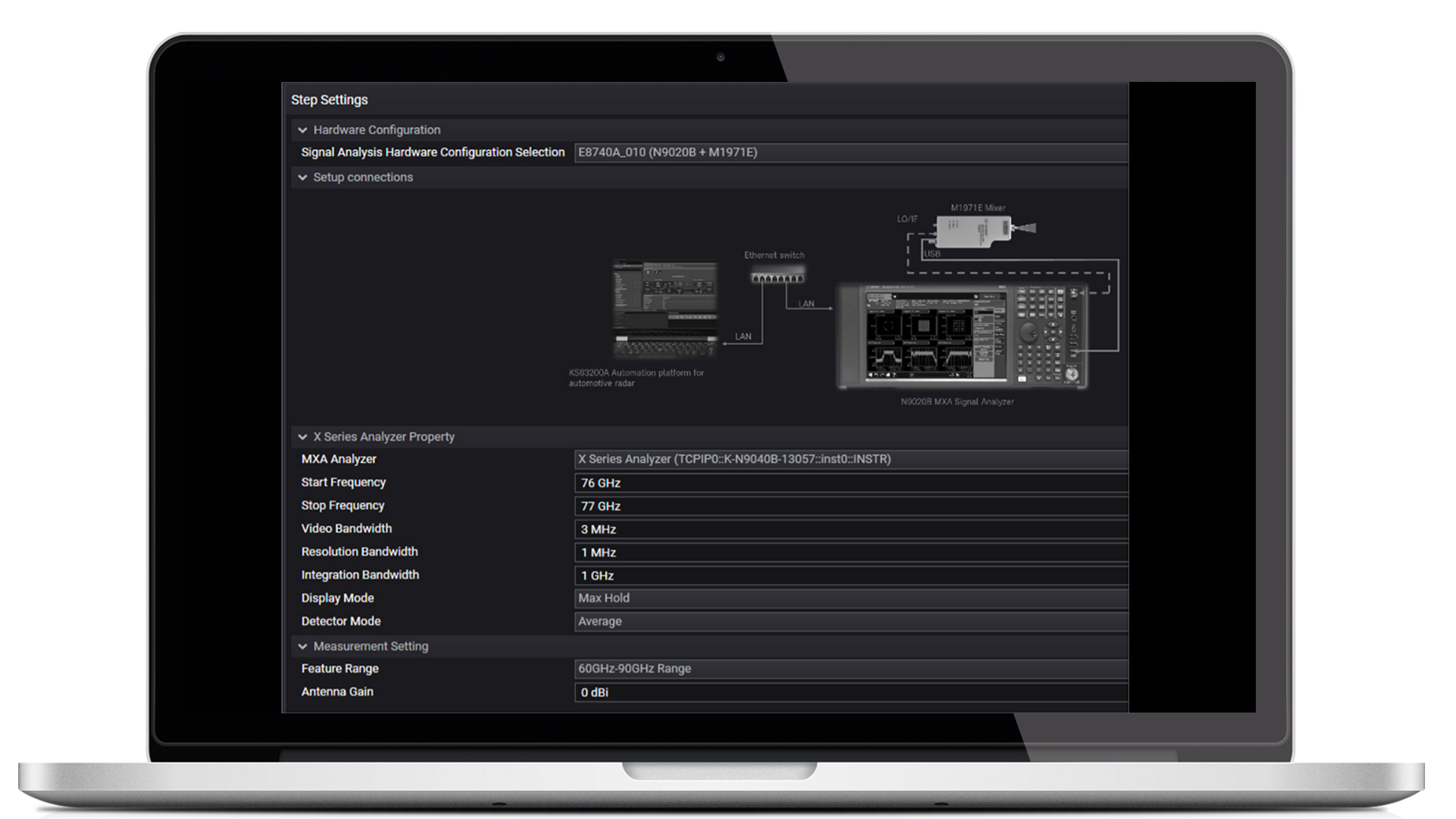

Keysight's role in Software-Defined Vehicle Development
The shift to SDVs marks a transformation from hardware-centric to software-driven vehicle design, enabling continuous updates, improved performance, personalized experiences, and the integration of ADAS. Continuous validation throughout the development pipeline, known as TestOps, is a critical part of this transition. Vigorous testing of these complex systems is critical to verify their safety and will determine whether AVs are safe enough to be on the road.
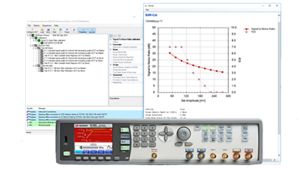
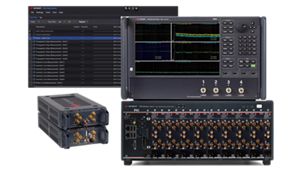
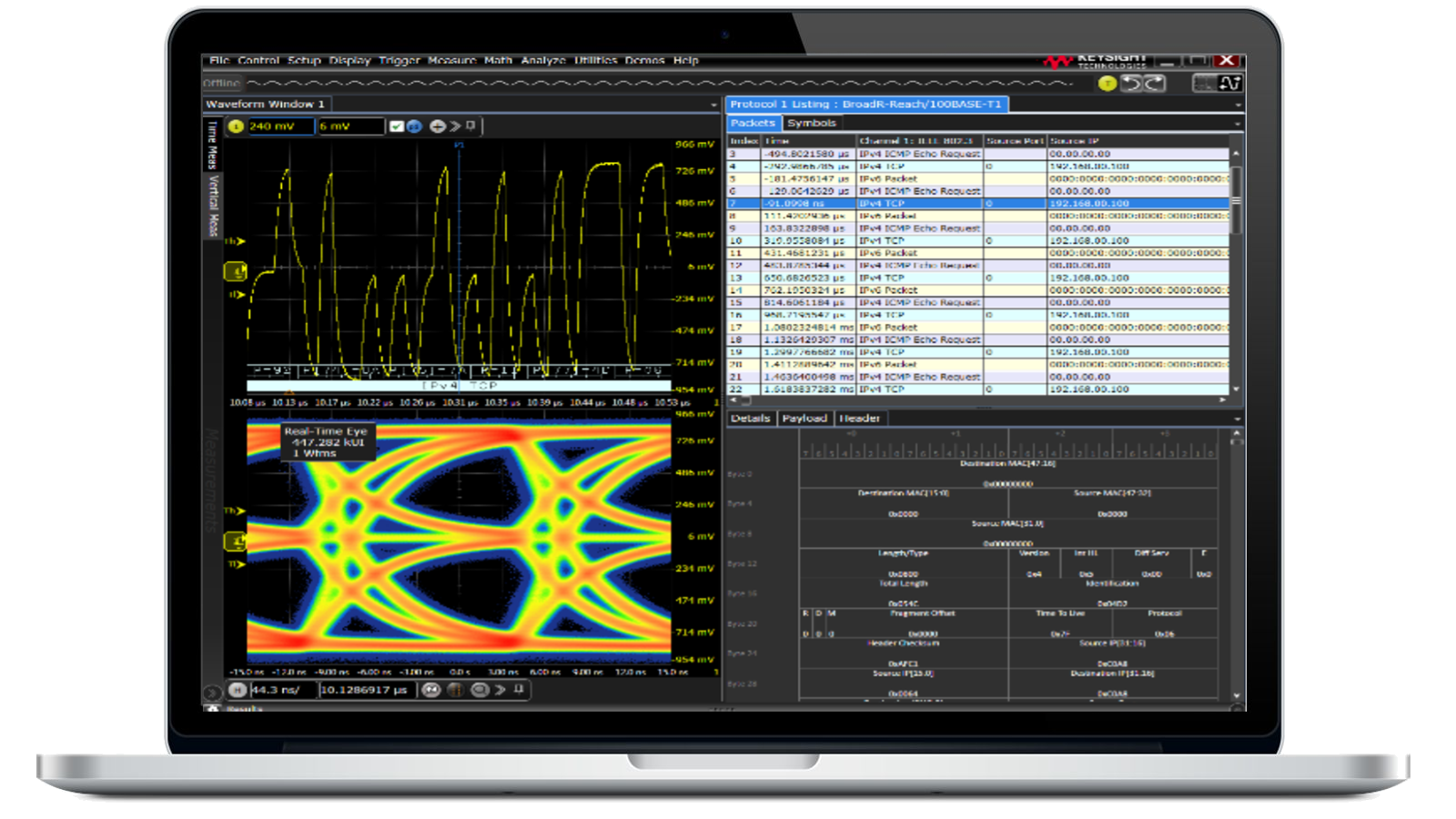
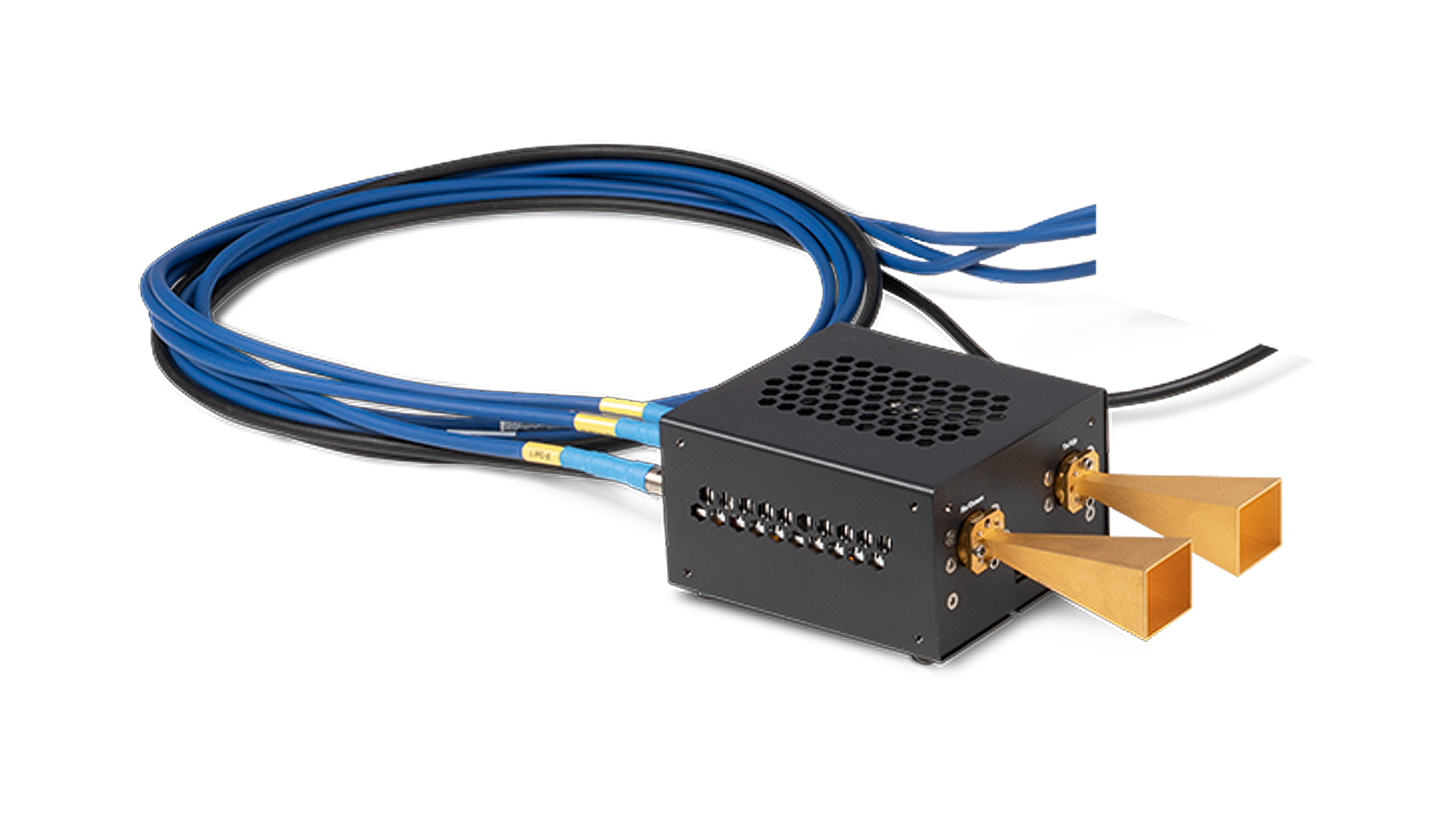
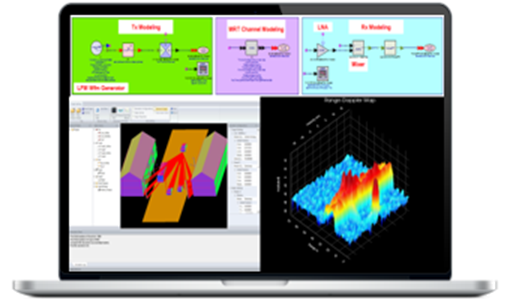
Keysight partners with SDV developers to provide solutions that test and validate the software at the heart of these next-generation vehicles. Keysight offers:
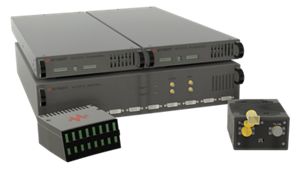
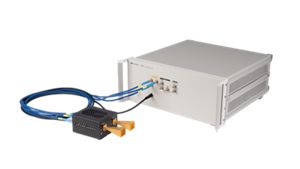
- Test and validation solutions specifically designed for SDVs
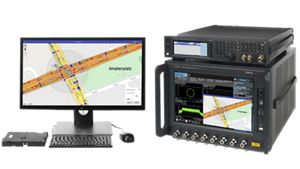
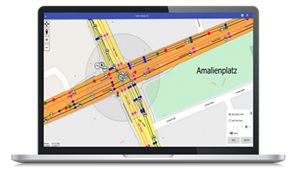
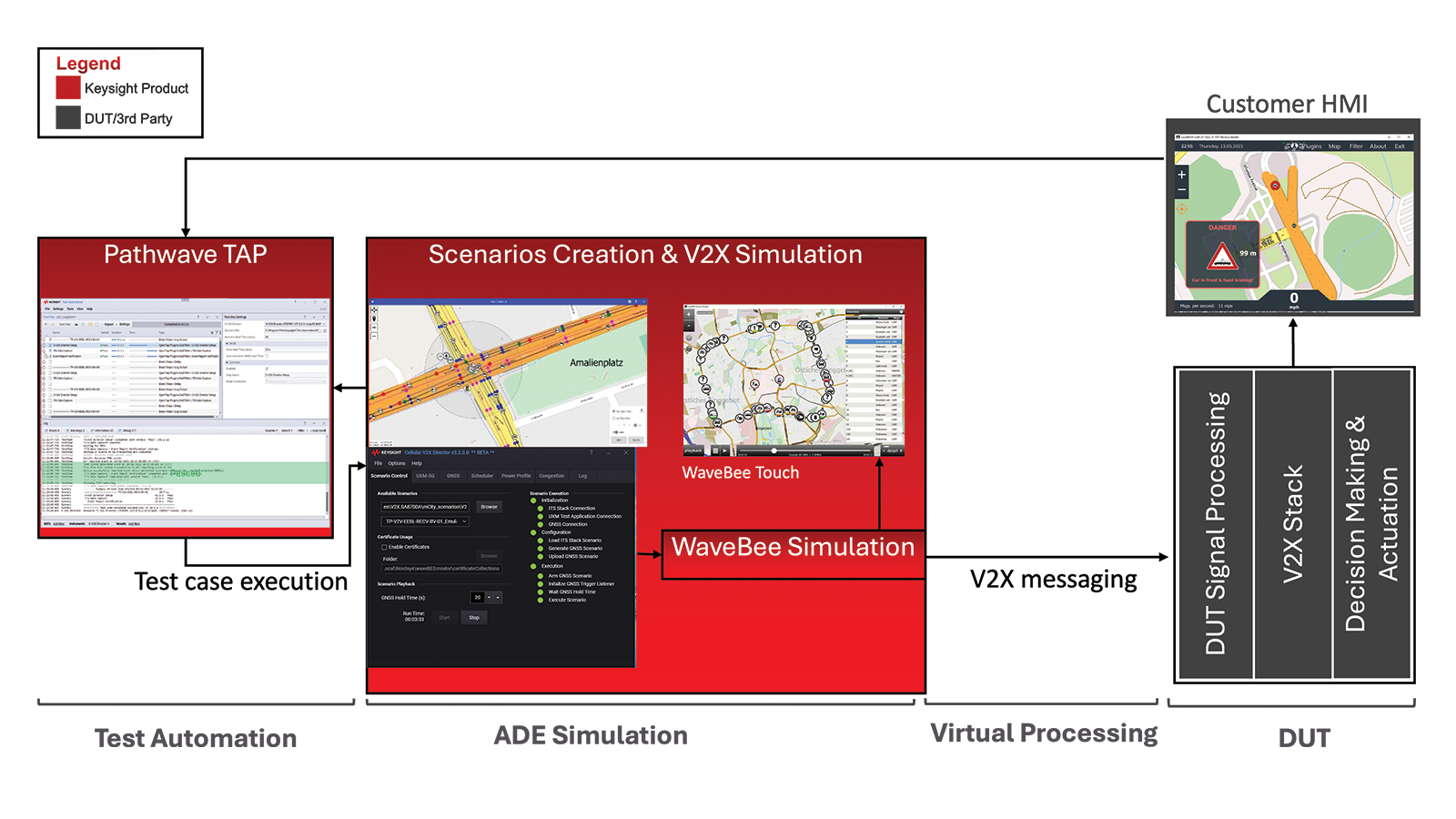
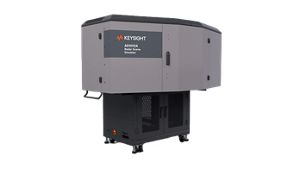
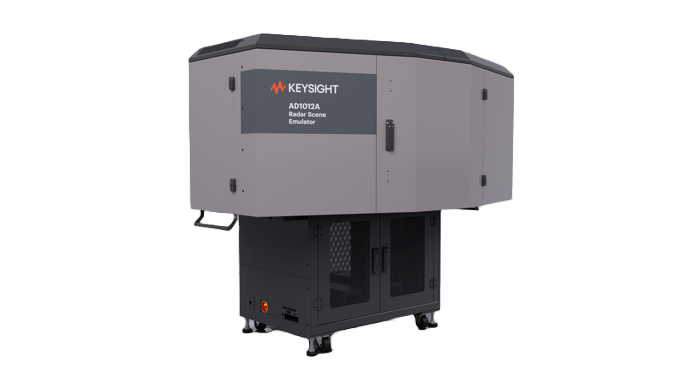
- Emulation of complex traffic scenes and driving conditions for ADAS and autonomous driving testing
- OTA and V2X communications testing
- Cybersecurity testing and expertise to help automakers identify and address vulnerabilities in their vehicles' software.
Discover Related Use Cases



Access Additional Resources





Accelerate your SDV Innovation
Leverage Keysight's deep domain knowledge and industry-leading design, emulation, and test solutions to accelerate the development of your SDV technology.


Software-Defined Vehicles – Frequently Asked Questions
Software-defined vehicles provide the opportunity for enhanced performance and efficiency, improved vehicle and road safety, evolving vehicle capabilities, a more personalized driving experience, and predictive maintenance. As vehicles become more software-driven, more capabilities can be realized over the lifetime of the vehicle rather than having to be finalized when it is produced.
The challenges of developing and implementing software-defined vehicles include the sheer software quantity and complexity, cybersecurity threats, data privacy concerns, shift to modular hardware and software and technical expertise gap in the workforce. Many of these challenges are being addressed currently and are not expected to hold back the advancement of SDVs.
Software-defined vehicles are transforming how the automotive industry approaches vehicle design, development, manufacturing, and support. Traditional vehicles offer limited functionality and features while SDVs remain constantly evolving and adaptable through ongoing software updates. This software-driven transformation is seen as a significant evolution in the automotive industry — paving the way for further technological advancements like autonomous vehicles.
Want help or have questions?