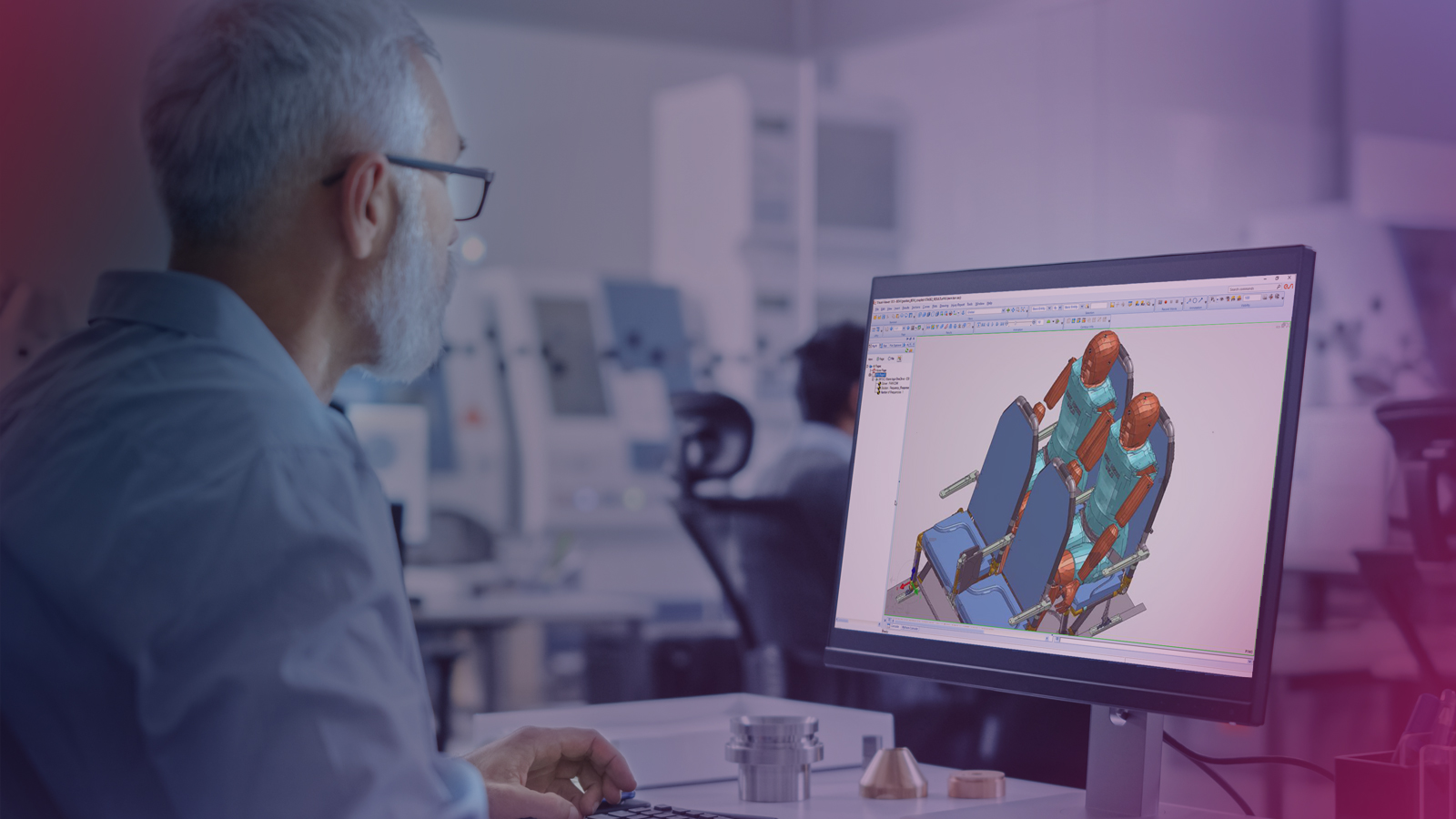
Choose a country or area to see content specific to your location
What are you looking for?
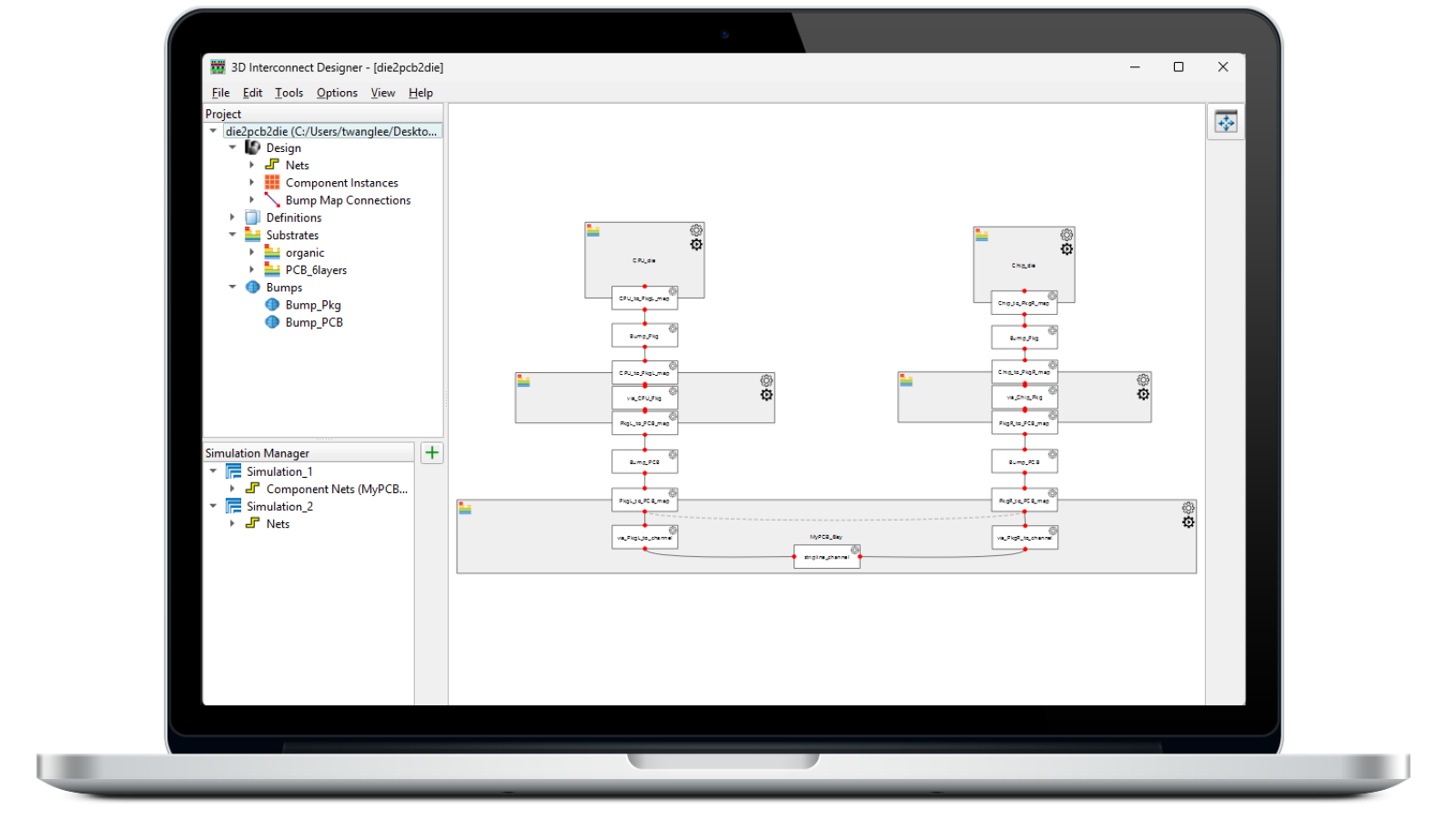
Design, model, and validate complex 3D interconnect architectures with a powerful standalone design environment.
Automate transmitter and receiver validation across next-generation I/O, memory, and fabric interfaces.
Strengthen 1.6T network reliability for AI-scale workloads from transceivers to interconnects.

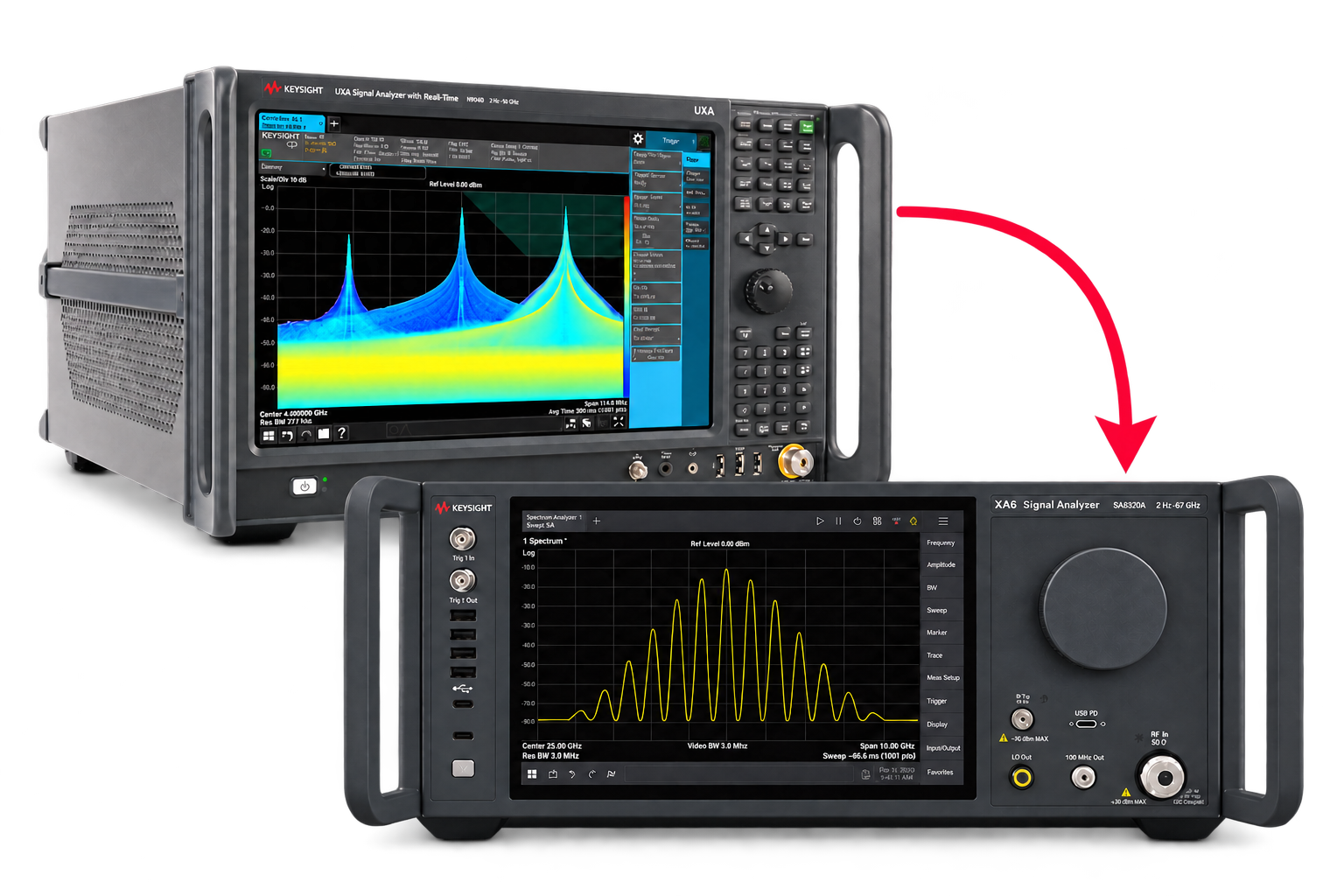
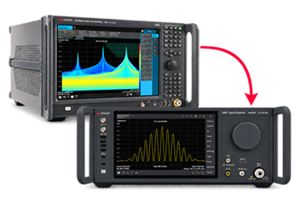
Pair Keysight VSA software with the new XA5 signal analyzer for advanced visualization, demodulation, and analysis — start your 30-day trial today.
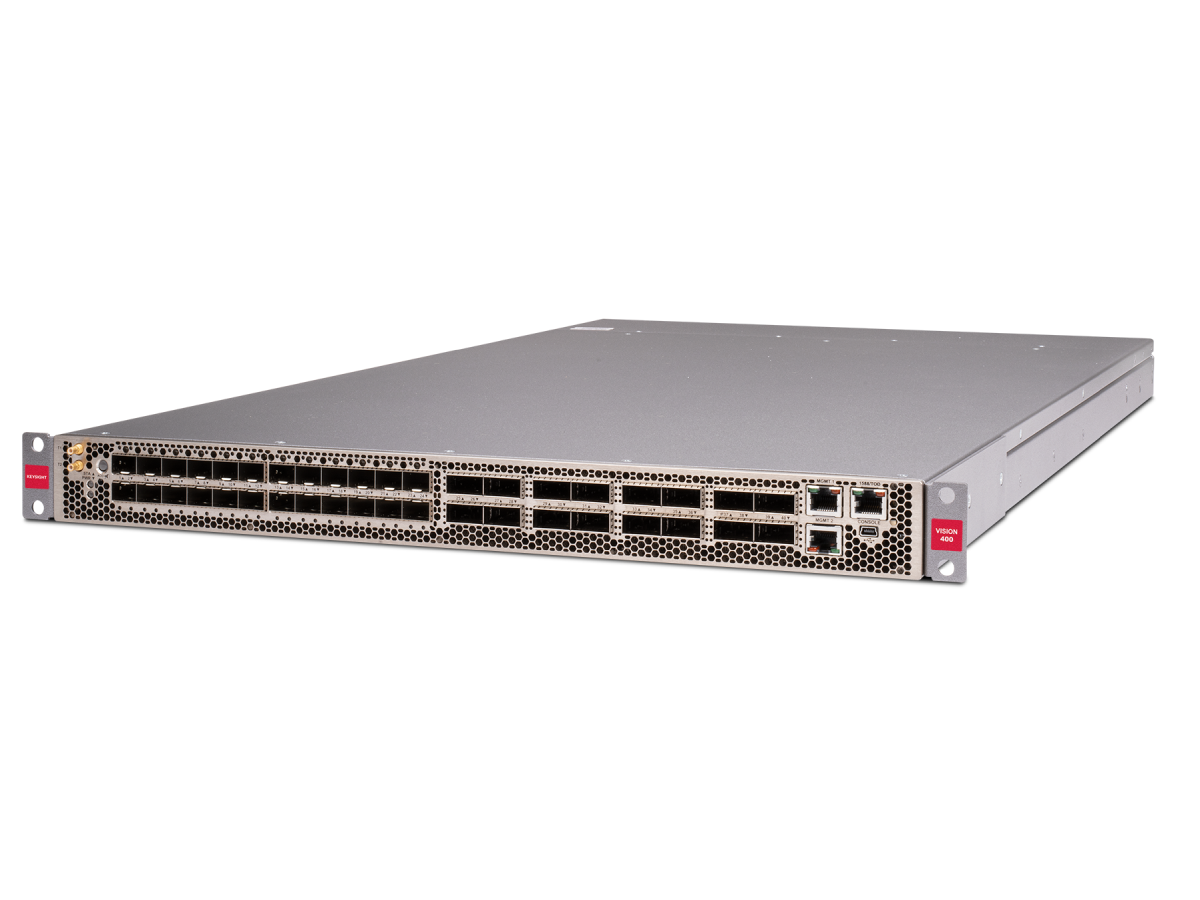
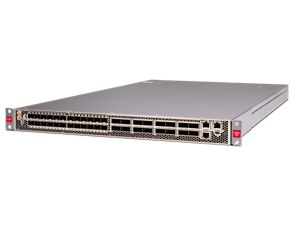
With extra memory and storage, these enhanced NPBs run Keysight's AI security and performance monitoring software and AI stack.
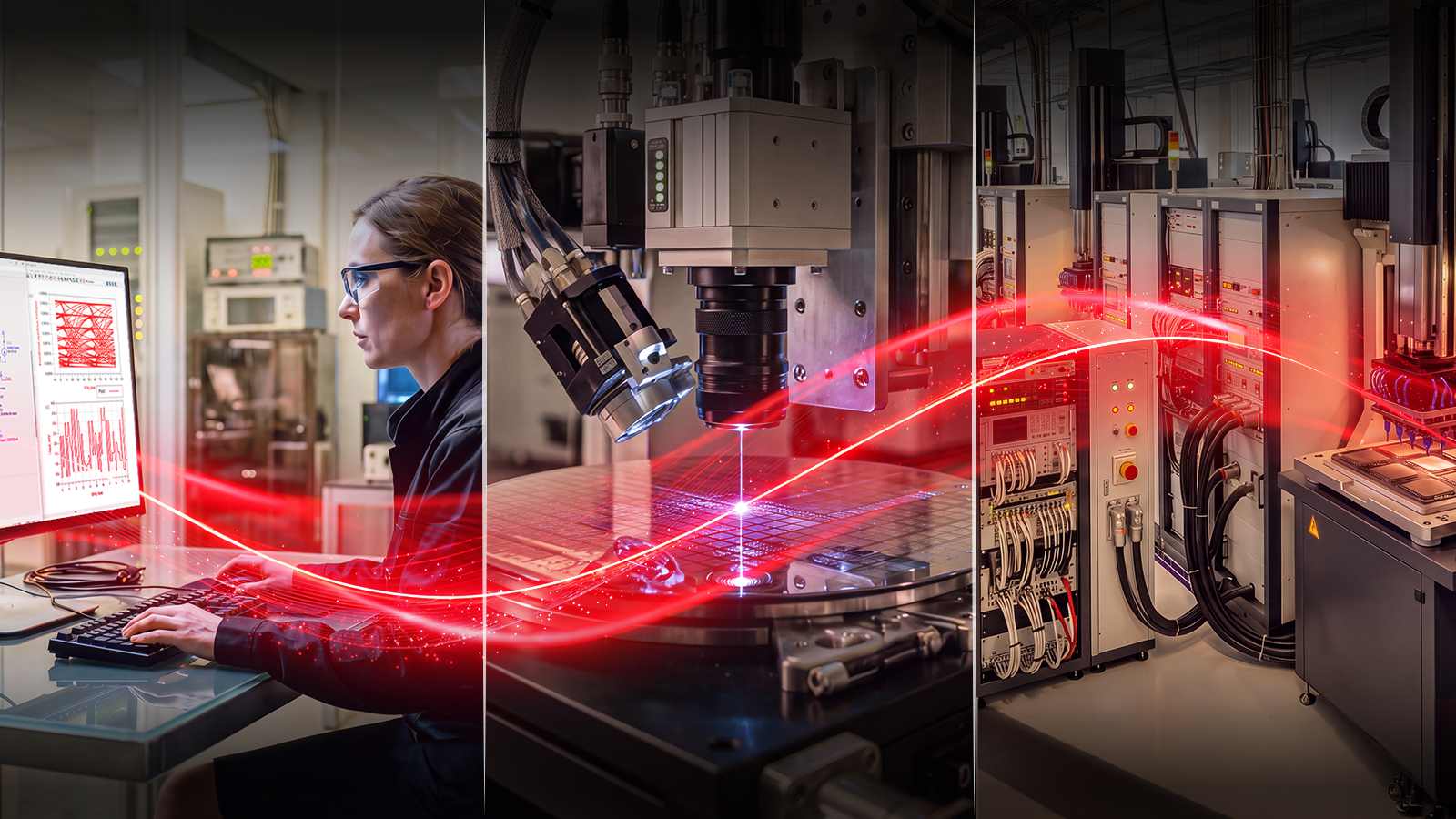
Explore end-to-end workflows spanning IC design, validation, wafer test, and photonics.
Save up to 50% on our latest instruments with eligible Keysight or competitor trade-ins.
Achieve 200+ Gbaud multi-level modulated signals with high-speed AWGs for digital and optical standards.
Maximize accuracy and performance with precision accessories engineered for Keysight instruments.
Save up to 50% on our latest instruments with eligible Keysight or competitor trade-ins.
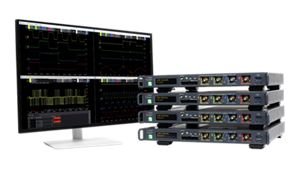
Four channels per 1U of rack space, up to 1 GHz bandwidth, and multi-oscilloscope synchronization.
Purpose-built solutions engineered for the design and test challenges unique to your industry.
Use Cases mapped to every stage of your product lifecycle, from design through operations.
Success Stories
Authoritative application notes, data sheets, reference designs, and test procedures to accelerate design and validation decisions.
Hands‑on bootcamps that teach system design, test methods, and production workflows engineers can apply immediately.
Learning Hub
Explore methodologies, test strategies, and technical resources for designing, validating, and scaling AI systems and networks.
Quick access to support related self-help tasks.
Additional content to support your product needs.
Explore services to accelerate every step of your innovation journey.
Trusted simulation software for crash, safety, and strength—built for speed, accuracy, and confidence.
Simulate Smarter. Deliver Safer.
Structural Mechanics (VPS) delivers high-fidelity simulation for crash, safety, strength, and dynamics early in the vehicle development cycle. Built on decades of expertise, Structural Mechanics (VPS) combines fast solvers, multi-scale modeling, and advanced material libraries to ensure accurate, repeatable results. Engineers gain integrated workflows, model order reduction, and co-simulation capabilities—accelerating design validation, reducing physical tests, and meeting evolving safety standards with confidence.
Accelerate Crash Optimization with Reduced Order Modeling.
ADMORE is Reduced Order Modeling (ROM) solution for structural crash optimization. By leveraging sPGD and ReCUR methods, ADMORE simplifies complex simulations, enabling engineers to explore thousands of design variations in days—not weeks. Proven in real-world applications, ADMORE dramatically reduces simulation time and cost while maintaining high accuracy. It empowers non-specialists to contribute to crash design, democratizing innovation and accelerating safe, lightweight vehicle development.
Predict Seat Performance. Optimize Occupant Comfort.
Virtual Seat Solution (VSS), a module within CAE Structural Mechanics, enables high fidelity simulation of seat structure, comfort, and occupant interaction early in the development lifecycle. Leveraging validated material models, detailed foam and trim behavior, and occupant coupling, VSS helps engineers accurately predict seat performance under static, dynamic, and crash loading. Integrated workflows and efficient solvers support rapid design iteration, reducing physical prototypes, accelerating certification readiness, and delivering seats that meet evolving regulatory and customer requirements with confidence.
Digitally pre-certify vehicle safety with lifelike human body models and full crash scenarios.
Simulate folding and deployment with precise gas flow modeling across crash types.
Achieve first-time certification and optimize performance from cell to full vehicle.
Virtually test for durability, misuse, and reliability—even with lightweight materials.
Predict fluid dynamics and optimize water drainage to prevent damage and ensure reliability.
Simulate seat structures for strength, safety, and comfort—balancing crash performance with ergonomic design.
blogs
blogs
blogs
blogs
White Papers
Structural Mechanics (VPS) is a high-fidelity simulation platform designed for crash, safety, strength, and dynamic analysis early in the vehicle development cycle. It combines fast solvers, multi-scale modeling, and advanced material libraries to help engineers reduce physical testing and accelerate validation.
Structural Mechanics (VPS) minimizes the need for expensive prototypes by enabling accurate virtual testing early in the design process. Its fast solvers, unified modeling, and automation streamline workflows—shortening development cycles while improving reliability.
Structural Mechanics (VPS) is widely used in industries where safety and structural performance are critical, including:
Use cases include crash and safety simulation, airbag engineering, battery safety for EVs, vehicle strength and dynamics, water management, and seat design. Each use case helps engineers improve safety, reliability, and performance through virtual testing.
Automotive engineers, CAE specialists, and multidisciplinary design teams gain the most value, especially those focused on improving safety performance, reducing prototypes, optimizing lightweight structures, and meeting evolving regulatory standards.
Structural Mechanics (VPS) helps organizations move toward virtual testing, where many safety evaluations can be performed digitally before physical prototypes exist. By simulating standardized tests and real-world conditions, engineers can validate designs earlier and improve confidence before performing physical validation.
ADMORE is a Reduced Order Modeling (ROM) solution that accelerates crash optimization by enabling exploration of thousands of design variations in days instead of weeks—without compromising accuracy. It allows both specialists and non-specialists to contribute to crash design.
Let’s discuss how our simulation tools can support your next project.
What are you looking for?