













Expose Weaknesses. Improve Resilience.
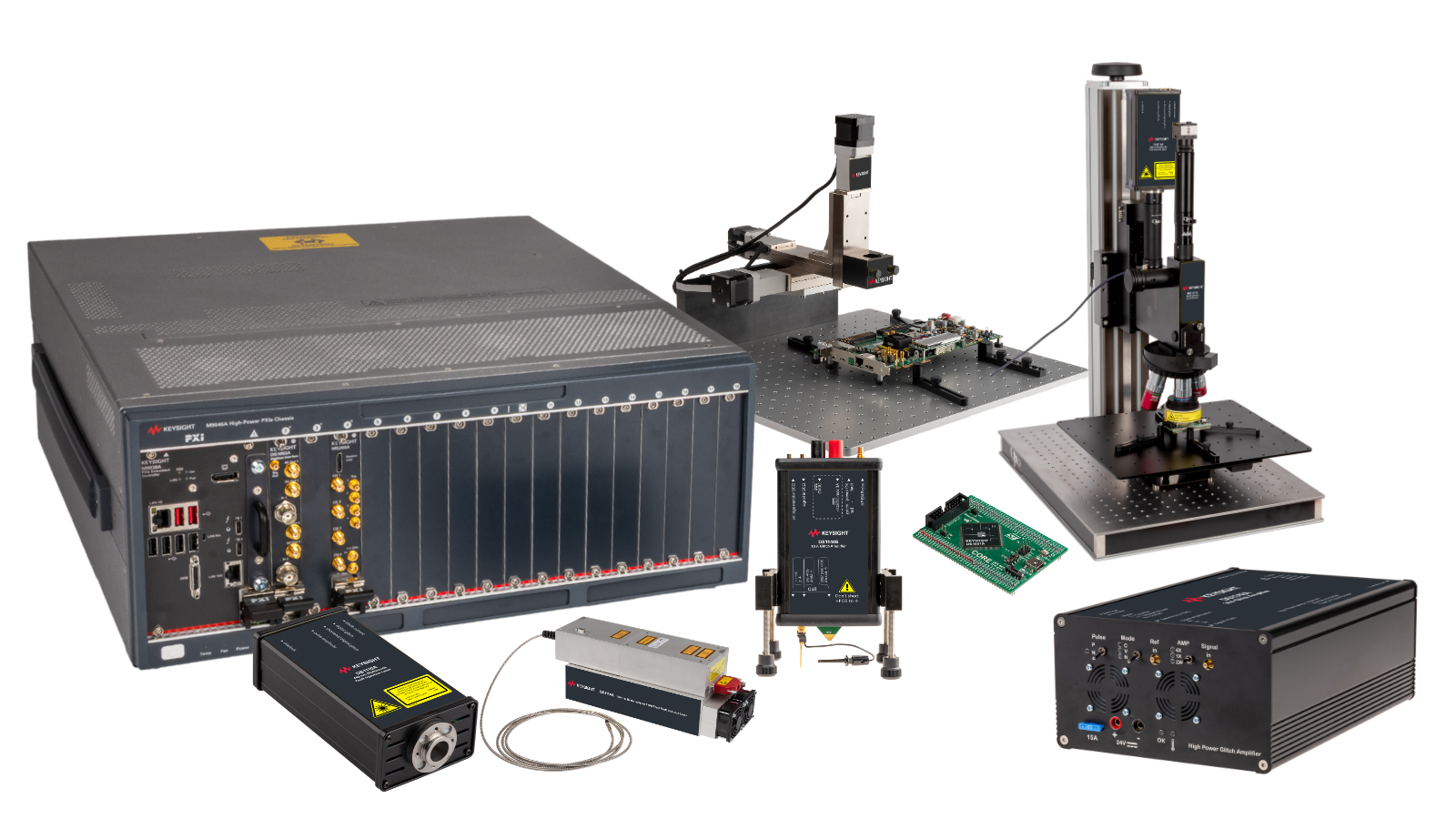
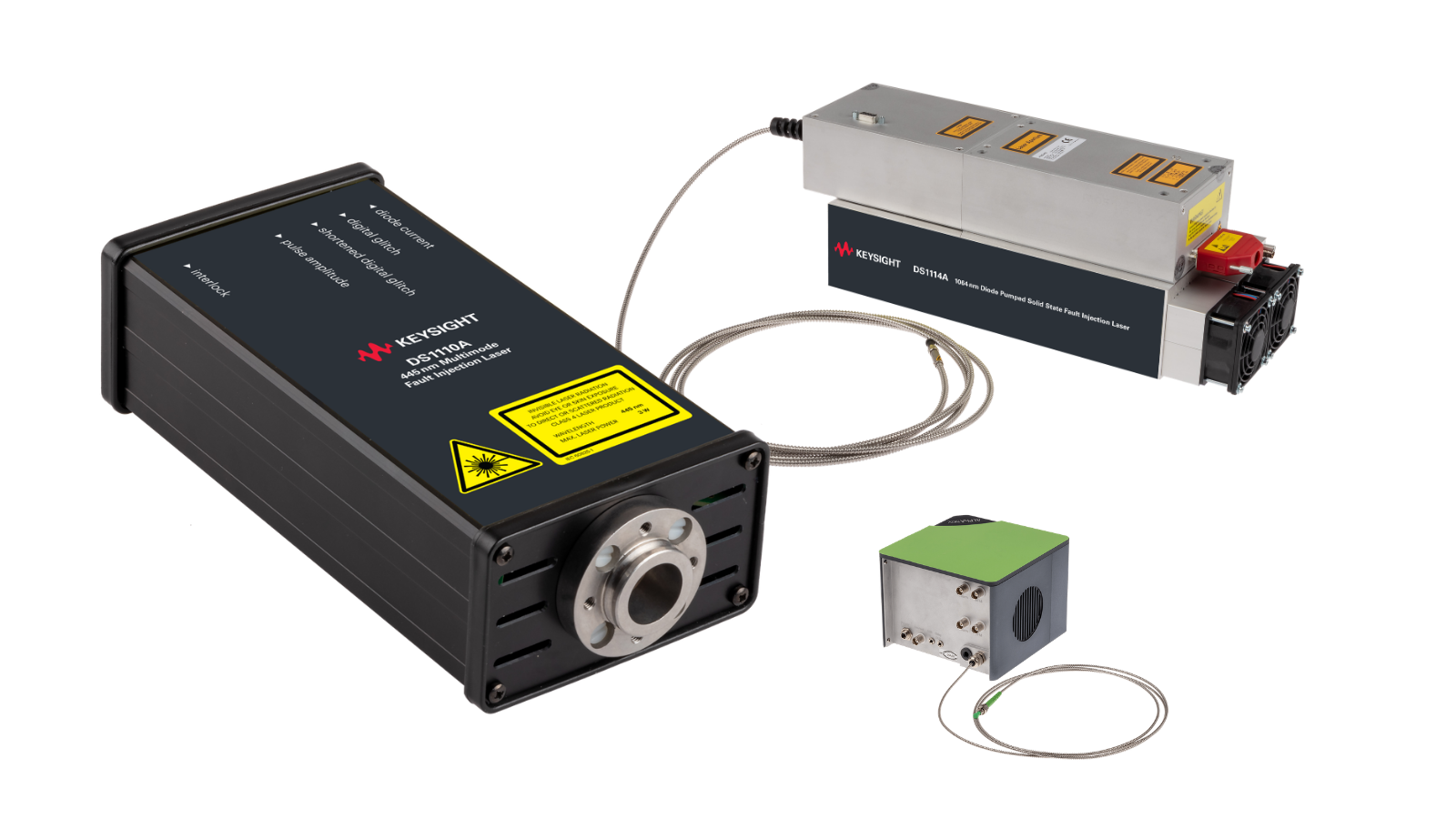
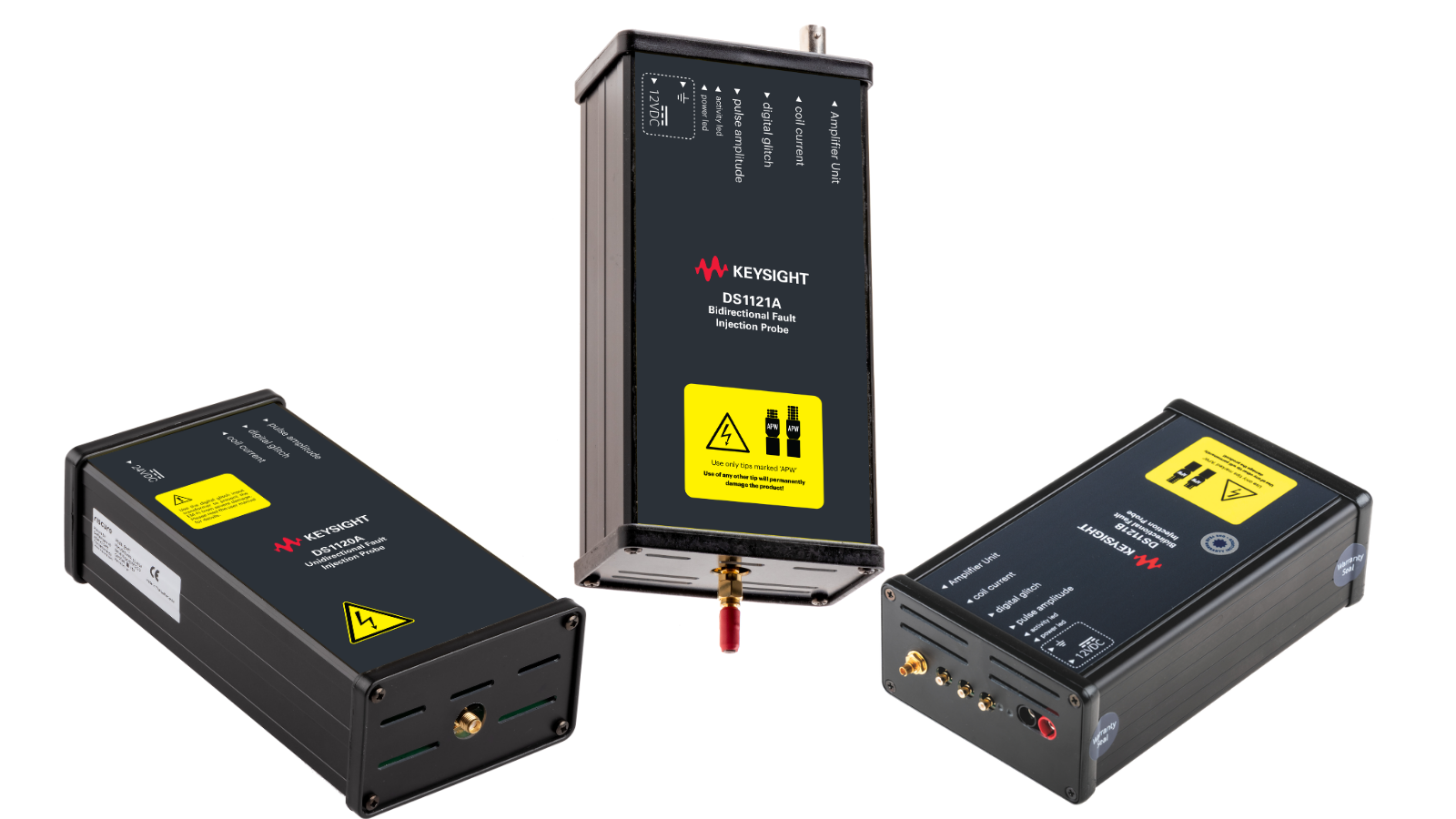
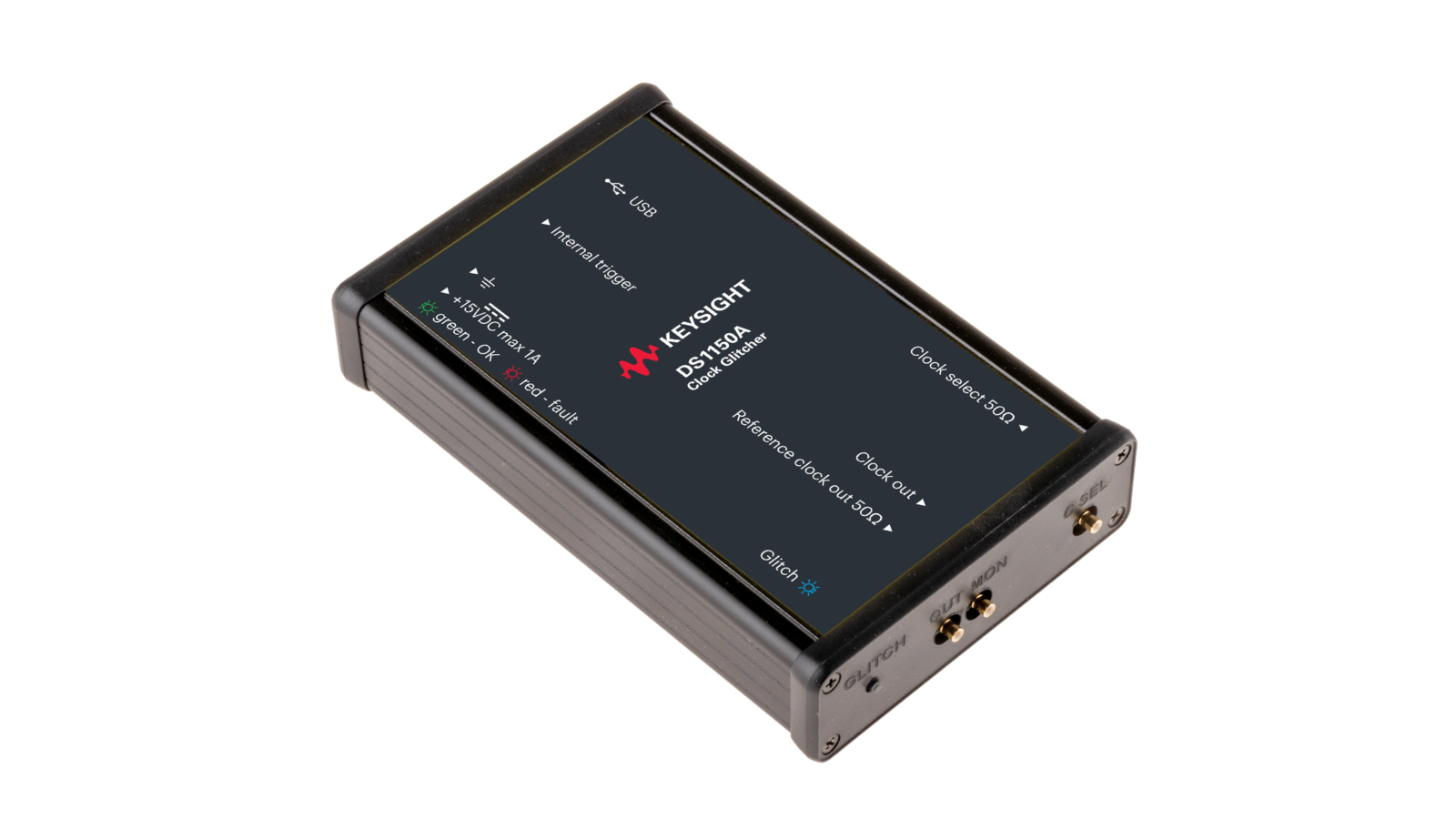
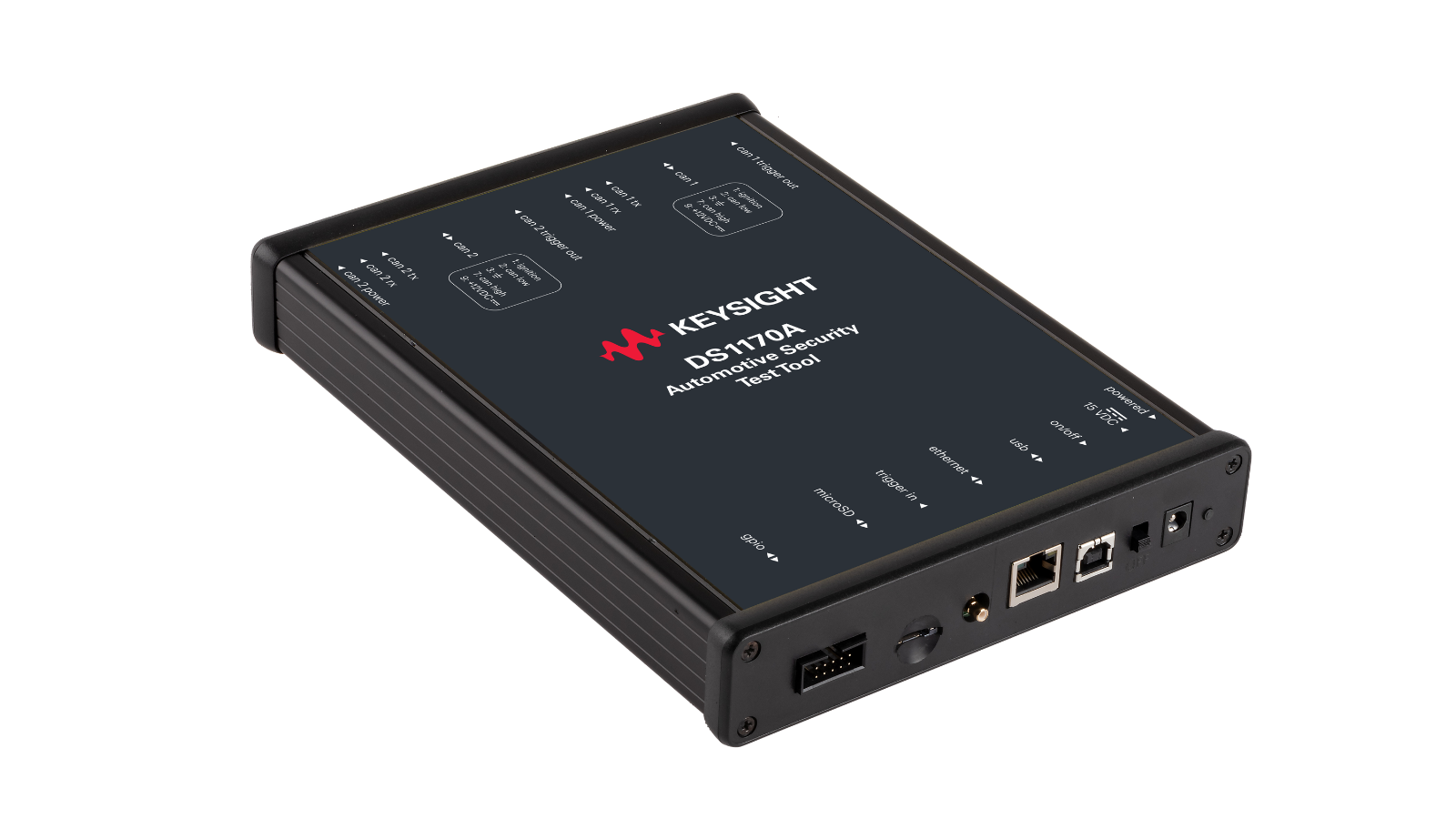
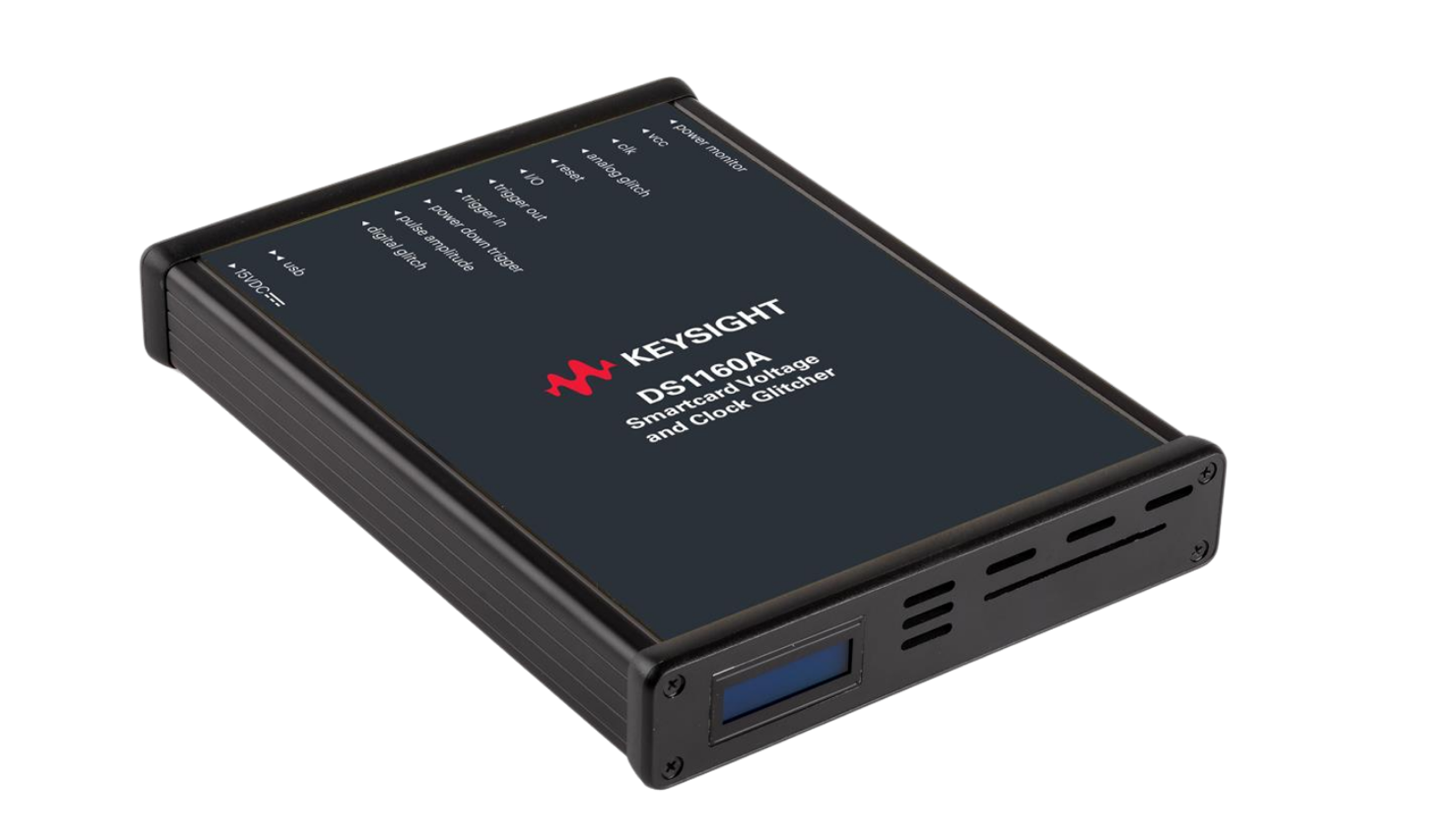
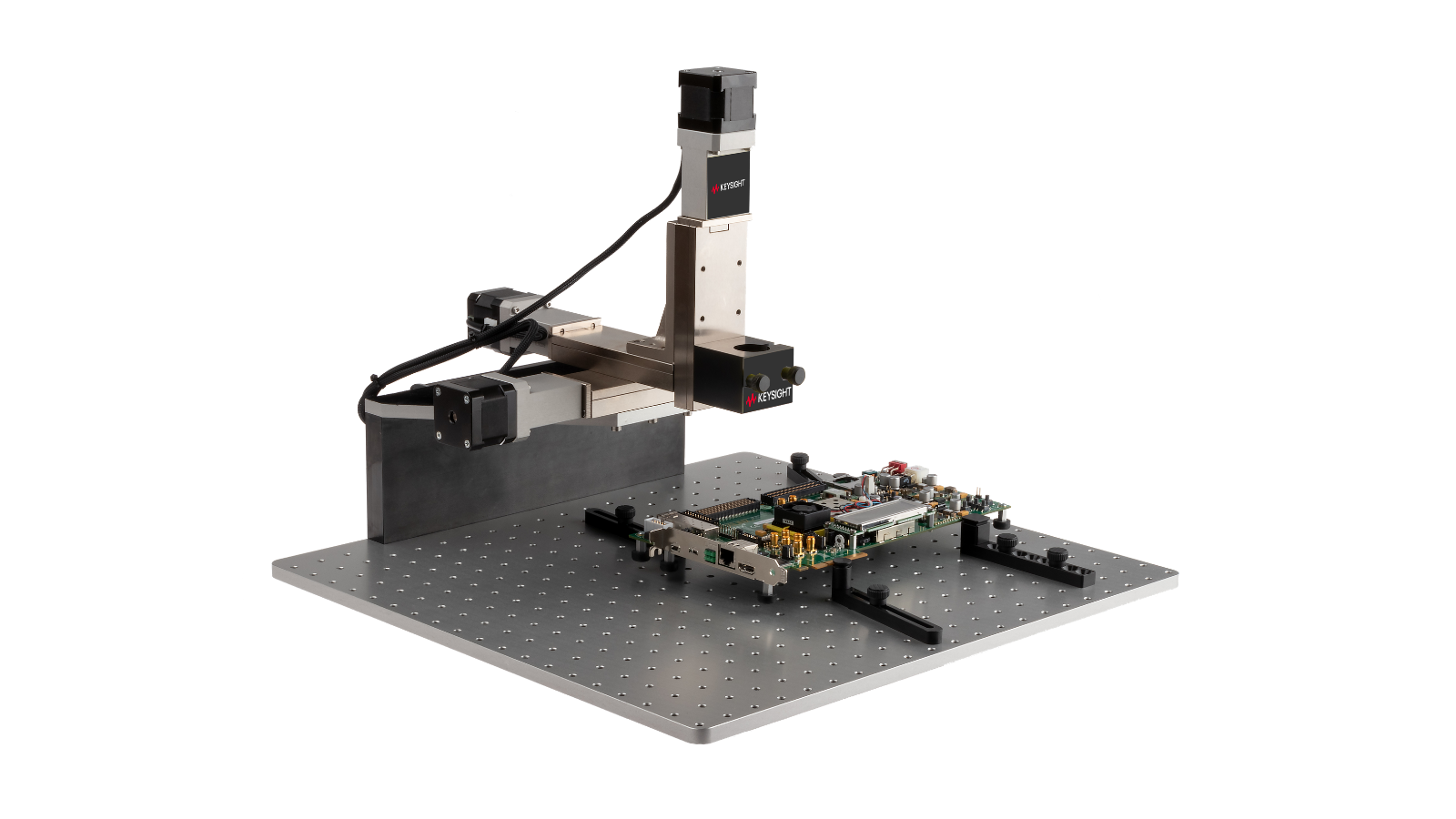
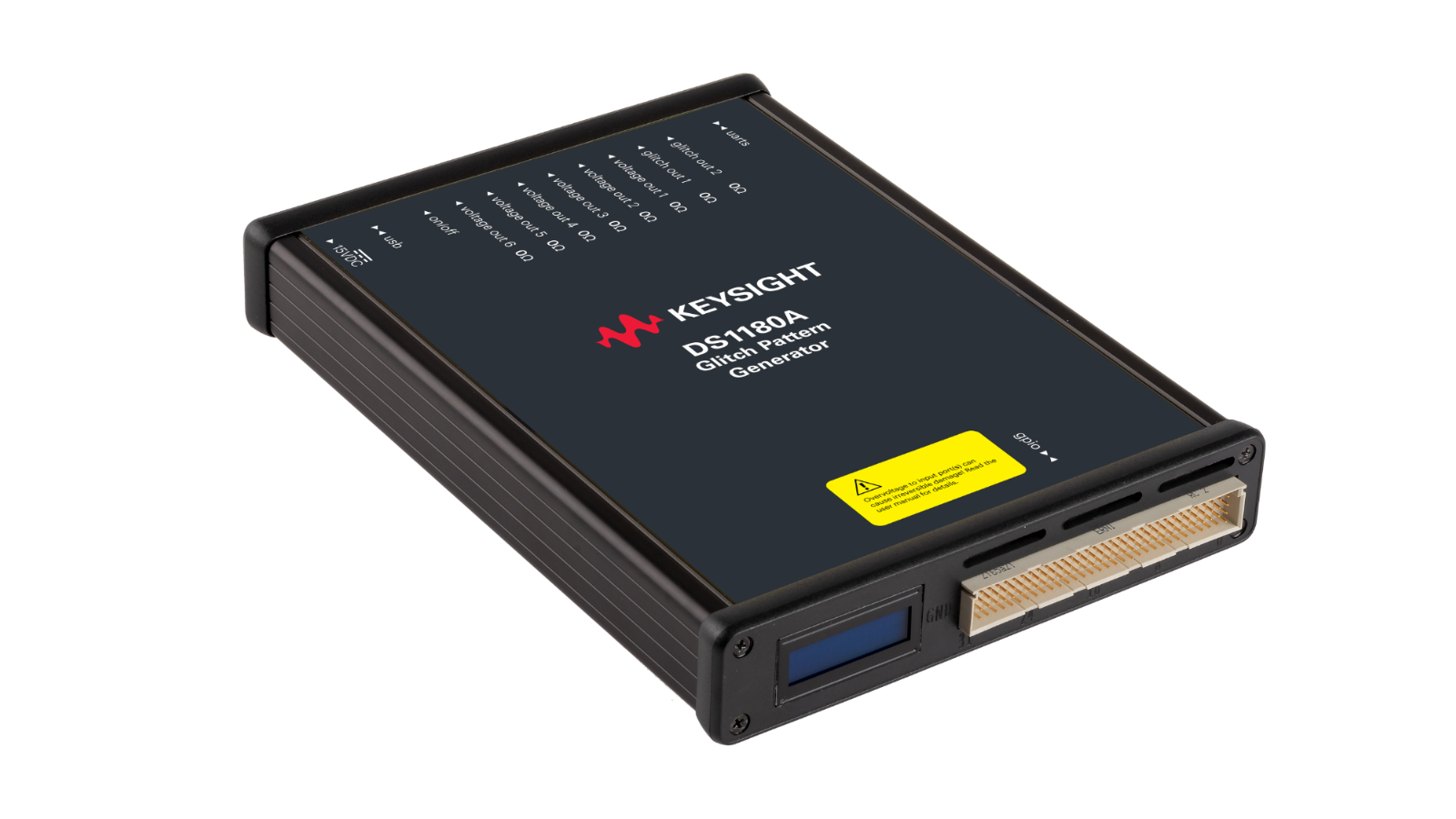
Fault injection testing evaluates how devices behave under abnormal conditions by intentionally disrupting their operation. By introducing controlled faults, through voltage, clock, electromagnetic, or optical techniques, security teams can uncover weaknesses that allow attackers to bypass protections or alter system behavior. Keysight’s fault injection solutions integrate precise instrumentation, automation software, and advanced targeting capabilities to execute repeatable attack campaigns. Whether validating robustness or performing in-depth security analysis, these tools enable you to identify exploitable faults and improve the resilience of your devices.












Understand the Foundations of Device Security
Watch Marc Witteman, Founder of Riscure Security Solutions, share the fundamentals of device security, common attack techniques, and where the industry is headed next.
Discover
Build Your Device Security Test LabWebinar
The Evolution of Device Security
Discover
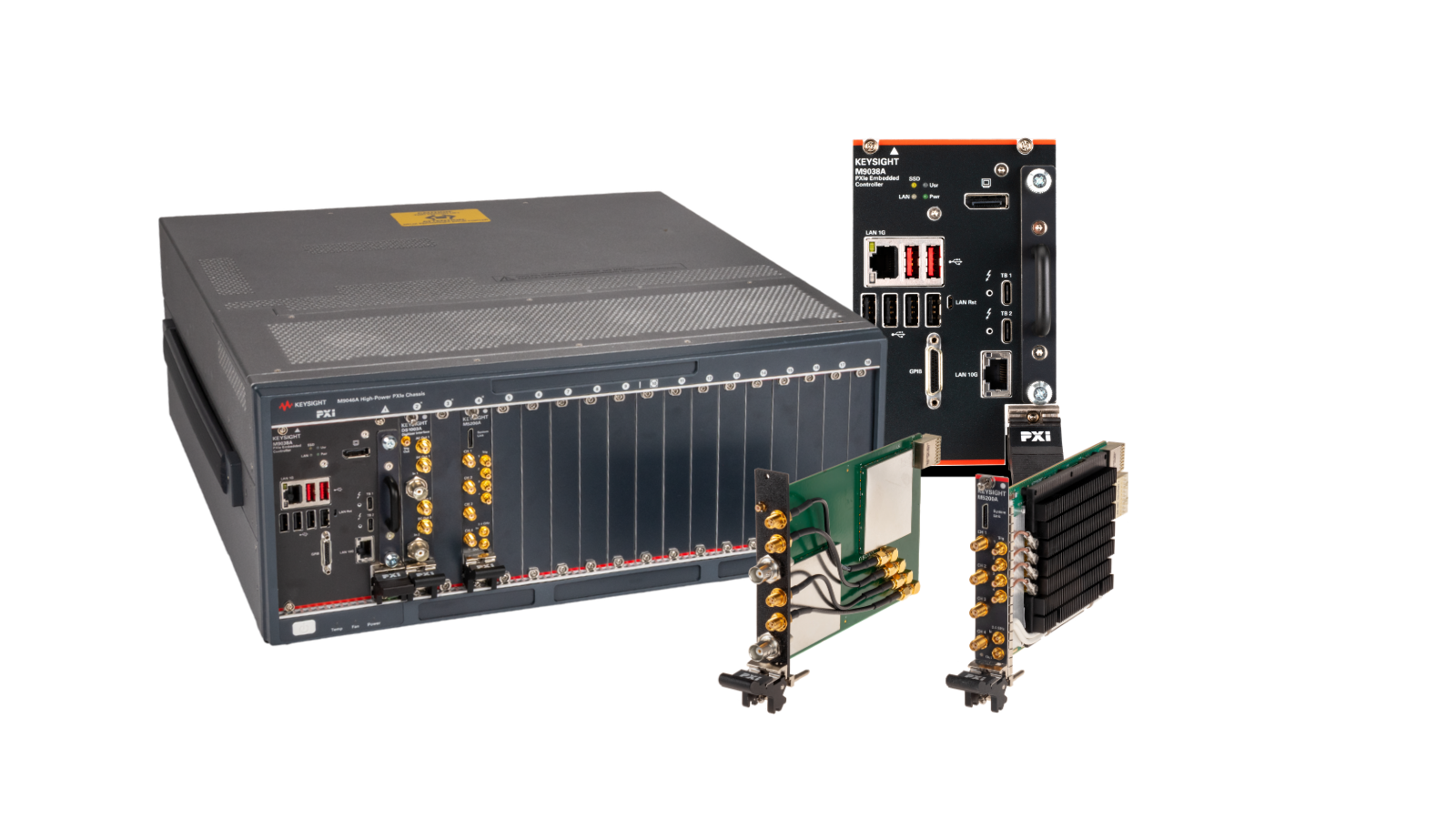
Embedded Security Testbench PXI-based
Frequently asked questions
Fault injection testing evaluates how a device behaves when its normal operation is intentionally disrupted. By introducing controlled faults, security teams can identify vulnerabilities that may allow attackers to bypass protections or alter device behavior.
Fault injection helps evaluate the resilience of security-critical devices against real-world attacks. It enables organizations to identify weaknesses before deployment and strengthen the effectiveness of implemented security countermeasures.
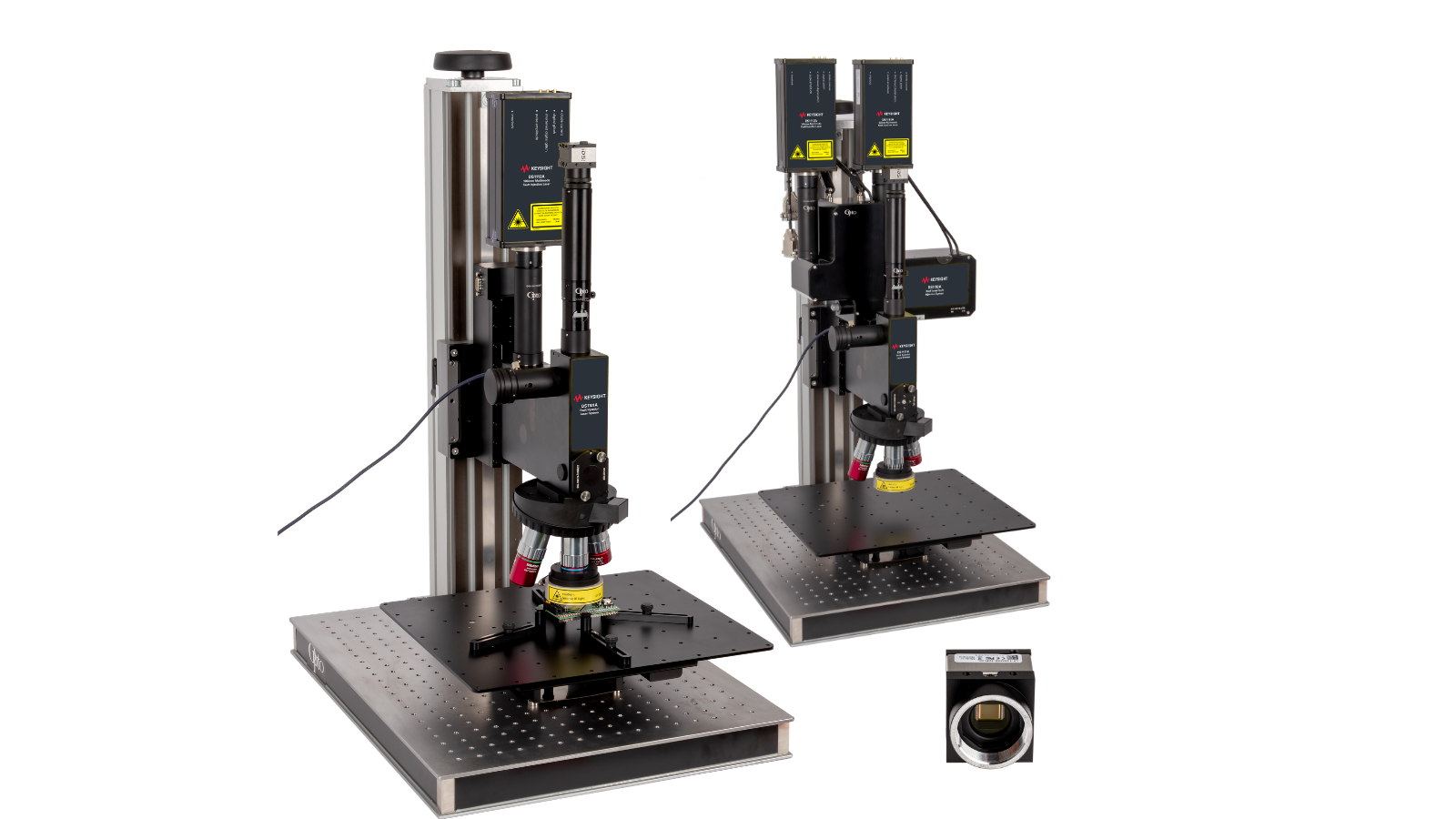
Common fault injection techniques include voltage glitching, clock glitching, electromagnetic fault injection (EMFI), and optical or laser fault injection. Each technique targets devices in a different way and can be used to evaluate different attack scenarios.
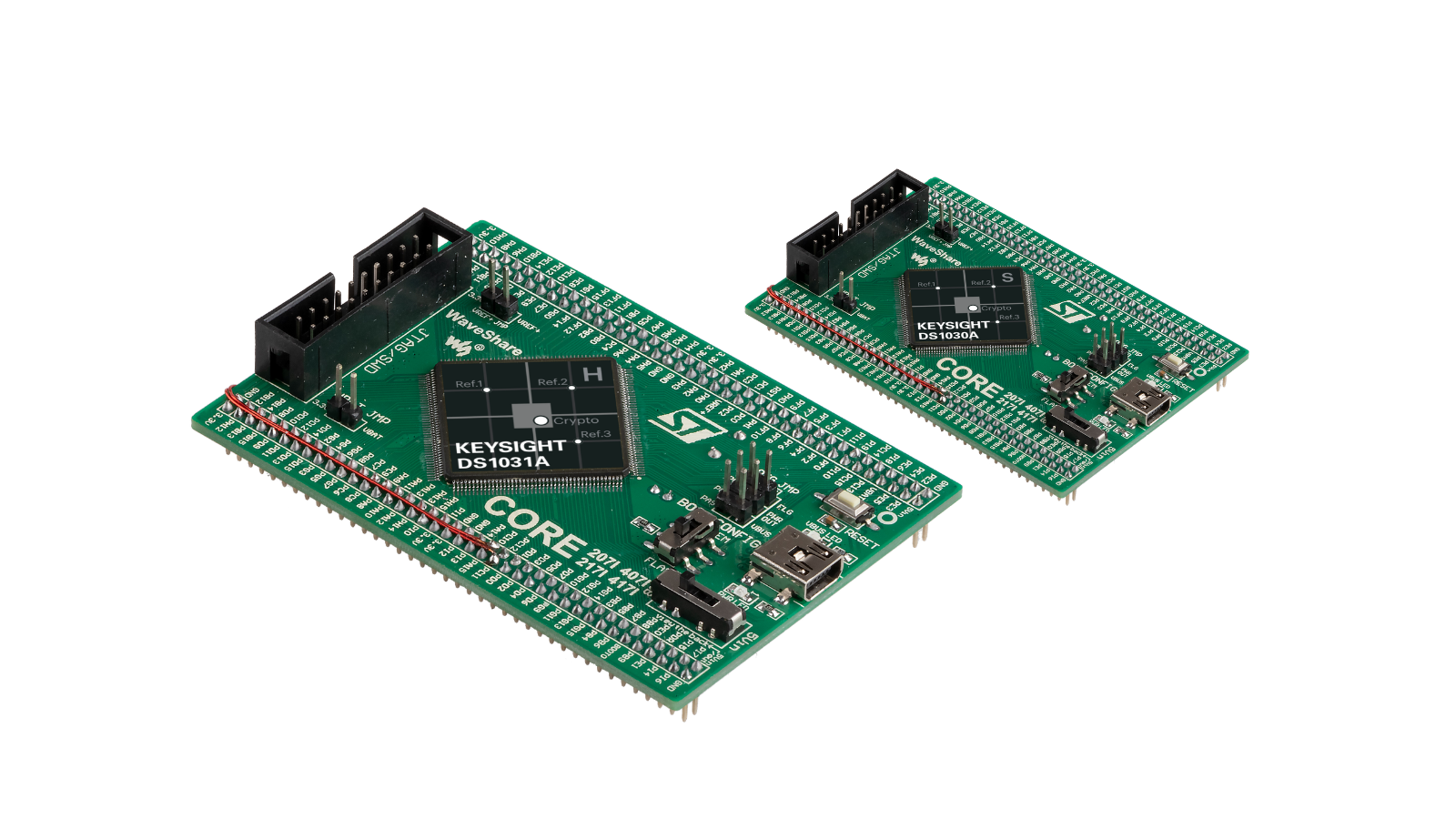
Fault injection can be applied to smart cards, secure elements, microcontrollers, IoT devices, automotive systems, industrial controllers, and other embedded devices that require security validation.
A typical fault injection setup includes a fault injection platform, synchronization and trigger equipment, fault injection tools such as voltage, clock, electromagnetic, or laser systems, positioning systems, and automation software. The specific configuration depends on the target device, attack technique, and evaluation objectives.
Fault injection testing can be performed throughout the device development lifecycle, from early security research and design validation to certification preparation and final product evaluation. Early testing helps identify weaknesses before deployment, while later testing verifies the effectiveness of implemented security countermeasures.