Learn More
keysight:dtx/solutions/facets/development-area/power,keysight:dtx/solutions/facets/industry/automotive,segmentation:campaign/Automotive_Energy,segmentation:product-category/Automotive_Testing,segmentation:product-category/Automotive_Testing/Automotive_Power,keysight:product-lines/sp,segmentation:funnel/mofu,segmentation:business-unit/EISG,keysight:dtx/solutions/facets/workflow-stage/qa,keysight:dtx/solutions/facets/design-and-test-product/power-supply,keysight:models/ac/ac6912l,keysight:models/bv/bv0026bkeysight:dtx/solutions/facets/development-area/power,keysight:dtx/solutions/facets/industry/automotive,segmentation:campaign/Automotive_Energy,segmentation:product-category/Automotive_Testing,segmentation:product-category/Automotive_Testing/Automotive_Power,keysight:product-lines/sp,segmentation:funnel/mofu,segmentation:business-unit/EISG,keysight:dtx/solutions/facets/workflow-stage/qa,keysight:dtx/solutions/facets/design-and-test-product/power-supply,keysight:models/ac/ac6912l,keysight:models/bv/bv0026bkeysight:dtx/solutions/facets/development-area/power,keysight:dtx/solutions/facets/industry/automotive,segmentation:campaign/Automotive_Energy,segmentation:product-category/Automotive_Testing,segmentation:product-category/Automotive_Testing/Automotive_Power,keysight:product-lines/sp,segmentation:funnel/mofu,segmentation:business-unit/EISG,keysight:dtx/solutions/facets/workflow-stage/qa,keysight:dtx/solutions/facets/design-and-test-product/power-supply,keysight:models/ac/ac6912l,keysight:models/bv/bv0026bkeysight:dtx/solutions/facets/development-area/power,keysight:dtx/solutions/facets/industry/automotive,segmentation:campaign/Automotive_Energy,segmentation:product-category/Automotive_Testing,segmentation:product-category/Automotive_Testing/Automotive_Power,keysight:product-lines/sp,segmentation:funnel/mofu,segmentation:business-unit/EISG,keysight:dtx/solutions/facets/workflow-stage/qa,keysight:dtx/solutions/facets/design-and-test-product/power-supply,keysight:models/ac/ac6912l,keysight:models/bv/bv0026bkeysight:dtx/solutions/facets/development-area/power,keysight:dtx/solutions/facets/industry/automotive,segmentation:campaign/Automotive_Energy,segmentation:product-category/Automotive_Testing,segmentation:product-category/Automotive_Testing/Automotive_Power,keysight:product-lines/sp,segmentation:funnel/mofu,segmentation:business-unit/EISG,keysight:dtx/solutions/facets/workflow-stage/qa,keysight:dtx/solutions/facets/design-and-test-product/power-supply,keysight:models/ac/ac6912l,keysight:models/bv/bv0026bkeysight:dtx/solutions/facets/development-area/power,keysight:dtx/solutions/facets/industry/automotive,segmentation:campaign/Automotive_Energy,segmentation:product-category/Automotive_Testing,segmentation:product-category/Automotive_Testing/Automotive_Power,keysight:product-lines/sp,segmentation:funnel/mofu,segmentation:business-unit/EISG,keysight:dtx/solutions/facets/workflow-stage/qa,keysight:dtx/solutions/facets/design-and-test-product/power-supply,keysight:models/ac/ac6912l,keysight:models/bv/bv0026bkeysight:dtx/solutions/facets/development-area/power,keysight:dtx/solutions/facets/industry/automotive,segmentation:campaign/Automotive_Energy,segmentation:product-category/Automotive_Testing,segmentation:product-category/Automotive_Testing/Automotive_Power,keysight:product-lines/sp,segmentation:funnel/mofu,segmentation:business-unit/EISG,keysight:dtx/solutions/facets/workflow-stage/qa,keysight:dtx/solutions/facets/design-and-test-product/power-supply,keysight:models/ac/ac6912l,keysight:models/bv/bv0026bkeysight:dtx/solutions/facets/development-area/power,keysight:dtx/solutions/facets/industry/automotive,segmentation:campaign/Automotive_Energy,segmentation:product-category/Automotive_Testing,segmentation:product-category/Automotive_Testing/Automotive_Power,keysight:product-lines/sp,segmentation:funnel/mofu,segmentation:business-unit/EISG,keysight:dtx/solutions/facets/workflow-stage/qa,keysight:dtx/solutions/facets/design-and-test-product/power-supply,keysight:models/ac/ac6912l,keysight:models/bv/bv0026bkeysight:dtx/solutions/facets/development-area/power,keysight:dtx/solutions/facets/industry/automotive,segmentation:campaign/Automotive_Energy,segmentation:product-category/Automotive_Testing,segmentation:product-category/Automotive_Testing/Automotive_Power,keysight:product-lines/sp,segmentation:funnel/mofu,segmentation:business-unit/EISG,keysight:dtx/solutions/facets/workflow-stage/qa,keysight:dtx/solutions/facets/design-and-test-product/power-supply,keysight:models/ac/ac6912l,keysight:models/bv/bv0026bkeysight:dtx/solutions/facets/development-area/power,keysight:dtx/solutions/facets/industry/automotive,segmentation:campaign/Automotive_Energy,segmentation:product-category/Automotive_Testing,segmentation:product-category/Automotive_Testing/Automotive_Power,keysight:product-lines/sp,segmentation:funnel/mofu,segmentation:business-unit/EISG,keysight:dtx/solutions/facets/workflow-stage/qa,keysight:dtx/solutions/facets/design-and-test-product/power-supply,keysight:models/ac/ac6912l,keysight:models/bv/bv0026bkeysight:dtx/solutions/facets/development-area/power,keysight:dtx/solutions/facets/industry/automotive,segmentation:campaign/Automotive_Energy,segmentation:product-category/Automotive_Testing,segmentation:product-category/Automotive_Testing/Automotive_Power,keysight:product-lines/sp,segmentation:funnel/mofu,segmentation:business-unit/EISG,keysight:dtx/solutions/facets/workflow-stage/qa,keysight:dtx/solutions/facets/design-and-test-product/power-supply,keysight:models/ac/ac6912l,keysight:models/bv/bv0026bkeysight:dtx/solutions/facets/development-area/power,keysight:dtx/solutions/facets/industry/automotive,segmentation:campaign/Automotive_Energy,segmentation:product-category/Automotive_Testing,segmentation:product-category/Automotive_Testing/Automotive_Power,keysight:product-lines/sp,segmentation:funnel/mofu,segmentation:business-unit/EISG,keysight:dtx/solutions/facets/workflow-stage/qa,keysight:dtx/solutions/facets/design-and-test-product/power-supply,keysight:models/ac/ac6912l,keysight:models/bv/bv0026b
How to Test EV Onboard Chargers
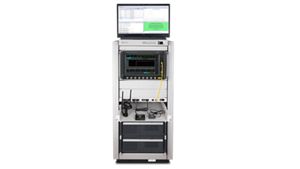
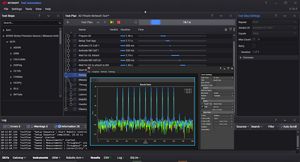
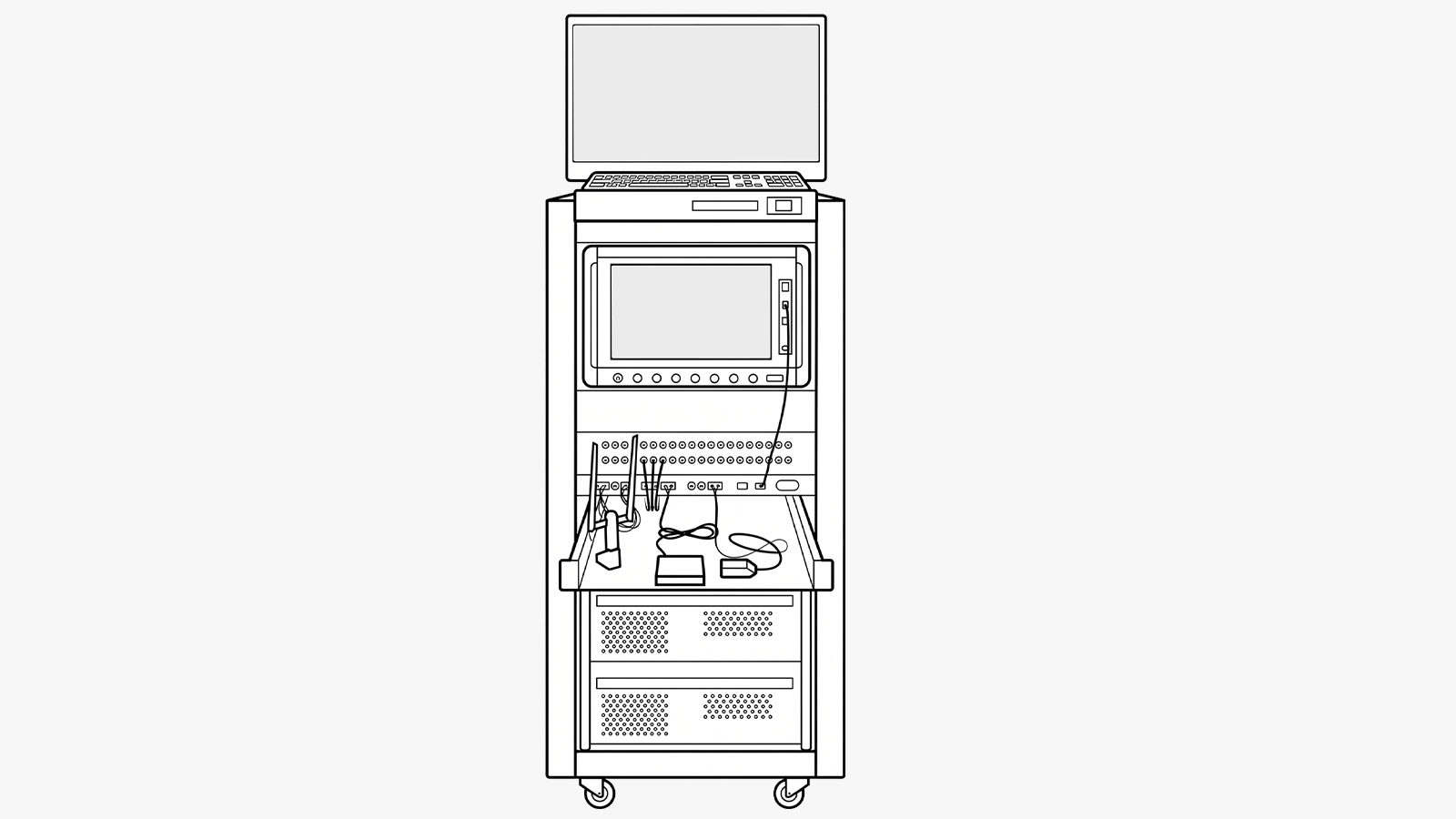
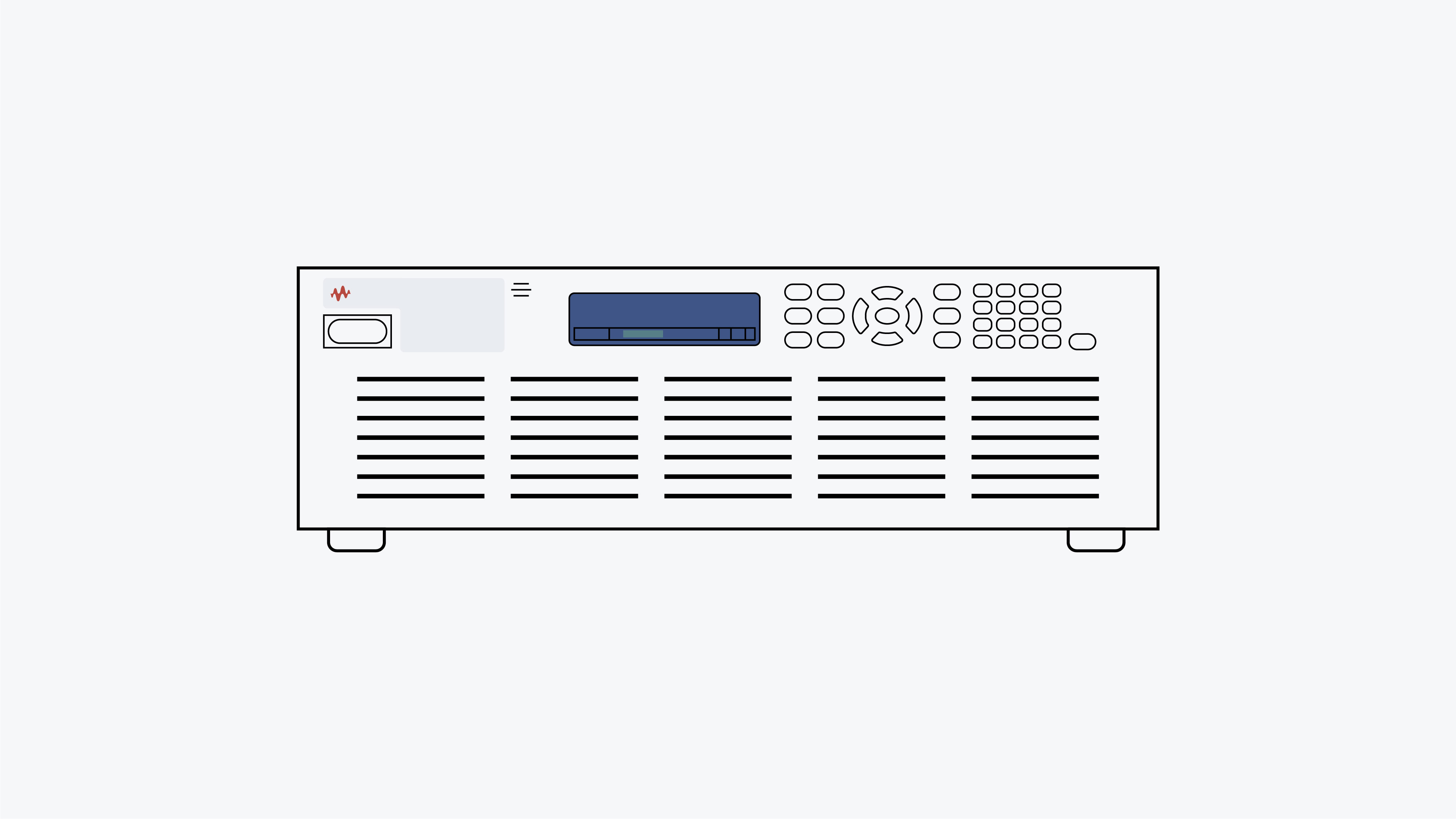
Testing electric vehicle (EV) onboard chargers (OBCs) requires emulating and sequencing various AC power input conditions and power line disturbances. Learn how to set up a test to emulate AC input voltage and frequency parameters, including power line disturbances, to ensure interoperability between EVs and charging stations.
Learn More