









- Overview
- All Models
- Support
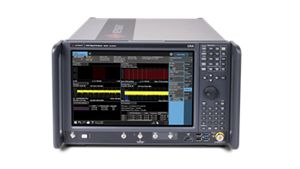
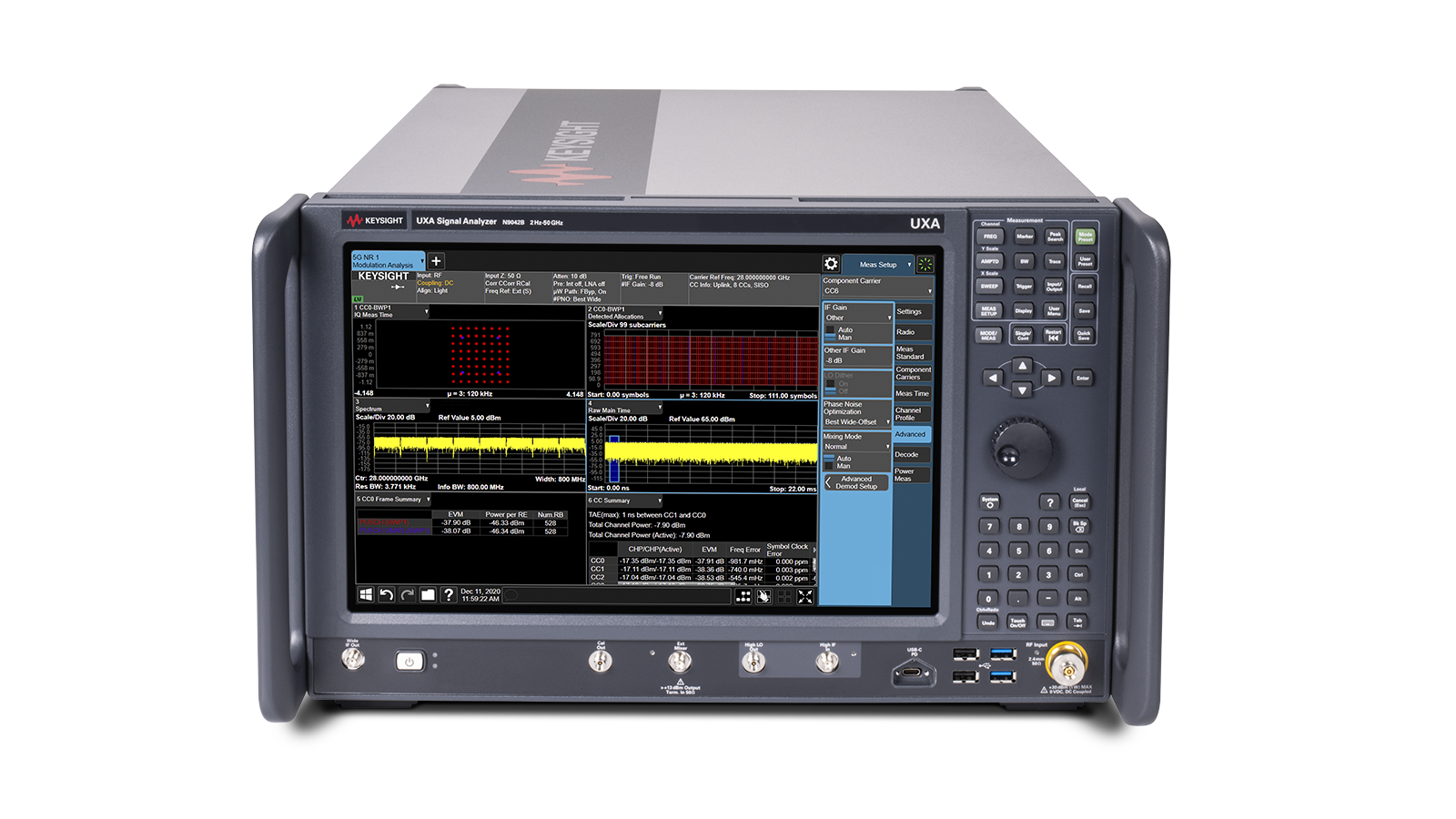
Highest performance in a benchtop signal analyzer
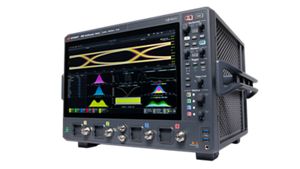
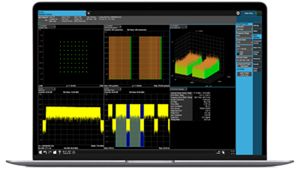
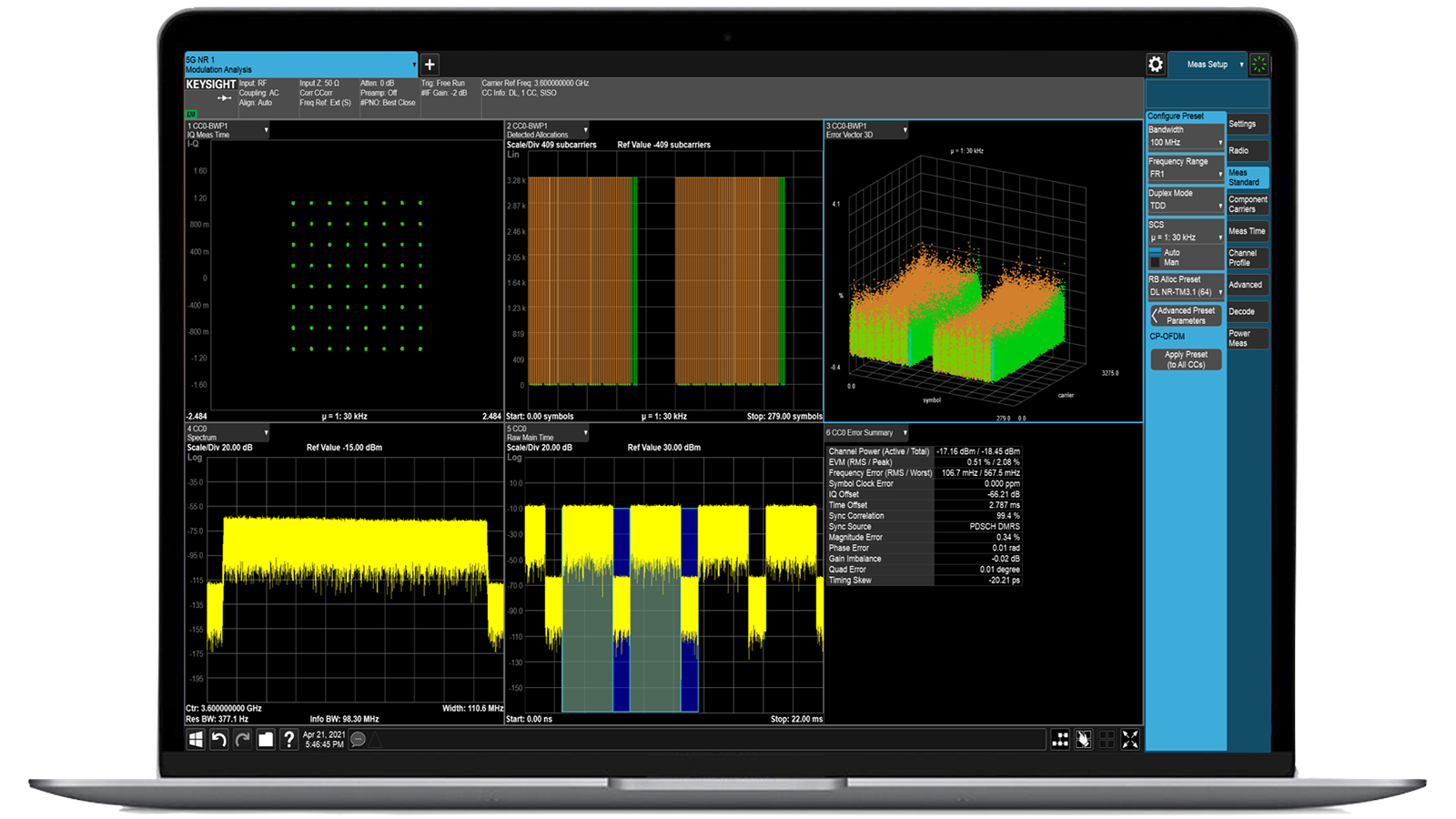

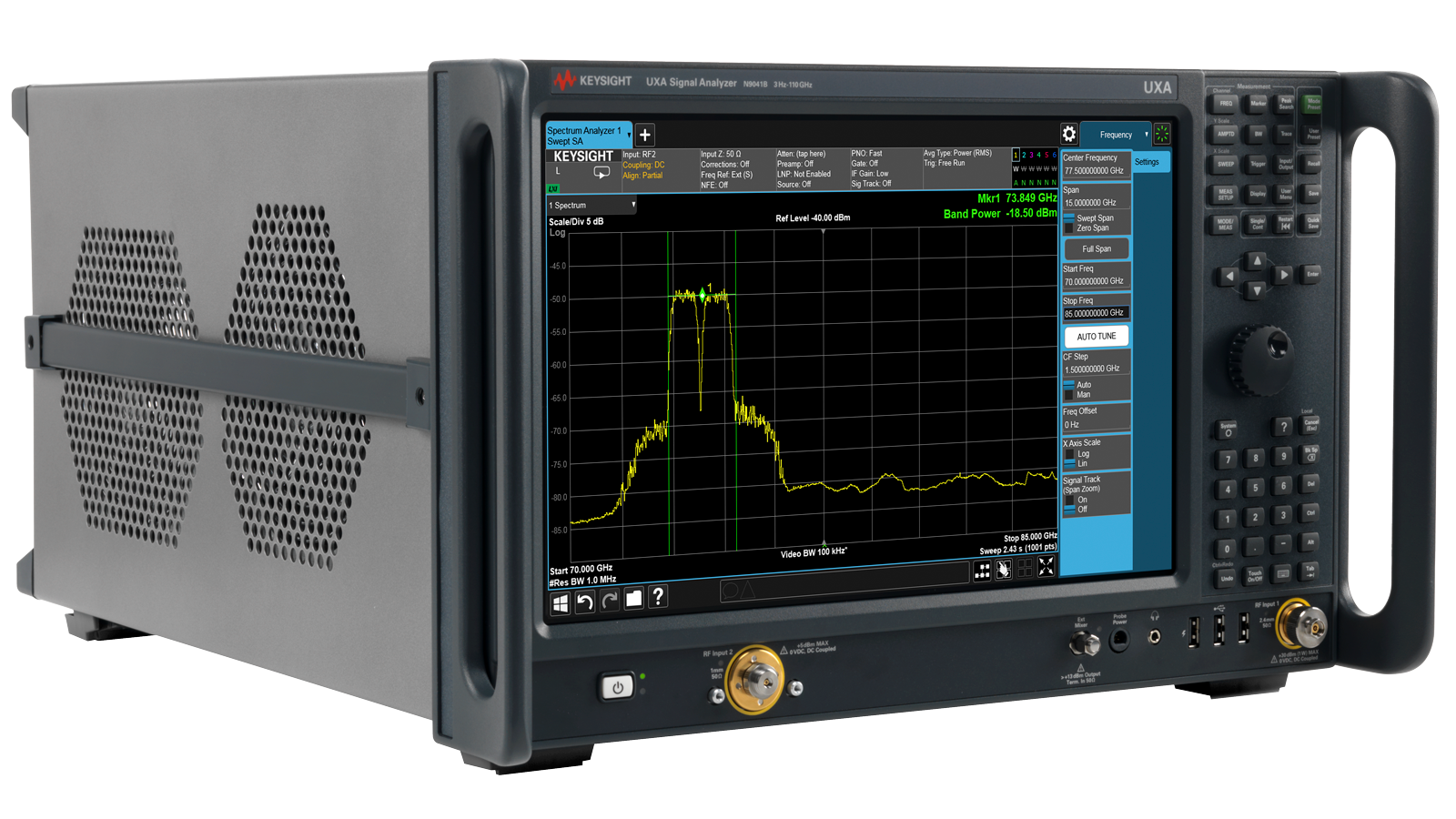
Keysight XA7-class Pro signal and spectrum analyzers include UXA models. They are ideal for next-generation research and development and high-speed compliance testing to the latest standards like 5G NR (FR1 and FR2), Wi-Fi 6E / 7, and 802.11 ad/ay. Built upon our Expert models, Pro signal analyzers push the limits of performance with our highest frequency coverage, ultra-wide bandwidth, and lowest noise floor — designed to tackle your most difficult measurement challenges, including tight design margins and complex modulations. Choose one of our most popular configurations or build the one you need for your application. Need help selecting? Check out the resources below.
High frequency coverage
High-precision analysis of higher-level communication systems, radar, and aerospace applications that require broad-spectrum testing.
Ultra-wide bandwidth
Wide analysis bandwidth from 1 to 4 GHz allows simultaneous capture and analysis of multiple signals across broad frequency ranges for complex wireless and radar testing.
Lowest noise floor
Ultra-low noise with optional noise floor extension enabling the detection of weak signals with exceptional clarity and minimal interference through two-stage filter processing.
Precise signal clarity
Internal converters designed specifically for RF and microwave applications provide precise measurement in sensitive environments for minor frequency variations.
-
Maximum frequency
50 GHz to 110 GHz
-
Maximum analysis bandwidth
1 GHz to 4 GHz
-
Phase noise @1 GHz (10 kHz offset)
-135 dBc/Hz
-
DANL @1 GHz
-174 dBm to -168 dBm
-
Real Time Spectrum Analysis
Yes
Most popular configurations
/N9040B_50GHz_5_1600x900.png)
/N9040B_50GHz_5_1600x900.png)
XA7-class Signal Analyzer
XA7-class Signal Analyzer
XA7-class Signal Analyzer
Services and support
Innovate at speed with curated support plans and prioritized response and turn-around times.
Get predictable, lease-based subscriptions and full lifecycle management solutions—so you reach your business goals faster.
Experience elevated service as a KeysightCare subscriber to get committed technical response and more.
Ensure your test system performs to specification and meets local and global standards.
Make measurements quickly with in-house, instructor-led training, and eLearning.
Download Keysight software or update your software to the newest version.
Frequently asked questions
High-performance signal analyzers are essential for validating complex RF and microwave systems across wireless, aerospace, and defense applications. These instruments offer a powerful combination of wide bandwidth, low noise, and advanced software integration to ensure accurate, repeatable, and insightful measurements. Modern analyzers support demanding tasks such as real-time spectrum capture, vector signal demodulation, and multi-domain analysis, making them indispensable in both R&D and production environments. Key capabilities include:
Wide Analysis Bandwidth – Enables accurate capture and demodulation of wideband signals such as 5G NR, Wi-Fi 7, radar pulses, and ultra-wideband waveforms.
Excellent Dynamic Range – Allows detection of weak signals in the presence of strong interferers by minimizing distortion and maximizing sensitivity.
Low Phase Noise – Supports precise EVM, ACLR, and spectrum purity analysis for modern high-order modulation schemes.
Real-Time Spectrum Analysis – Captures transient or intermittent signals without gaps, ideal for interference hunting and radar/EMSO.
Advanced Modulation and Vector Signal Analysis – Provides detailed demodulation and error analysis for QAM, OFDM, PSK, and custom signal formats.
Path loss in millimeter-wave (mmWave) signal analysis refers to the reduction in signal power as it travels from a transmitter to a receiver. This phenomenon becomes especially significant at mmWave frequencies, typically between 24 GHz and 100+ GHz, where signal attenuation is much more severe than at lower frequencies. As frequency increases, free-space path loss rises due to the shorter wavelengths, resulting in reduced communication range and increased sensitivity to obstacles. mmWave signals are particularly prone to blockage by walls, foliage, and even the human body, making them less reliable over longer distances or in obstructed environments.
Accurate modeling of path loss is crucial for designing 5G FR2 systems, radar links, and satellite communications. Engineers often use models such as Free-Space Path Loss (FSPL), the Close-In (CI) reference model, and standardized models from 3GPP or ITU-R to predict signal degradation and ensure reliable system performance. For example, at 28 GHz, the path loss over a 100-meter distance can reach approximately 112 dB—significantly higher than the 88 dB loss experienced at 2.4 GHz—highlighting the need for high-gain antennas, beamforming, or repeaters to compensate for the increased attenuation in mmWave systems.
A low noise floor is critically important in signal analysis because it determines the analyzer's ability to detect and accurately measure low-level signals. The noise floor represents the baseline level of inherent electrical noise generated by the measurement system itself, even in the absence of an input signal. When the noise floor is high, weak signals can become obscured or indistinguishable from the background noise, leading to inaccurate or missed measurements. A low noise floor, on the other hand, enables the analyzer to resolve fine signal details, measure signals with very low amplitudes, and capture subtle distortions or interferences that might otherwise go undetected.
This is particularly important in applications such as high-fidelity audio testing, RF communications, and sensitive electronic measurements, where even small signal artifacts can impact performance or compliance. In these scenarios, a low noise floor contributes to a higher dynamic range, enhances the signal-to-noise ratio (SNR), and ensures more accurate overall measurements. Ultimately, a low noise floor enhances the analyzer’s sensitivity, enabling engineers and technicians to make confident and precise assessments of device performance, especially in environments where signal clarity and purity are crucial.