














- Overview
- All Models
- Support
Large-scale enterprise network emulation
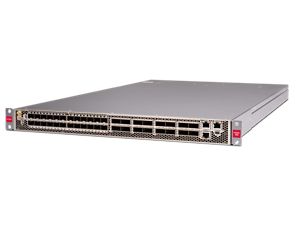
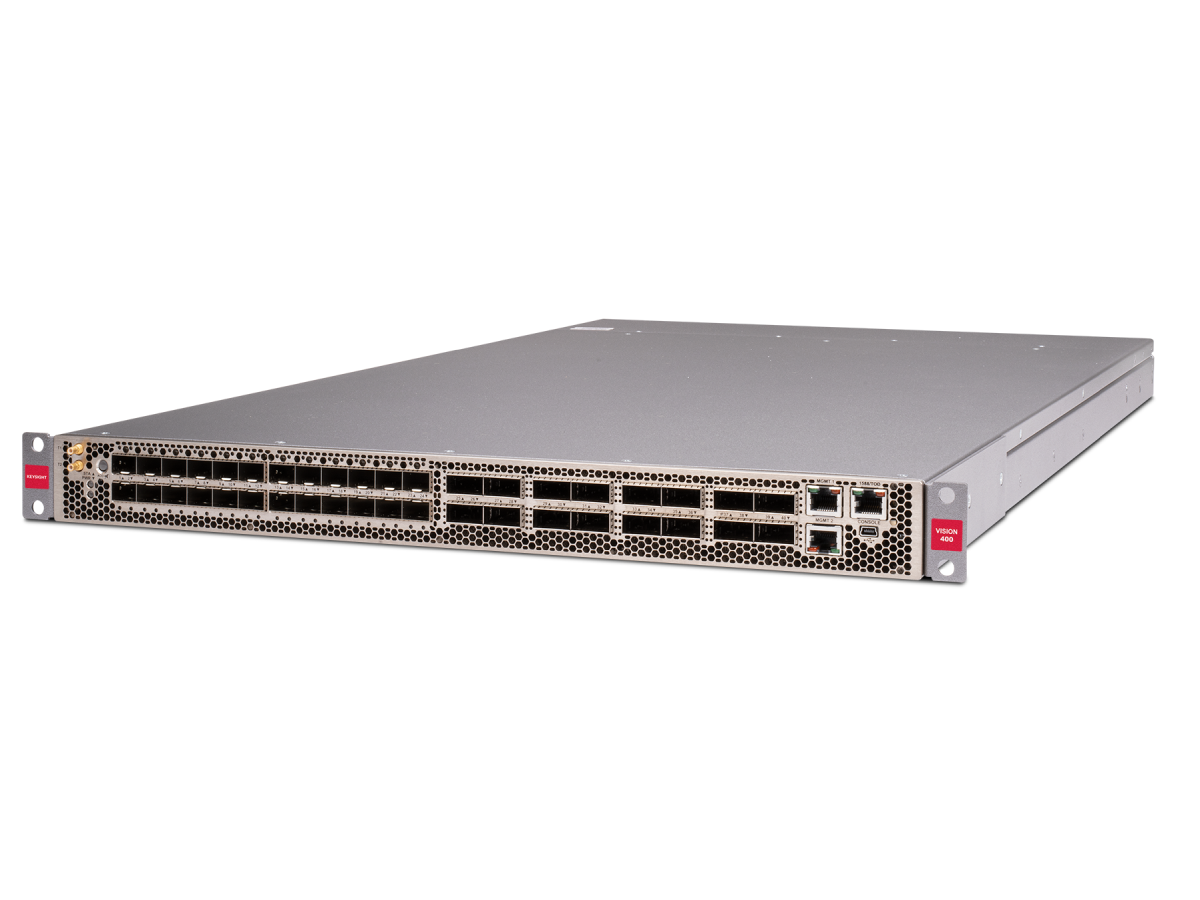
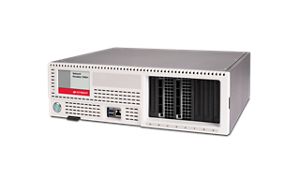
Keysight Network Emulator 3 solutions offer high-speed Ethernet testing that support speeds from 10GE to 100GE. Building on the Network Emulator 2, these models deliver full line-rate performance at higher speeds, with flexible resource allocation, enabling simultaneous mixed-speed configurations across a single chassis. They also emulate real-world conditions at ultra-fast link rates with precise control of latency, jitter, packet loss, and other impairments, making them the ideal choice for emulating network impairment scenarios for data center, transport, and disaster recovery testing. Rack-mountable and enterprise-grade, they support thousands of concurrent sessions, dynamic topology changes, and network slicing scenarios, ensuring repeatable large-scale emulation. Request a quote for one of our popular configurations today. Need help selecting? Check out the resources below.
High-speed, multirate impairments
Process and impair bidirectional network traffic at maximum throughput up to 100GE without dropping packets or slowing down, enabling realistic network condition testing.
Test automation and API access
A built-in RESTful web API with Python and TCL support enables full automation of test workflows, while integrated packet capture and replay streamline troubleshooting.
Flexible, modular design
Supports one or two impairment cards per chassis, mixed Ethernet speeds, and flexible resource management for memory and throughput to meet diverse lab needs.
Customizable filter library
Build and reuse proprietary or standards-based Layer 2–7 protocol filters, enabling highly precise traffic selection for targeted and repeatable testing.
-
Interface speed modes
10GE, 25GE, 40GE, 50GE, 100GE
-
Form factor
Appliance, Software
-
Ports
2 to 4
Most popular configurations
Network Emulator 3 Hardware / Software Bundle with 1 Impairment Line
Network Emulator 3 Hardware / Software Bundle with 2 Impairment Lines
Services and support
Innovate at speed with curated support plans and prioritized response and turn-around times.
Get predictable, lease-based subscriptions and full lifecycle management solutions—so you reach your business goals faster.
Experience elevated service as a KeysightCare subscriber to get committed technical response and more.
Ensure your test system performs to specification and meets local and global standards.
Make measurements quickly with in-house, instructor-led training, and eLearning.
Download Keysight software or update your software to the newest version.
Frequently asked questions
Network emulators are fully equipped to handle modern network challenges, including encrypted and cloud-based traffic. They can simulate encrypted tunnels such as SSL/TLS (Secure Sockets Layer and Transport Layer Security) and various VPN (Virtual Private Network) connections, allowing organizations to evaluate how security appliances and network services manage protected data flows.
Additionally, network emulators can emulate SaaS (Software as a Service) applications, cloud service interactions, and the variable performance conditions often experienced in multi-cloud and hybrid environments. This capability enables businesses to ensure their applications remain secure, responsive, and performant, even when traversing complex distributed infrastructures, ultimately reducing the risk of performance degradation or security blind spots during cloud adoption and digital transformation efforts.
Emulators help measure application performance across unpredictable networks by recreating real-world network conditions, such as latency, jitter, packet loss, and bandwidth variability, in a controlled, repeatable lab environment. Applications are often sensitive to these impairments, especially real-time services like voice, video, and online gaming, or data-intensive applications such as cloud storage and remote collaboration tools.
By using a network emulator, test teams can simulate degraded or fluctuating network conditions, such as mobile handovers, WAN congestion, or satellite delays, and observe how applications respond in terms of throughput, responsiveness, error handling, and user experience (QoE). This enables developers, QA teams, and IT architects to benchmark performance, identify bottlenecks, tune configurations, and validate failover or retry mechanisms before deployment. Emulators make it possible to stress test application resilience and optimize performance across diverse environments, including enterprise WANs, 5G access, hybrid cloud networks, and remote edge scenarios.
Yes, network emulators are designed with modern development practices in mind and integrate seamlessly into automated workflows and DevOps pipelines. They provide robust RESTful APIs and SDKs (Software Development Kit) for Python and other popular programming languages, enabling easy incorporation into test automation frameworks and continuous integration and delivery tools such as Jenkins, GitLab, and Ansible.
Engineers can programmatically create and execute emulation scenarios, ensuring network performance and resilience testing become part of the continuous delivery process. This approach reduces manual effort, accelerates release cycles, and guarantees consistent validation of network behavior with every new software build or deployment.