What are you looking for?
RF System Design (SystemVue) 2026 Product Release
Highlights
SystemVue 2026 delivers powerful new capabilities, and key performance enhancements, including:
- Cross-platform support: Native Windows and Linux versions enable deployment in enterprise, cloud, and HPC simulation environments.
- Modern user interface: A redesigned UI with improved workflows and usability for faster model development and analysis.
- New RF analysis engine: Introduction of Spectrasys II, enabling multidimensional RF device modeling and measurement-based component models.
- 6G technology support: New capabilities for ISAC (Integrated Sensing and Communications) and RIS (Reconfigurable Intelligent Surfaces) system modeling.
- Next-generation wireless standards: Expanded support for Wi-Fi 7/8 and other emerging wireless technologies.
- Enhanced phased-array analysis: Improvements in Phased Array Analysis (PAA) for large-scale beamforming, antenna calibration, and array optimization.
System Design (SystemVue) 2026 is available now!
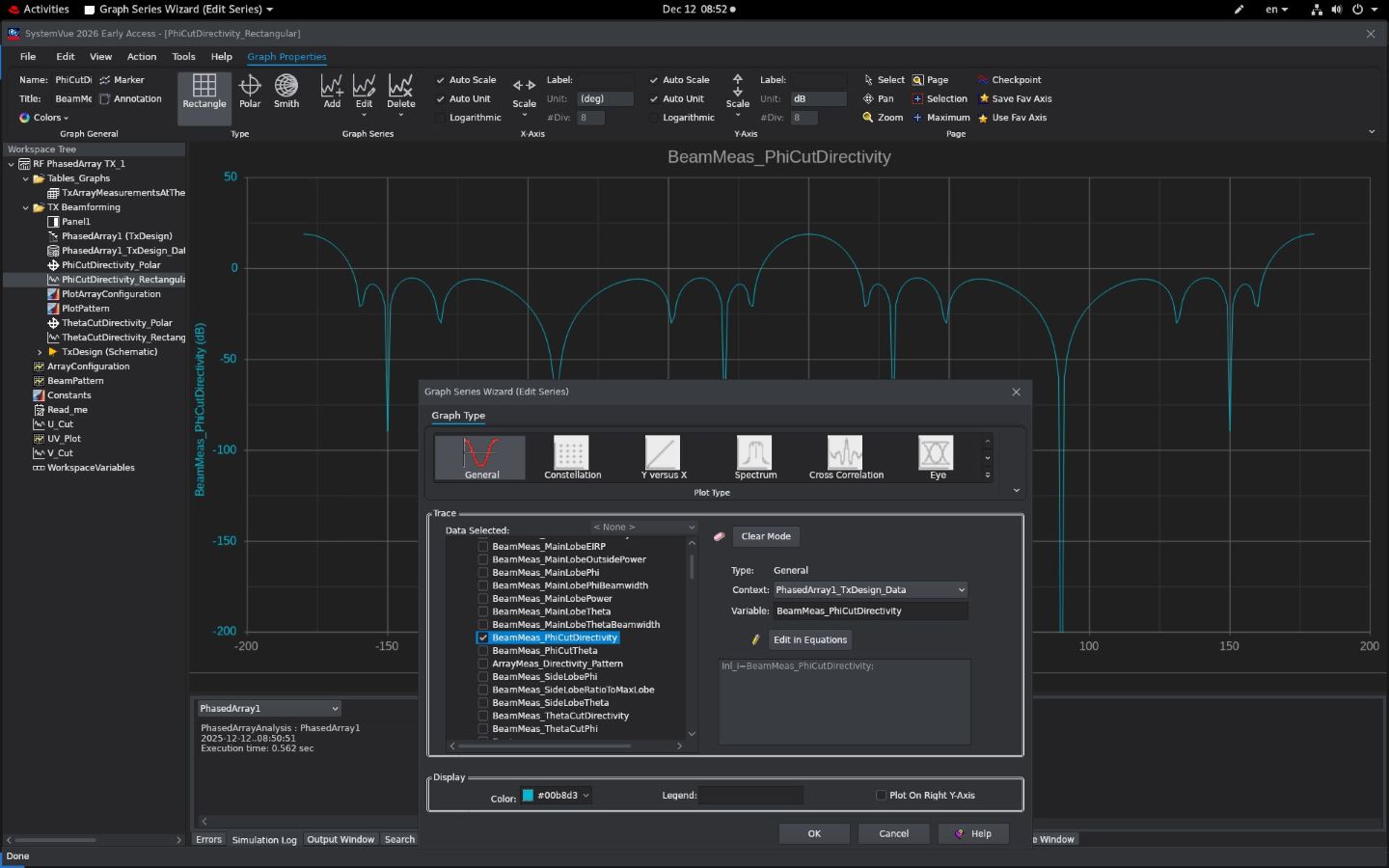
Linux Support and the New User Interface
SystemVue now provides Linux support alongside Windows through a modern, cross-platform, modular architecture that enables seamless workflow portability, automation, and cloud/HPC deployment. The redesigned user interface enhances usability with a cleaner layout, improved ribbon controls, dark and light modes, and consistent behavior across operating systems, while maintaining compatibility with existing projects.
New RF Analysis Engine & Multi-Dimensional RF Modeling
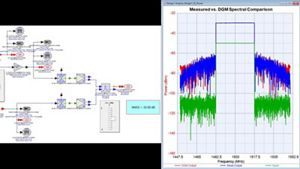
SystemVue 2026 introduces Spectrasys II, a new RF analysis engine designed to deliver high-fidelity, multi-dimensional RF modeling within a unified system-level environment. Spectrasys II supports more accurate RF device modeling under various frequency, power, bias, and operating conditions while enabling dynamic model configuration for realistic system simulations. The release also adds a new measurement-based mixer model, allowing engineers to import spectrum analyzer data and accurately reproduce real hardware behavior in simulation.
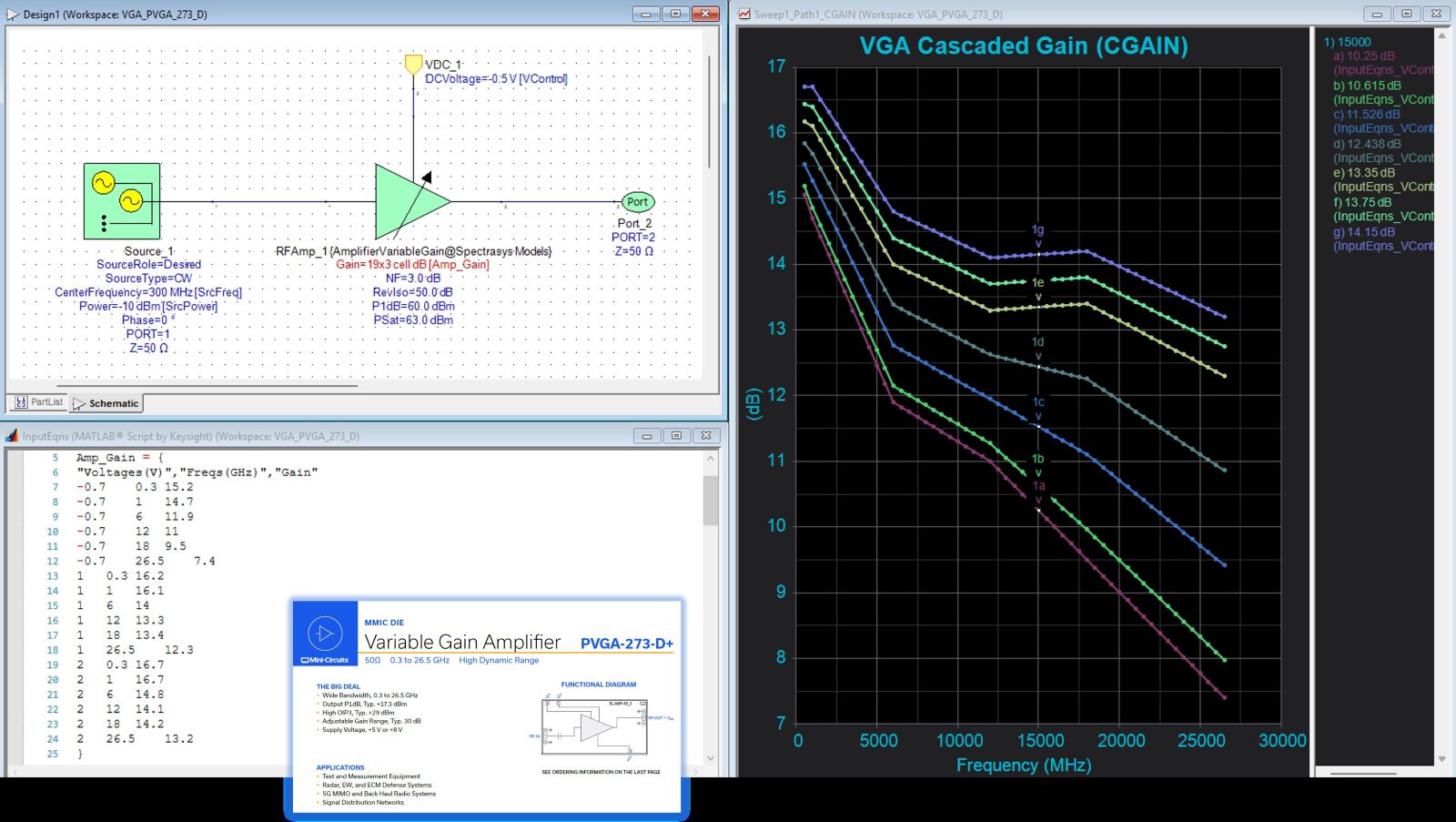

Dynamic Gain Model (DGM)
SystemVue 2026 introduces the Dynamic Gain Model, a measurement-extracted behavioral modeling capability that captures nonlinear amplitude and phase characteristics along with memory effects in RF components such as power amplifiers, mixers, and frequency converters. Developed to bridge measured data and system-level simulation, DGM enables highly accurate representation of device behavior under realistic wideband and high-PAPR signals. This capability supports precise evaluation of distortion, spectral regrowth, and digital predistortion (DPD) performance, strengthening RF system analysis for 5G, NTN, and emerging 6G applications.
Phased Array Analysis (PAA) Enhancements
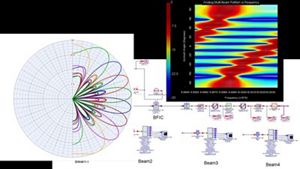
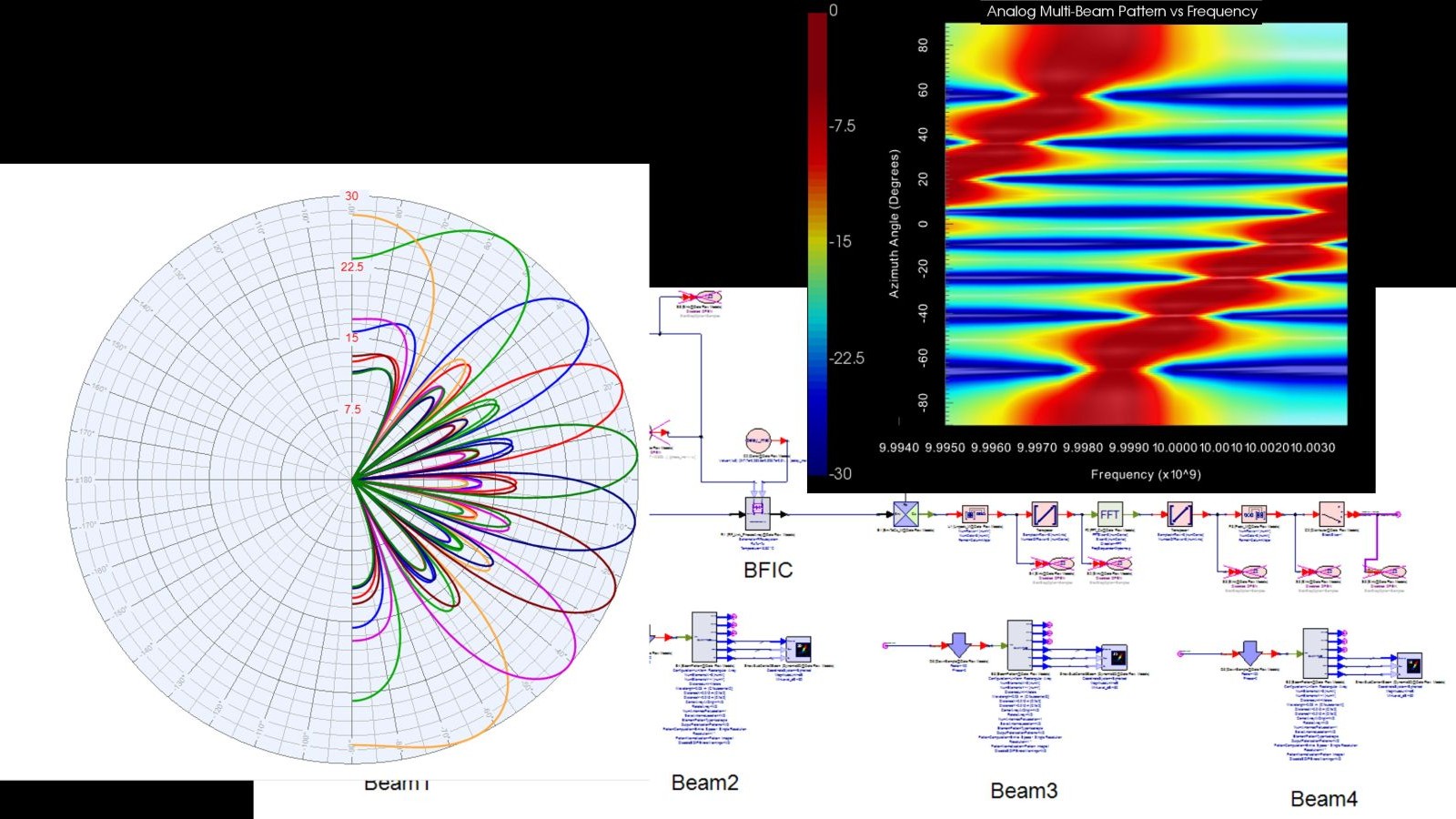
SystemVue 2026 enhances its Phased Array Analysis capabilities with support for multi-beam analog beamforming, sub-band (sub-carrier) radiation pattern evaluation, and beam adaptation techniques such as time-delay and phase tapering. These improvements allow engineers to model wideband beam squint, dynamic beam steering, and realistic array impairments with greater fidelity. In addition, improved HPC workflow controls streamline large-scale array sweeps and multi-beam simulations, making PAA more efficient and scalable for massive MIMO, satellite payload, and advanced radar system design.

NTN Coverage Maps
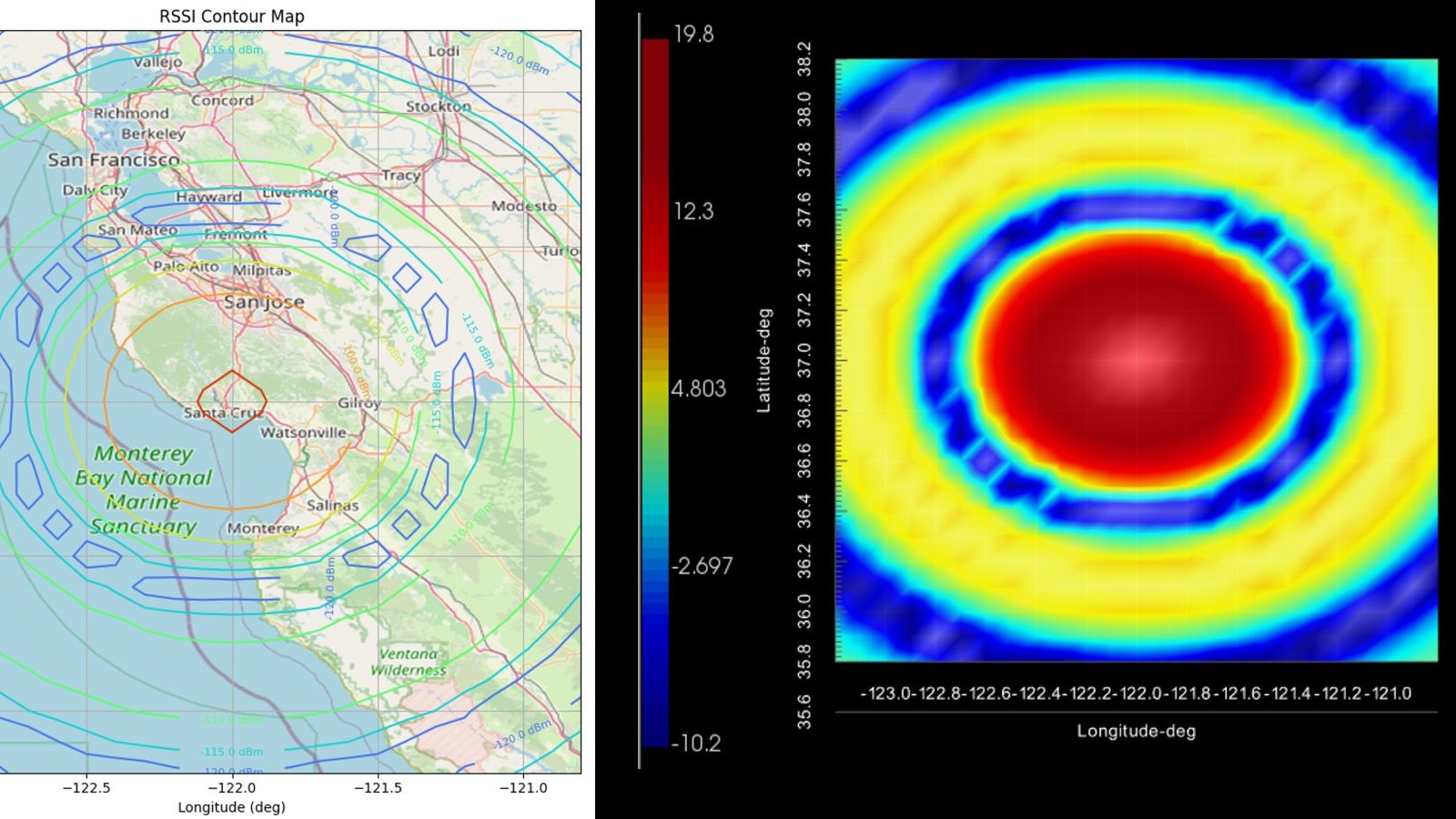
SystemVue 2026 introduces native NTN Coverage Map capability that enables Earth-surface visualization of key link-budget KPIs such as CNR and RSSI for satellite payload transmitters and phased-array antennas.
By combining realistic beamforming models, satellite trajectory dynamics, propagation losses, and receiver sensitivity within a single simulation workflow, engineers can directly correlate payload transceiver settings and antenna array configurations to spatial coverage quality.
This capability supports data-driven optimization of beam steering, transmit power, and footprint design—accelerating robust, energy-efficient NTN payload development without relying on external tools.
Connectivity Enhancements
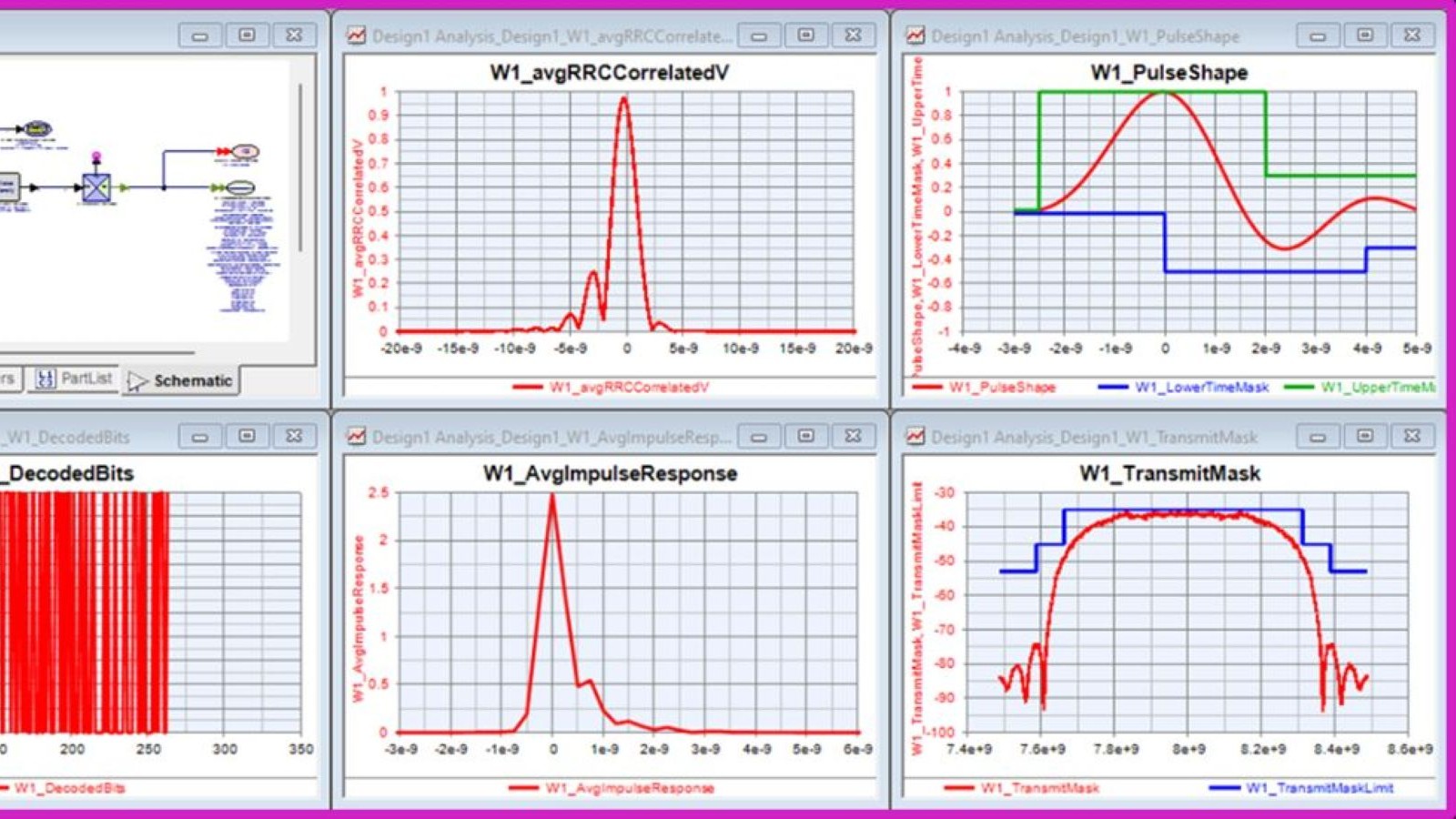
SystemVue 2026 expands its wireless standards support with enhanced IEEE 802.15.4 UWB and Wi-Fi 7/8 (802.11be/bn) capabilities, enabling accurate transmitter and/or receiver validation in both time and frequency domains. The UWB updates include detailed pulse analysis, ranging-related measurements, and spectral mask validation for regulatory compliance, while the Wi-Fi 7/8 enhancements provide a comprehensive receiver pipeline, EVM evaluation, and spectrum emission mask support for multi-user and high-bandwidth configurations.


Pre-6G ISAC and RIS System Modeling
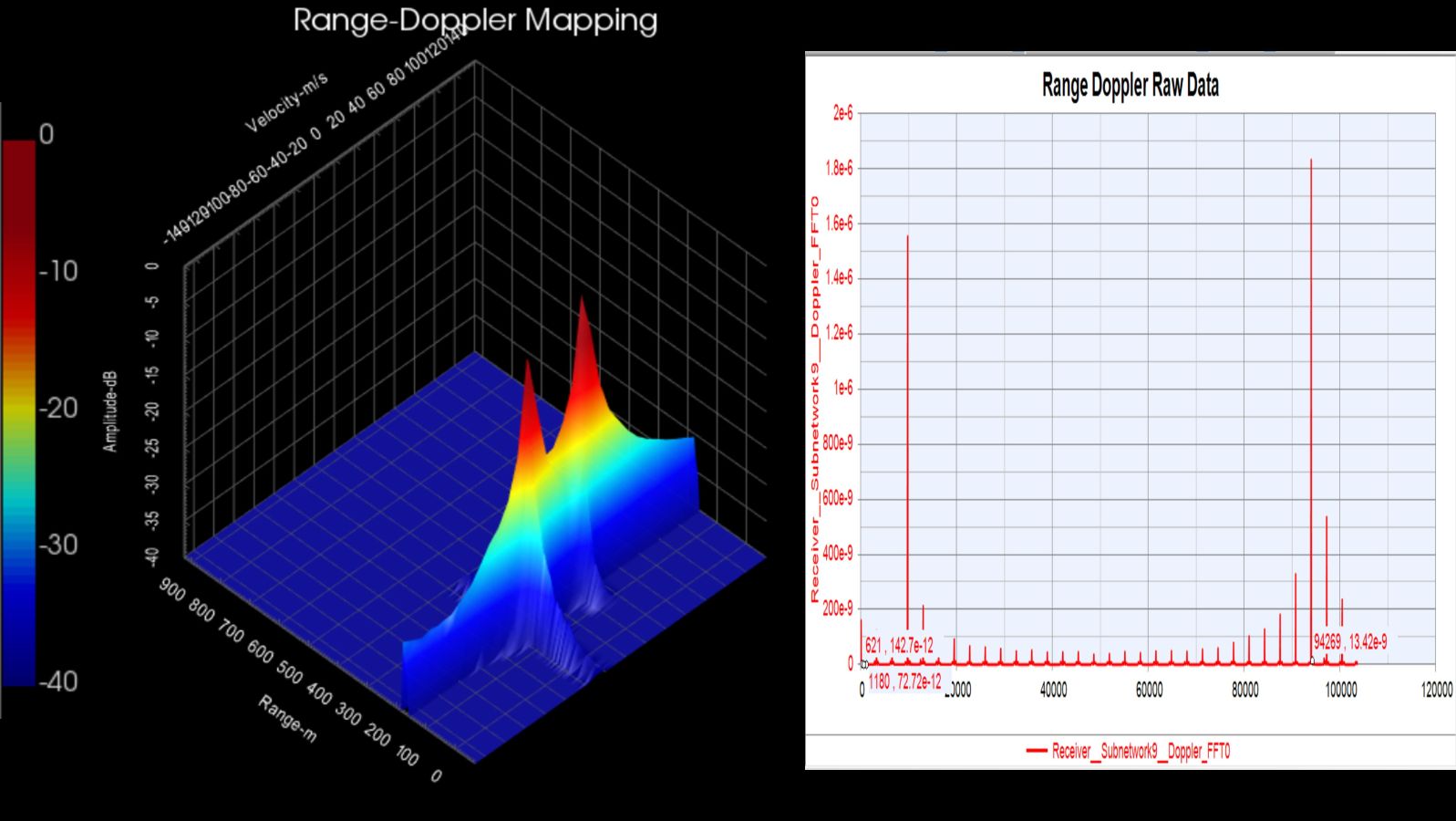
SystemVue 2026 introduces advanced Integrated Sensing and Communication (ISAC) and Reconfigurable Intelligent Surface (RIS) system modeling capabilities, enabling realistic co-simulation of communication waveforms, sensing targets, RF impairments, and programmable propagation environments.
The new ISAC channel supports mono-static and bi-static scenarios with multi-target range, velocity, and angle estimation aligned with 3GPP channel models, while the RIS modeling framework captures phase/amplitude quantization, reflection behavior, and end-to-end transmit–reflect–receive interactions.
Get Started
If you are ready to get started using SystemVue, Apply for a Free Trial.
Looking for another version? View other System Design versions.
Learn more about Keysight EDA Software.