How to Perform PCIe® 5.0 Protocol Validation
Validate PCIe Protocol Behavior Across Link Layers
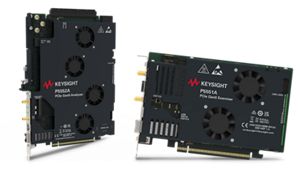
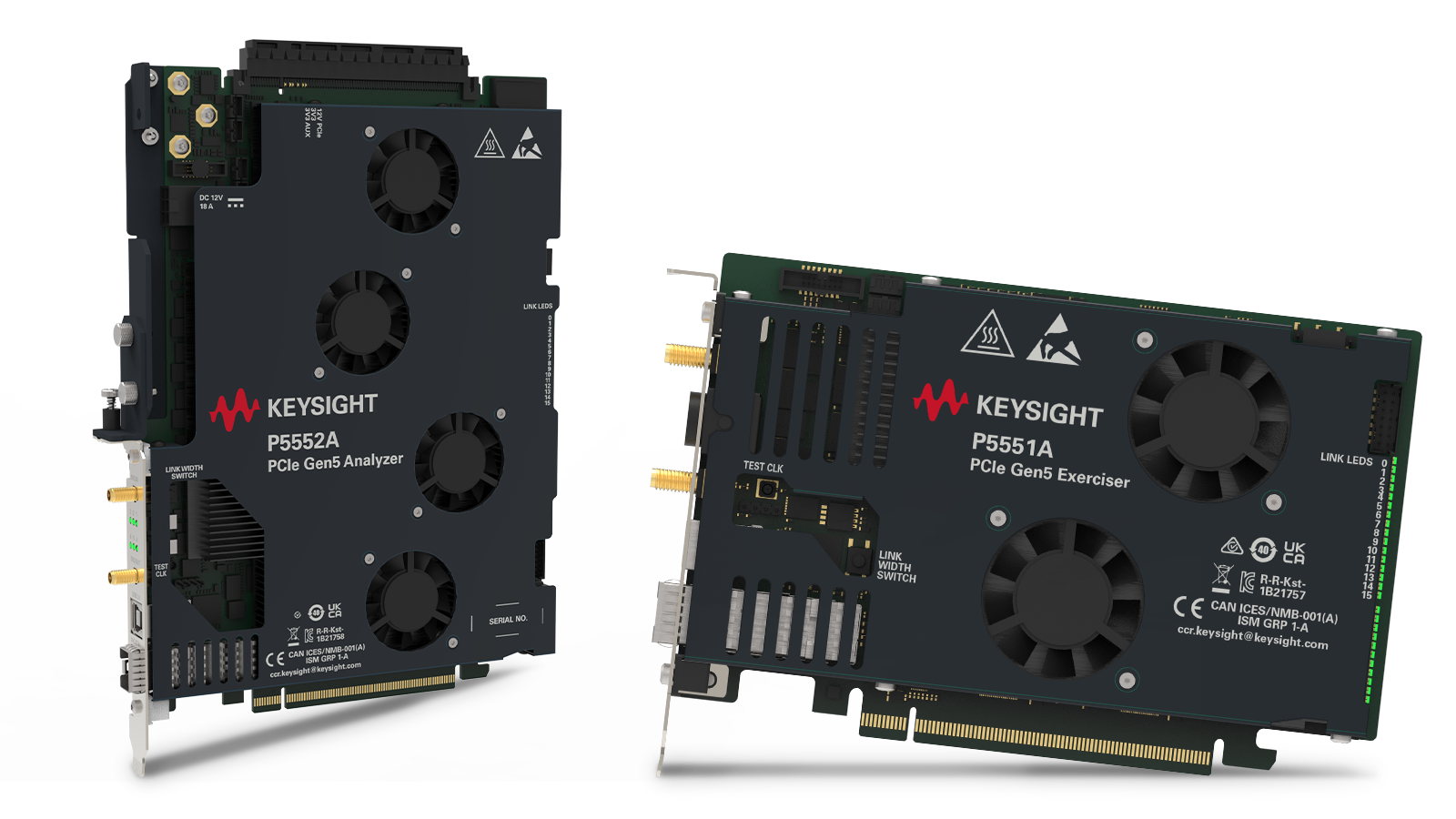
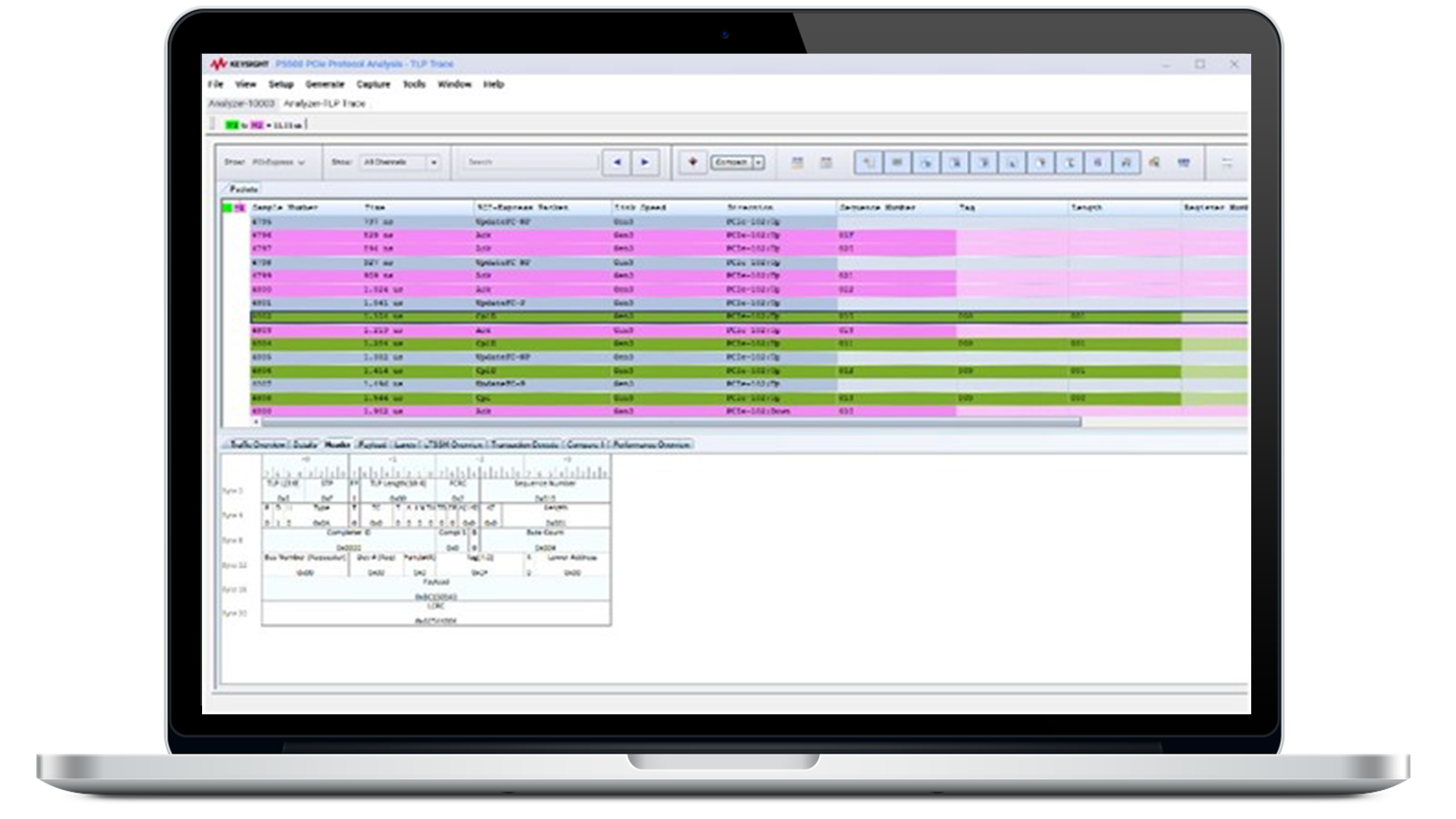
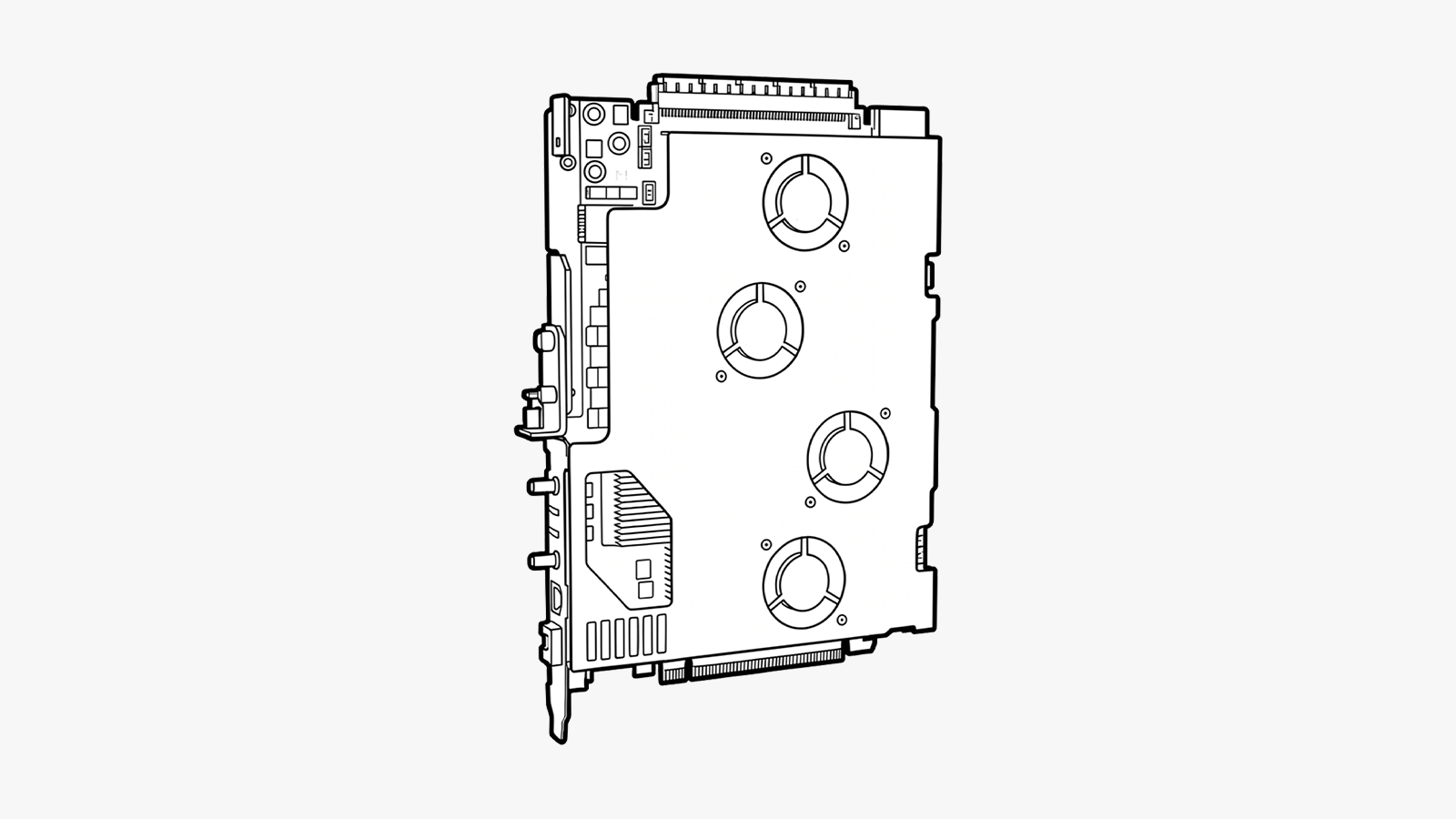
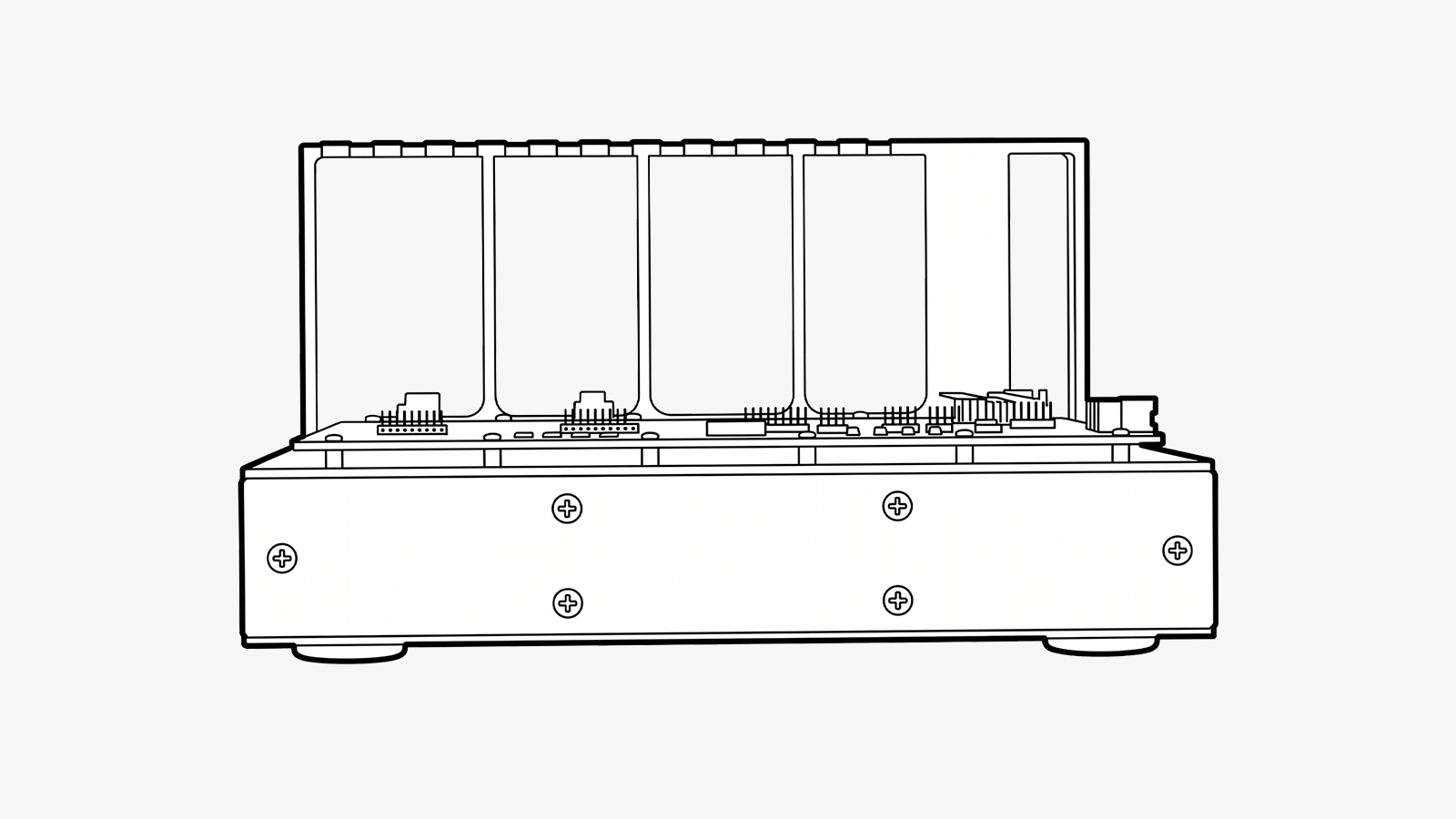
PCIe 5.0 protocol validation combines controlled link-partner emulation with protocol capture and decode across the physical, data link, and transaction layers. A typical setup places a PCIe protocol analyzer in the link between the device under test and its link partner, while a protocol exerciser emulates either a root complex or endpoint. The exerciser establishes repeatable link conditions, configures parameters such as lane width and target speed, generates traffic, and drives defined protocol sequences. The analyzer records link activity and decodes ordered sets, data link layer packets, transaction layer packets, acknowledgments, retries, and error events. During link bring-up, engineers use Link Training and Status State Machine (LTSSM) views to follow transitions through Detect, Polling, Configuration, Recovery, and L0. Correlating those transitions with decoded traffic helps identify where negotiation, retraining, degraded operation, or unexpected protocol behavior occurs during PCIe 5.0 protocol validation.
PCIe 5.0 testing also requires visibility into operation at up to 32 GT/s and the protocol behavior that accompanies link training, traffic exchange, and recovery. Engineers can use the protocol exerciser to reproduce specific root-complex or endpoint scenarios and compare device responses across repeated runs. Captured traces can be reviewed for negotiated speed and width, LTSSM transitions, packet ordering, flow control, retries, malformed traffic, and recovery activity. When a link drops speed, reduces lane width, repeatedly enters Recovery, or fails to maintain an active state, the analyzer provides a time-correlated record of the events surrounding that condition. This allows engineers to isolate the sequence that triggered the behavior and change one test variable at a time. Combining protocol stimulus with synchronized capture provides a practical workflow for PCIe 5.0 testing, LTSSM testing, and packet-level debugging without separating state-machine behavior from the traffic that caused it.
PCIe 5.0 Protocol Test Solution
See Demo of PCIe Protocol Testing
Explore Products for Our PCIe 5.0 Protocol Test Solution
-

![]()
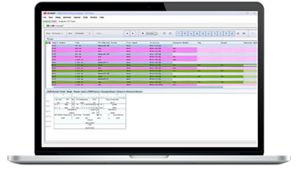
P5551PSWA Protocol Exerciser Traffic Analysis
-
![]()
P5552PSWA Protocol Analyzer Traffic Analysis
-

![]()
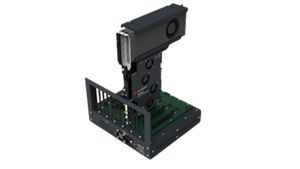
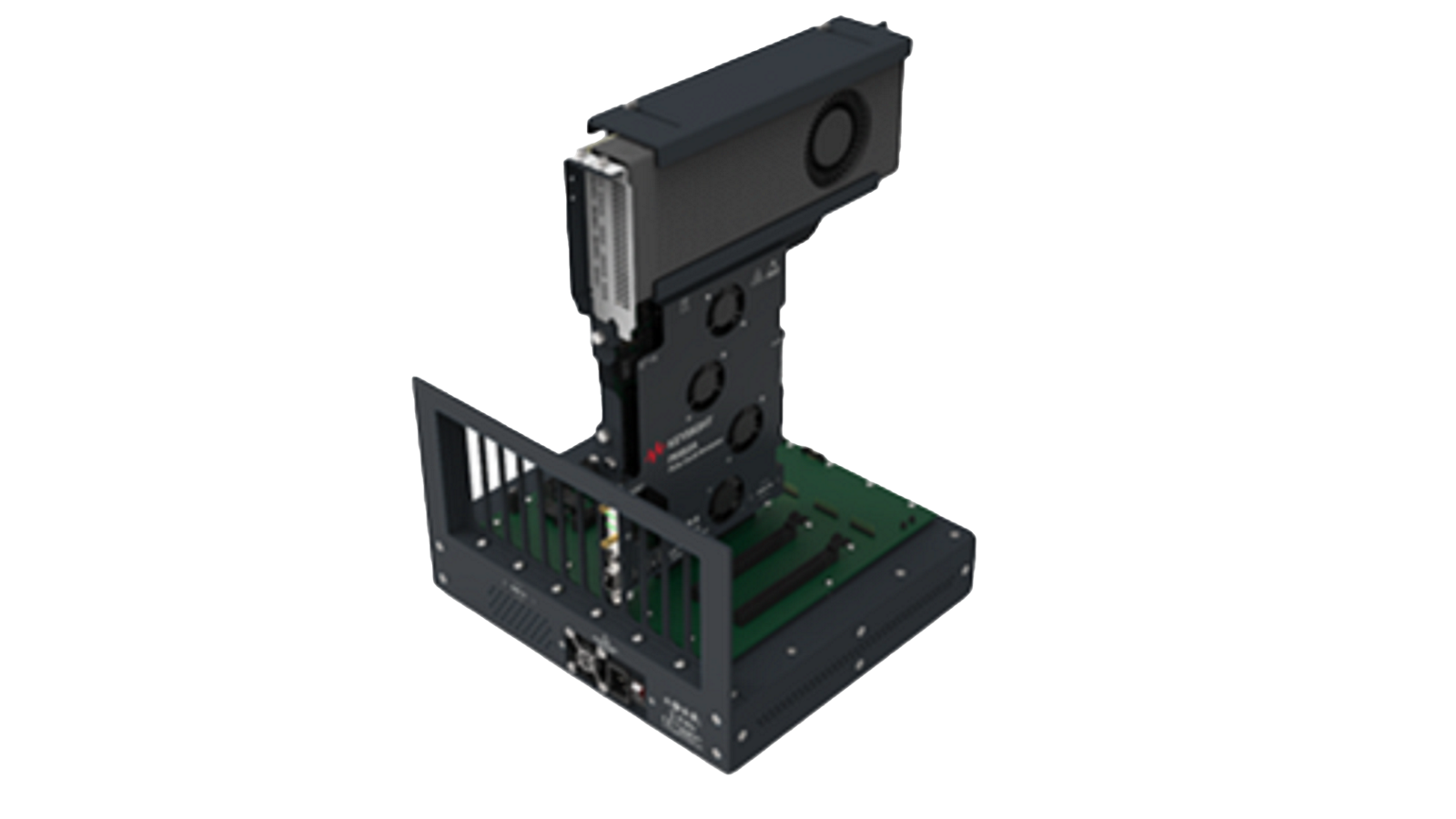
P5563B PCIe 6.0 Protocol Test Backplane
-
![]()
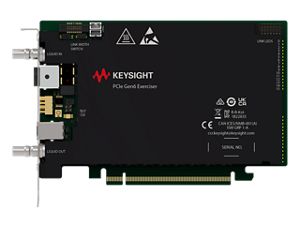
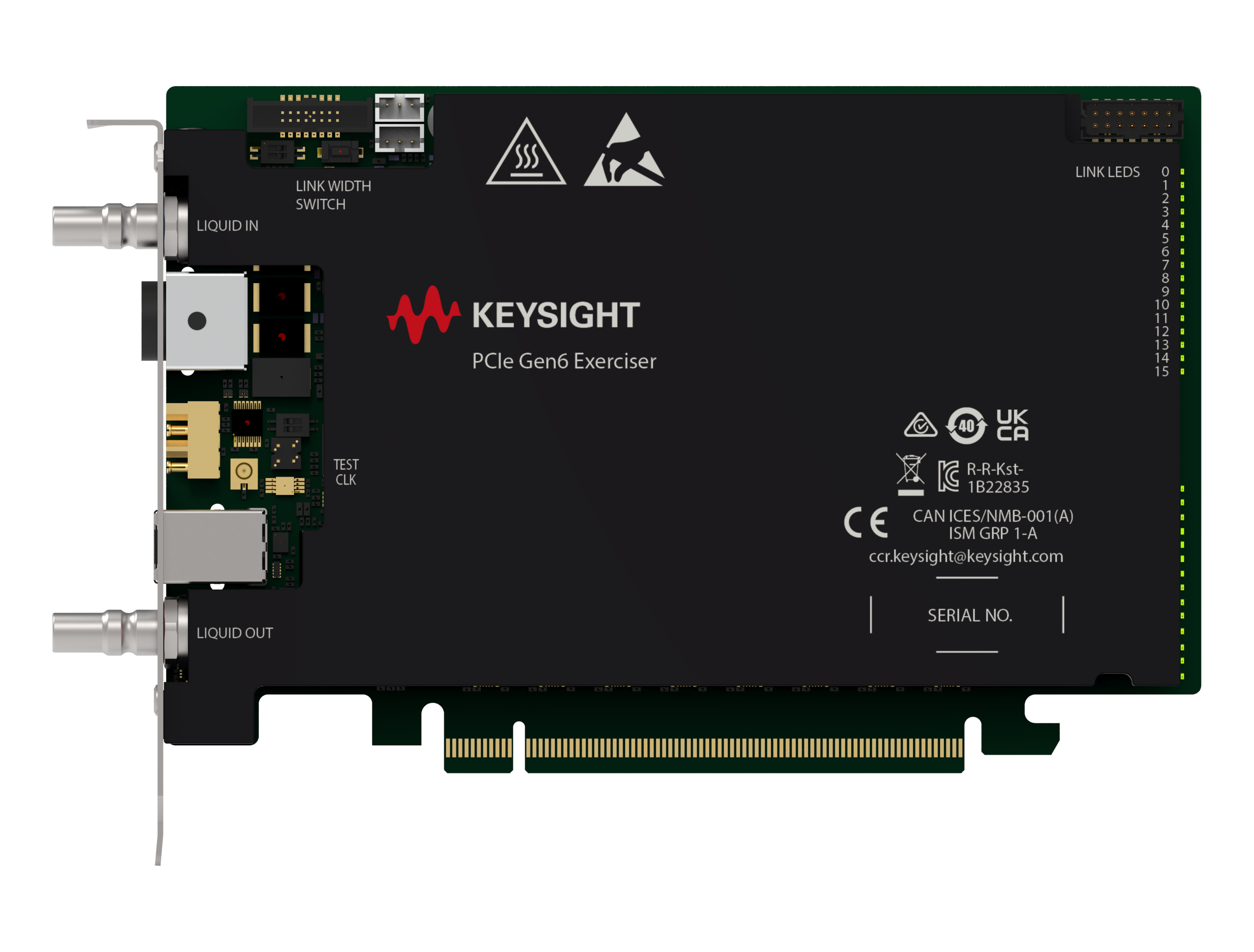
P5573A PCIe 6.0 Protocol Exerciser
-
![]()
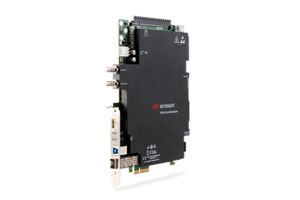
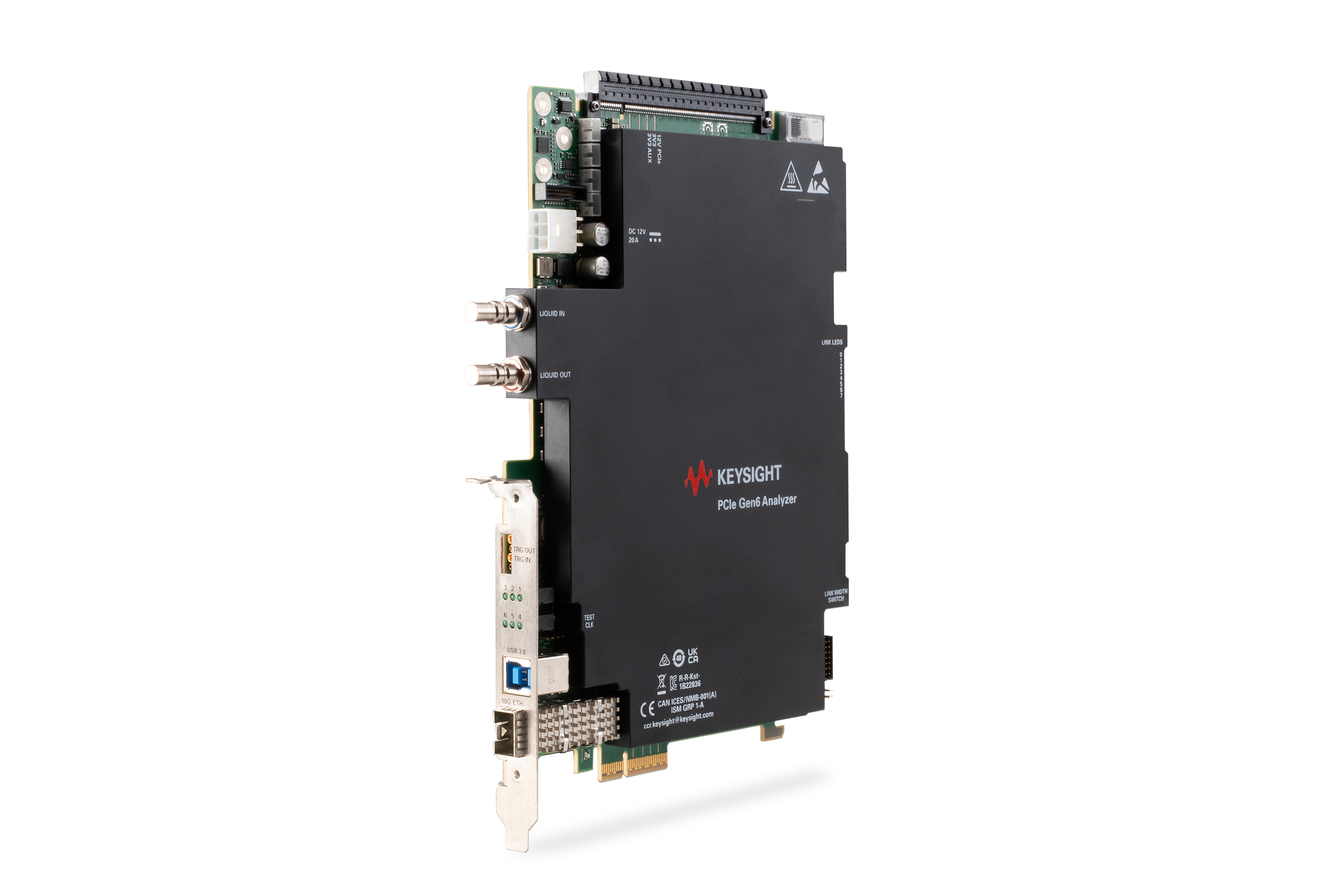
P5570A PCIe® 6.0 Protocol Analyzer


Discover Resources and Insights
Additional Resources for PCIe Testing
Related Use Cases
-
![]()
Learn More
How to Perform PCIe® 7.0 Protocol Validation
Perform PCIe 7.0 protocol validation at 128 GT/s with reliable link-up and deep visibility into Link Training and Status State Machine behavior, FLIT-based operation, protocol errors, and transaction-layer activity. Use a PCIe 7.0 protocol analyzer to capture traffic, debug link establishment, validate interoperability, and support PCIe 7.0 compliance testing from initial device bring-up through system validation.
Learn More

-
![]()
Learn More
CXL 3.0 Protocol Validation Solution
Validate CXL 3.0 interoperability, compliance, and fabric behavior using protocol analysis and debug tools.
Learn More
-
![]()
Learn More
CXL 1.1 and 2.0 Protocol Validation Solution
Validate CXL 1.1 and 2.0 interoperability and protocol compliance using protocol analysis and debug tools.
Learn More

Get in Touch with One of Our Experts
Need help finding the right solution for you?
PCI-SIG®, PCIe® and PCI Express® are US registered trademarks and/or service marks of PCI-SIG.