













-
Cyber Training
Scalable cyber range systems for realistic security operations training

-
Device Vulnerability Analysis
Measure, analyze, and validate hardware security vulnerabilities

-
SBOM Manager
Full-lifecycle SBOM visibility for secure software supply chain

Cyber Training
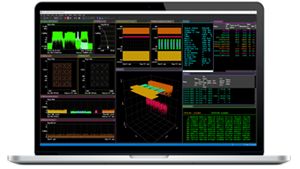
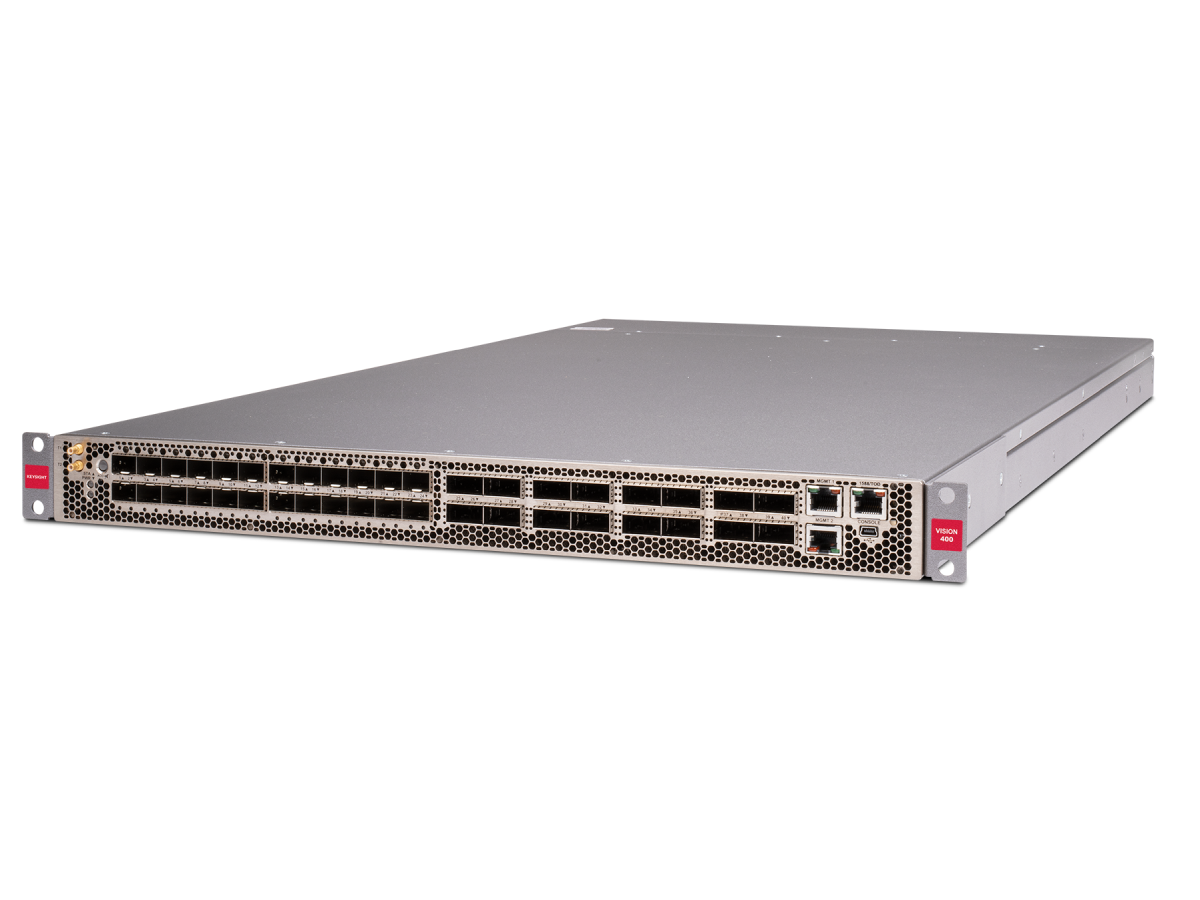
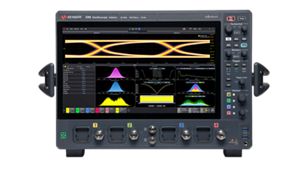
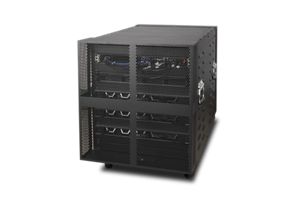
Keysight's Cyber Training Simulator is purpose-built to deliver realistic, hands-on cybersecurity training in a flexible and portable platform. Designed for education, defense, and enterprise readiness programs, the Keysight cyber training simulator integrates real-world attack scenarios, scalable network emulation, and multi-role collaboration, enabling learners to develop critical skills in offensive, defensive, forensic, and threat-hunting operations. With built-in support for protocol simulation, malware execution, and live scoring, the cyber training simulator streamlines the delivery of complex cyber exercises, eliminating the need for external infrastructure. Want to learn more about this solution? Explore the resources below.

Device Vulnerability Analysis
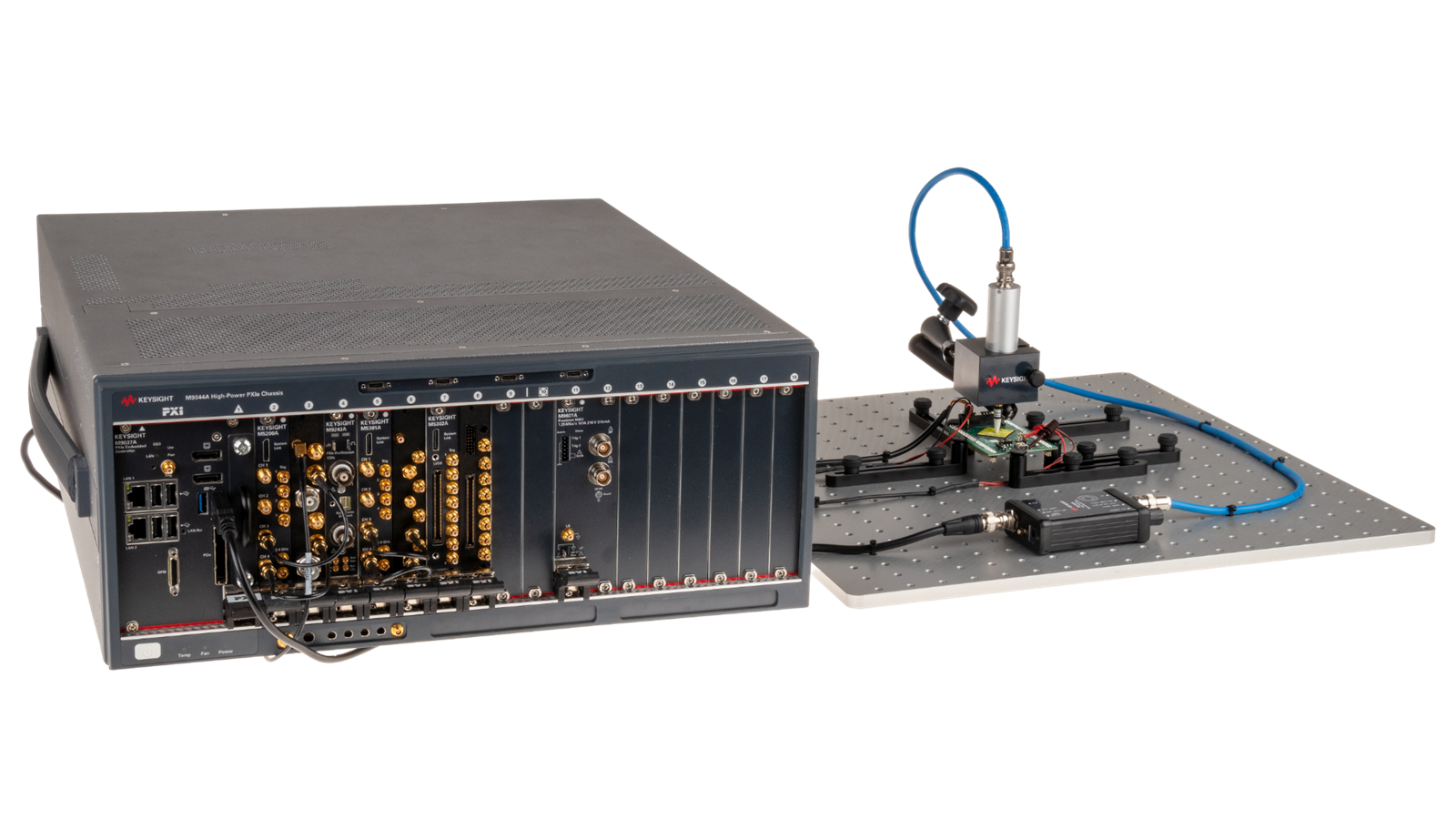
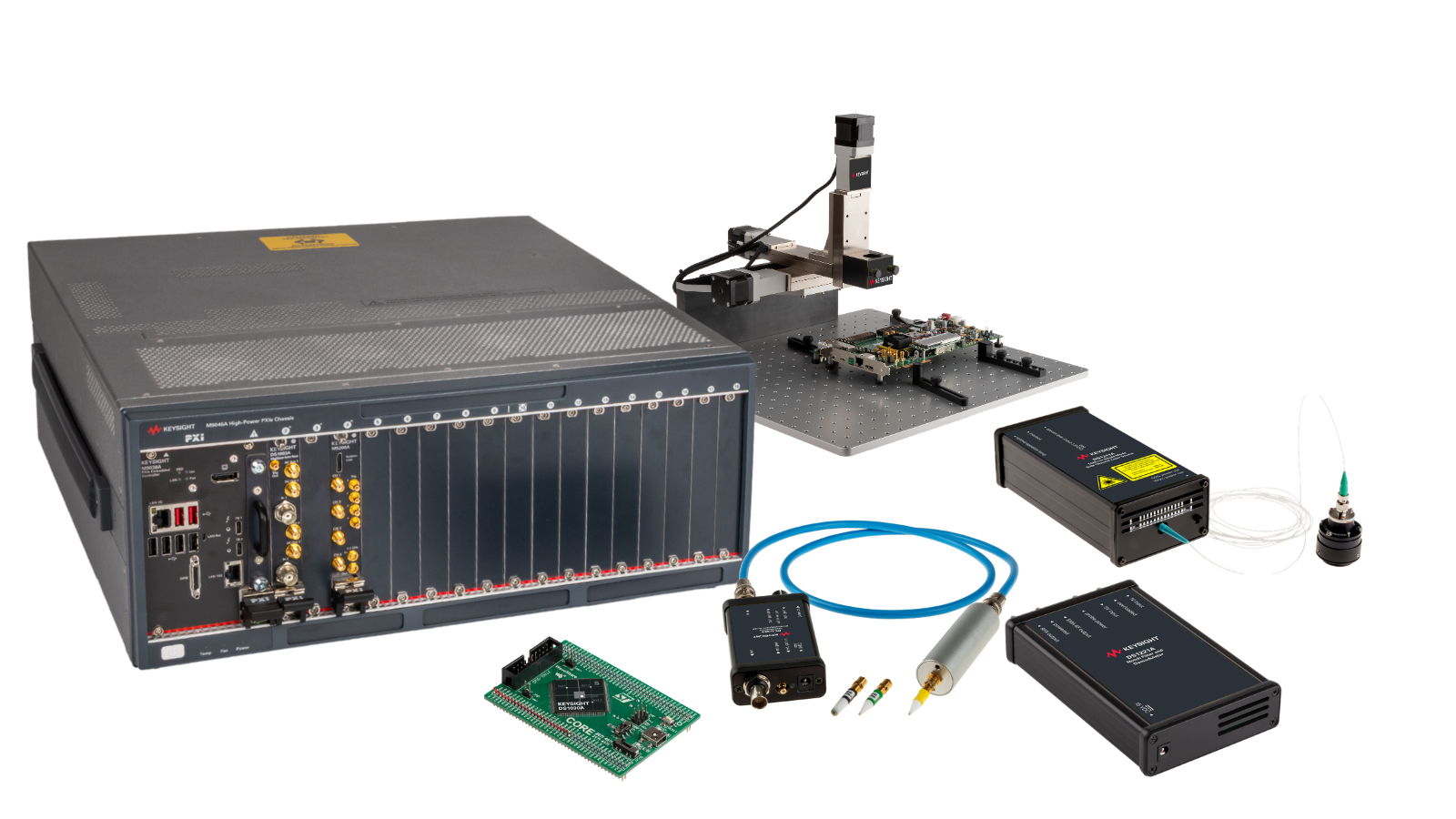
As embedded systems become increasingly connected and security-sensitive, understanding how they behave under attack is critical. Security weaknesses can expose sensitive data, compromise security-critical functionality, and create significant business and compliance risks. Keysight Device Vulnerability Analysis combines advanced hardware, software, and automation capabilities to help security teams identify vulnerabilities, validate countermeasures, and strengthen the security of embedded systems throughout the development lifecycle, from pre-silicon design to post-silicon validation.
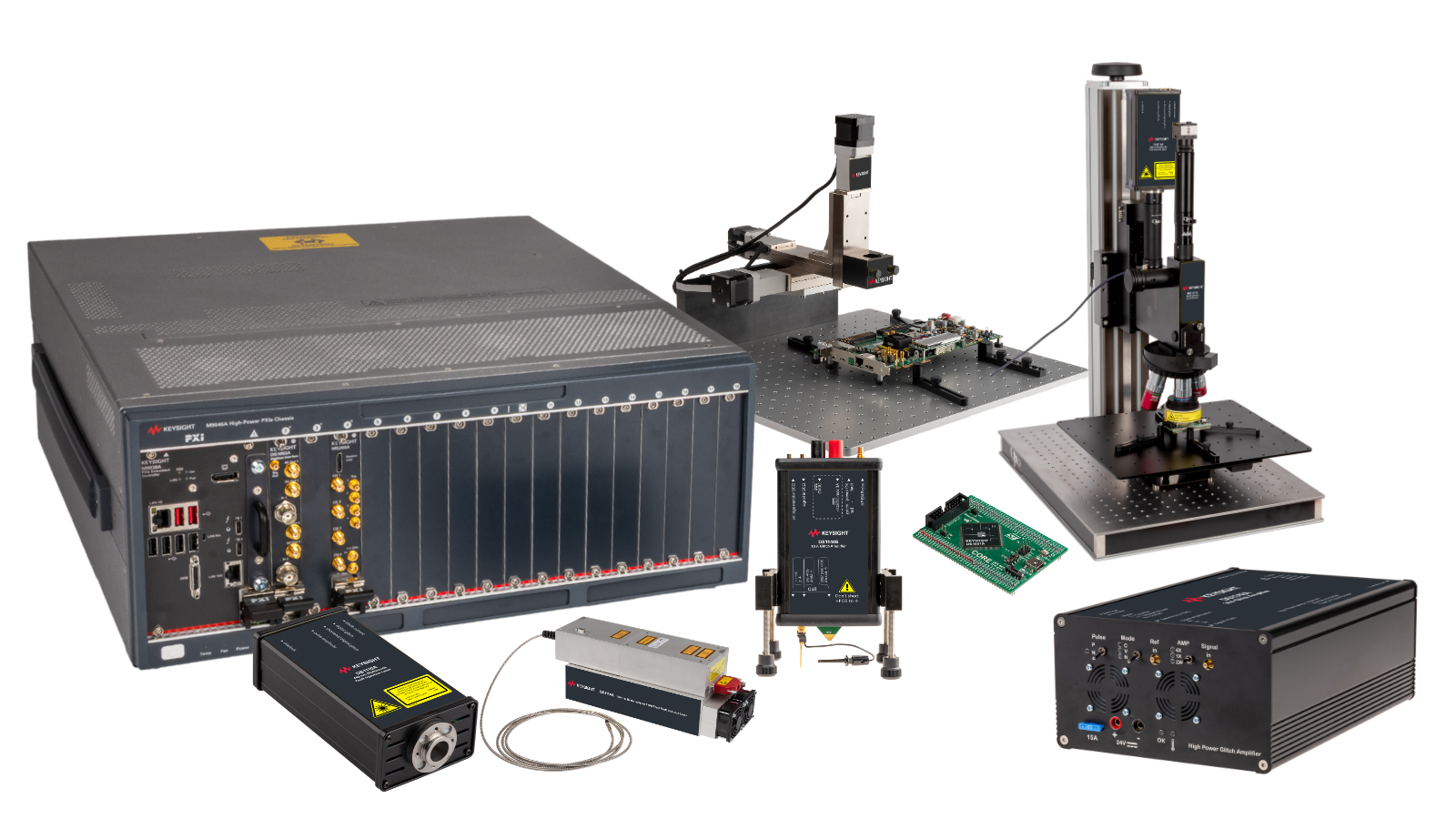
The portfolio supports a broad range of device security evaluation methodologies, including Side-Channel Analysis (SCA), Fault Injection (FI), and Pre-Silicon Side-Channel Analysis. Together, these solutions enable engineers to uncover leakage, induce and analyze fault conditions, and identify security weaknesses before and after silicon fabrication.
Building an effective device security testing capability requires more than a single tool. At the center is the Embedded Security Testbench, providing the foundation for synchronized and repeatable testing workflows. Around it, specialized hardware enables Side-Channel Analysis and Fault Injection evaluations, while the Inspector software suite automates acquisition, analysis, and campaign execution. To help teams build expertise and stay ahead of emerging threats, Keysight complements its solutions with training, consulting, and ongoing technical support. The result is a scalable and expandable security testing ecosystem, built on years of innovation and designed to evolve alongside the changing security landscape.



Keysight SBOM Manager
Keysight SBOM Manager is an enterprise-grade platform that delivers end-to-end Software Bill of Materials (SBOM) visibility, validation, and continuous security monitoring across the entire software lifecycle for both product producers and buyers. It combines accurate binary-level SBOM generation with centralized management, enrichment, sharing, and risk analysis through its integrated components — SBOM Generator, SBOM Studio, and SBOM Consumer. The platform enables organizations to track open source, proprietary, and third-party components, correlate vulnerabilities, monitor version changes, and support compliance reporting. By automating software supply chain transparency and risk assessment, it helps teams detect insecure dependencies, enforce security policies, respond quickly to emerging threats, and maintain audit readiness — ultimately strengthening overall software supply chain security.


Advancing Cybersecurity Education With Real-world Training
The Keysight Cyber Training Simulator (KCTS) is a hands-on platform that builds real-world cybersecurity skills. Powered by the BreakingPoint engine and updated by Keysight’s Global Application and Threat Intelligence (ATI) Team, it delivers attack scenarios such as DDoS, malware, and multi-protocol traffic. Aligned with the Cyber Kill Chain, it supports offensive and defensive training. With Learning Management System (LMS) and Learning Tools Interoperability (LTI) integration, KCTS enables flexible labs, scoring, and assessments.
Services and support
Innovate at speed with curated support plans and prioritized response and turn-around times.
Get predictable, lease-based subscriptions and full lifecycle management solutions—so you reach your business goals faster.
Experience elevated service as a KeysightCare subscriber to get committed technical response and more.
Ensure your test system performs to specification and meets local and global standards.
Make measurements quickly with in-house, instructor-led training, and eLearning.
Download Keysight software or update your software to the newest version.
Frequently Asked Questions
A vulnerability assessment is a structured cybersecurity process used to identify, analyze, and prioritize known security weaknesses across systems, networks, and applications. It relies on automated scanning, threat intelligence, and vulnerability databases such as Common Vulnerabilities and Exposures (CVEs) to provide continuous visibility into an organization’s security posture.
Penetration testing, by contrast, actively exploits selected vulnerabilities to simulate real-world attacks. Vulnerability assessments are broad, repeatable, and non-intrusive, making them well suited for ongoing risk management, while penetration tests are targeted, time-bound exercises designed to measure exploit impact. Many organizations use both as complementary security practices.
A vulnerability assessment is conducted by discovering assets, identifying weaknesses, validating findings, prioritizing risk, and tracking remediation. The purpose is to move from exposure visibility to actionable security improvement.
Typical steps include asset discovery, scanning, validation, false-positive review, risk scoring, remediation planning, and retesting. These findings are commonly tied to patching, configuration management, reporting, and broader security operations. Keysight supports these workflows by improving visibility and validation across complex environments.
Vulnerability assessment tools are used to discover assets, detect known weaknesses, validate exposure, and support remediation planning. Common technologies include vulnerability scanners, configuration analysis, firmware and software inspection, protocol analysis, and asset inventory tools.
These tools are often paired with automation, reporting, and validation workflows to improve operational efficiency. They may also support detection of missing patches, exposed services, weak configurations, insecure protocols, and application flaws. Keysight enables vulnerability assessment across complex environments where accurate visibility and repeatable validation are essential.
Vulnerability prioritization ranks findings by severity, exploitability, exposure, and operational impact so teams can address the most important risks first. A common scoring method is the Common Vulnerability Scoring System (CVSS), which assigns severity scores using standardized criteria.
In practice, organizations also consider asset criticality, internet exposure, business impact, and attack path relevance. Prioritization supports patching, compensating controls, and remediation sequencing, especially when resources are limited. Keysight supports risk-based validation workflows that connect technical findings to operational security decisions.
Vulnerability assessments should be performed regularly and whenever meaningful change occurs in the environment. The right frequency depends on risk level, asset criticality, compliance expectations, and the pace of software, infrastructure, or configuration change.
Common triggers include scheduled recurring assessments, new deployments, major updates, newly disclosed vulnerabilities, and audit preparation. Regular assessment supports patch management, configuration review, and continuous risk reduction. Keysight supports ongoing visibility and validation workflows that strengthen security posture over time.