Learn More
segmentation:campaign/IoT,segmentation:product-category/RF_Testing/Signal_Analyzers,keysight:dtx/solutions/facets/development-area/rf,segmentation:business-unit/EISG,segmentation:funnel/mofu,keysight:dtx/solutions/facets/industry/wireless-communications,segmentation:product-category/RF_Testing,keysight:product-lines/15,keysight:dtx/solutions/facets/workflow-stage/qa,keysight:dtx/solutions/facets/design-and-test-product/signal-analyzer,keysight:dtx/solutions/facets/industry/healthcare,keysight:models/dh/dh0150a,keysight:dtx/solutions/facets/industry/ai-infrastructuresegmentation:campaign/IoT,segmentation:product-category/RF_Testing/Signal_Analyzers,keysight:dtx/solutions/facets/development-area/rf,segmentation:business-unit/EISG,segmentation:funnel/mofu,keysight:dtx/solutions/facets/industry/wireless-communications,segmentation:product-category/RF_Testing,keysight:product-lines/15,keysight:dtx/solutions/facets/workflow-stage/qa,keysight:dtx/solutions/facets/design-and-test-product/signal-analyzer,keysight:dtx/solutions/facets/industry/healthcare,keysight:models/dh/dh0150a,keysight:dtx/solutions/facets/industry/ai-infrastructuresegmentation:campaign/IoT,segmentation:product-category/RF_Testing/Signal_Analyzers,keysight:dtx/solutions/facets/development-area/rf,segmentation:business-unit/EISG,segmentation:funnel/mofu,keysight:dtx/solutions/facets/industry/wireless-communications,segmentation:product-category/RF_Testing,keysight:product-lines/15,keysight:dtx/solutions/facets/workflow-stage/qa,keysight:dtx/solutions/facets/design-and-test-product/signal-analyzer,keysight:dtx/solutions/facets/industry/healthcare,keysight:models/dh/dh0150a,keysight:dtx/solutions/facets/industry/ai-infrastructuresegmentation:campaign/IoT,segmentation:product-category/RF_Testing/Signal_Analyzers,keysight:dtx/solutions/facets/development-area/rf,segmentation:business-unit/EISG,segmentation:funnel/mofu,keysight:dtx/solutions/facets/industry/wireless-communications,segmentation:product-category/RF_Testing,keysight:product-lines/15,keysight:dtx/solutions/facets/workflow-stage/qa,keysight:dtx/solutions/facets/design-and-test-product/signal-analyzer,keysight:dtx/solutions/facets/industry/healthcare,keysight:models/dh/dh0150a,keysight:dtx/solutions/facets/industry/ai-infrastructuresegmentation:campaign/IoT,segmentation:product-category/RF_Testing/Signal_Analyzers,keysight:dtx/solutions/facets/development-area/rf,segmentation:business-unit/EISG,segmentation:funnel/mofu,keysight:dtx/solutions/facets/industry/wireless-communications,segmentation:product-category/RF_Testing,keysight:product-lines/15,keysight:dtx/solutions/facets/workflow-stage/qa,keysight:dtx/solutions/facets/design-and-test-product/signal-analyzer,keysight:dtx/solutions/facets/industry/healthcare,keysight:models/dh/dh0150a,keysight:dtx/solutions/facets/industry/ai-infrastructuresegmentation:campaign/IoT,segmentation:product-category/RF_Testing/Signal_Analyzers,keysight:dtx/solutions/facets/development-area/rf,segmentation:business-unit/EISG,segmentation:funnel/mofu,keysight:dtx/solutions/facets/industry/wireless-communications,segmentation:product-category/RF_Testing,keysight:product-lines/15,keysight:dtx/solutions/facets/workflow-stage/qa,keysight:dtx/solutions/facets/design-and-test-product/signal-analyzer,keysight:dtx/solutions/facets/industry/healthcare,keysight:models/dh/dh0150a,keysight:dtx/solutions/facets/industry/ai-infrastructuresegmentation:campaign/IoT,segmentation:product-category/RF_Testing/Signal_Analyzers,keysight:dtx/solutions/facets/development-area/rf,segmentation:business-unit/EISG,segmentation:funnel/mofu,keysight:dtx/solutions/facets/industry/wireless-communications,segmentation:product-category/RF_Testing,keysight:product-lines/15,keysight:dtx/solutions/facets/workflow-stage/qa,keysight:dtx/solutions/facets/design-and-test-product/signal-analyzer,keysight:dtx/solutions/facets/industry/healthcare,keysight:models/dh/dh0150a,keysight:dtx/solutions/facets/industry/ai-infrastructuresegmentation:campaign/IoT,segmentation:product-category/RF_Testing/Signal_Analyzers,keysight:dtx/solutions/facets/development-area/rf,segmentation:business-unit/EISG,segmentation:funnel/mofu,keysight:dtx/solutions/facets/industry/wireless-communications,segmentation:product-category/RF_Testing,keysight:product-lines/15,keysight:dtx/solutions/facets/workflow-stage/qa,keysight:dtx/solutions/facets/design-and-test-product/signal-analyzer,keysight:dtx/solutions/facets/industry/healthcare,keysight:models/dh/dh0150a,keysight:dtx/solutions/facets/industry/ai-infrastructuresegmentation:campaign/IoT,segmentation:product-category/RF_Testing/Signal_Analyzers,keysight:dtx/solutions/facets/development-area/rf,segmentation:business-unit/EISG,segmentation:funnel/mofu,keysight:dtx/solutions/facets/industry/wireless-communications,segmentation:product-category/RF_Testing,keysight:product-lines/15,keysight:dtx/solutions/facets/workflow-stage/qa,keysight:dtx/solutions/facets/design-and-test-product/signal-analyzer,keysight:dtx/solutions/facets/industry/healthcare,keysight:models/dh/dh0150a,keysight:dtx/solutions/facets/industry/ai-infrastructuresegmentation:campaign/IoT,segmentation:product-category/RF_Testing/Signal_Analyzers,keysight:dtx/solutions/facets/development-area/rf,segmentation:business-unit/EISG,segmentation:funnel/mofu,keysight:dtx/solutions/facets/industry/wireless-communications,segmentation:product-category/RF_Testing,keysight:product-lines/15,keysight:dtx/solutions/facets/workflow-stage/qa,keysight:dtx/solutions/facets/design-and-test-product/signal-analyzer,keysight:dtx/solutions/facets/industry/healthcare,keysight:models/dh/dh0150a,keysight:dtx/solutions/facets/industry/ai-infrastructuresegmentation:campaign/IoT,segmentation:product-category/RF_Testing/Signal_Analyzers,keysight:dtx/solutions/facets/development-area/rf,segmentation:business-unit/EISG,segmentation:funnel/mofu,keysight:dtx/solutions/facets/industry/wireless-communications,segmentation:product-category/RF_Testing,keysight:product-lines/15,keysight:dtx/solutions/facets/workflow-stage/qa,keysight:dtx/solutions/facets/design-and-test-product/signal-analyzer,keysight:dtx/solutions/facets/industry/healthcare,keysight:models/dh/dh0150a,keysight:dtx/solutions/facets/industry/ai-infrastructuresegmentation:campaign/IoT,segmentation:product-category/RF_Testing/Signal_Analyzers,keysight:dtx/solutions/facets/development-area/rf,segmentation:business-unit/EISG,segmentation:funnel/mofu,keysight:dtx/solutions/facets/industry/wireless-communications,segmentation:product-category/RF_Testing,keysight:product-lines/15,keysight:dtx/solutions/facets/workflow-stage/qa,keysight:dtx/solutions/facets/design-and-test-product/signal-analyzer,keysight:dtx/solutions/facets/industry/healthcare,keysight:models/dh/dh0150a,keysight:dtx/solutions/facets/industry/ai-infrastructuresegmentation:campaign/IoT,segmentation:product-category/RF_Testing/Signal_Analyzers,keysight:dtx/solutions/facets/development-area/rf,segmentation:business-unit/EISG,segmentation:funnel/mofu,keysight:dtx/solutions/facets/industry/wireless-communications,segmentation:product-category/RF_Testing,keysight:product-lines/15,keysight:dtx/solutions/facets/workflow-stage/qa,keysight:dtx/solutions/facets/design-and-test-product/signal-analyzer,keysight:dtx/solutions/facets/industry/healthcare,keysight:models/dh/dh0150a,keysight:dtx/solutions/facets/industry/ai-infrastructure
How to Test Wireless Coexistence for Medical Devices
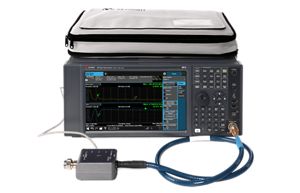
Coexistence testing for medical devices requires characterizing their behavior in the presence of various radio signals. Learn how to evaluate the functional wireless performance of a medical device and mitigate any interference issues.
Learn More