












-
Logic Analyzers
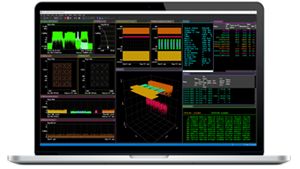
Precisely capture, analyze, and debug high-speed digital signals


-
PCIe Protocol Analyzers
Validate, test, and debug PCIe and Compute Express Link (CXL) interfaces

-
PCIe Protocol Exercisers
Generate and simulate PCI traffic for testing performance and standards

-
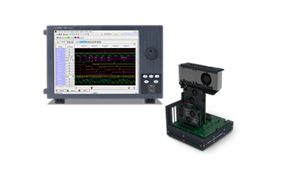
PCIe Protocol Test Backplanes
Provides a stable and signal-optimized interface for PCIe and CXL add-in cards


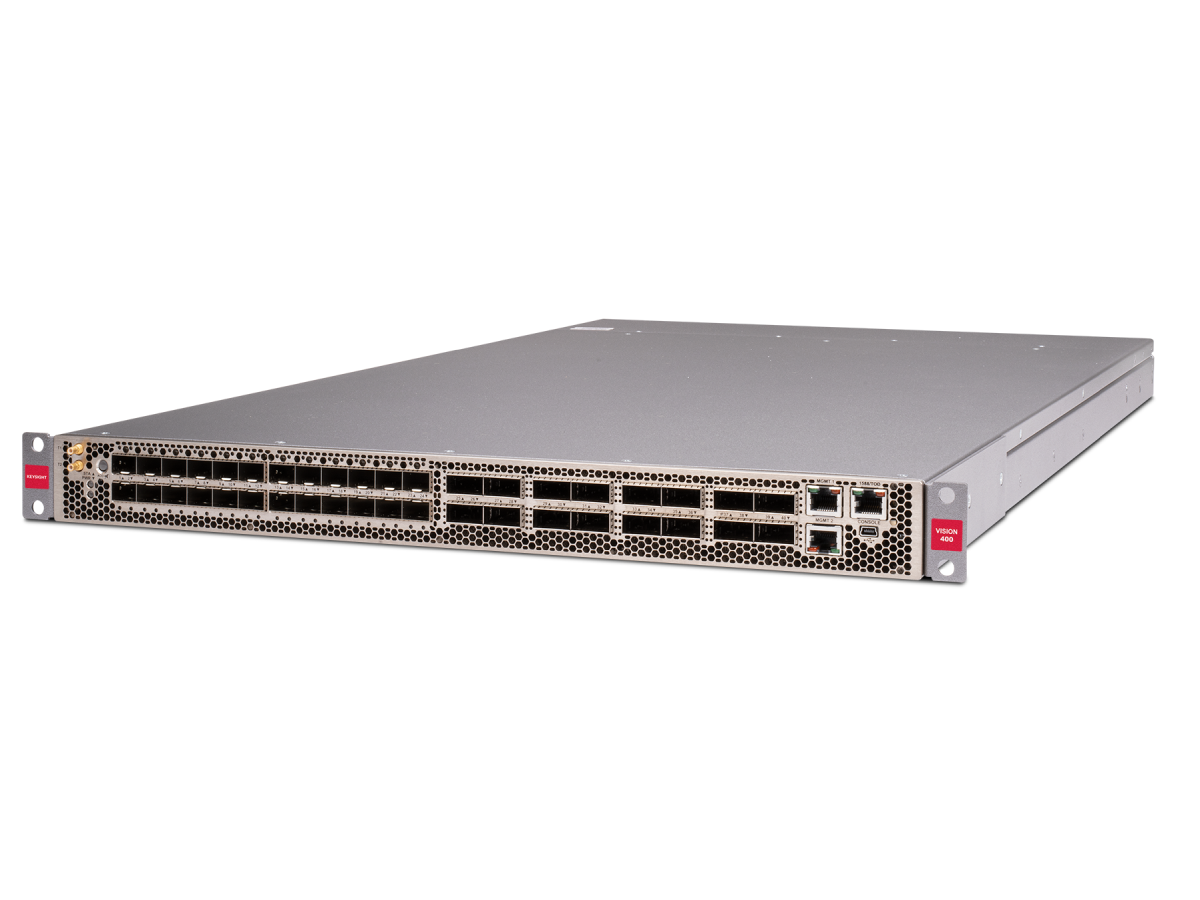
Logic Analyzers
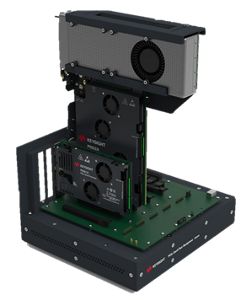
Keysight logic analyzers enable you to precisely capture, analyze, and debug digital signals in embedded systems, memory designs, and high-speed digital interfaces. Select the logic analyzer you need by considering factors like the number of channels, maximum memory depth, and supported standards. Explore our range of portable and DDR logic analyzers to find the one that is right for your application.


PCIe Protocol Analyzers
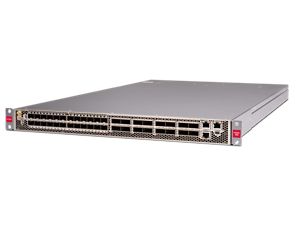
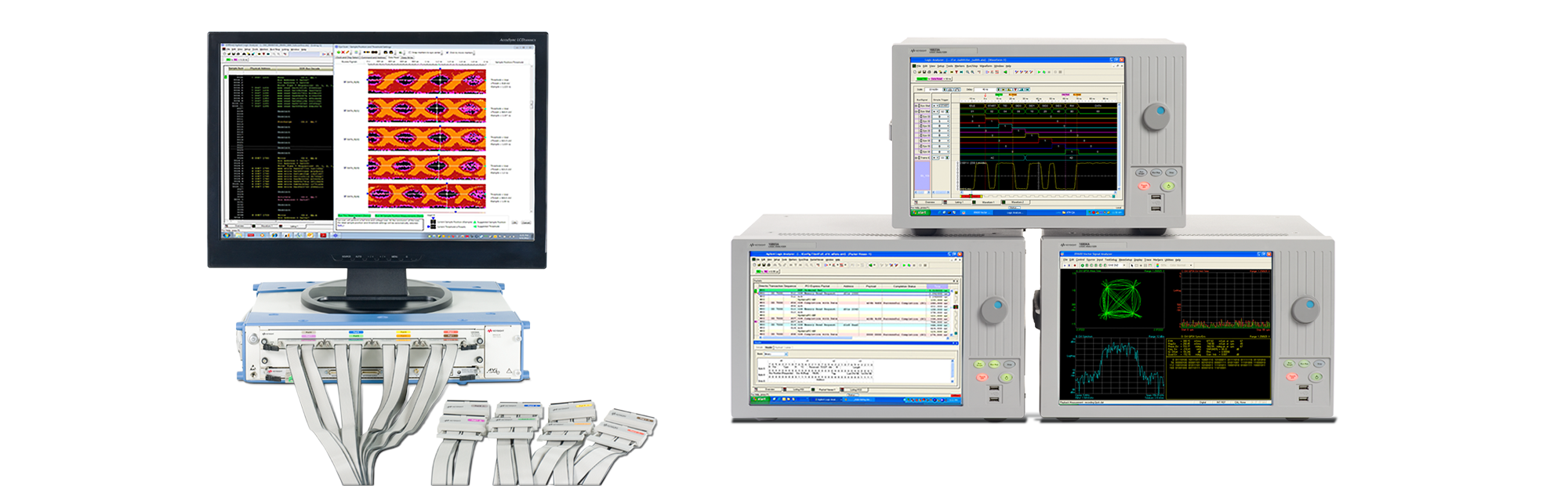
Keysight LA5-class PCIe protocol analyzers include the P5570A, which provides deep insight into PCIe communication, enabling you to capture, decode, and analyze high-speed data traffic with precision. These analyzers help identify protocol-level issues, validate system performance, and accelerate debugging in complex PCIe designs. By delivering comprehensive visibility into data transactions, timing, and protocol compliance, they help you validate communication between devices that use the PCIe interface.

PCIe Protocol Exercisers
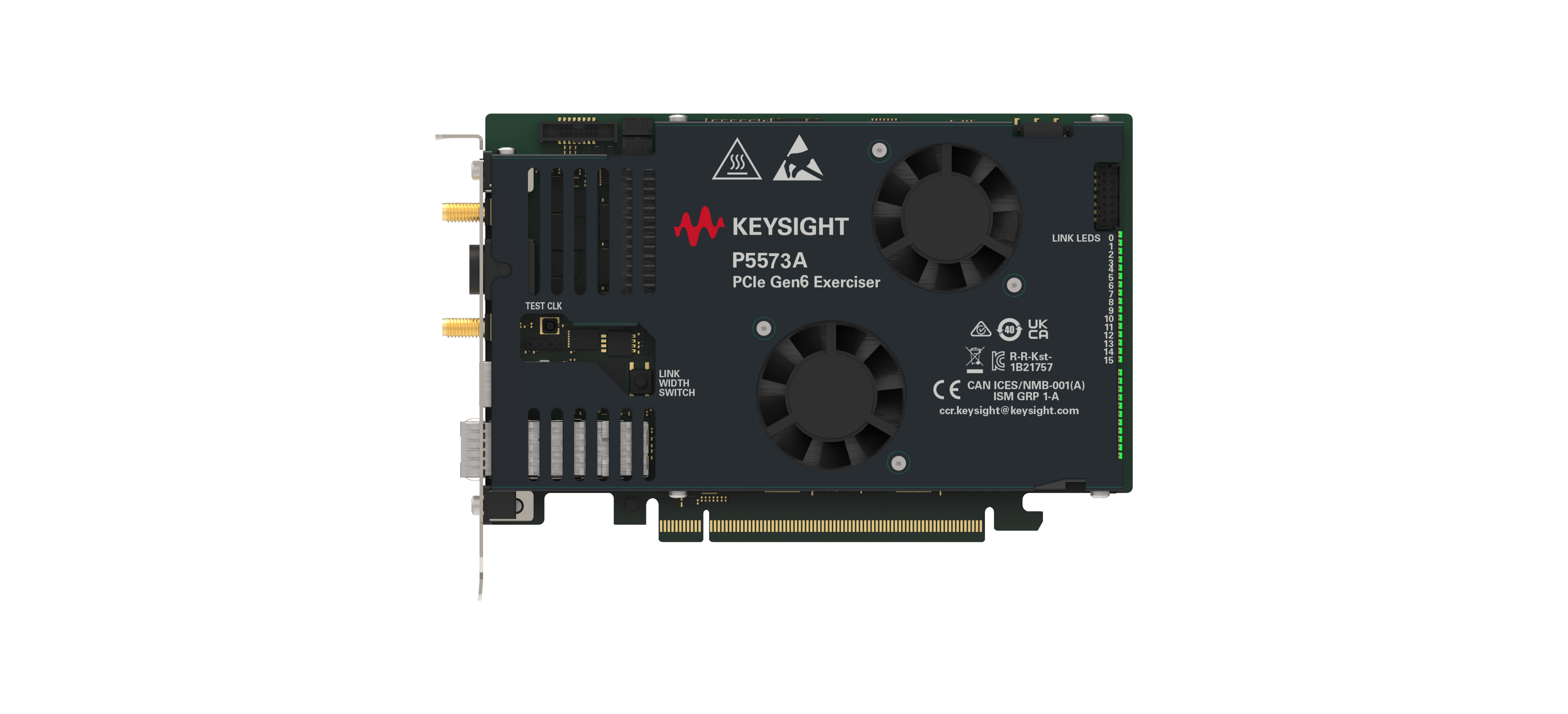
Keysight LA5-class PCIe protocol exercisers include the P5573A which generates and simulates PCIe traffic, enabling you to rigorously test and validate the performance and robustness of PCIe devices and systems. By emulating a wide range of real-world scenarios and error conditions, our PCIe protocol exercisers help you uncover design flaws, verify compliance, and optimize system behavior under various workloads.
PCIe Protocol Test Backplanes
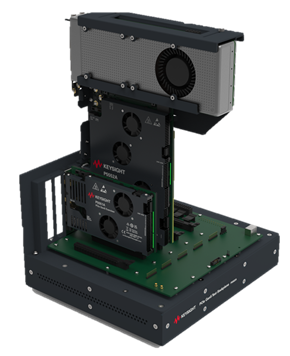
Keysight LA5-class protocol backplanes include the P5563C, which provides a stable and signal-optimized interface for PCIe and CXL add-in cards. Our PCIe protocol backplane ensures that you can thoroughly evaluate device performance, signal integrity, and protocol compliance under real-world conditions. Its robust mechanical design and broad form-factor compatibility make it an imortant tool for accelerating development cycles and delivering next-generation computing, storage, and networking solutions with confidence.
Find the DDR Logic Analyzer for your Application in minutes
Find Compatible Software and Accessories for your Digital Protocol Solution
Choose from a wide range of compliance, debugging, and application-specific software or accessories like probes, cables, calibration kits, and more for your digital protocol analyzer.
Digital
How to Perform DDR5 System ValidationDiscover best practices for DDR5 system validation and debugging through protocol-level insight and analysis tools.

Digital
How to Perform PCIe 6.0 Protocol ValidationLearn how to accurately measure and analyze the power consumption of IoT devices across various operating states.
Digital
Perform PCIe 5.0 Protocol ValidationLearn how to validate PCIe protocol performance and compliance across all development stages.


Services and support
Innovate at speed with curated support plans and prioritized response and turn-around times.
Get predictable, lease-based subscriptions and full lifecycle management solutions—so you reach your business goals faster.
Experience elevated service as a KeysightCare subscriber to get committed technical response and more.
Ensure your test system performs to specification and meets local and global standards.
Make measurements quickly with in-house, instructor-led training, and eLearning.
Download Keysight software or update your software to the newest version.
Frequently Asked Questions
A digital protocol analyzer is a test instrument used to capture, decode, and analyze traffic on standardized digital interfaces such as PCIe, CXL, or DDR. It is used for validating correct protocol behavior, timing, and transaction flow during system development.
Choosing the right analyzer depends on the target protocol, link speed, lane width, and validation stage. Unlike logic analyzers, protocol analyzers operate at the transaction level, making them best suited for system validation, interoperability testing, and compliance workflows rather than low‑level signal debug.
A logic analyzer is a digital debug instrument used to capture and observe multiple digital signals at the pin or bus level, providing visibility into timing relationships, state changes, and control signals. It is used for low‑level hardware bring‑up, firmware debug, and validating signal interactions before protocol behavior is fully established.
In contrast, a digital protocol analyzer operates at a higher abstraction level by decoding captured traffic into protocol‑aware transactions for standards such as PCIe, CXL, or DDR.
Engineers typically choose logic analyzers for early hardware validation and choose protocol analyzers for system‑level validation, interoperability testing, performance analysis, and compliance verification.
Digital protocol analyzers support specific interface standards, commonly including PCI Express (PCIe), Compute Express Link (CXL), DDR memory, and other high‑speed interconnects. Each analyzer is designed to decode and interpret traffic according to defined protocol specifications.
Selection is based on protocol version, maximum data rate, lane count, and compliance requirements. In contrast to multi‑purpose digital tools, protocol analyzers must precisely match the protocol revision under test to correctly decode transactions, link states, and error conditions.
The key specifications of a digital protocol analyzer define whether it can accurately observe and capture protocol behavior. These include supported data rates, number of lanes, capture memory depth, timestamp resolution, and trigger capabilities.
For high‑speed interfaces, sufficient memory depth and precise triggering are critical to isolate rare errors or long transaction sequences. Unlike oscilloscopes that focus on analog waveform fidelity, protocol analyzers prioritize complete, lossless capture and correct protocol decoding across complex, high‑throughput links.
A protocol analyzer passively observes real system traffic, while a protocol exerciser actively generates and controls protocol transactions. Together, they form a closed validation loop used for design bring‑up, error handling verification, and stress testing.
In practice, engineers use exercisers to emulate devices or inject controlled traffic and error conditions, then use analyzers to verify responses at the transaction level. This combined workflow enables repeatable testing without requiring a full system and is foundational for early development, compliance testing, and root‑cause analysis.
A digital protocol analyzer is used to troubleshoot protocol errors by decoding captured traffic into transactions, link states, and timing relationships defined by the protocol specification. It allows engineers to identify violations, retries, malformed packets, or unexpected state transitions.
For performance analysis, analyzers reveal transaction latency, throughput bottlenecks, and ordering issues that are invisible at the physical layer. This capability makes them essential for debugging interoperability issues, system‑level performance tuning, and standards compliance across complex digital interfaces used in modern compute systems. Keysight Technologies is widely recognized for advancing these protocol‑level validation practices.