







-
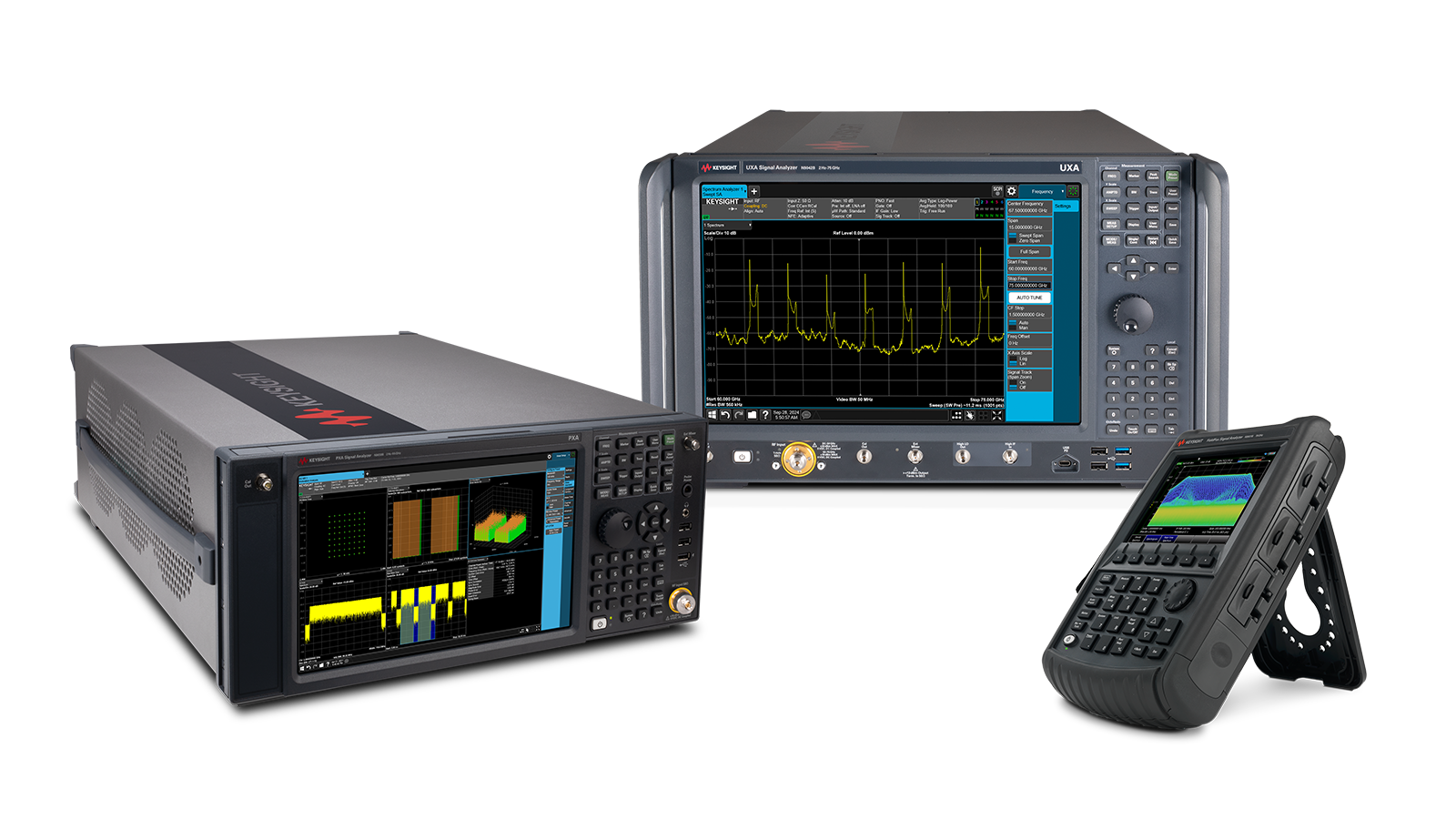
Benchtop Analyzers
Wide range of analyzers from basic analysis to advanced R&D


-
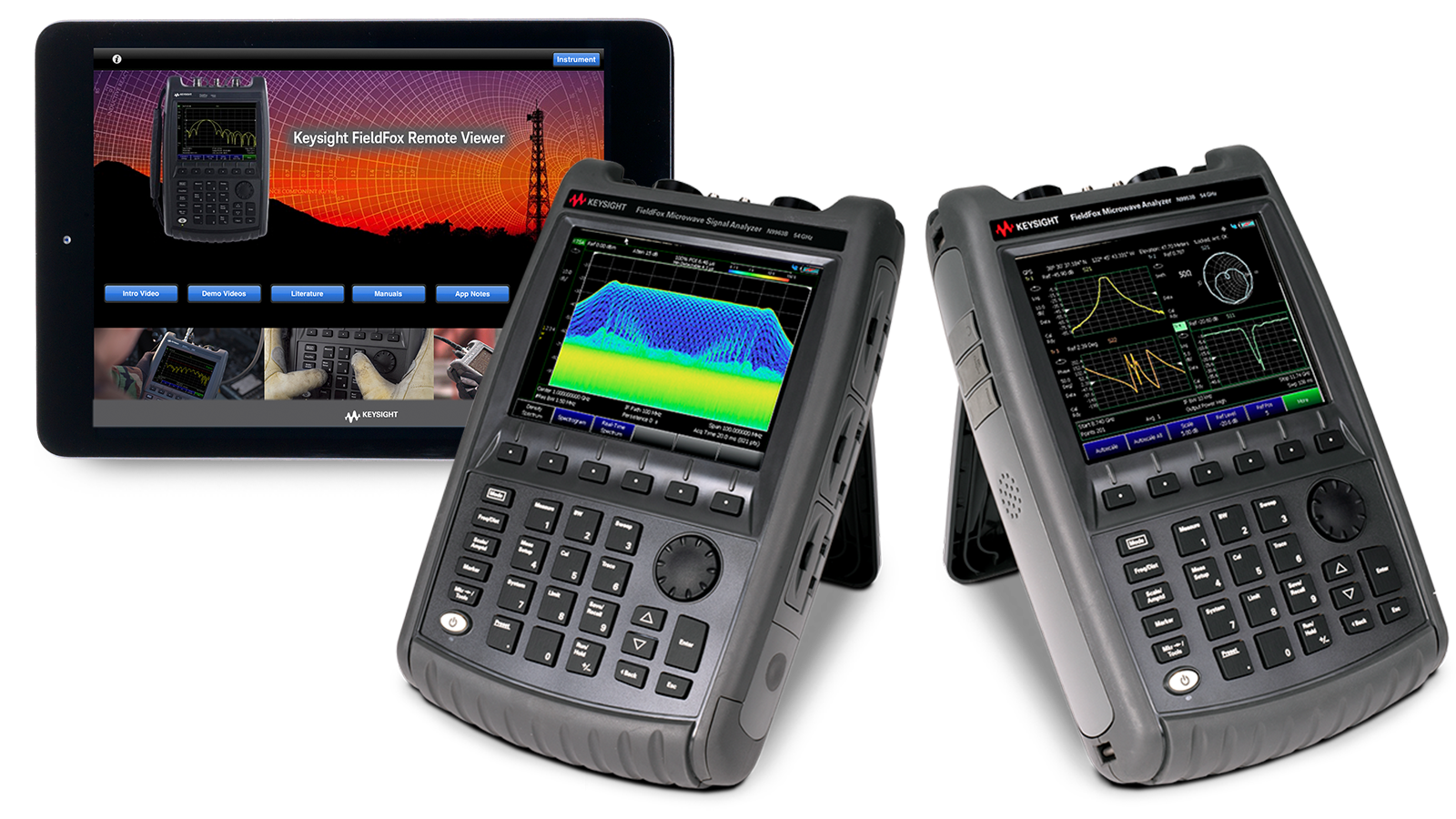
Handheld Analyzers
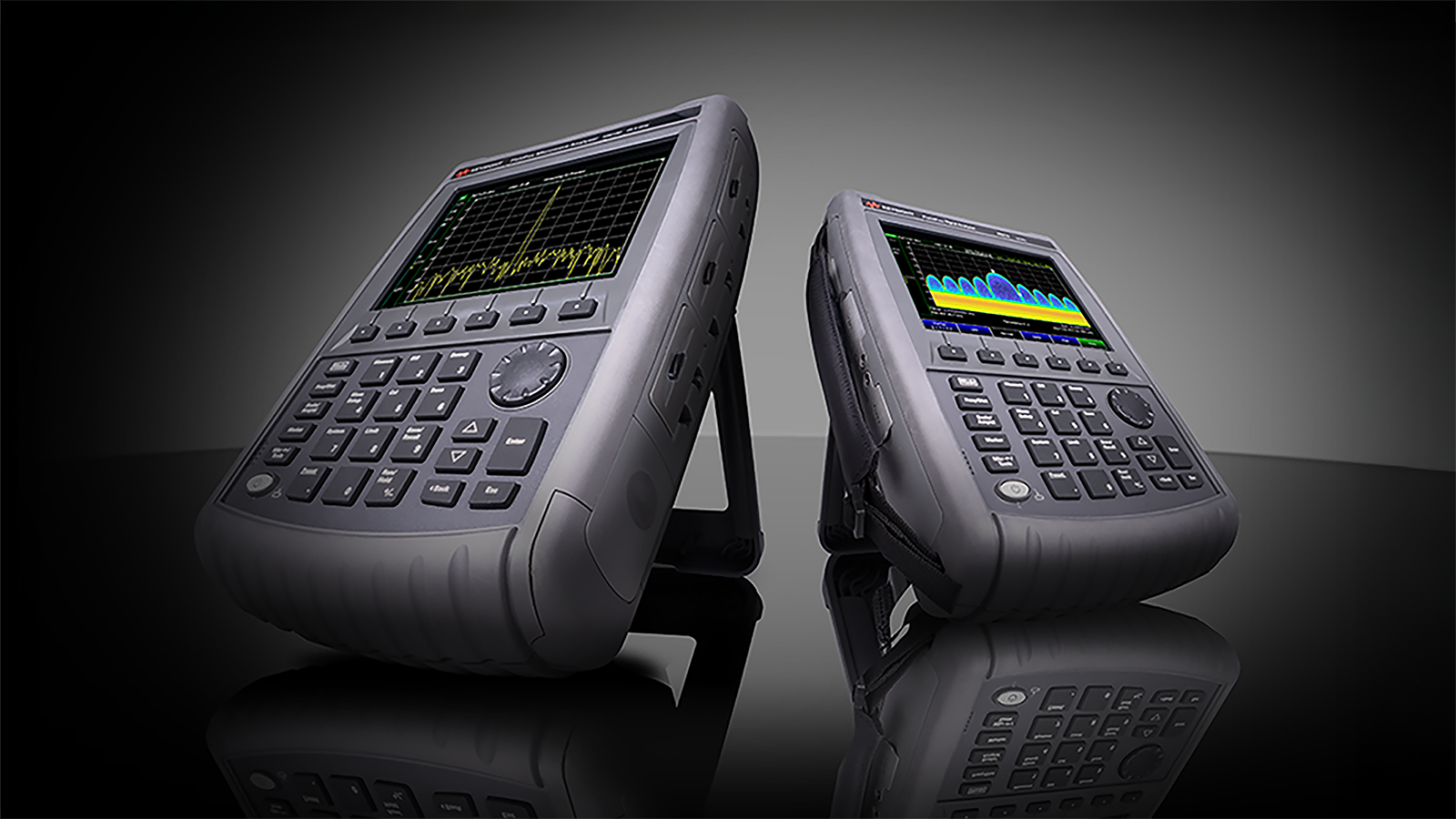
Rugged and portable for comprehensive RF field testing

-
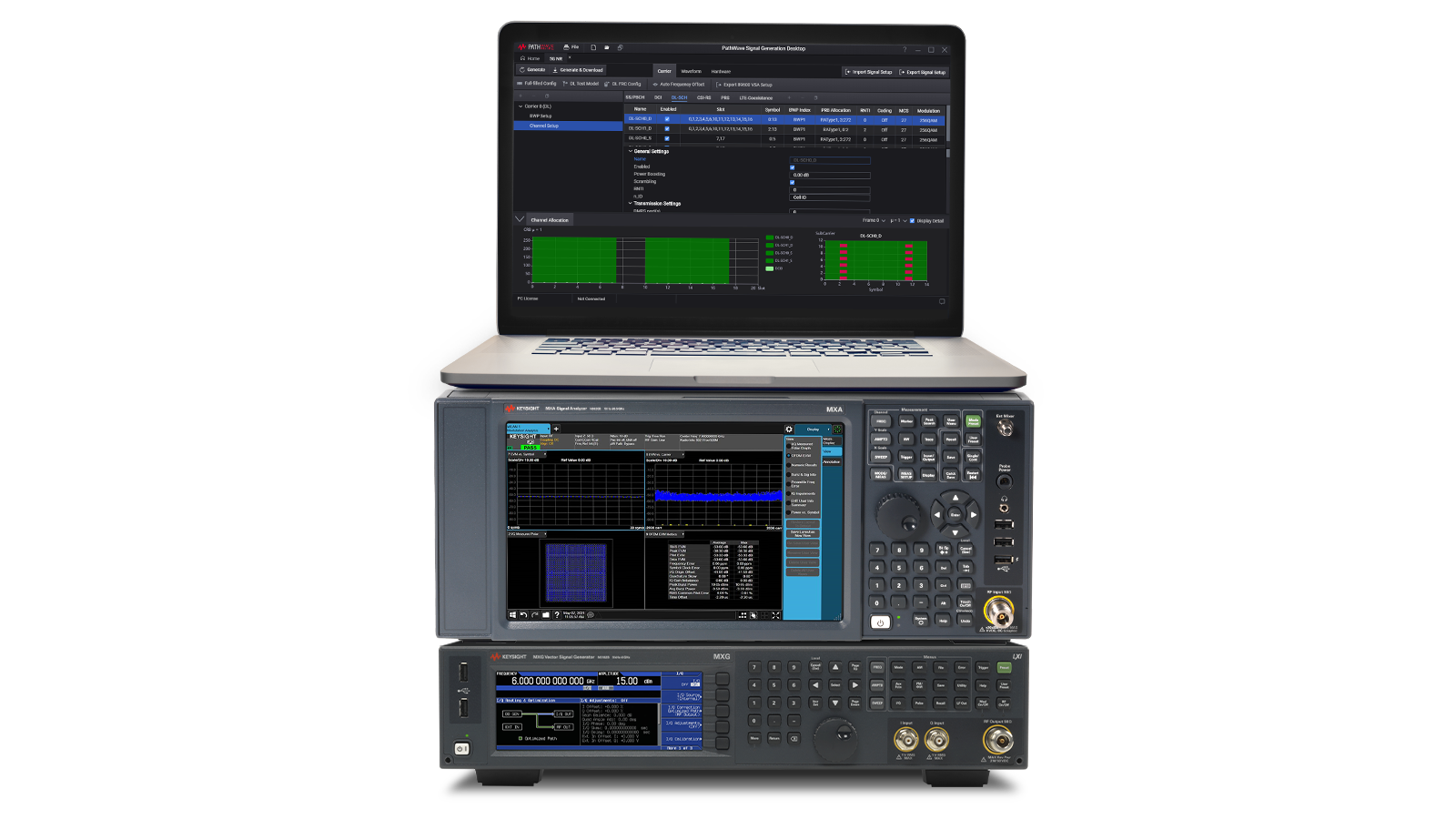
Wireless Analyzers
Modular and scalable test platform that captures and decodes

-
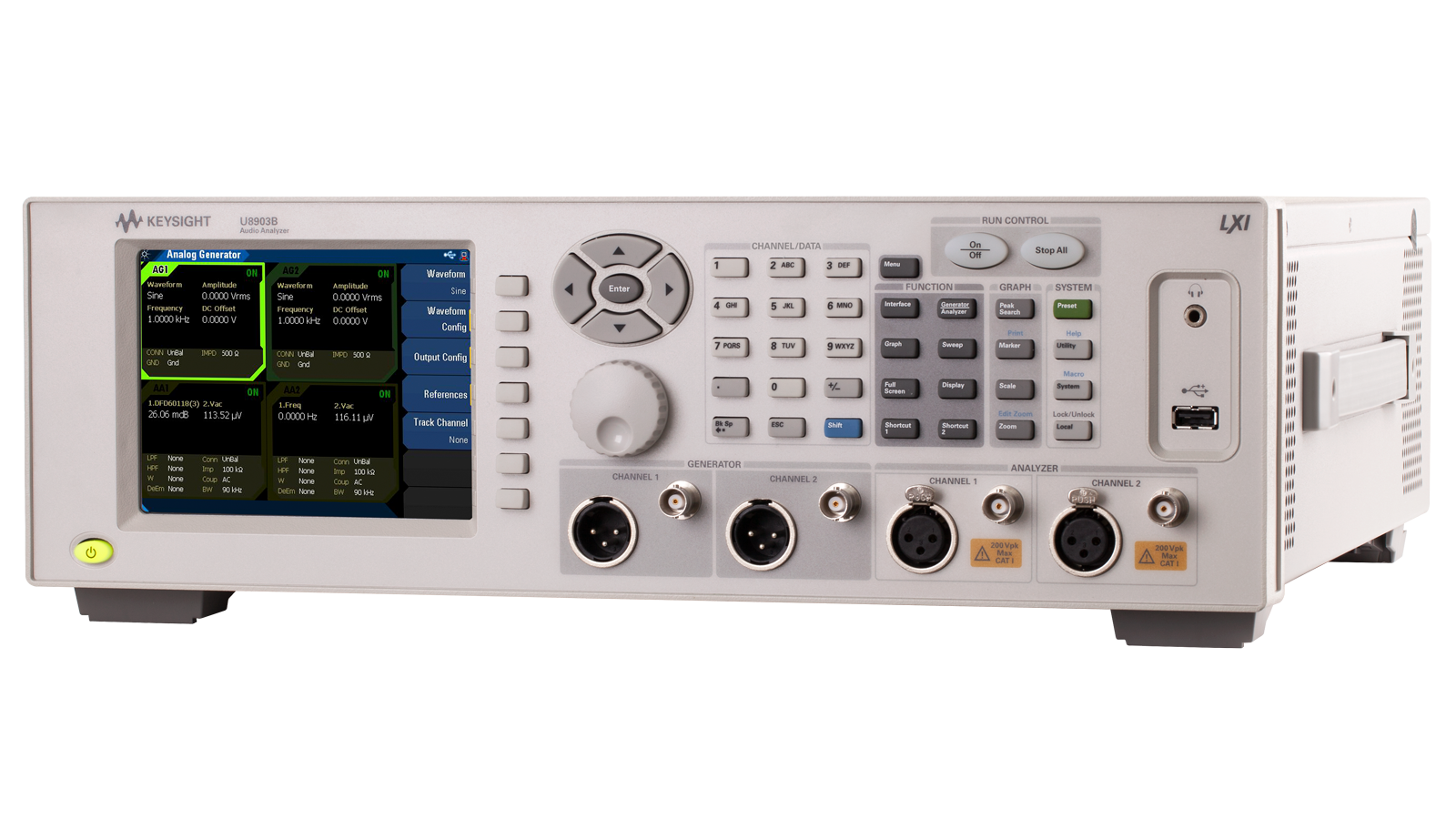
Audio Analyzers
Configurable audio test solutions for high-performance measurements
-
Modular Analyzers
Scalable, flexible, multi-channel solution that minimizes rack space


Benchtop Signal and Spectrum Analyzers
Keysight benchtop signal and spectrum analyzers enable you to troubleshoot and debug designs, perform higher-level RF analysis, and ensure compliance with nextgeneration standards like 5G New Radio (NR), Wi-Fi 6E / 7, and Narrowband IoT (NB-IoT). Select the analyzer performance you need based on maximum frequency and analysis bandwidth and phase noise. Explore our wide range of benchtop signal and spectrum analyzers from Essential to Pro performance grades to find the one that is right for your application.

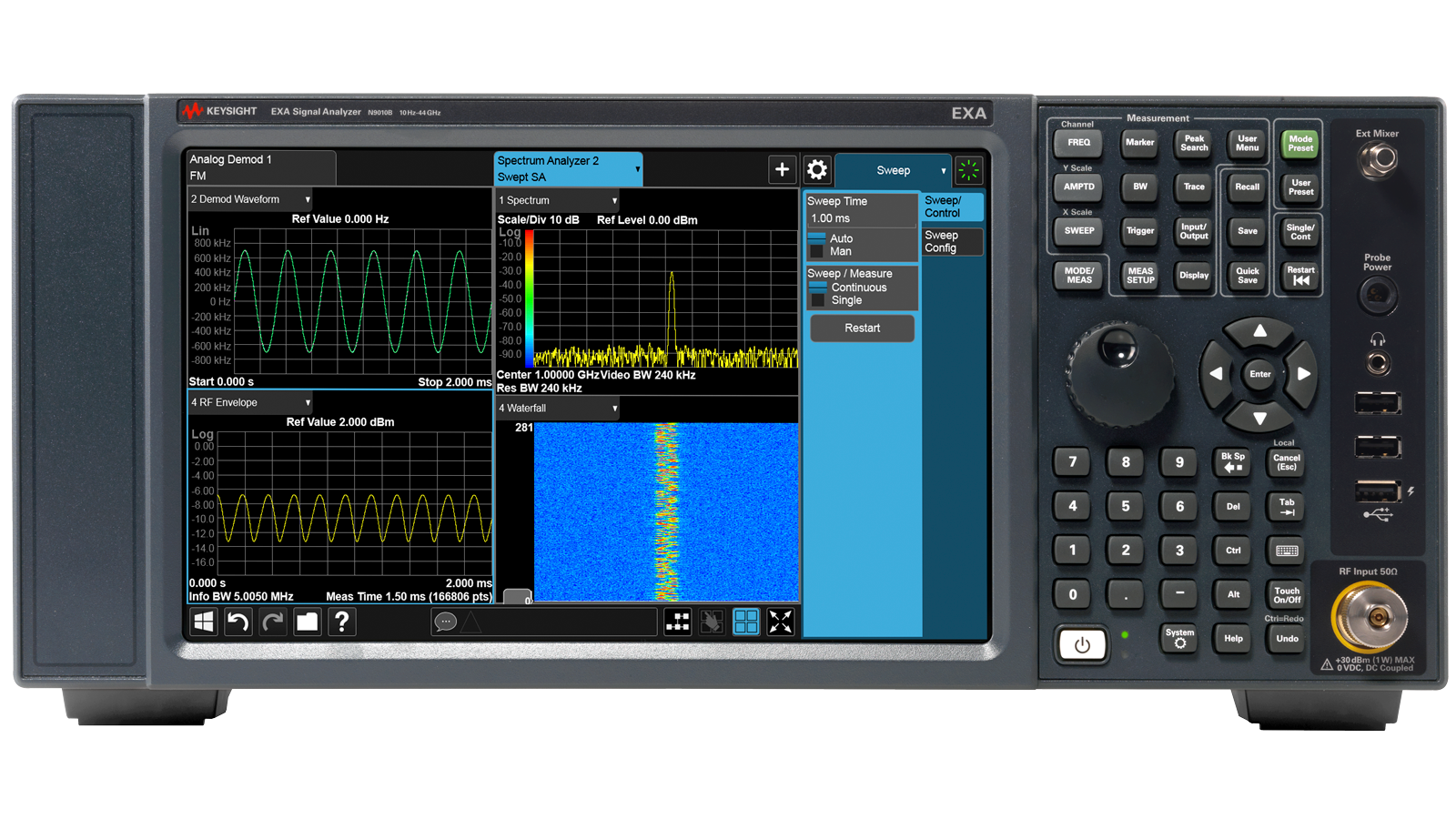
Essential

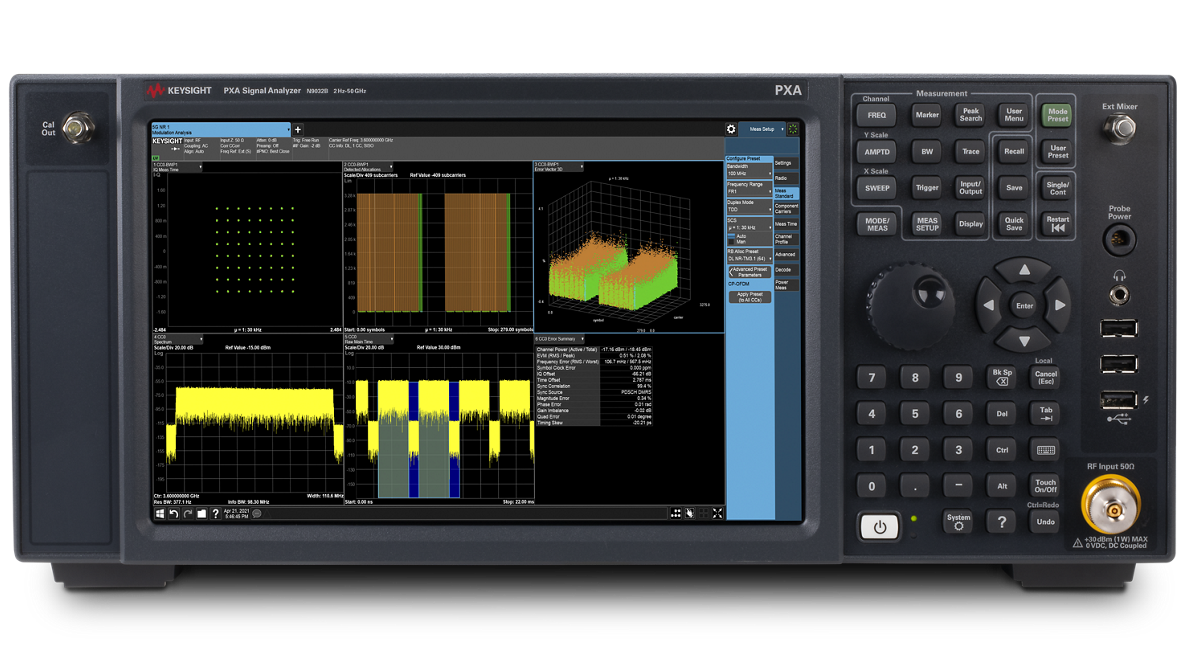
Expert


Pro
Handheld Spectrum Analyzers
Keysight FieldFox handheld spectrum analyzers include the handheld analyzers. They are a versatile tool for RF field testing, offering comprehensive capabilities in spectrum analysis, vector network analysis, power measurements, and pulse generation. With over 25 license key-activated software options, remotely upgrade your analyzer to meet your field-testing needs.

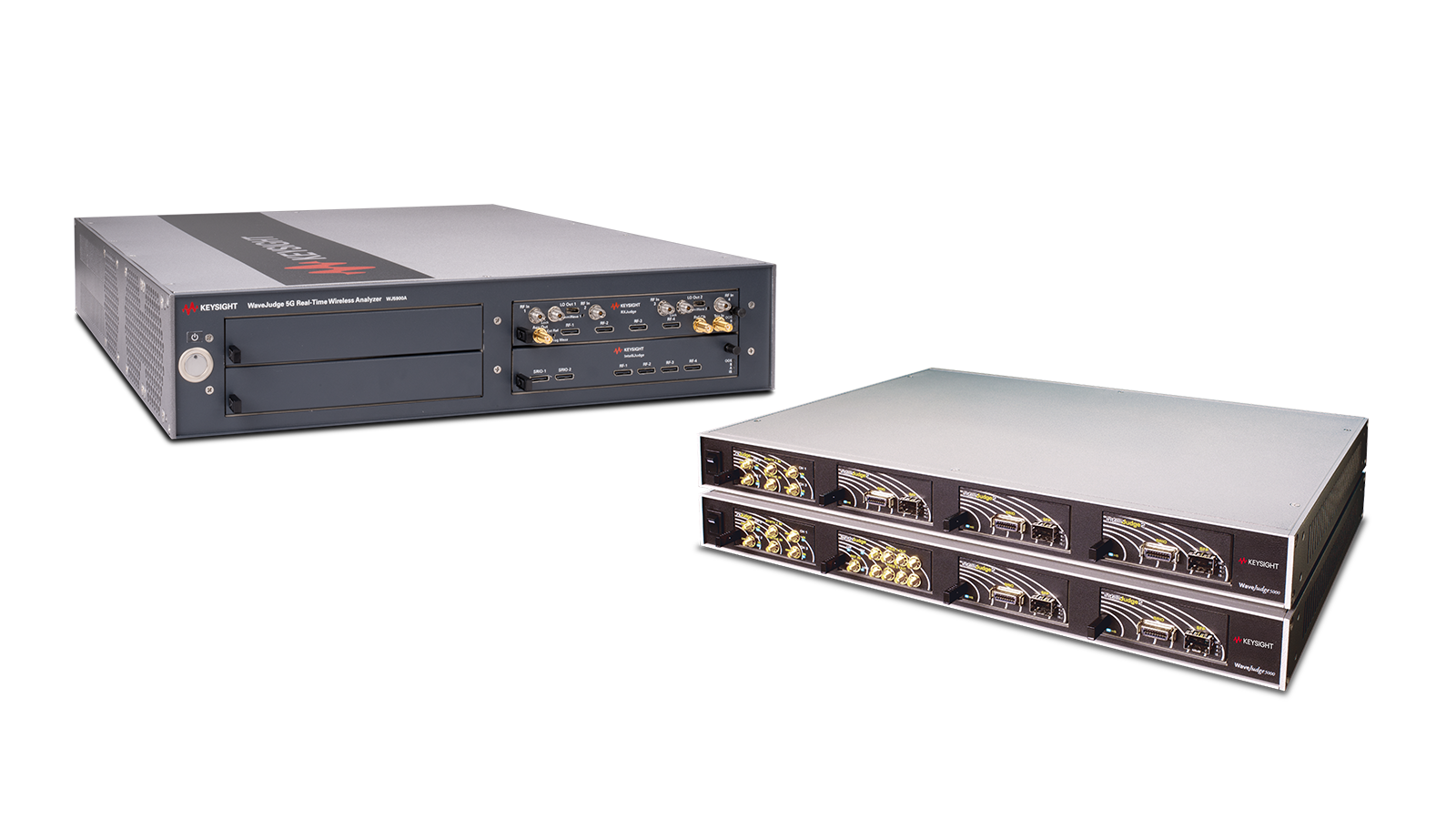
Wireless Analyzers
Keysight XA30-class wireless analyzers include WaveJudge models, offering end-to-end 5G solutions for modem, chipset, and radio access network (RAN). Provide field interoperability testing, enable fast debugging, and accelerate deployment. Our wireless analyzers provide problem-solving capabilities inside the wireless network through deep analysis tools that provide visibility into events spanning multiple layers. Locate protocol exchange errors not found in end equipment logs and understand how the PHY layer affects upper-layer performance.
Audio Analyzers
Keysight AZ2-class audio analyzers include the U8903B. Designed for multifunction and high-performance measurements, Keysight’s audio analyzer offers low residual distortion of less than -110 dB and an analysis bandwidth of 1.5 MHz. This ensures you achieve the highest resolution available for two-channel measurements. With versatile options including Bluetooth® audio measurements, digital audio, and voice quality analysis, our audio analyzer is fully configurable to meet your specific application needs. Experience precision and flexibility in audio testing.

Modular Signal, Spectrum, and Wireless Analyzers
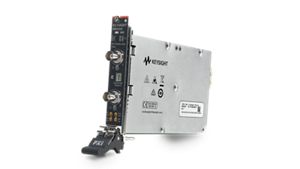
Keysight modular signal and spectrum analyzers provide you the power of a benchtop signal analyzer in a compact, flexible form factor, helping you save valuable rack space. Get the same performance as our Essential signal analyzers in a high-density PXIe® module.


Find the signal and spectrum analyzer for you in minutes
Find compatible software and accessories for your analyzer
Enhance the capabilities of your signal and spectrum analyzers with software for automated testing, complex signal analysis, and data visualization, as well as accessories such as external mixers, frequency extenders, and probes.
Explore signal and spectrum analyzer use cases
Signal and spectrum analyzers support a wide range of measurements across various industries, discover them all
Wireless communications
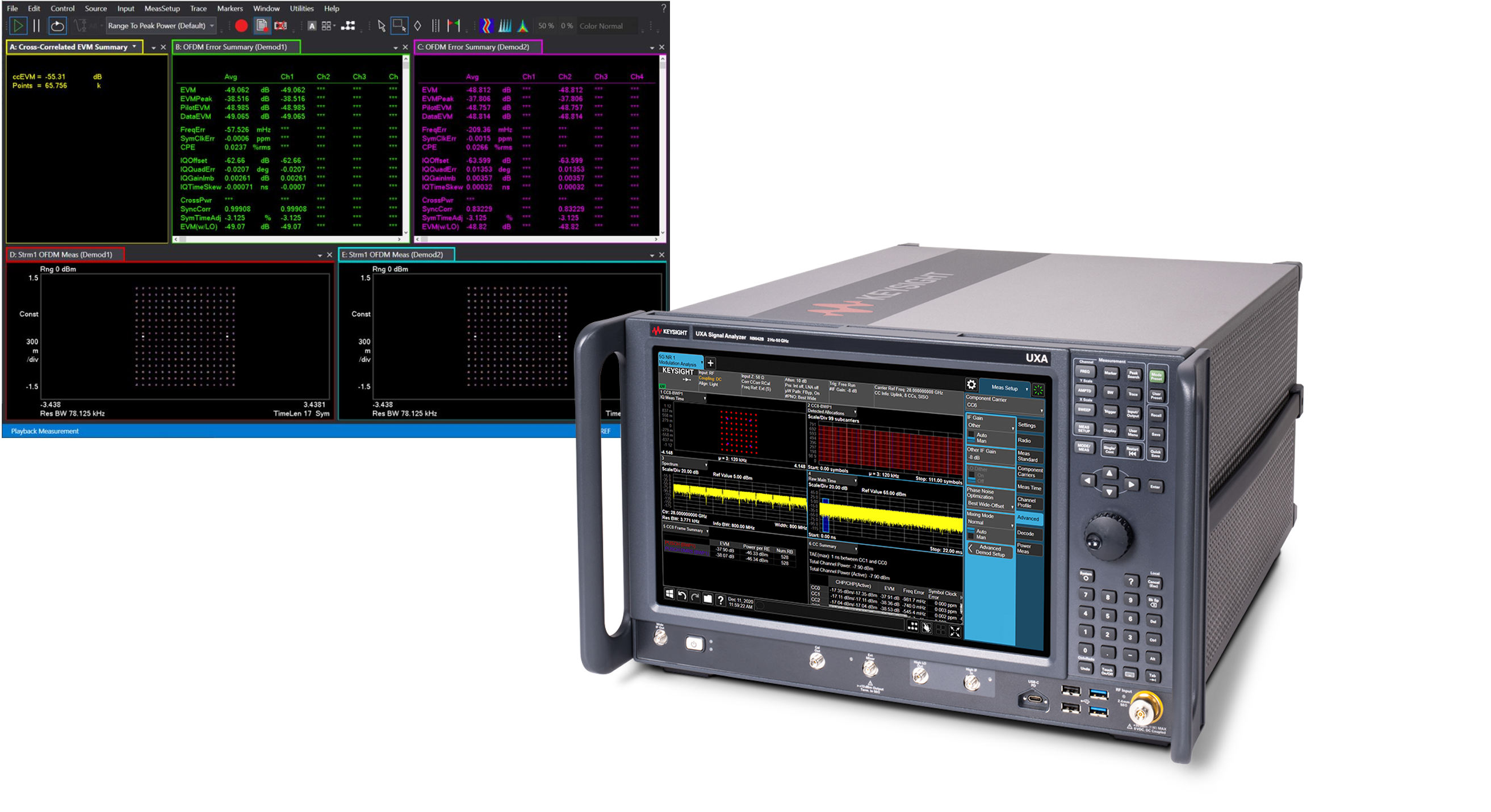
Learn how to measure accurate EVM by suppressing system noise in 5G NR receivers.
Aerospace and defense
Monitor and detect interfering signals with wideband real-time spectrum analysis.

Healthcare
Characterize the behavior of medical devices in the presence of intended and interfering radio signals.
Wireless communications
Capture elusive, intermittent signals and interference using real-time spectrum analysis.
Wireless communications
How to Make 6G D-Band Noise Figure Measurements
Explore the D-band for early 6G research prototyping and system performance validation.

Services and support
Innovate at speed with curated support plans and prioritized response and turn-around times.
Get predictable, lease-based subscriptions and full lifecycle management solutions—so you reach your business goals faster.
Experience elevated service as a KeysightCare subscriber to get committed technical response and more.
Ensure your test system performs to specification and meets local and global standards.
Make measurements quickly with in-house, instructor-led training, and eLearning.
Download Keysight software or update your software to the newest version.
Frequently asked questions
A spectrum analyzer is a tool used to visualize and analyze the spectral content of signals. It accomplishes this by measuring the magnitude of the input signal versus its frequency over the entire frequency range. Think of this as a means to see a signal's "frequency fingerprint." This fingerprint will help you determine the signal power of an instrument and how that signal makes up different frequency components.
Spectrum analyzers usually consist of a display, a sweep generator, and a filter. The display shows the strength of the signal at each frequency. You can then determine the contents of a signal and identify any problems that may be present. The sweep generator produces a signal that sweeps across the desired frequency range. The filter only allows the portion of the signal within the desired range to pass through to the display. This process works in conjunction with digital signal processing.
A signal analyzer and an oscilloscope are both essential test instruments for analyzing electrical signals, but they serve distinct purposes. A signal analyzer is primarily used for frequency analysis to analyze the characteristics of a signal, such as its amplitude, frequency, and phase. It provides a frequency-domain representation, displaying how a signal's power is distributed across different frequencies. This makes it particularly useful for tests like performing spectrum analysis, identifying interference, and analyzing RF signals, which are common in communication systems. In contrast, an oscilloscope focuses on time-domain analysis, visualizing the voltage of a signal over time. It’s ideal for examining the waveform’s shape, observing transient events, and analyzing the timing and behavior of signals, particularly in circuits or digital systems.
The key difference between the two is apparent in the way each displays and measures signals. A signal analyzer offers a frequency-domain view, where the X-axis represents frequency, and the Y-axis shows amplitude or power. Conversely, an oscilloscope provides a time-domain view, showing how a signal’s voltage changes over time. It’s more suitable for troubleshooting electronics, testing circuit components, and observing signal waveforms or timing issues.
There are different aspects you will need to consider when selecting a spectrum analyzer, from the frequency range and resolution bandwidth to the phase noise performance and input power.
Frequency Range
The frequency range is an important factor to consider because different spectrum analyzers measure different ranges of frequencies.
For example, some spectrum analyzers measure audio frequencies (20 Hz – 20 kHz), while others measure radio frequencies (10 MHz – 10 GHz). Before buying a spectrum analyzer, it is important to figure out what range of frequencies you need to measure. Once you know this, you can narrow your search to a spectrum analyzer that suits your needs.
Resolution Bandwidth
The resolution bandwidth determines the minimum width of a signal that a spectrum analyzer can resolve, typically expressed in Hertz (Hz).
A high-resolution bandwidth measurement allows for more accurate readings of narrow signals, while a low-resolution bandwidth measurement is suited for reading broad signals. When choosing a resolution bandwidth, it is vital to consider the application for which you will use the spectrum analyzer.
For example, a high-resolution bandwidth will be necessary if your goal is to measure very narrow signals, such as those generated by RF transistors. If your goal is simply to measure the overall power of a signal, then a lower resolution bandwidth will suffice.
Phase Noise Performance
When deciding on the right spectrum analyzer, you must keep the phase noise in mind. Phase noise is the measurement of how stable the signal is over time. The type of oscillator used with a spectrum analyzer will affect phase noise, since they are the primary source of instability in a signal.
Oscillators can be either crystal-based or atomic-based. Crystal-based oscillators are less expensive but also less stable, making them more likely to produce signals with phase noise. On the other hand, atomic-based oscillators are much more stable and produce signals with minimal phase noise.
A low phase noise means the signal is more stable and less likely to have measurement errors. A stable signal is vital for applications like:
- capturing a clear and accurate picture in medical imaging
- maintaining a strong connection for telecommunications
- tracking moving targets using radar systems
Input Power
The input power is the amount of power a spectrum analyzer can accept without damaging the internal components. However, if the input power is too low, the signal will be too weak to produce accurate results. Conversely, if the input power is too high, it will damage the device. To prevent this, most spectrum analyzers have an input power protection feature that limits the amount of power that can enter the device.
It is important to note that a spectrum analyzer's input power specifications differ from the output power specifications. The output power is the amount of power the device can generate. When choosing a spectrum analyzer, you want to select one with an appropriate input and output power for the signals you will be measuring.