How to Test USB Type-C Power Delivery
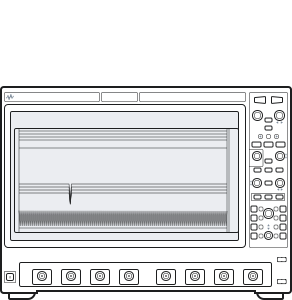
Characterize and debug USB power delivery
Testing the higher, dynamically variable power provided by the USB Type-C power delivery (PD) system requires extensive verification and testing to achieve compliance with USB Type-C standards. End-to-end USB Type-C connections between devices are made through configuration channel (CC) lines. Cable orientation — a critical factor for Type-C connectors — is also determined through the CC line. During compliance testing, important design parameters for PD that must be measured include: voltage level, device charging, cable functionality, and determination of provider versus consumer device status.
When a Type-C consumer device requests a specific power profile, verification that the connected provider sourced the right voltage, current, or wattage profile is needed. The CC lines CC1 / CC2 are monitored with a 300 kHz signal and measured for proper protocol, generated voltage, and current. The resulting eye diagram is analyzed with an oscilloscope. Verifying the PD circuit layout requires performing power integrity measurements of key parameters like supply drift, periodic and random disturbances (PARD), programmable power rail response, and high-frequency transient and noise.
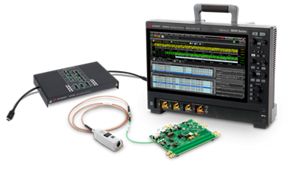

USB Type-C power delivery test solution
Explore products in our USB Type-C power delivery test solution
-

![]()
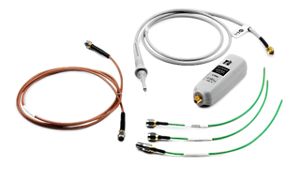
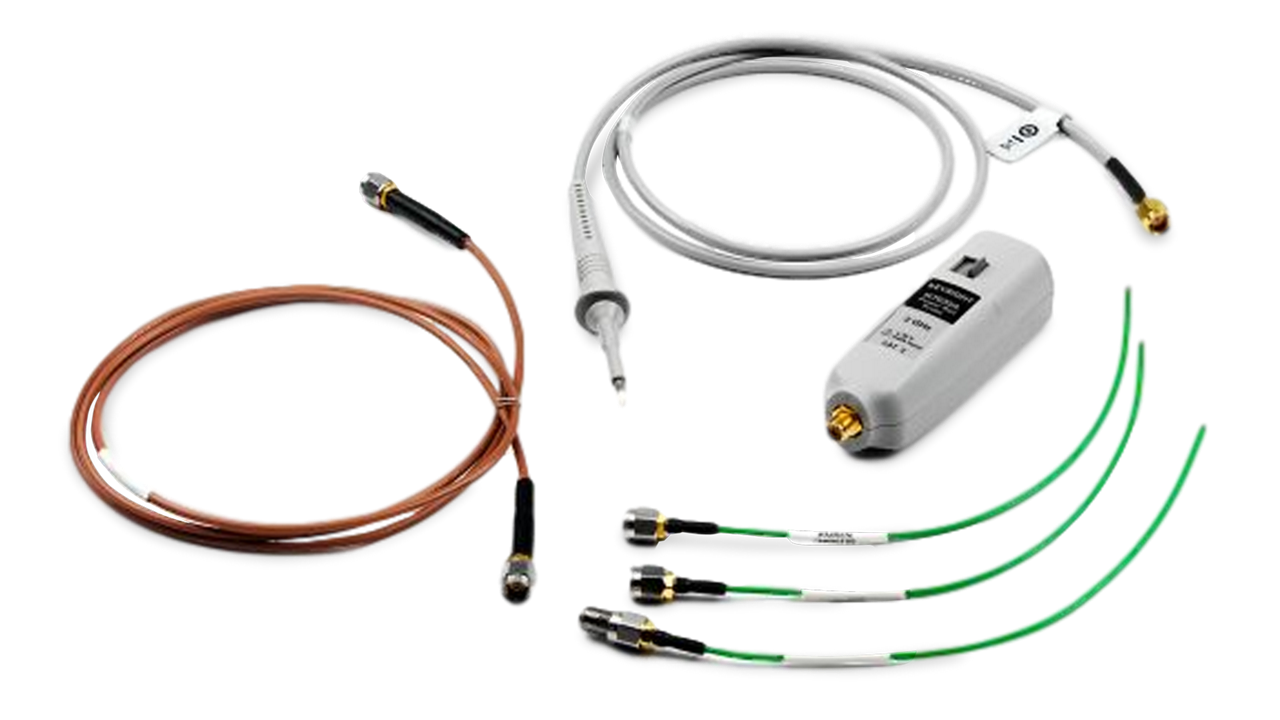
N7020A Power Rail Probe, 2 GHz
-

![]()
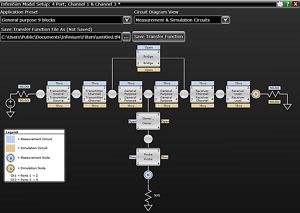
D9010ASIA Advanced Signal Integrity Software (EQ, InfiniiSimAdv, Crosstalk) for Infiniium 9000, S, EXR, MXR-Series Oscilloscopes
-
![]()
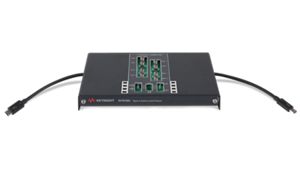
N7019A USB Type-C® Active Link Fixture
-
![]()
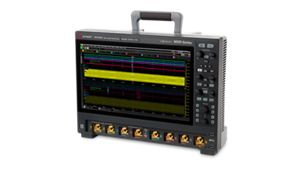
MXR058B Infiniium MXR B-Series Oscilloscope: 500 MHz, 8 Channels
-
![]()
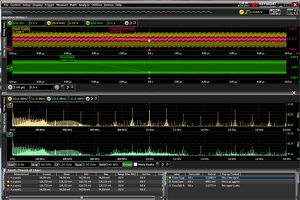
D9010POWA Power Integrity Analysis Software
-
![]()
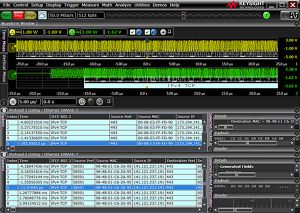
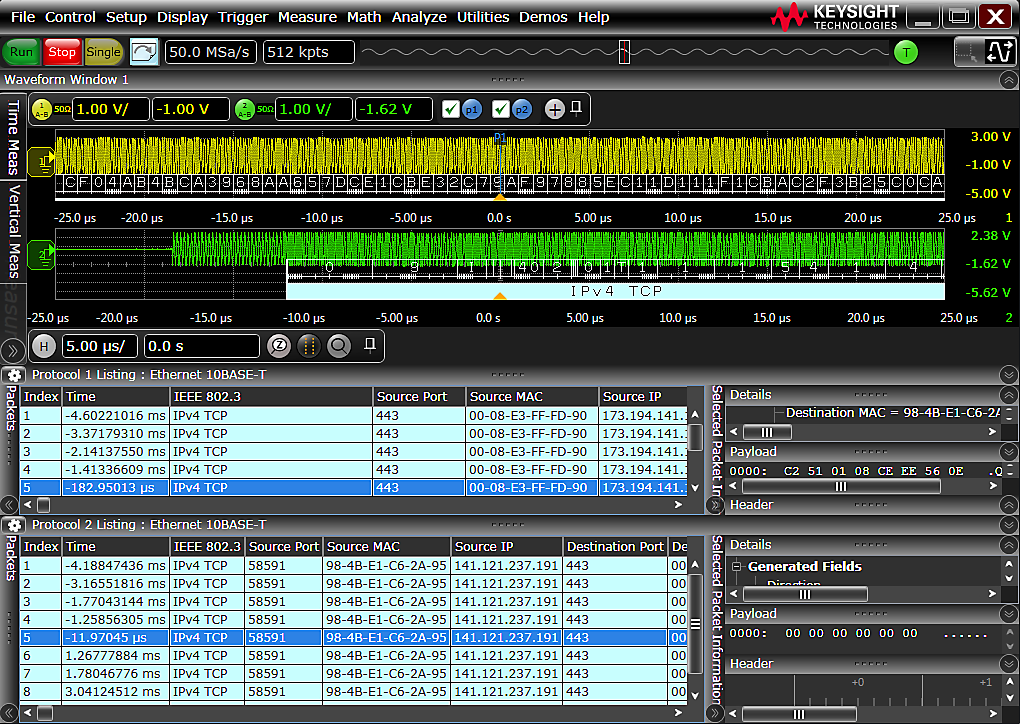
D9010EMBP Embedded Protocol Decode/Trigger Software for USB 2.0, 10/100 ETH, PCIe 2/1 for Infiniium Oscilloscopes



Discover resources and insights
Additional resources for USB Type-C power delivery testing
Related use cases
-
![]()
Learn More
How to Evaluate FEC Performance for High-Speed Ethernet Links
Characterizing the forward error correction (FEC) performance of hyperscale data centers requires visibility into all Ethernet lanes to detect and correlate meaningful errors. Learn how to set up an FEC test to quantify the bit error rate and FEC performance of devices in bursty Ethernet traffic.
Learn more

-
![]()
Learn More
How to Measure Frequency Response (Bode Plot)
Frequency response analysis requires a dedicated network analyzer or an oscilloscope with frequency analysis response software. Learn how to perform a frequency response (Bode plot) analysis using automation software and a benchtop oscilloscope.
Learn more
-
![]()
Learn More
How to Analyze PCB Signal Integrity
Analyzing signal integrity in printed circuit board design requires addressing the problem of detection and diagnosis of cross talk, jitter, vertical noise, and phase noise. Learn how to analyze real-time eye diagrams with an oscilloscope and simulation software.
Learn more

Get in touch with one of our experts
Need help finding the right solution for you?