Official Used
Equipment Store
Get an Extra 5% Off When Buying Online With Credit Card
ID: U01-2540380

Keysight N6841A

RF Sensor

ID: U01-2540380
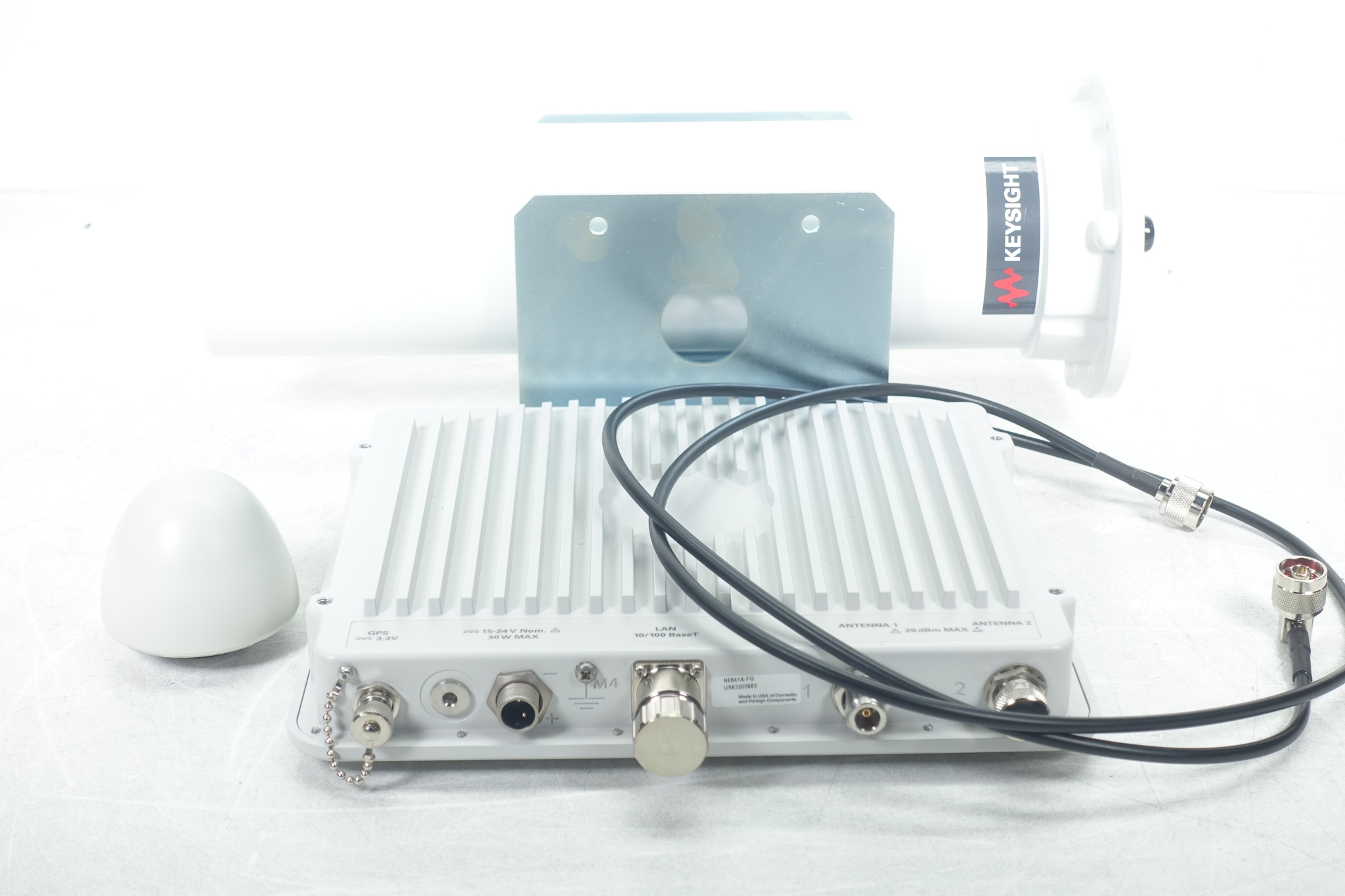
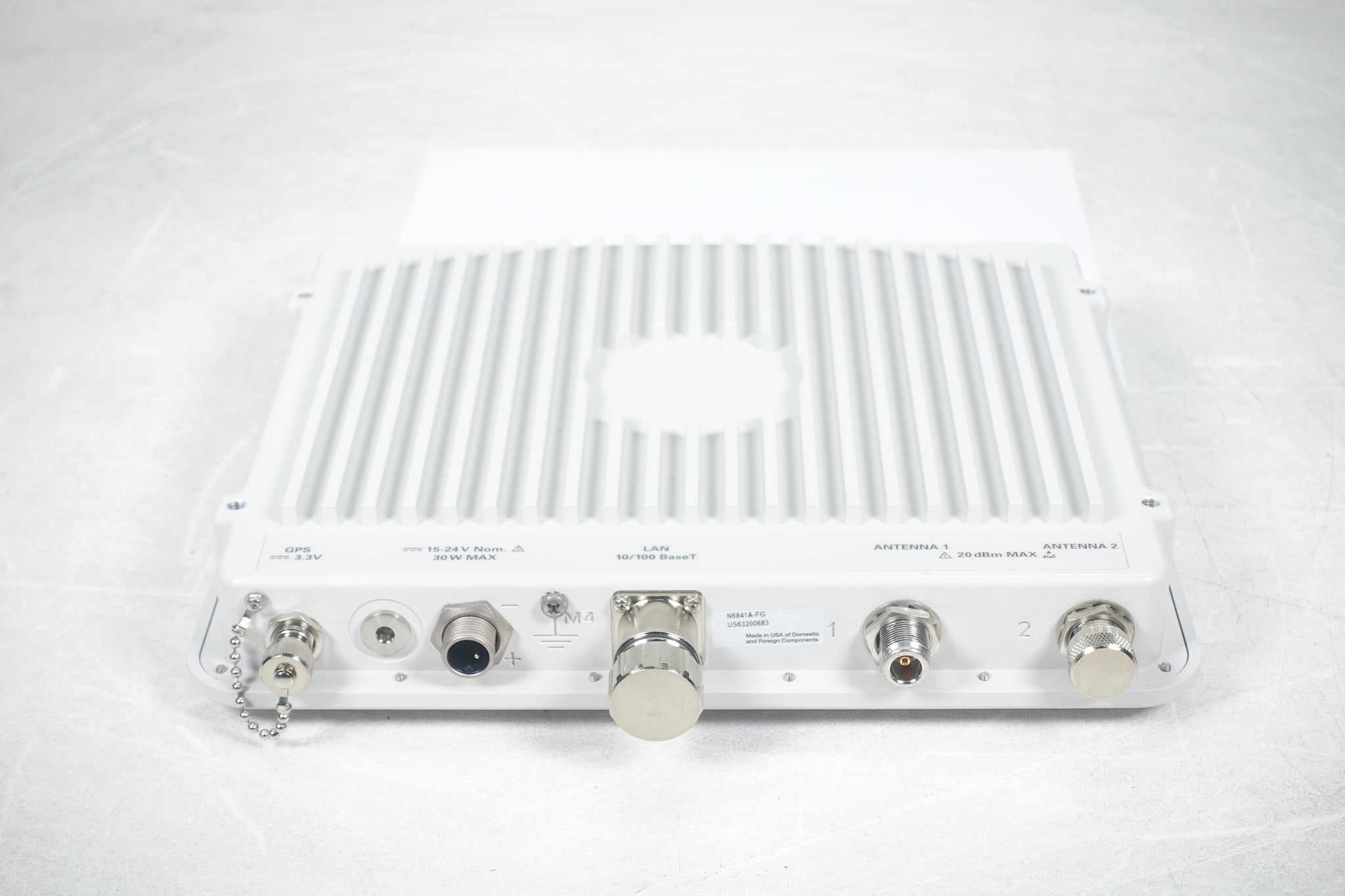
Keysight Used N6841A - Actual Instrument - Image 1
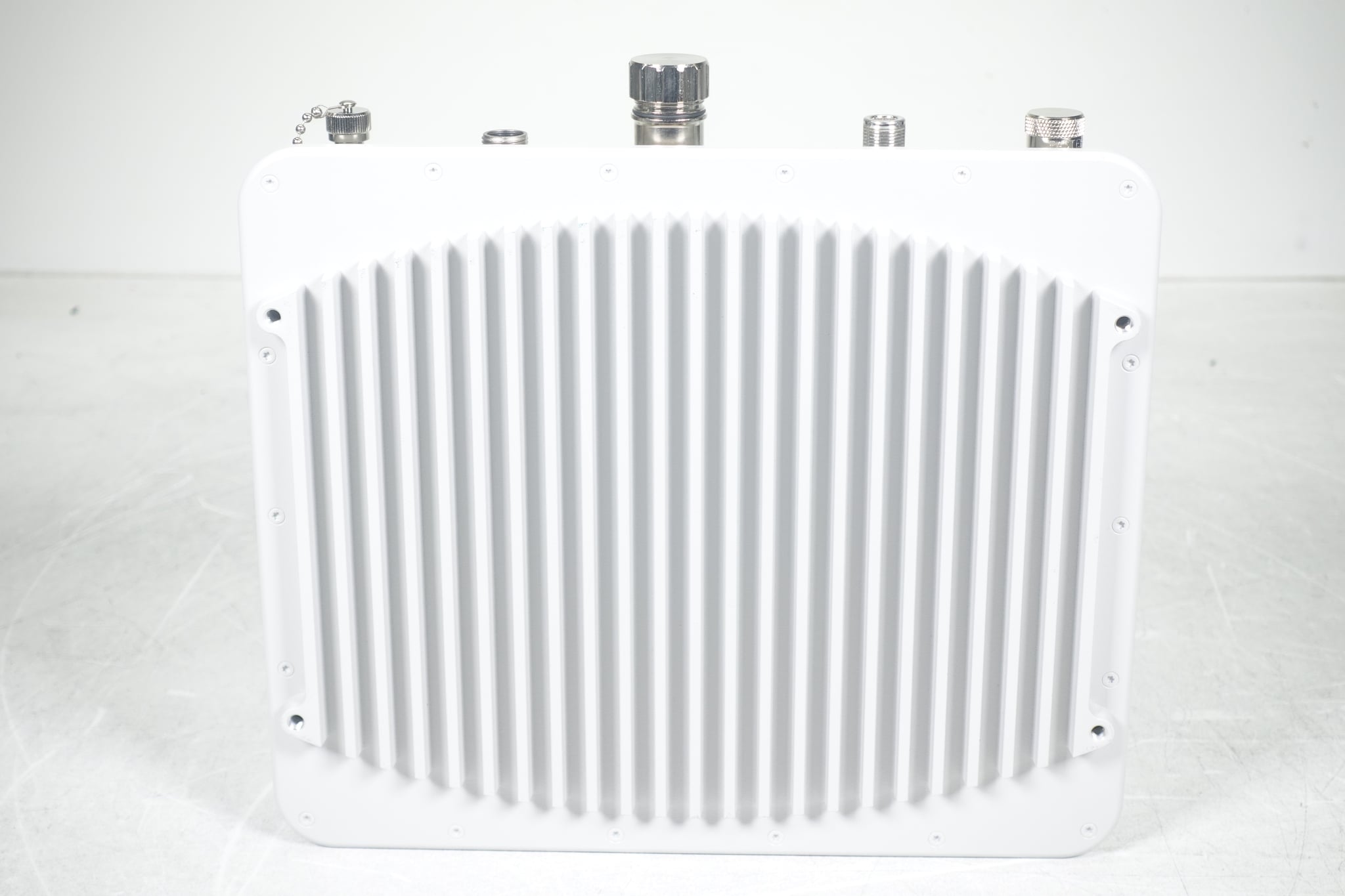
Keysight Used N6841A - Actual Instrument - Image 2
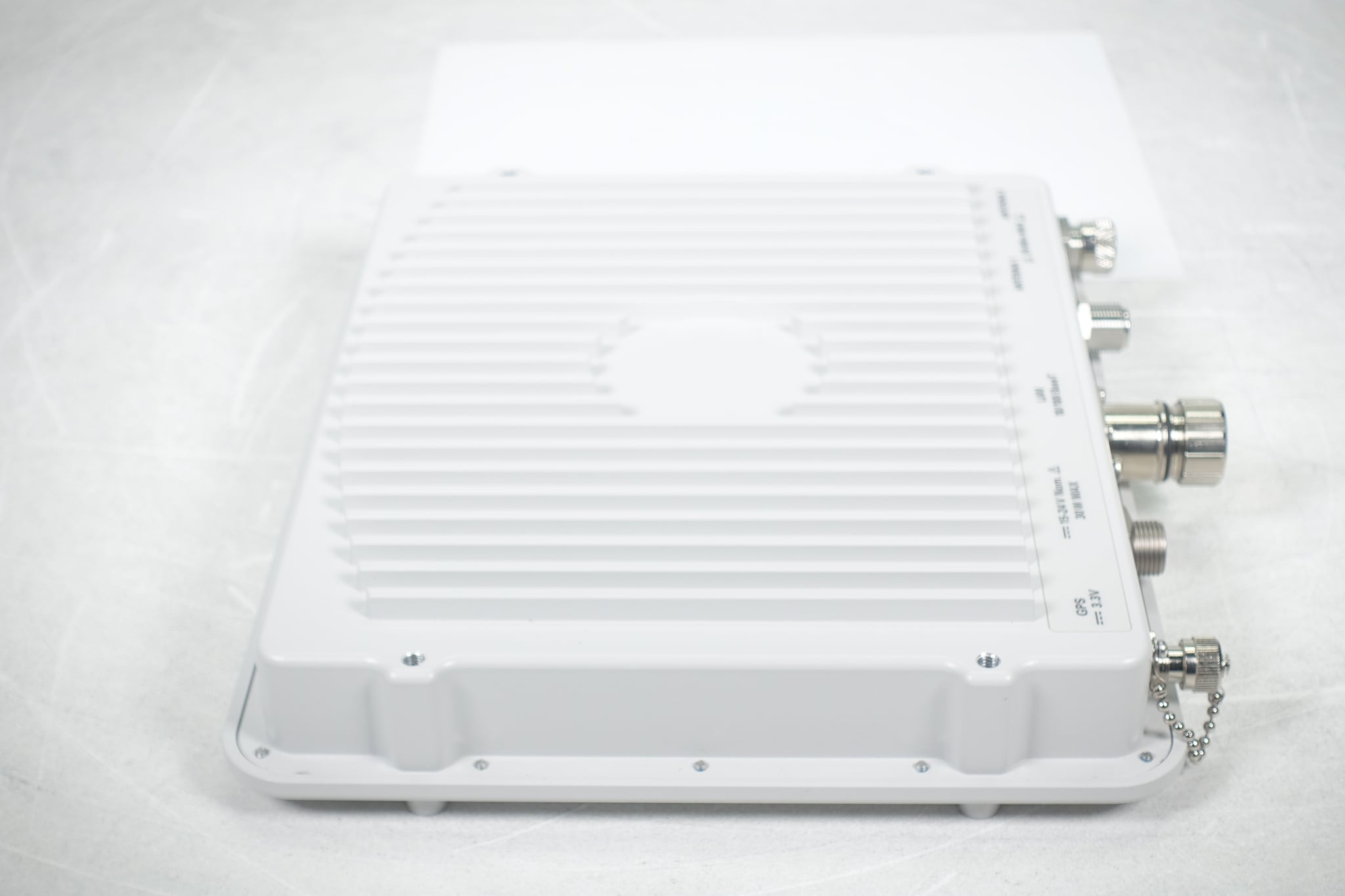
Keysight Used N6841A - Actual Instrument - Image 3
Keysight Used N6841A - Actual Instrument - Image 4
Actual instrument
Keysight Used N6841A - Actual Instrument - Image 1
Keysight Used N6841A - Actual Instrument - Image 2
Keysight Used N6841A - Actual Instrument - Image 3
Keysight Used N6841A - Actual Instrument - Image 4

Keysight N6841A

RF Sensor

Used & Tested
90 days warranty
Please ask for KeysightCare.
Accessories included if shown in the pictures. No power cord included.
Additional software options may be available on request

Lowest Price Ever
Save 75%

CAD 8,734.61

List Price CAD 34,938.44

Excl. taxes.
Set Price Alert
Save
For professional and industrial use only.
Free shipping included. Ships from USA. Ships to Canada within 1 week.
Save5%
Buy Now6,285.25
Request Quote

Keysight Used

Keysight  N6841A CAD 8,734.61

From

CAD 8,734.61 Save 75%

Save5%
Buy Now6,285.25
Request Quote


GPSADDS GPS CAPABILITY, INCLUDES CABLE AND ACTIVE ANTENNAInstalled
SP1POWER SUPPLY FOR INDOOR USEInstalled

Request a customized version of this model by requesting a Custom Quote

Get peace of mind only Keysight can offer. With KeysightCare Assured and manufacturer calibration.

Please contact us for available service options.


Communication signals continue to evolve as new and emerging wireless standards are defined and deployed. Next generation standards have wider bandwidth and added complexity. They are also time variant and low power. Traditional methods of monitoring communication signals from outside the city limits, within a crowded vehicle, or walking with a handheld analyzer will not support these new standards.

The Keysight N6841A RF Sensor enables you to place an RF spectrum monitoring station wherever and whenever you need it, and for as long as you need it, without location constraints or physical infrastructure.

  • Automate wide area, close-proximity signal monitoring, interference detection, identification, location, and reporting
  • Increase flexibility — set up rugged, portable RF sensors in fixed, temporary, or mobile platforms in any environment for extended time
  • Remotely deploy a single sensor or a network of sensors synchronously, country- or city-wide
  • Customize for your application with software for spectrum monitoring, emitter location, signal intercept, and capture/analysis
  • Achieve high reliability in indoor and outdoor environments
  • Increase preselection filtering over traditional spectrum analyzers
  • Continuously monitor the spectrum, in real time, 24/7
  • Record I/Q with analog and digital signal analysis for signal classification, demodulation, and decoding


Accessories only included if shown in the pictures. No power cord included.

Other accessories that are not listed and included in the offer can be purchased separately at an extra cost with your purchase of a Keysight Used or Keysight Premium Used unit. Please specify in the comment field which additional accessories or support you are interested in.

For separate or post-purchase ordering, please contact your local Keysight office or Keysight Partner here. Or check our online store if available for your region here.

Ready To Get Started?

What You Get

  • Keysight N6841A Spectrum Analyzers
  • Accessories only included if shown in the pictures
  • Calibration certificate only included if shown in the pictures

What You Can Add

  • KeysightCare Assured
  • Fresh Calibration
  • Calibration Plan

Still not sure about your purchase?

Feel free to ask any additional questions you may have. We're here to help!

Contact Us

FAQs

What are the main differences between Keysight New, Keysight Premium Used & Keysight Used equipment?

  Keysight New Keysight Premium Used Keysight Used
Savings None Up to 70% Up to 90%
Condition New Like New Working Condition ¹
Firmware Latest Updated As is
Calibration Full Full As listed
Accessories New New As listed
Warranty 1 to 5 Years ² Like New 90 Days Warranty
Customization Possible Possible Limited

Learn more about Keysight Premium Used Here

Can I configure a unit to meet my personal needs?

Customization is generally possible with our Keysight Premium Used equipment. The majority of our Keysight Premium Used equipment can be configured just the way you need it. Options can be added at additional cost.

Customizing Keysight Premium Used equipment might change the delivery and lead time of the item.

Some Keysight Used products cannot be customized. Use the contact option on the product page to check with the our eStore team.

What accessories are included?

Keysight Premium Used equipment typically comes with the same accessories and warranty as new products.

Can you include other accessories?

We currently only offer those accessories which are part of the listing. Other accessories can be purchased separately at extra cost with your purchase of a Keysight Used or Keysight Premium Used unit.

Please mention in the comment field which additional accessories or support you are interested in.

For seperate or post-purchase ordering, please contact your local Keysight office or Keysight Partner here. Or check our online store if available for your region here.

Make the Most of Your Equipment

See all Make the Most of Your Equipment

Why Buy Used Directly
From Keysight

Second-Hand. First-Class.

Risk free

Up to 5 Years Like-New Warranty
  • Global Coverage
  • Predictable Expenses
Learn more about Up to 5 Years Like-New Warranty

Leader in T&M

Pioneering Quality

for 80+ Years
  • Chosen by Industry Leaders
  • Over 30,000 Customers
Learn more about Pioneering Quality

for 80+ Years

Certified Like-New

Premium Refurbished Instruments
  • 101-Point-Checklist
  • Latest Firmware/Software
Learn more about Premium Refurbished Instruments

First-Class

Full-Service with KeysightCare
  • Priority Response
  • Optional Calibration Plan
Learn more about Full-Service with KeysightCare

Customization

Add Hardware.

Enhance Software.
  • Meet your testing needs
  • Addable HW/SW options
Learn more about Add Hardware.

Enhance Software.

Personal Support

Personalized Service, Local Team
  • Over 100 countries
  • Live agents in your language
Learn more about Personalized Service, Local Team

Extra Savings

Save up to 90 % and more on OEM Quality
  • +5% when buying online
  • +15 % education discount
  • Regular promotions

Immediate Availability

Wide Range of Equipment In Stock
  • Request higher quantities
  • Quick responses worldwide
Learn more about Wide Range of Equipment In Stock

Spectrum + Signal Analyzers Quick-Facts

What is a signal analyzer?

A signal analyzer is a device used to test and measure electronic signals. Types of signals can vary, including voltage, current, and radiofrequency. Signal analyzers vary in their capabilities and features, depending on the application. There are many types of signal analyzers, but the most common type is an oscilloscope. Other types include spectrum analyzers, network analyzers, and signal generators.

An oscilloscope is a device used when designing electronic systems that allows a signal to be viewed as a waveform. A spectrum analyzer measures the amplitude and frequency of signals over a specific period of time. A network analyzer analyzes circuits without having access to their design details; this can be helpful when there is a delay between creating a circuit and testing it. A signal generator generates signals which are then used by other devices.

  • There are many uses for a signal analyzer, depending on the type of device and features available. Some standard capabilities include:

  • Generating and analyzing signals

  • Magnifying and analyzing large signals

  • Displaying waveforms of varying types

  • Displaying the full frequency range of a signal, including visual representations of different frequencies and noise levels

Vector Signal Analyzer vs Spectrum Analyzer – What's the difference?

A signal analyzer analyzes signals that have already been generated, whereas a spectrum analyzer is used to discover frequencies or actually generate frequencies itself.

A spectrum analyzer performs real-time spectrum analysis and measures instantaneous power or peak power, voltage, or current, depending on the type of signal being analyzed. It is also often used to monitor electromagnetic interference in circuits and devices.

On the other hand, a signal analyzer can only measure signals that are already present; it cannot be used to discover or analyze frequencies. Its purpose is to help the user identify electronic circuit problems and understand how the circuit is performing.

Signal Analyzer vs Oscilloscope – What's the difference?

The main difference between a signal analyzer and an oscilloscope is that a signal analyzer analyzes the voltage of a signal over a specific period of time. In contrast, an oscilloscope extracts the timing information of a signal.

An oscilloscope is a type of signal analyzer used to measure voltage signals over time. It has various features, including analog and digital functions, advanced triggering capabilities, and connectivity options. It is used to analyze signals from many different sources, such as time-domain signals, frequencies from radiofrequencies, or extremely low-frequency sources.

A signal analyzer is used to analyze signals that have already been generated. A signal analyzer is often used to monitor electromagnetic interference in circuits and devices, whereas an oscilloscope can only measure signals that are already present.

Figure. 2 Oscilloscope vs. Signal Analyzer

Read our oscilloscope basics guide to learn more about oscilloscopes and their uses. To see our full range of new and used oscilloscopes, visit our product listing page.

Signal Analyzer vs. Vector Network Analyzer – What's the difference?

A network analyzer is used to test the performance of wired or wireless networks by examining both transmitted and received signals. Unlike a signal analyzer, it performs advanced analysis of both transmitted and received signals. It is different from a signal analyzer because it performs a live, real-time, analysis of signals on the device under test. In contrast, a signal analyzer only analyzes data after the signal has been created.

A network analyzer can also perform analysis and detect problems that prevent a signal from reaching its destination. For example, it can detect issues with cabling, connectors, or faulty equipment. It can also help resolve RF spectrum and Wi-Fi issues, such as interference and signal loss.

A signal analyzer is used by engineers to identify problems in electronic circuits and to understand how a circuit is behaving; for example, monitoring electromagnetic interference between multiple signals or devices. This makes it useful for testing and debugging circuits that use radio signals or other powerful sources of potential interference.

How to measure antenna impedance with a signal analyzer?

An antenna's impedance refers to the way it responds to signals from specific frequencies. If you want to know what sort of wireless signal a device is sending, you should evaluate the antenna's impedance with a spectrum analyzer. The device would help you determine whether or not your antenna is being affected by noise, which can negatively impact performance.

To measure your antenna's impedance, you can attach a spectrum analyzer to the end of the coaxial cable connected to the back of your antenna. The device will then calculate the impedance being transmitted once it goes through your coaxial cable.

How to measure phase noise with a signal analyzer?

Phase noise is a type of signal that often disrupts or interferes with wireless communication. It is a problem for devices that operate in the wireless frequency spectrum. If phase noise is common across specific frequencies, it can drown out other signals.

There are many different types of phase noise, and each one can affect your wireless technology differently. A signal analyzer measures the phase noise across different frequencies. The device will help you to determine whether your intended wireless communication needs some sort of interference protection.

To measure your device's phase noise with a signal analyzer, you can attach the device to the input of your receiver. This will allow the signal analyzer to calculate how much phase noise is being sent through your wireless communication devices.

How to measure return loss with a signal analyzer?

The return loss is the measurement of how much signal is reflected or wasted at a particular point. It is a measurement of how much energy is being lost in transmission. You can measure return loss with a spectrum analyzer which may enable you to improve the power and efficiency of your wireless connection.

If the return loss is too high, it could indicate power-management issues within your system. A signal analyzer can help you determine whether the return loss is too high, and help you find any hardware issues needing to be resolved. The device can notify you when your power-management settings fall below requirements for successful wireless communication.

To test a device’s return loss with a signal analyzer, plug the spectrum analyzer into the end of a coaxial cable connected to your intended transmitter. The device will determine how much signal is lost after it goes through the cable and exits to reach its intended recipient.

For additional information about how to use your spectrum analyzer to measure return loss, view “Features Resources” for a technical overview of a basic spectrum analyzer as well as an example of how to measure the return loss of an antenna.