
Bridging the Gap: Converting Requirements to Test Assets with Keysight Generator
Turning requirements into test cases should be simple. But in reality, it’s one of the messiest parts of software delivery.
You start with a mix of documents like, spreadsheets, PDFs, Word files, maybe even a few screenshots or Slack messages. Some requirements are crystal clear. Others feel like riddles wrapped in acronyms. By the time you’ve written your test scripts, the original requirements have already changed… again.
That’s exactly why we’re building Keysight Generator, to help teams go from business intent to working test assets with speed, accuracy, and a lot less manual effort.
The Pain We All Know Too Well
Requirements come in every format imaginable, such user stories with acceptance criteria or SRS (software requirements specifications). They’re often ambiguous or incomplete. And unless your team has deep domain knowledge baked into every test, things slip through the cracks. Add in version control issues and a never-ending stream of changes, and testing from requirements starts to feel like a full-time job before you’ve even executed a single test case.
Manual scripting just adds to the pressure. Whether you're documenting positive paths, negative flows, or edge cases, every new requirement means more time and more maintenance. And when you multiply that across multiple teams, projects, and test environments, the workload quickly becomes unsustainable. Especially if you're trying to keep pace with fast-moving releases or support regulated environments with audit trails and traceability requirements.
It’s not just inefficient. It’s risky. Missed scenarios lead to missed defects. And missed defects? They end up in production, where they cost more to fix and can damage user trust.
Where Keysight Generator Comes In
Keysight Generator takes the friction out of test creation by doing the heavy lifting for you. It reads your requirements, understands your domain, and generates full sets of test scenarios without the hours of back-and-forth or hand-written scripts.
You can upload Excel or CSV files, map a few columns, and Generator gets to work. It doesn’t need your data in a perfect format; it just needs enough structure to understand the intent. From there, it produces both Gherkin-formatted test scenarios (great for BDD teams) and traditional manual test cases in CSV format, ready to integrate into your existing tools and workflows.
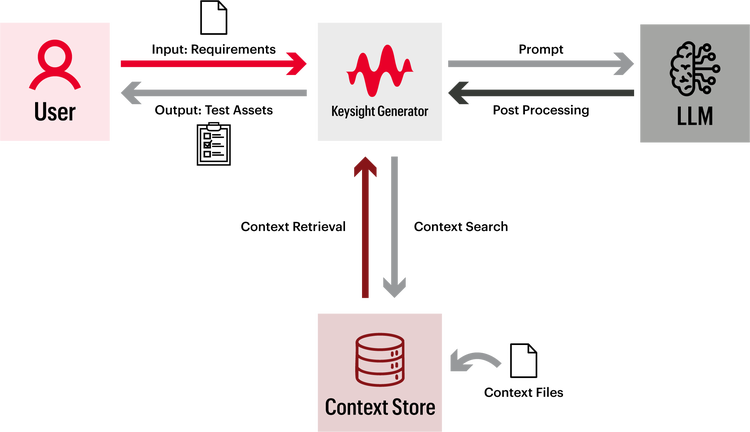
Figure 1. Flow diagram of how Keysight Generator works
What makes Generator even more powerful is its ability to learn from context. You can provide user manuals, glossaries, internal standards, compliance guides, or process docs and it uses that input to generate more intelligent, tailored tests. Instead of producing generic "check that X appears" scenarios, it understands that in your world, “X” might mean validating a bill of materials structure in aerospace, or a regulatory code in healthcare, or a pricing matrix in retail. That flexibility means you’re not stuck rewriting everything later just to make it accurate.
And when requirements change (as they always do), Keysight Generator helps you stay in sync. Just update the input or context and hit regenerate. Test cases are automatically refreshed, ensuring that coverage reflects the latest requirements without the need for manual rework or version control nightmares.
How It Plays Out in Practice
Let’s say you’re launching a new feature with a dozen new user stories. Normally, your team would need to:
- Review the documentation
- Clarify edge cases
- Write multiple tests per requirement
- Peer review the test cases
- Repeat the process every time something changes
With Eggplant Generator, that same team can:
- Upload the requirements directly
- Include supporting docs or glossaries as context
- Generate full sets of test scenarios and test cases automatically
- Regenerate and re-export as needed whenever specs evolve
This saves hours (if not days) of manual effort and dramatically reduces the chance of missing a key flow; useful when dealing with high volumes of change or limited testing resources. It also democratises quality and standardises the format of the output.
It’s especially valuable in industries like finance, healthcare, and defense, where terminology is unique and compliance is critical. These teams often spend more time double-checking tests for domain-specific accuracy than they do actually executing them. Keysight Generator handles that by ingesting the domain language up front—so tests don’t just look right, they are right.
Why It Matters
Testing from requirements is time-consuming, repetitive, and easy to get wrong. Generator helps QA teams move faster by bridging the gap between what the business asks for and what gets tested without the usual headaches.
Whether you're buried in spreadsheets, managing constant scope changes, or trying to scale testing without growing your team, Generator gives you a smarter way to keep coverage high and effort low.
It’s not about cutting corners. It’s about eliminating the friction between intention and execution, so your team can focus on what really matters: delivering quality software at speed.
Keysight has always been at the forefront of AI-augmented software testing, so read our solution brief, Eliminating Manual Test Design with Generative AI, to delve into Generator in more detail.